



At a glance, a chip bag looks like a simple plastic pouch. In reality, it is a highly engineered packaging system designed to protect a fragile, oxidation-sensitive product across long distribution cycles. For wholesalers, distributors, and brand owners, the material structure of a chip bag directly impacts shelf life, product quality, logistics efficiency, and even brand perception.
In this article, Zhongjia Packaging will break down the exact material structure of chip bags, explain why multilayer design is essential, and show how each layer contributes to product protection and shelf life.
What Materials Are Used in Chip Bags?
The most widely used materials in chip bags include:
PE (Polyethylene) or CPP (Cast Polypropylene) – Used as the inner sealing layer, ensuring food safety and heat-sealing performance.
BOPP (Biaxially Oriented Polypropylene) – Typically used as the outer printing layer. It provides good printability, gloss, and stiffness.
PET (Polyester Film) – Adds mechanical strength and heat resistance, often used in higher-performance structures.
Aluminum Foil or Metallized Film (MPET) – Acts as the core barrier layer, preventing oxygen, moisture, and light penetration.
Why Chip Bags Use Multi-Layer Materials
Oxygen Barrier (OTR Control)
Potato chips are highly sensitive to oxygen. Exposure leads to oxidation of oils, causing rancidity and flavor degradation. The barrier layer—usually aluminum foil or metallized film—reduces oxygen transmission rate (OTR) to maintain product freshness.
Moisture Barrier (MVTR Control)
Crispness is a defining quality of chips. Even small amounts of moisture can ruin texture. Multi-layer films are designed to minimize moisture vapor transmission rate (MVTR), keeping humidity out.
Light Protection
Light exposure accelerates oil degradation and affects product quality. Metallized layers reflect light, protecting the contents and extending shelf life.
Mechanical Strength & Durability
Chip bags must withstand transportation, stacking, and handling without tearing or puncturing. Outer layers like PET or BOPP provide structural integrity, while inner layers maintain seal strength.
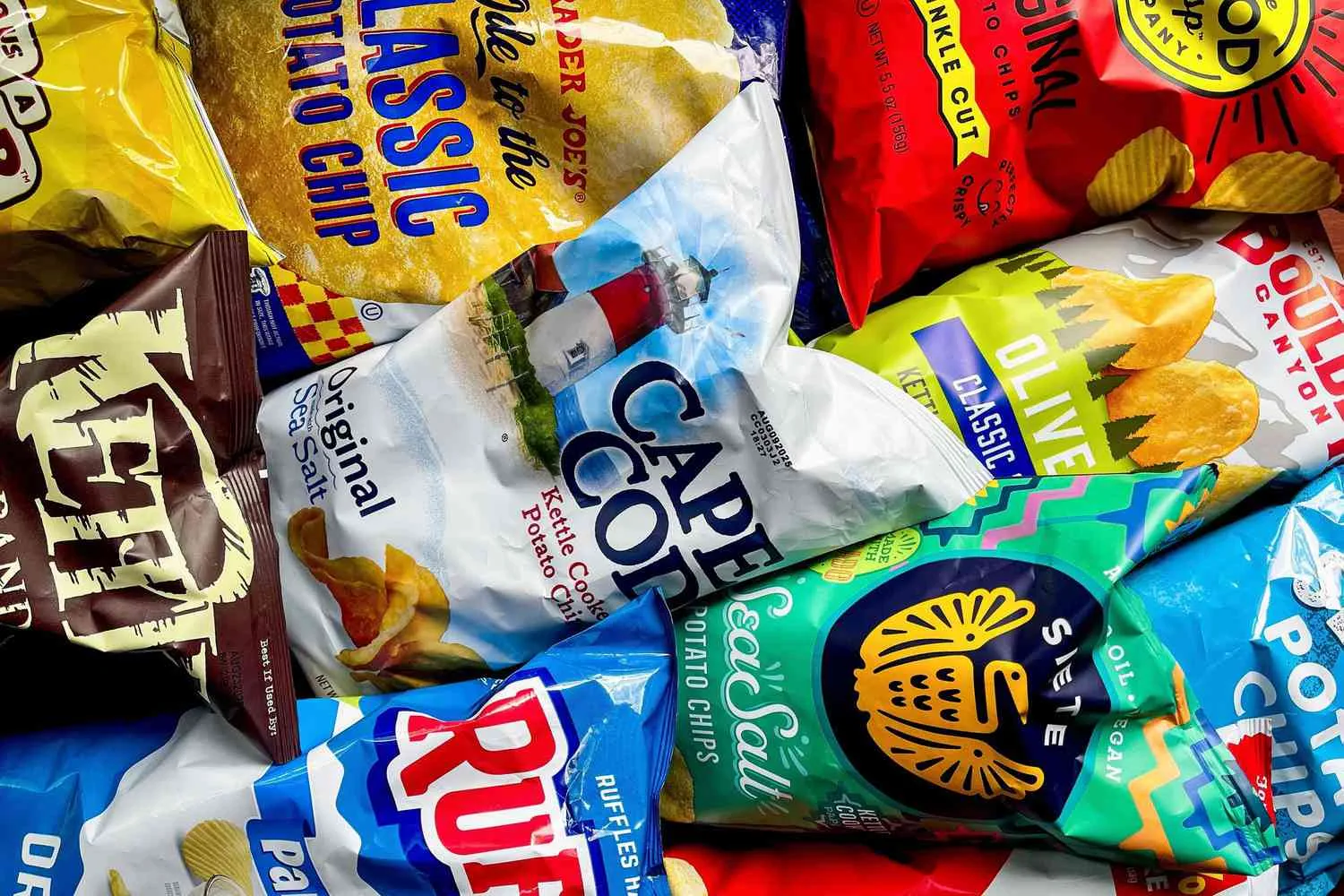
Role of Each Layer in Chip Packaging
Outer Layer (Printing Layer)
The outer layer is responsible for branding and visual appeal. Typically made from BOPP or PET, it supports high-resolution printing, matte or glossy finishes, and abrasion resistance.
For brands, this layer is critical for shelf impact. A reliable [custom chip bag manufacturer] ensures color consistency and print durability across large production runs.
Middle Layer (Barrier Layer)
This is the functional core of the packaging. Aluminum foil offers the highest barrier, while metallized films provide a cost-effective alternative with slightly lower performance.
The choice depends on shelf-life requirements and product positioning.
Inner Layer (Sealing Layer)
The inner layer, usually PE or CPP, ensures safe food contact and heat sealing. It must provide consistent sealing strength to prevent leakage and contamination.
Types of Chip Packaging Structures
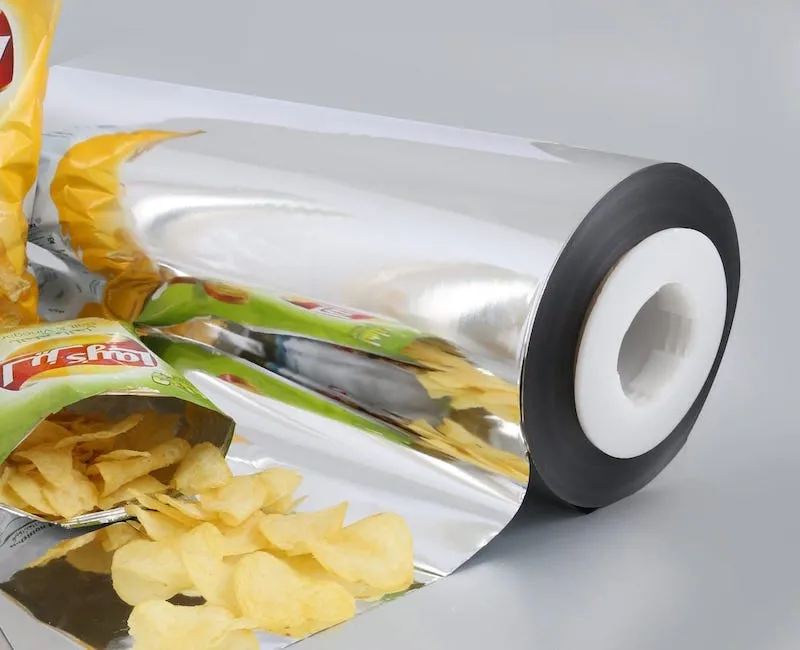
Metallized Film Packaging
This is the most common solution in the market. Metallized films provide a balance between barrier performance and cost, making them suitable for mass-market snack products.
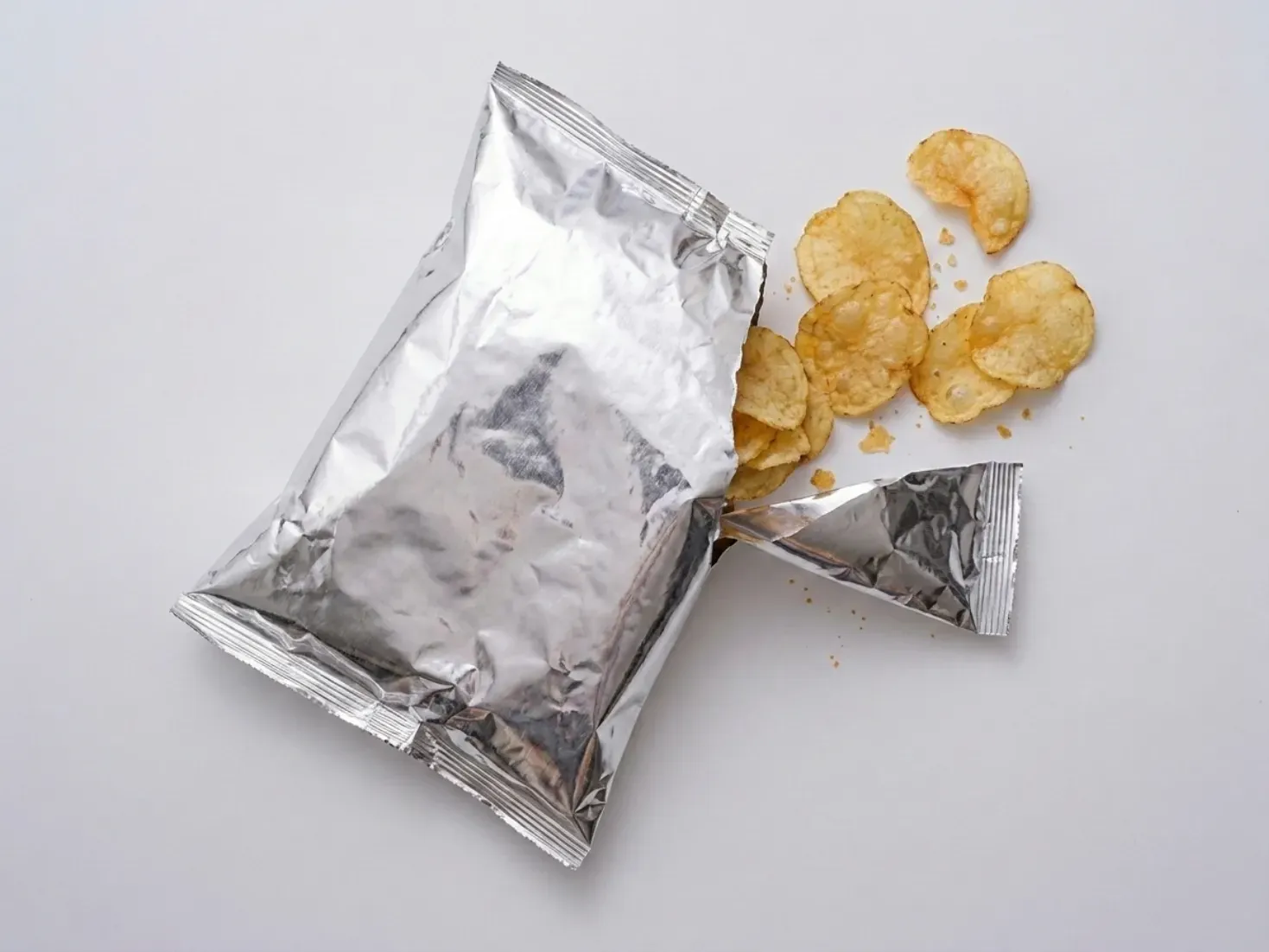
Aluminum Foil Packaging
Aluminum foil offers superior barrier properties and is used for premium products or those requiring extended shelf life. However, it comes at a higher cost.
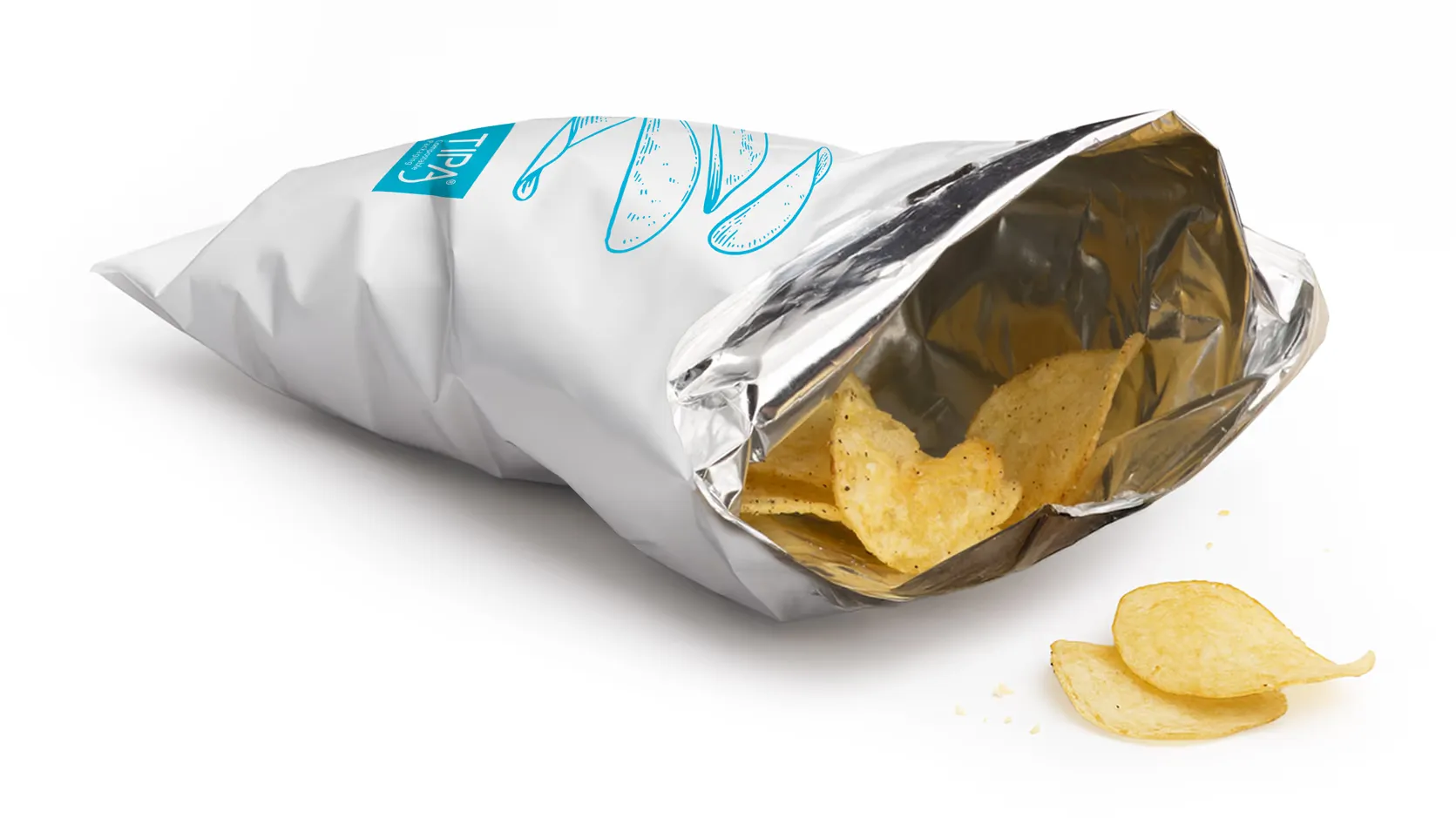
Transparent or Eco-Friendly Options
Some brands opt for transparent or recyclable structures to align with sustainability goals. These solutions often sacrifice barrier performance and are typically used for short shelf-life products.
Why Air Is Inside Chip Bags (Nitrogen Flushing Explained)
Many consumers believe chip bags are “half empty,” but the space inside serves a functional purpose.
Chip bags are filled with nitrogen gas, not air. Nitrogen is inert, meaning it does not react with the oils in chips. This process, known as nitrogen flushing, serves two purposes:
- Prevents oxidation
- Protects chips from being crushed during transport
Without this controlled atmosphere, even the best packaging materials would not be sufficient to maintain product quality.
Conclusion: Chip Bags Are Engineered Systems, Not Simple Plastics
Chip bags are not simple plastic containers—they are engineered systems designed to control oxygen, moisture, light, and mechanical stress. Every layer in the structure serves a specific function, and small changes in material selection can significantly impact product performance.
For buyers, the key is not just understanding what chip bags are made of, but how those materials are combined and processed to meet the packaging standard. The right manufacturing partner provides more than production capacity—they deliver structure design, process control, and long-term reliability.
About Zhongjia Printing
Zhongjia Printing is an expert flexible packaging manufacturer that uses water-based ink printing technology, serving B2B clients with direct factory supply and comprehensive product coverage.
With in-house production control and strict QC systems, we ensure reliable batch consistency and shelf performance. Our OEM/ODM chip bags capabilities support customized structures, materials, and printing designs tailored to your product needs. Focused on long-term partnership, we help brands and distributors reduce risk, optimize packaging performance, and scale efficiently.
