



Environmentally friendly flexible packaging combines sustainable material choices, recyclable designs, and cleaner printing technologies to reduce environmental impact while maintaining product protection and brand appeal. Zhongjia Packaging specializes in customized flexible packaging solutions with advanced water-based ink printing technology, serving global food, daily-use, and toy brands with reliable quality and eco-conscious production capabilities.
The Significance of Choosing Environmentally Friendly Flexible Packaging
Sustainability is no longer just a marketing trend—it has become a critical purchasing factor for global brands, retailers, and consumers. As governments introduce stricter packaging regulations and consumers increasingly demand greener products, companies are actively searching for packaging solutions that balance environmental responsibility, product protection, and commercial performance.
Environmentally friendly flexible packaging has become one of the key solutions for brands looking to reduce their packaging footprint. By combining recyclable structures, biodegradable material innovations, lightweight designs, and cleaner printing technologies, sustainable flexible packaging helps companies achieve environmental goals without sacrificing functionality.
However, choosing the right eco-friendly packaging solution is not always simple. Buyers need to consider material performance, recyclability, barrier requirements, printing technology, production capability, and supply chain reliability.
What Is Environmentally Friendly Flexible Packaging?
Environmentally friendly flexible packaging refers to packaging solutions designed to minimize environmental impact throughout their lifecycle, from raw material selection and manufacturing to transportation, usage, and disposal.
Unlike traditional packaging that focuses mainly on cost and protection, sustainable flexible packaging considers:
- Reduced material consumption
- Lower carbon footprint
- Improved recyclability
- Safer printing technologies
- Responsible production processes
Flexible packaging already has environmental advantages compared with many rigid packaging formats because it requires fewer raw materials, occupies less transportation space, and reduces logistics-related emissions.
According to industry research, lightweight packaging solutions can contribute to resource efficiency by reducing material usage and transportation impacts. However, sustainability performance depends heavily on package design, material structure, and end-of-life systems.
Why Brands Are Choosing Sustainable Flexible Packaging
Global brands are facing increasing pressure from three major areas:
1. Consumer Demand for Sustainable Products
Modern consumers increasingly evaluate products based on more than quality and price. Packaging appearance, environmental responsibility, and brand values influence purchasing decisions.
For brands, using environmentally friendly flexible packaging helps communicate:
- Corporate responsibility
- Sustainability commitment
- Modern brand positioning
A well-designed sustainable package can become an important part of brand storytelling.
2. Changing Packaging Regulations
Many regions are introducing stricter packaging waste regulations.
For example:
- The European Union is strengthening packaging sustainability requirements through the Packaging and Packaging Waste Regulation (PPWR).
- Many markets are promoting recyclable packaging structures.
- Brands are increasingly required to improve packaging transparency and environmental performance.
Therefore, selecting packaging suppliers with sustainability knowledge has become an important part of global sourcing strategies.
3. Business Benefits Beyond Sustainability
Sustainable packaging can also provide commercial advantages:
- Improved brand image
- Better shelf differentiation
- Reduced material consumption
- Easier compliance with future regulations
However, sustainability should not compromise product safety. The ideal packaging solution must balance environmental goals with barrier protection and product quality.
Recyclable Flexible Packaging: A Practical Sustainable Choice
Recyclability is one of the most discussed topics in sustainable packaging.
What Makes Flexible Packaging Recyclable?
Recyclable flexible packaging usually requires:
- Compatible material structures
- Reduced use of mixed materials
- Appropriate recycling infrastructure
- Clear packaging design
Traditional flexible packaging often combines multiple layers, such as:
- PET
- Aluminum foil
- PE
- Adhesive layers
These structures provide excellent barrier protection but may create recycling challenges.
New recyclable packaging developments focus on simplified mono-material structures, especially polyethylene-based or polypropylene-based solutions.
Benefits of Recyclable Flexible Packaging
1. Supports Circular Economy Goals
Recyclable packaging allows materials to remain in circulation longer instead of becoming waste.
2. Helps Brands Meet Sustainability Targets
Many companies have established environmental goals, and recyclable packaging supports these commitments.
3. Maintains Flexible Packaging Benefits
Recyclable pouches can still provide:
- Lightweight design
- Easy transportation
- Strong shelf appeal
- Custom printing opportunities
Challenges
1. Recycling Infrastructure Differences
A package considered recyclable in one market may face different requirements in another region.
2. Barrier Performance Considerations
Some sensitive products require extremely high moisture, oxygen, or light protection, which may limit material choices.
3. Higher Development Requirements
Sustainable packaging often requires technical cooperation between brands and manufacturers.
Biodegradable Flexible Packaging: Opportunities and Limitations
Biodegradable materials are another important direction in sustainable packaging.
These materials are designed to break down under specific environmental conditions.
Common biodegradable materials include:
- PLA (polylactic acid)
- PBAT-based materials
- Bio-based films
Advantages of Biodegradable Packaging
Reduced Dependence on Fossil-Based Materials
Some biodegradable materials use renewable resources.
Positive Sustainability Communication
Brands can demonstrate commitment to environmental innovation.
Suitable for Certain Applications
Biodegradable packaging can be suitable for products with specific shelf-life requirements.
Limitations of Biodegradable Packaging
Requires Proper Disposal Conditions
Many biodegradable materials require industrial composting environments.
Barrier Performance May Differ
Compared with traditional high-barrier films, some biodegradable materials may require further development.
Cost Considerations
Biodegradable materials are often more expensive than conventional packaging films.
Therefore, brands should evaluate product requirements before selecting biodegradable solutions.
Water-Based Ink Printing: A Cleaner Printing Solution
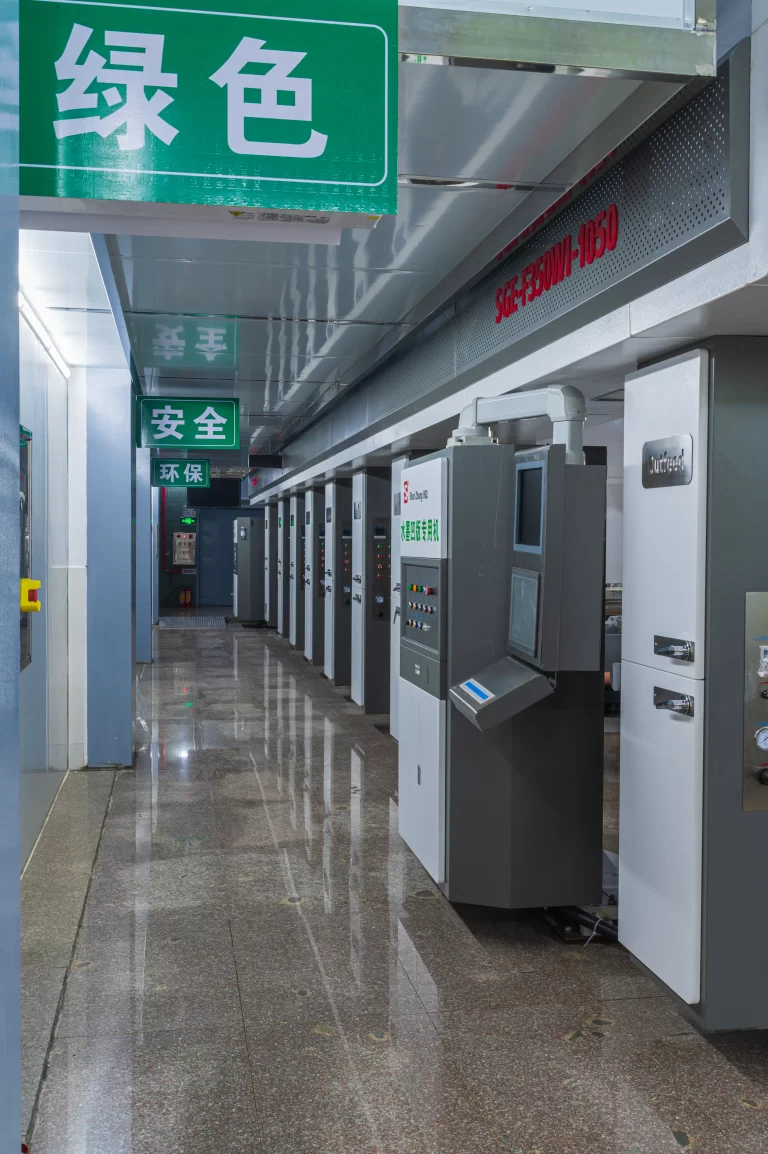
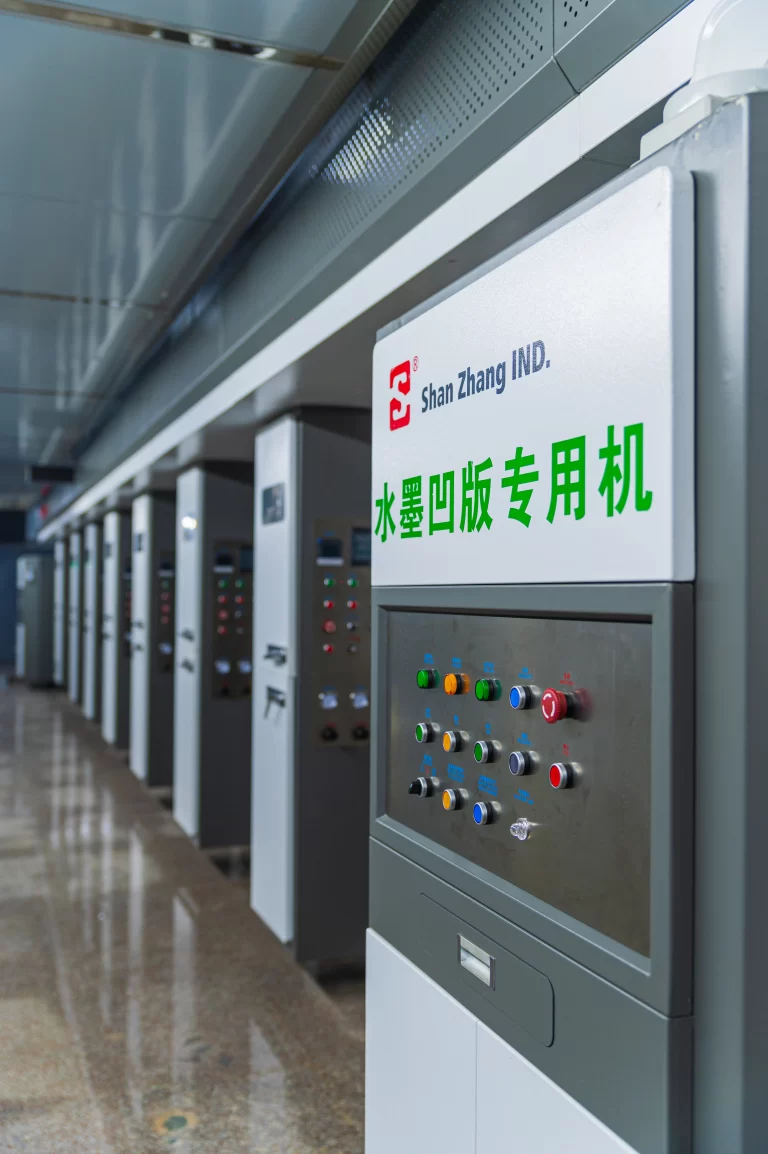
Printing technology plays an important role in sustainable packaging.
Many brands focus on packaging materials but overlook the environmental impact of printing processes.
Zhongjia Packaging specializes in water-based ink printing, an environmentally conscious technology designed for flexible packaging applications.
Water-based inks use water as the primary solvent, helping reduce reliance on traditional solvent systems and lowering volatile organic compound (VOC) emissions during printing.
Advantages of Water-Based Ink Printing
1. Lower VOC Emissions
Compared with traditional solvent-based printing systems, water-based printing can help reduce VOC emissions and create a cleaner production environment.
2. Safer Food Packaging Applications
For food packaging brands, reducing solvent residues is an important consideration.
Water-based ink technologies are increasingly applied in food and flexible packaging because of their safety and environmental advantages.
3. High-Quality Printing Performance
Modern water-based ink technology supports:
- Bright colors
- Clear graphics
- Stable printing quality
- Customized brand designs
Advanced formulation improvements have helped water-based inks achieve better adhesion and durability on flexible packaging films.
Pros and Cons of Environmentally Friendly Flexible Packaging
Pros
Reduced Environmental Impact
Sustainable materials and cleaner printing technologies help reduce packaging-related environmental pressure.
Strong Brand Value
Eco-friendly packaging supports modern brand positioning and consumer trust.
Lightweight and Efficient
Flexible packaging requires fewer resources and improves transportation efficiency.
Customizable Design
Brands can still achieve premium visual effects through advanced printing.
Cons
Higher Initial Development Costs
Sustainable packaging solutions may require additional testing and material development.
Limited Material Options
Some products require advanced barrier properties that restrict material selection.
Recycling Systems Are Still Developing
Global recycling infrastructure is not equally developed across all markets.
How Brands Should Choose Sustainable Flexible Packaging
Selecting the right packaging requires a systematic evaluation.
1. Understand Product Requirements
Consider:
- Moisture sensitivity
- Oxygen sensitivity
- Shelf life
- Filling method
- Storage conditions
For example:
- Coffee requires aroma and oxygen protection.
- Powder products require moisture resistance.
- Snacks require freshness protection and strong sealing.
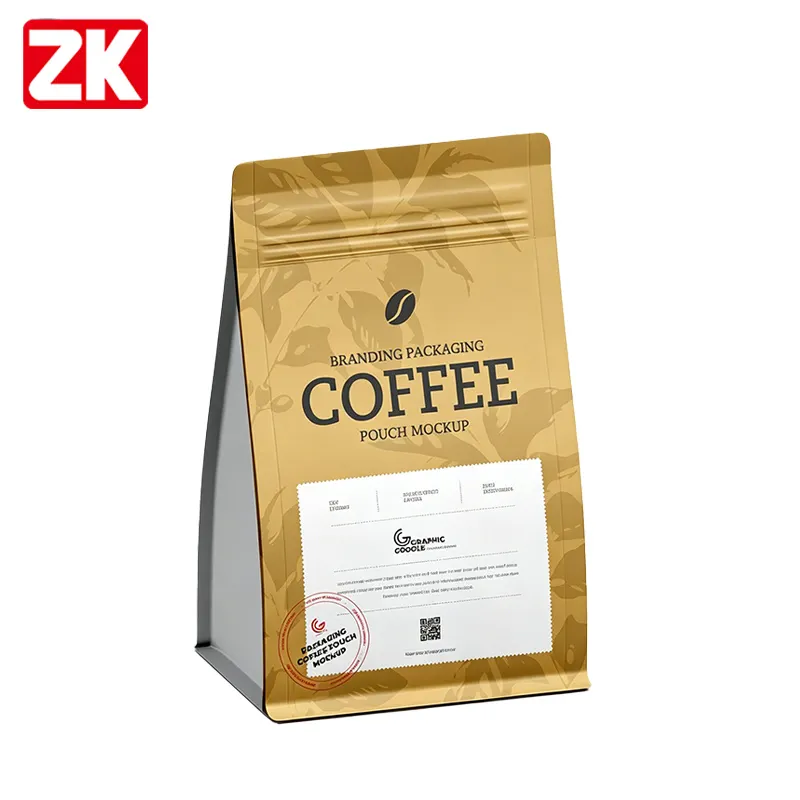
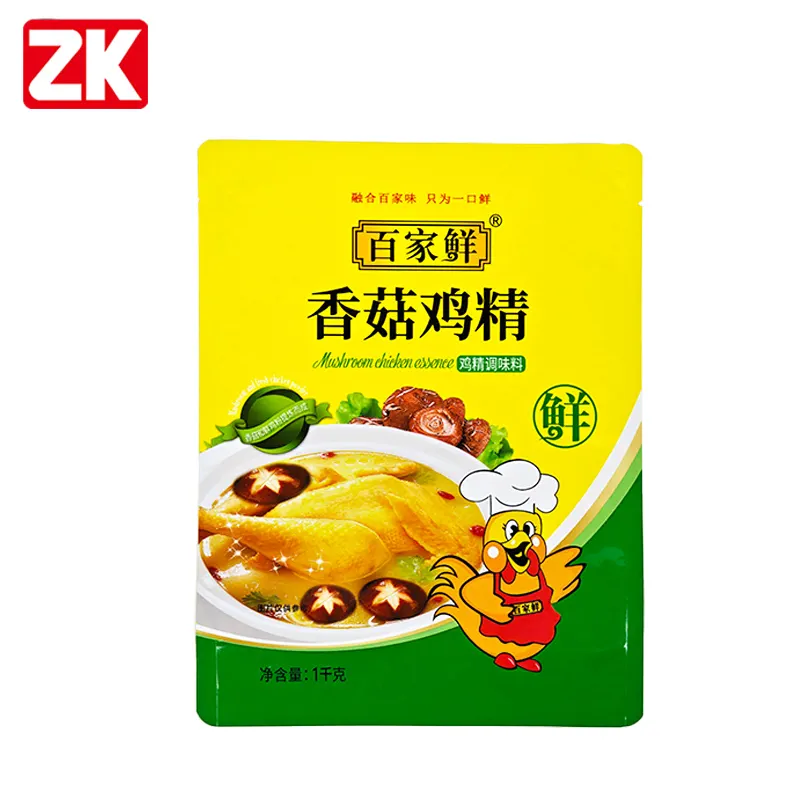
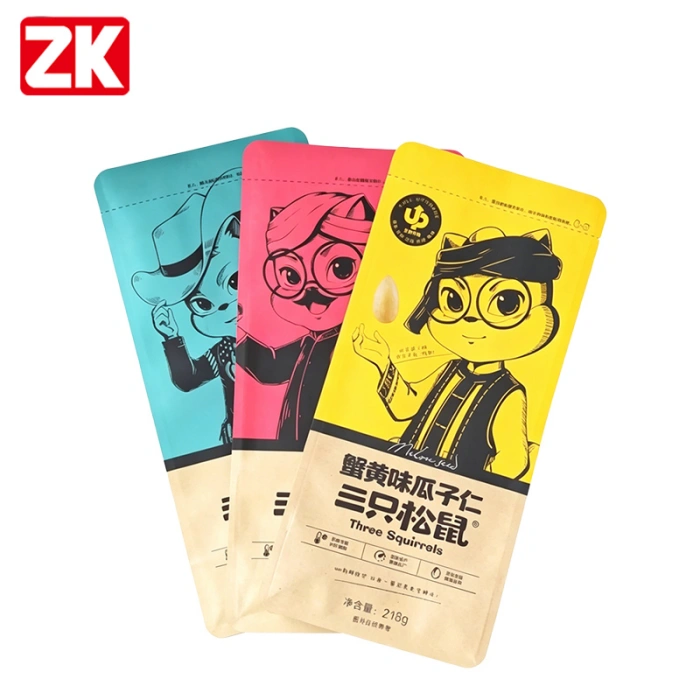
2. Evaluate Packaging Structure
Ask suppliers about:
- Material composition
- Barrier performance
- Recyclability
- Printing technology
A sustainable package must still protect the product effectively.
3. Choose a Manufacturer with Technical Capability
A reliable supplier should provide:
- Material recommendations
- Customized structures
- Quality testing
- Stable production
- Sustainability support
The right manufacturer helps reduce development risks and ensures consistent quality.
How Zhongjia Packaging Supports Sustainable Packaging Development
Sustainable packaging requires more than choosing an environmentally friendly material. It requires manufacturing expertise, printing technology, quality control, and customization capability.
Zhongjia Packaging specializes in customized flexible packaging solutions, including:
- Stand-up pouches
- Flat bottom pouches
- Spout pouches
- Zipper bags
- Food packaging bags
- Daily-use product packaging
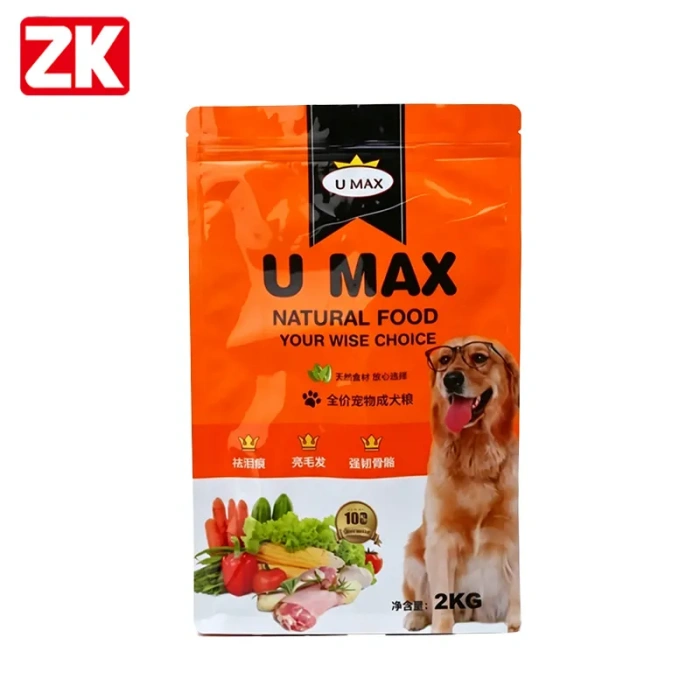
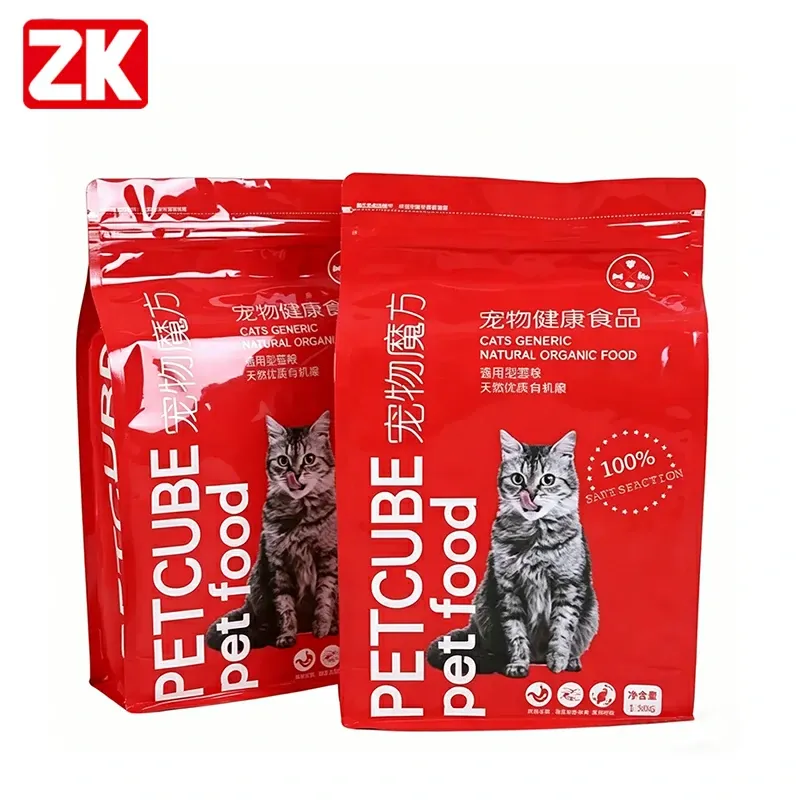
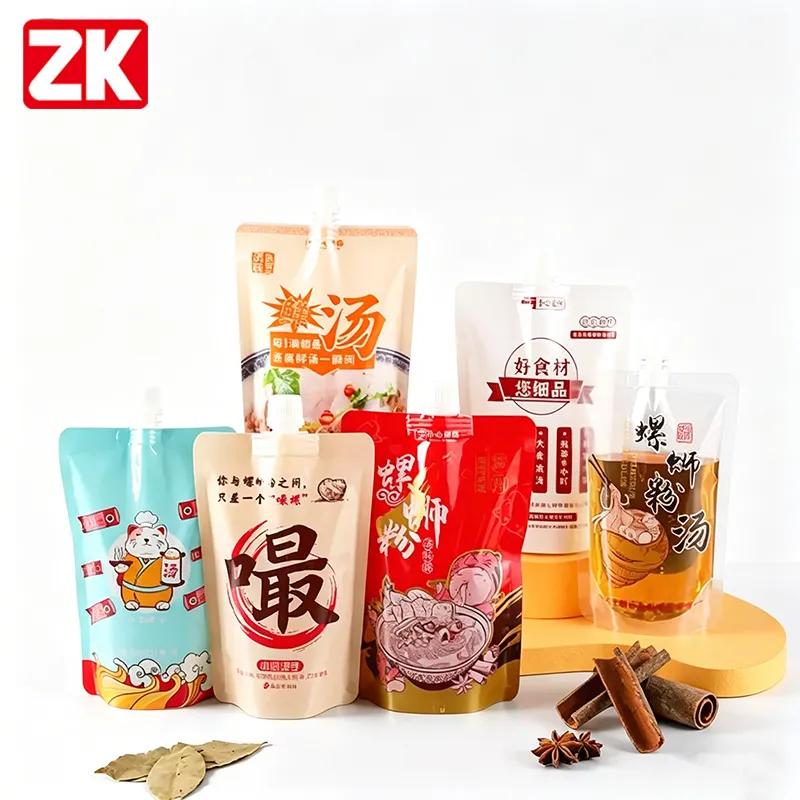
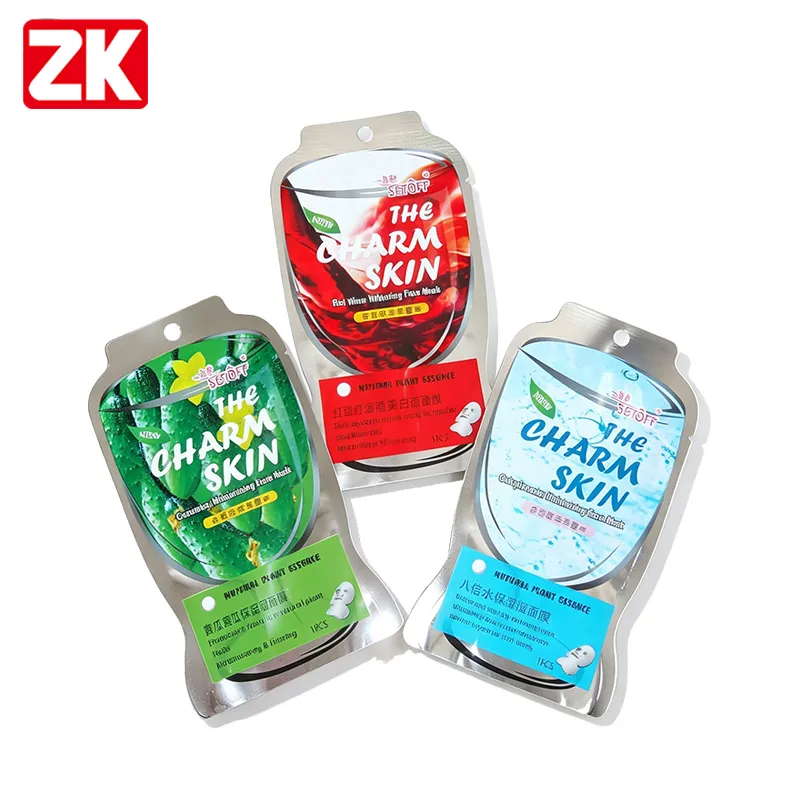
With advanced production equipment, four high-speed production lines, professional quality management, and water-based ink printing technology, Zhongjia helps brands develop packaging solutions that combine sustainability, functionality, and visual appeal.
FAQ About Environmentally Friendly Flexible Packaging
Q1: Is flexible packaging environmentally friendly?
Flexible packaging can be environmentally friendly when designed with recyclable materials, optimized structures, reduced material usage, and sustainable printing processes.
Q2: Is recyclable packaging better than biodegradable packaging?
Neither option is universally better. The right choice depends on product requirements, local recycling systems, disposal conditions, and sustainability goals.
Q3:Why is water-based ink printing considered more sustainable?
Water-based ink printing uses water as the main solvent and can help reduce VOC emissions compared with traditional solvent-based printing processes.
Q4: Can sustainable flexible packaging protect food products?
Yes. Sustainable flexible packaging can provide excellent protection when the material structure is properly designed according to product requirements.
Q5: Does eco-friendly packaging cost more?
Some sustainable solutions may have higher initial costs, but they can provide long-term benefits through stronger brand value and regulatory readiness.
Conclusion
The future of packaging is moving toward solutions that protect products while reducing environmental impact. Environmentally friendly flexible packaging provides brands with a practical path toward sustainability through recyclable materials, biodegradable innovations, and cleaner printing technologies.
However, sustainable packaging is not simply about choosing a “green” label. Successful solutions require the right balance between environmental performance, product protection, production efficiency, and market requirements.
For global brands, partnering with an experienced flexible packaging manufacturer is essential. A professional supplier can provide technical guidance, customized designs, and reliable production support to create packaging that meets both consumer expectations and business goals.
Partner with Zhongjia Packaging for Sustainable Flexible Packaging Solutions
Zhongjia Packaging is a professional flexible packaging manufacturer specializing in water-based ink printing solutions. Serving more than 40 well-known companies and exporting products to over 20 countries, Zhongjia provides customized packaging solutions for food, daily-use, and toy industries.
With advanced production equipment, strict quality inspection systems, and expertise in recyclable packaging designs and environmentally friendly printing technologies, Zhongjia helps global brands create packaging that combines performance, sustainability, and strong visual impact.
Whether you need recyclable pouches, customized printed bags, or environmentally friendly flexible packaging solutions, Zhongjia Packaging is ready to support your project from concept development to mass production.
Contact Zhongjia Packaging today to discuss your sustainable packaging requirements and build a greener packaging future together.
