



Choosing a PPWR-ready food packaging manufacturer in China requires more than competitive pricing. Brands and importers need suppliers with sustainable materials, advanced printing technology, strict quality control, and compliance awareness. Zhongjia Packaging, a professional soft packaging manufacturer specializing in water-based ink printing, supports global customers with customized food packaging solutions, stable production capacity, and reliable quality management.
Why PPWR Compliance Matters When Selecting a Food Packaging Manufacturer
In the past, many buyers focused mainly on production cost, delivery time, and appearance design when purchasing food packaging. However, changing regulations and consumer expectations have shifted purchasing priorities.
Today, brands need packaging that can balance:
- Food safety requirements
- Product protection performance
- Sustainable material solutions
- Recycling considerations
- Supply chain stability
- Regulatory compliance
A PPWR-ready food packaging manufacturer should understand that packaging is no longer only a container. It is part of a brand’s environmental responsibility and market strategy.
According to the European Commission, PPWR introduces requirements related to recyclable packaging, packaging minimization, material information labeling, reuse targets, and restrictions on certain packaging formats.
For international buyers, working with an experienced supplier early can reduce future risks, including:
- Packaging redesign costs
- Compliance delays
- Import problems
- Market restrictions
- Customer dissatisfaction
Therefore, supplier selection should focus on long-term capability rather than short-term pricing advantages.
What Makes a Food Packaging Manufacturer PPWR Ready?
A PPWR-ready supplier should demonstrate a combination of technical capability, sustainability awareness, and manufacturing reliability.
1. Evaluate Packaging Material Knowledge and Sustainability Capability
The first step when choosing a food packaging manufacturer is evaluating its understanding of packaging materials.
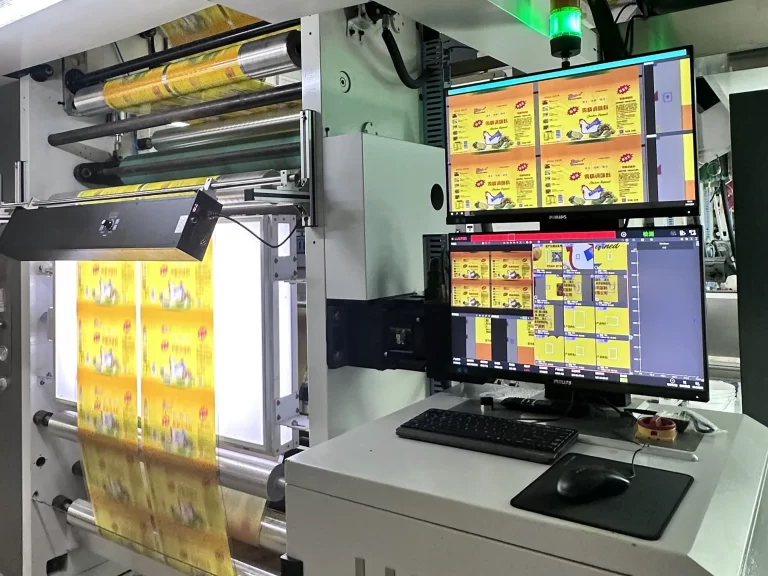
Flexible food packaging often requires multiple functions, including:
- Barrier protection against oxygen and moisture
- Food safety performance
- Printing quality
- Heat sealing strength
- Product shelf-life protection
However, PPWR encourages packaging producers to consider recyclability and environmental impact throughout the packaging lifecycle.
A professional supplier should be able to discuss:
- Material structure optimization
- Mono-material packaging possibilities
- Reduced material usage
- Recyclability considerations
- Sustainable printing technologies
A manufacturer that only focuses on traditional production methods may struggle to support future packaging requirements.
2. Check Printing Technology and Ink Safety Standards
Printing technology directly influences packaging appearance, safety, and environmental performance.
For food packaging, buyers should evaluate:
- Printing equipment capability
- Ink quality control
- Color consistency management
- Printing accuracy
- Production inspection procedures
Water-based ink printing is becoming increasingly important because it reduces reliance on solvent-based systems and supports more environmentally responsible packaging production.
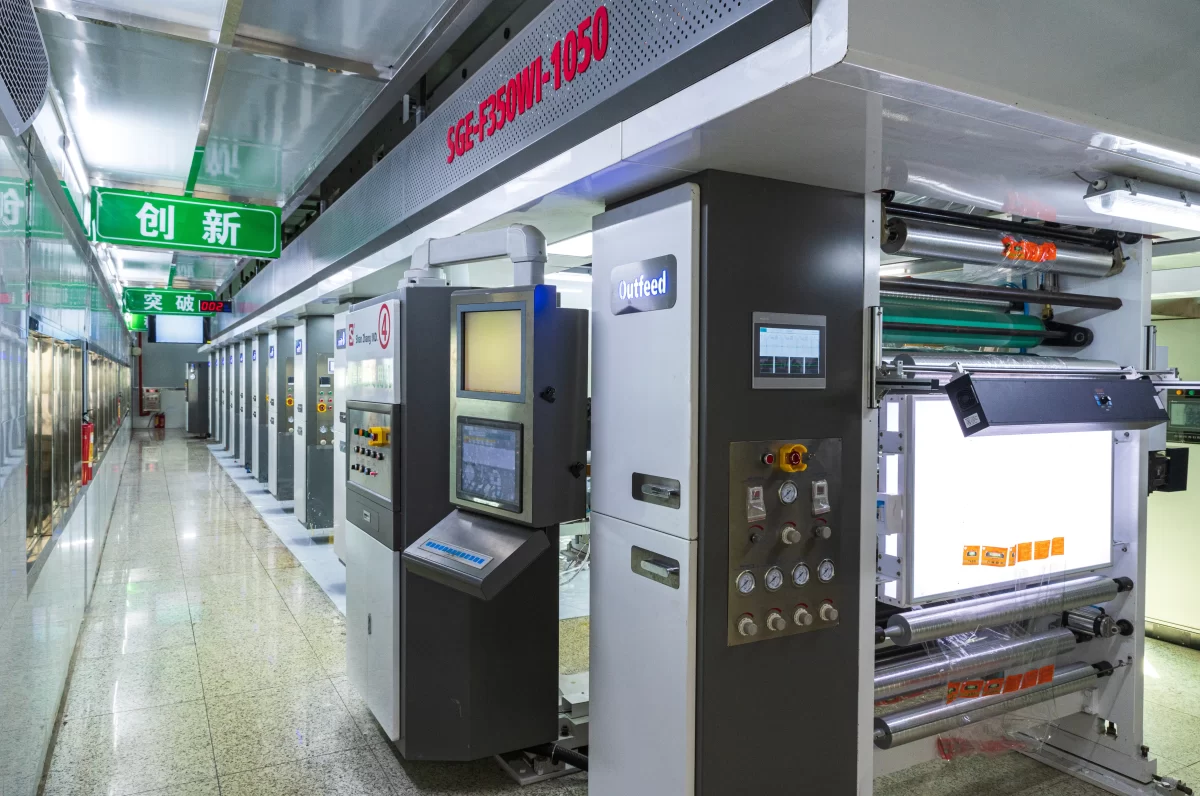
Zhongjia Packaging specializes in water-based ink printing technology and applies strict production management and laboratory testing processes to maintain stable packaging quality.
When selecting a food packaging manufacturer, buyers should ask:
- What printing technology does the factory use?
- How are inks tested?
- Can the supplier provide technical documentation?
- How does the factory control batch consistency?
These questions help identify manufacturers with stronger quality and compliance awareness.
6 Key Factors to Evaluate When Choosing a PPWR-Ready Food Packaging Manufacturer in China
Selecting a suitable food packaging manufacturer requires a systematic evaluation process. A supplier that can support future regulatory changes should have not only production capability but also technical knowledge, quality systems, and sustainable development awareness.
Below are the six key factors global buyers should consider before placing bulk orders.
1. Verify the Manufacturer’s Production Capability and Factory Scale
A reliable packaging supplier should have sufficient production capacity to support stable global supply chains.
When evaluating a food packaging manufacturer, buyers should review:
- Factory production lines
- Annual output capacity
- Equipment automation level
- Quality inspection facilities
- Lead time management
- Ability to handle customized orders
A factory with modern equipment and multiple production lines can better manage large-volume orders while maintaining consistency.
For example, Zhongjia Packaging operates four high-speed production lines equipped with advanced manufacturing equipment. This allows the company to efficiently produce different types of flexible packaging, including:
- Stand-up pouches
- Flat bottom bags
- Spout pouches
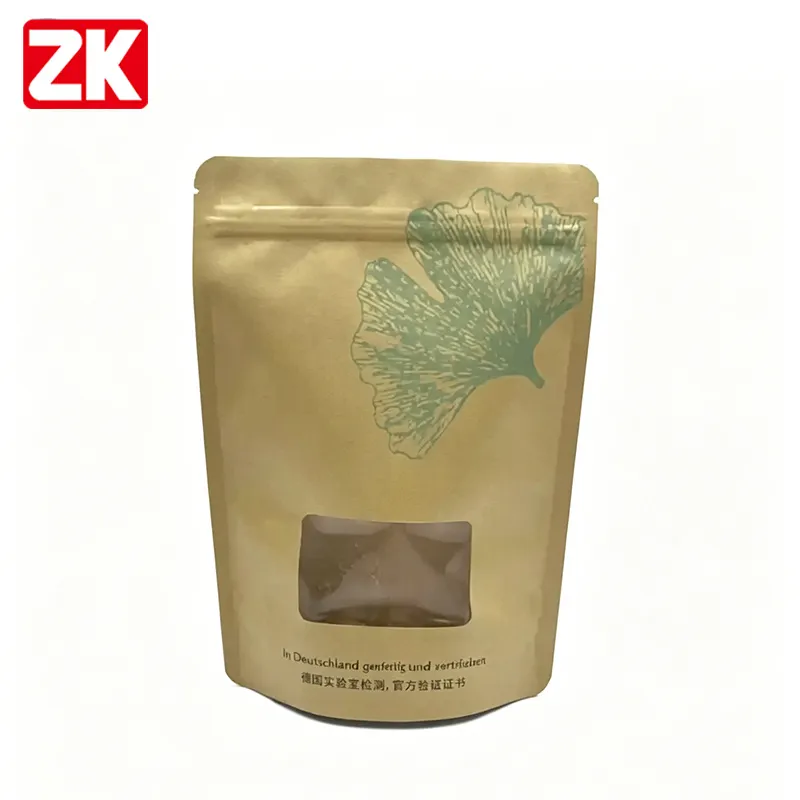
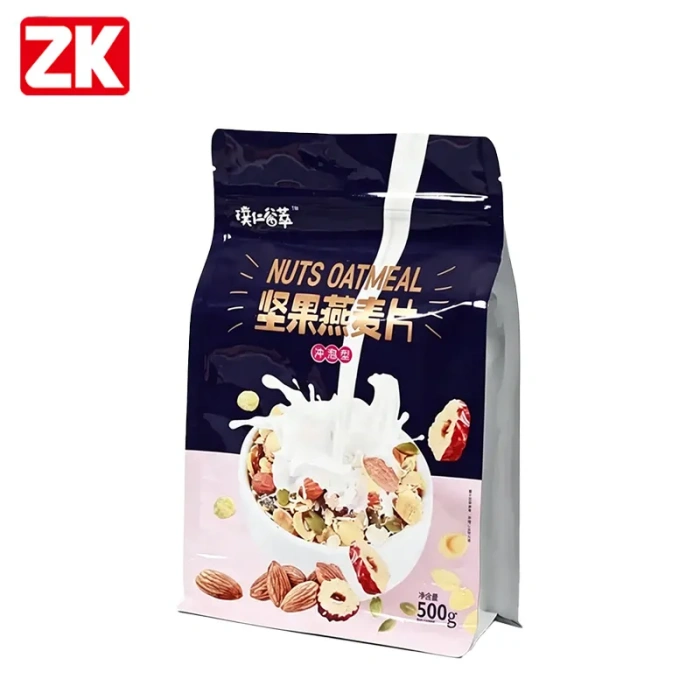
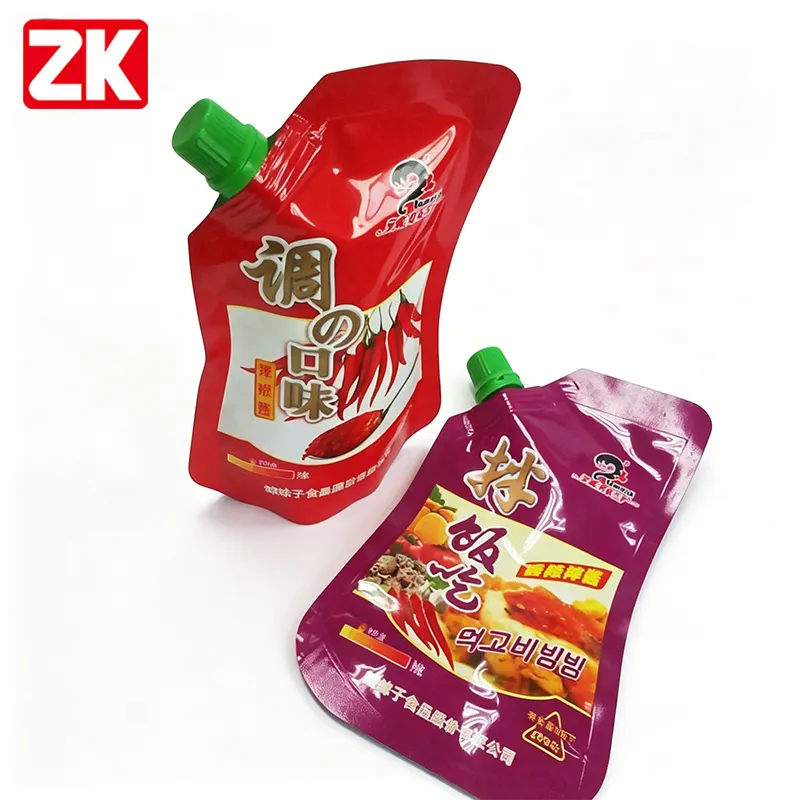
For international brands, stable production capacity reduces risks such as:
- Delayed shipments
- Inconsistent quality between batches
- Unexpected production interruptions
A professional supplier should be able to provide clear information about factory capability instead of relying only on marketing claims.
2. Assess Quality Control Systems and Testing Procedures
Quality stability is one of the most important factors when selecting a food packaging manufacturer.
Food packaging directly contacts products consumed by customers, so manufacturers must have strict quality management processes.
A reliable supplier should implement quality control throughout the entire production process:
Raw Material Inspection
Before production begins, packaging materials should be checked for:
- Material specifications
- Thickness consistency
- Barrier performance
- Food safety requirements
Printing Quality Inspection
During printing, manufacturers should monitor:
- Color accuracy
- Printing alignment
- Ink adhesion
- Surface quality
Finished Product Inspection
Before shipment, finished bags should be tested for:
- Sealing strength
- Appearance defects
- Dimension accuracy
- Packaging performance
For buyers, requesting quality documentation, inspection reports, and production samples before mass production is an effective way to reduce purchasing risks.
3. Choose a Manufacturer with PPWR Awareness and Sustainable Packaging Solutions
PPWR changes the requirements for packaging design and production. Therefore, buyers should work with suppliers that understand sustainability trends.
PPWR establishes requirements covering packaging sustainability, recyclability, labeling, waste prevention, and extended producer responsibility.
A future-ready food packaging manufacturer should be able to discuss:
- Material reduction strategies
- Packaging structure optimization
- Recycling considerations
- Sustainable printing options
- Compliance documentation
For example, traditional multi-layer packaging structures may provide excellent barrier performance but can face recycling challenges. Manufacturers need to evaluate whether alternative structures can achieve a balance between:
- Food protection
- Production feasibility
- Environmental requirements
This is why cooperation with an experienced supplier becomes increasingly important.
A supplier that understands both packaging performance and regulatory direction can help brands avoid costly redesigns in the future.
4. Evaluate Customization and OEM/ODM Capabilities
Different food brands have different packaging requirements.
A professional food packaging manufacturer should provide flexible customization services, including:
- Bag size customization
- Material structure selection
- Printing design support
- Functional accessories
- Packaging format development
Common customized flexible packaging solutions include:
Stand-Up Pouches
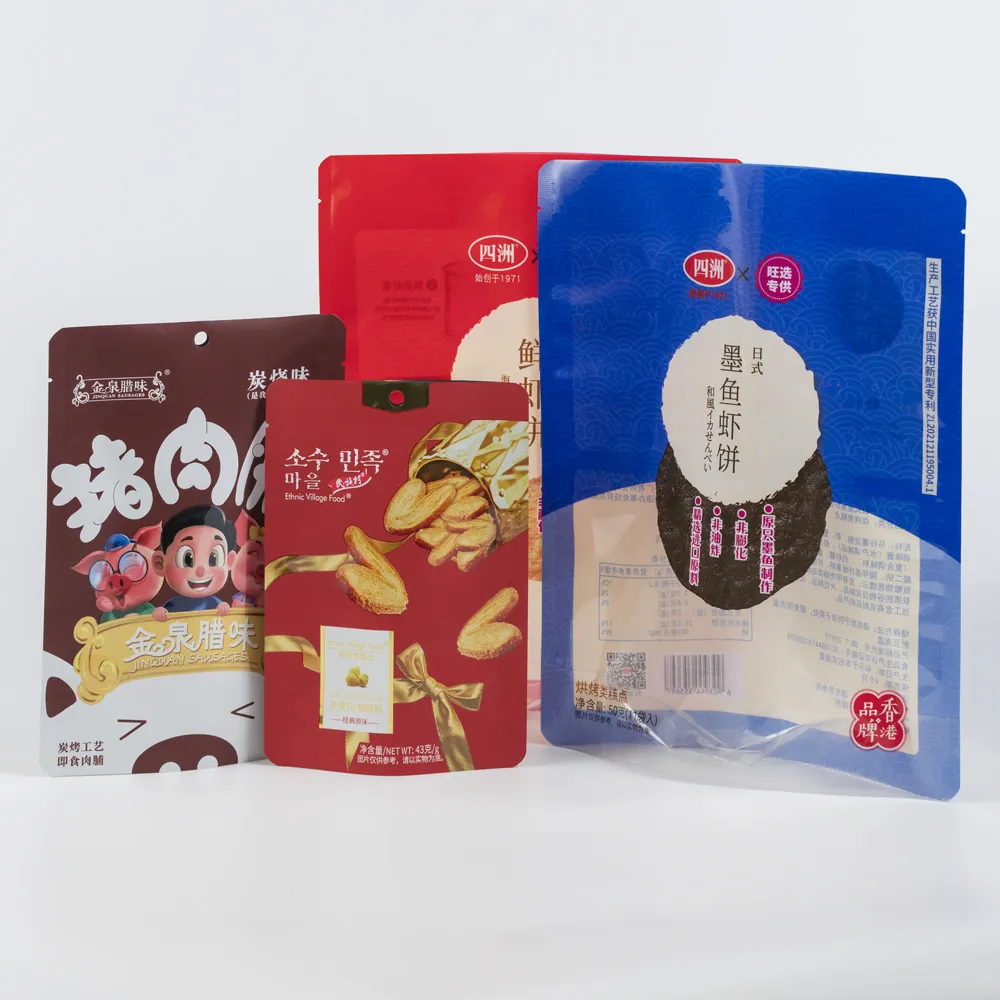
Suitable for:
- Snacks
- Pet food
- Dry food
- Beverage products
Advantages:
- Excellent shelf display
- Convenient storage
- Flexible printing options
Spout Pouches
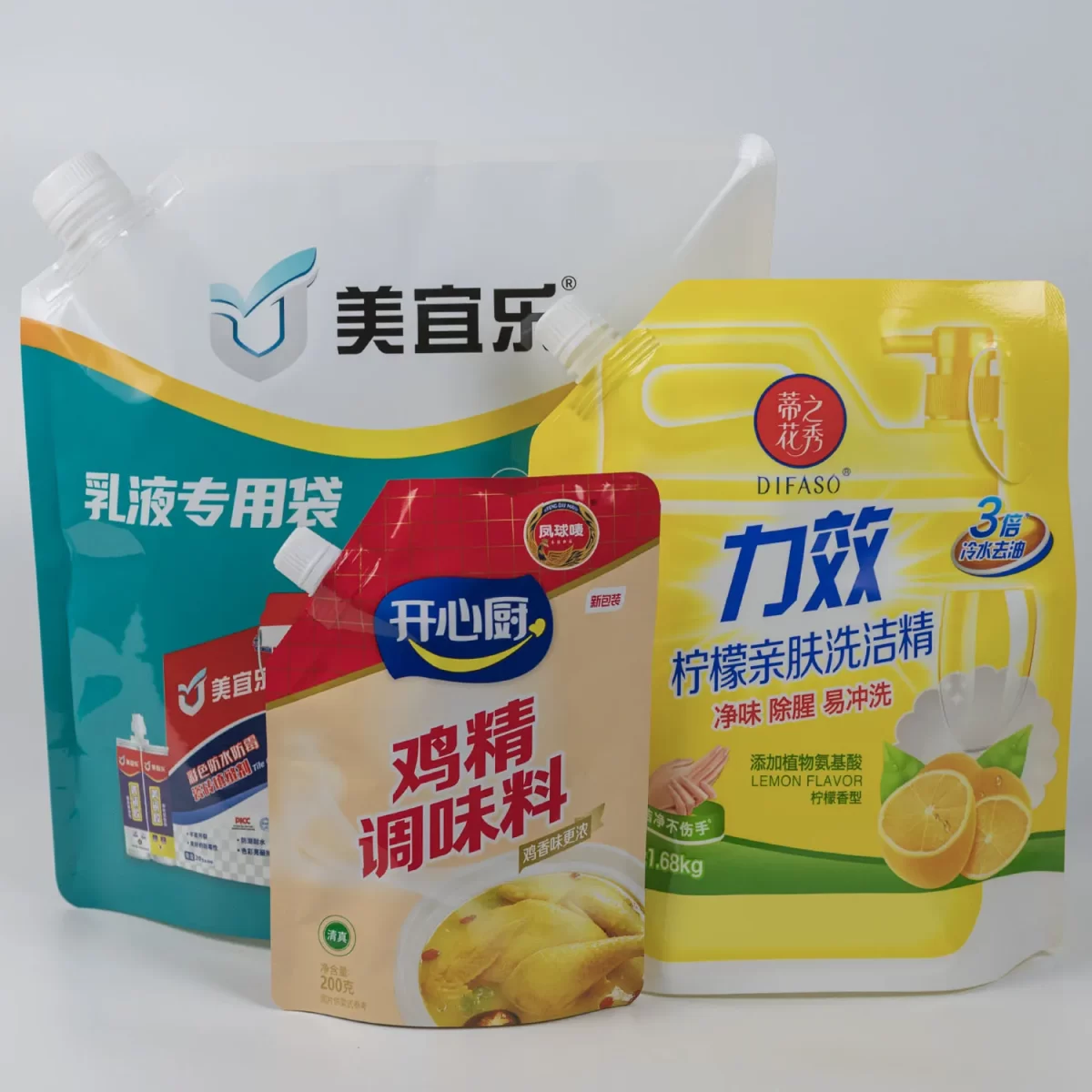
Suitable for:
- Juice
- Baby food
- Sauce
- Liquid products
Advantages:
- Easy pouring
- Consumer convenience
- Strong portability
Flat Bottom Bags
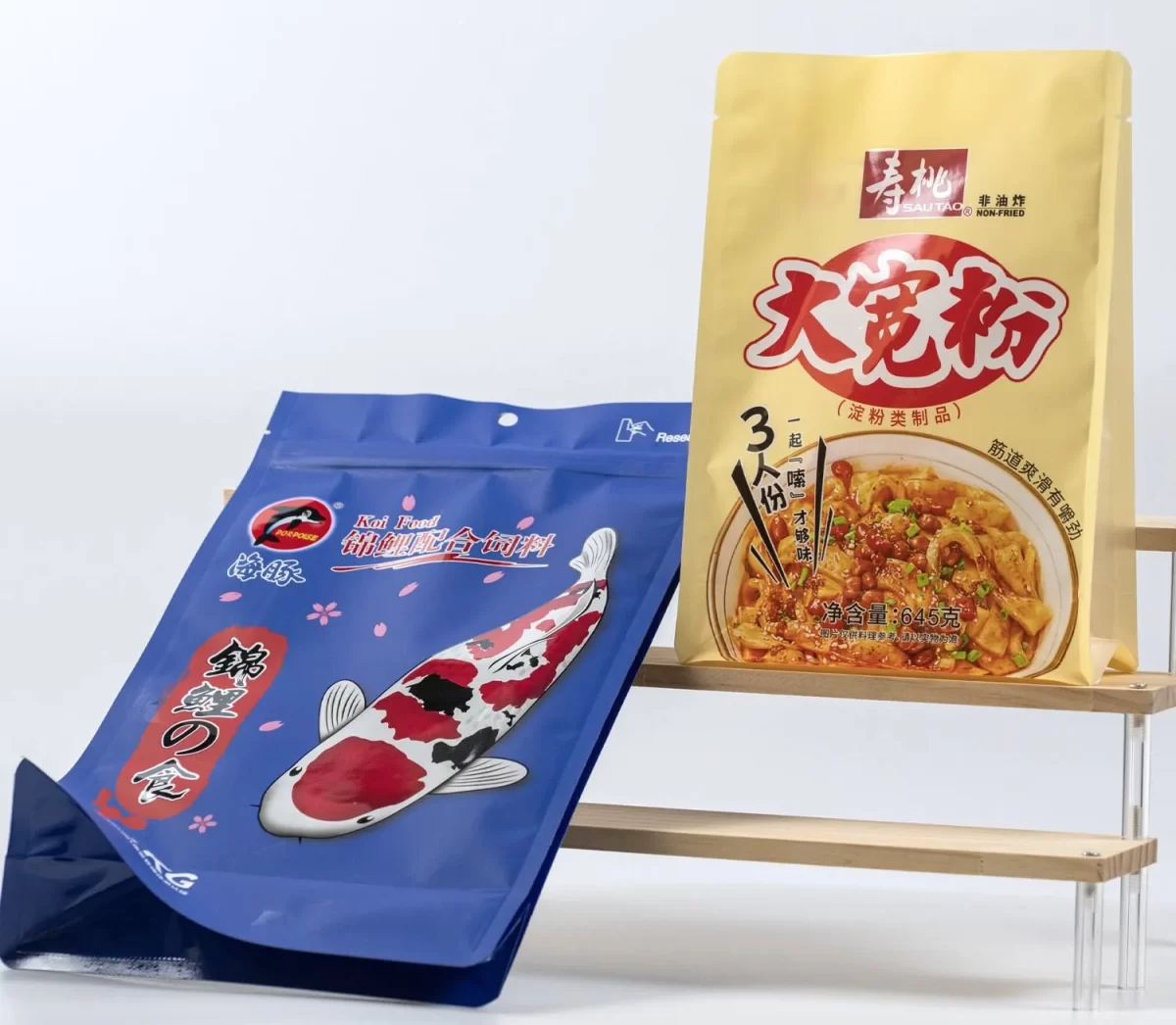
Suitable for:
- Coffee
- Premium snacks
- Powder products
Advantages:
- Stable standing structure
- Large printing area
- Premium appearance
5. Check Export Experience and International Service Capability
A packaging supplier serving international markets should understand global purchasing requirements.
Export experience indicates whether a manufacturer can manage:
- International quality standards
- Documentation requirements
- Shipping procedures
- Communication efficiency
- Different market expectations
A qualified food packaging manufacturer should be familiar with:
- European market requirements
- North American buyer expectations
- Food safety standards
- Import documentation procedures
Zhongjia Packaging has experience serving more than 40 companies, with products exported to over 20 countries.
This international experience helps customers receive more reliable communication, production management, and delivery support.
For overseas buyers, choosing an experienced export manufacturer reduces uncertainty throughout the purchasing process.
6. Review Communication, Sample Process, and Long-Term Partnership Ability
Many packaging problems do not come from production itself but from poor communication.
Before selecting a supplier, buyers should evaluate:
- Response speed
- Technical support ability
- Sample development process
- Problem-solving efficiency
- After-sales service
A professional food packaging manufacturer should not only answer price questions but also provide recommendations about:
- Suitable materials
- Packaging structures
- Printing methods
- Production optimization
The ideal supplier relationship is not simply buyer and seller. It should become a long-term partnership where the manufacturer helps improve packaging performance and market competitiveness.
How to Audit a Food Packaging Manufacturer Before Bulk Ordering
Before signing a large purchase agreement, buyers can follow a structured supplier evaluation process.
Step 1: Review Factory Information
Check:
- Factory location
- Production equipment
- Manufacturing capacity
- Employee experience
- Quality management system
Step 2: Request Product Samples
Evaluate:
- Printing quality
- Material performance
- Sealing strength
- Packaging appearance
Step 3: Confirm Compliance Documentation
Ask for:
- Material specifications
- Test reports
- Quality certificates
- Production records
Step 4: Test Communication Efficiency
Observe whether the supplier can:
- Understand requirements accurately
- Provide technical suggestions
- Respond professionally
Step 5: Start with Trial Orders
A small trial order helps verify:
- Actual production capability
- Delivery reliability
- Product consistency
This process helps buyers identify a trustworthy food packaging manufacturer before investing in large-volume purchasing.
Pros and Cons of Choosing a PPWR-Ready Food Packaging Manufacturer in China
China has become one of the world’s major flexible packaging production centers, offering strong manufacturing capabilities, competitive pricing, and diverse customization options. However, international buyers should understand both the advantages and potential challenges before selecting a food packaging manufacturer in China.
A balanced evaluation helps companies make better sourcing decisions and build long-term supply partnerships.
Pros of Working with a PPWR-Ready Food Packaging Manufacturer in China
1. Strong Manufacturing Capacity and Supply Chain Support
One of the biggest advantages of working with Chinese packaging suppliers is their mature manufacturing ecosystem.
Professional manufacturers usually have:
- Advanced production equipment
- Experienced technical teams
- Stable raw material supply chains
- Efficient production processes
- Large-scale customization capability
For brands requiring bulk packaging orders, working with a capable food packaging manufacturer can provide better production flexibility and cost control.
Manufacturers with multiple production lines can also support different packaging formats, including stand-up pouches, spout pouches, zipper bags, and flat bottom bags.
2. Cost-Effective Customized Packaging Solutions
China’s packaging industry offers competitive advantages in:
- Material sourcing
- Manufacturing efficiency
- Printing technology
- Labor productivity
- Supply chain integration
Compared with many markets, Chinese suppliers can often provide customized packaging solutions at more competitive costs while maintaining professional manufacturing standards.
For brands launching new products, this allows greater flexibility in:
- Packaging design testing
- Market expansion
- Product differentiation
However, buyers should remember that the lowest quotation does not always represent the best value. A reliable supplier should balance cost, quality, compliance, and long-term stability.
3. Wide Range of Packaging Technologies and Customization Options
A professional food packaging manufacturer in China can usually provide various packaging solutions based on product requirements.
Examples include:
Food Packaging Applications
- Snack packaging
- Beverage pouches
- Coffee bags
- Frozen food packaging
- Sauce packaging
- Baby food packaging
Functional Features
- Zipper closures
- Spouts
- High-barrier structures
- Matte or glossy finishes
- Customized printing designs
This wide product range allows brands to work with one supplier for multiple packaging categories.
4. Faster Product Development and OEM Support
Experienced Chinese suppliers often provide OEM and ODM services, helping customers transform concepts into finished packaging products.
A professional supplier can support:
- Packaging structure recommendations
- Artwork adjustment
- Prototype samples
- Production optimization
- Bulk manufacturing
This is especially valuable for emerging brands that need technical guidance during product development.
Cons of Choosing a Chinese Food Packaging Manufacturer
1. Communication Challenges with Overseas Suppliers
Although many Chinese manufacturers have international sales teams, communication differences may still create challenges.
Potential issues include:
- Misunderstanding of specifications
- Different expectations about quality standards
- Delays in feedback
To avoid these problems, buyers should choose manufacturers with:
- Export experience
- Professional customer service teams
- Clear documentation systems
2. Different Compliance Requirements Between Markets
Packaging regulations vary by region.
For example:
- EU markets emphasize recyclability and PPWR compliance
- The United States focuses on food safety requirements and FDA-related standards
- Different countries may have different labeling requirements
A responsible food packaging manufacturer should understand that compliance is market-specific.
Buyers should confirm:
- Applicable regulations
- Required testing
- Documentation availability
- Material suitability
before mass production.
3. Quality Differences Between Manufacturers
China has thousands of packaging suppliers, but manufacturing capabilities vary significantly.
Some factories may focus mainly on low-price competition and lack:
- Advanced equipment
- Quality management systems
- Sustainable packaging knowledge
- International export experience
Therefore, supplier evaluation is essential.
A qualified manufacturer should demonstrate:
- Stable production processes
- Quality inspection systems
- Transparent communication
- Professional technical support
Common Mistakes Buyers Make When Selecting a Food Packaging Manufacturer
Many sourcing problems happen because buyers evaluate suppliers only based on price.
Below are several common mistakes to avoid.
Mistake 1: Choosing the Lowest Price Without Evaluating Capability
Low pricing may sometimes indicate:
- Lower-quality materials
- Limited production control
- Lack of testing procedures
- Weak compliance awareness
Packaging directly affects product safety and brand reputation, so purchasing decisions should consider total value rather than initial cost.
Mistake 2: Ignoring Future Regulatory Requirements
Some buyers focus only on current packaging needs and overlook future regulations.
With PPWR implementation, brands should consider:
- Packaging recyclability
- Material efficiency
- Environmental impact
- Compliance documentation
Selecting a forward-thinking food packaging manufacturer helps businesses prepare for future market changes.
Mistake 3: Not Testing Samples Before Bulk Production
Samples provide important information about actual product performance.
Before placing large orders, buyers should test:
- Packaging strength
- Printing quality
- Sealing performance
- Product compatibility
A professional supplier should encourage sample testing rather than rushing directly into mass production.
Frequently Asked Questions
Q1: What should I look for in a PPWR-ready food packaging manufacturer in China?
A PPWR-ready food packaging manufacturer should have knowledge of sustainable packaging trends, stable production capability, strict quality control, and the ability to provide suitable material solutions.
Key evaluation points include:
- Factory production capacity
- Printing technology
- Quality management
- Export experience
- Customization ability
- Compliance awareness
Q2: How does PPWR affect food packaging suppliers?
PPWR affects packaging design, production, recycling requirements, and environmental responsibility.
Food packaging suppliers need to consider:
- Packaging material selection
- Recyclability improvement
- Packaging reduction
- Labeling requirements
- Waste management responsibilities
Manufacturers that prepare early can better support international brands entering regulated markets.
Q3: Is water-based ink printing suitable for food packaging?
Yes, water-based ink printing is increasingly used for environmentally conscious packaging applications.
Its advantages include:
- Reduced dependence on solvent-based printing systems
- Good printing performance
- Support for sustainable packaging strategies
However, printing suitability depends on packaging structure, product requirements, and production conditions.
A professional food packaging manufacturer should evaluate the complete packaging system instead of focusing only on printing methods.
Q4: What types of food packaging can Chinese manufacturers produce?
Experienced Chinese packaging manufacturers can produce various flexible packaging formats, including:
- Stand-up pouches
- Spout pouches
- Flat bottom bags
- Zipper bags
- Vacuum packaging
- Customized food bags
These solutions are widely used for snacks, beverages, sauces, frozen foods, and other food products.
Q5: How can I verify whether a food packaging manufacturer is reliable?
Buyers can verify suppliers by checking:
- Factory production facilities
- Customer experience
- Export markets
- Quality control procedures
- Sample performance
- Communication efficiency
A factory visit, third-party inspection, or trial order can further reduce purchasing risks.
Buyer Checklist: Questions to Ask Before Cooperation
Before choosing a supplier, international buyers should ask:
Production Capability
- How many production lines does the factory operate?
- What packaging formats can be produced?
- What is the monthly production capacity?
Quality Control
- How are raw materials inspected?
- What laboratory tests are performed?
- How is batch consistency maintained?
Sustainability and Compliance
- Does the supplier understand PPWR requirements?
- Can they provide material information?
- What sustainable packaging options are available?
Customization
- Can the supplier support OEM/ODM projects?
- Are customized sizes and designs available?
- Can samples be provided before production?
These questions help buyers identify a trustworthy long-term packaging partner.
Future-Focused Packaging Solutions for Global Brands
The packaging industry is changing rapidly.
Future packaging suppliers need to consider not only production efficiency but also:
- Sustainability trends
- Regulatory changes
- Consumer expectations
- Packaging optimization
PPWR and other global environmental regulations highlight the importance of working with suppliers that have long-term industry awareness.
By choosing a manufacturer that continuously improves technology, production processes, and quality systems, brands can better prepare for future packaging challenges.
Conclusion: How to Choose the Right PPWR-Ready Food Packaging Manufacturer in China
Choosing a PPWR-ready food packaging manufacturer requires careful evaluation of multiple factors, including production capability, quality control, sustainability awareness, customization ability, and international service experience.
The right supplier should not only deliver packaging products but also provide technical support and long-term partnership value.
Before placing bulk orders, global buyers should evaluate:
- Whether the manufacturer understands future packaging regulations
- Whether the factory has stable production capacity
- Whether quality control systems are reliable
- Whether customization requirements can be supported
- Whether communication and export experience are sufficient
A professional packaging partner can help brands reduce sourcing risks, improve product competitiveness, and prepare for evolving global market requirements.
Partner with Zhongjia Packaging for Reliable Flexible Packaging Solutions
As an experienced food packaging manufacturer specializing in water-based ink printing, Zhongjia Packaging combines advanced production equipment, strict quality management, flexible customization capabilities, and international export experience to support global brands.
With solutions covering stand-up pouches, spout pouches, flat bottom bags, zipper bags, and other customized flexible packaging products, Zhongjia Packaging is ready to help businesses develop packaging that meets today’s market needs and tomorrow’s sustainability challenges.
Contact Zhongjia Packaging today to discuss your customized packaging requirements and build a reliable long-term packaging partnership.
