



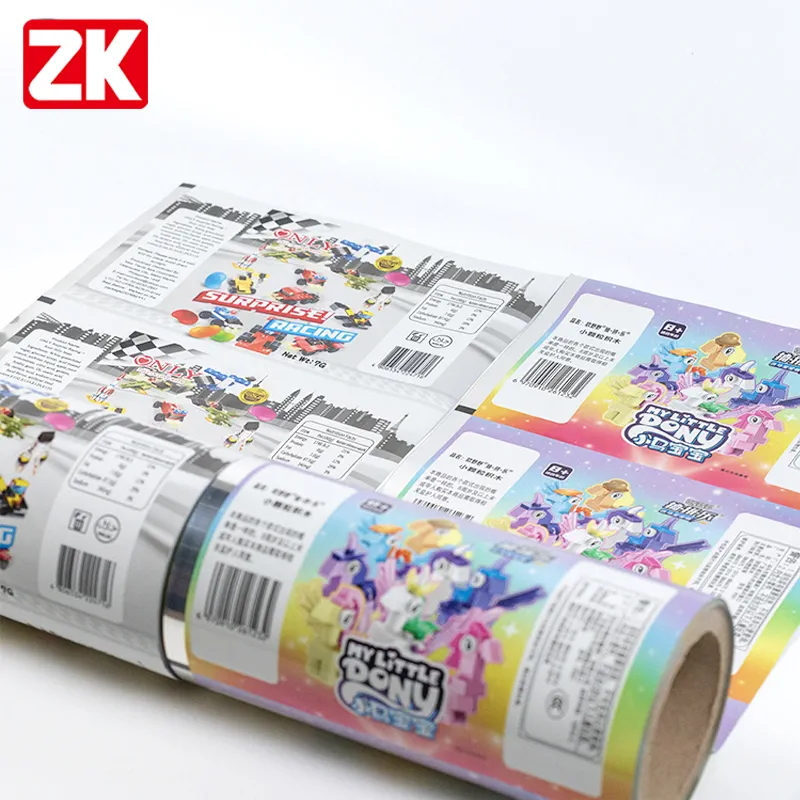
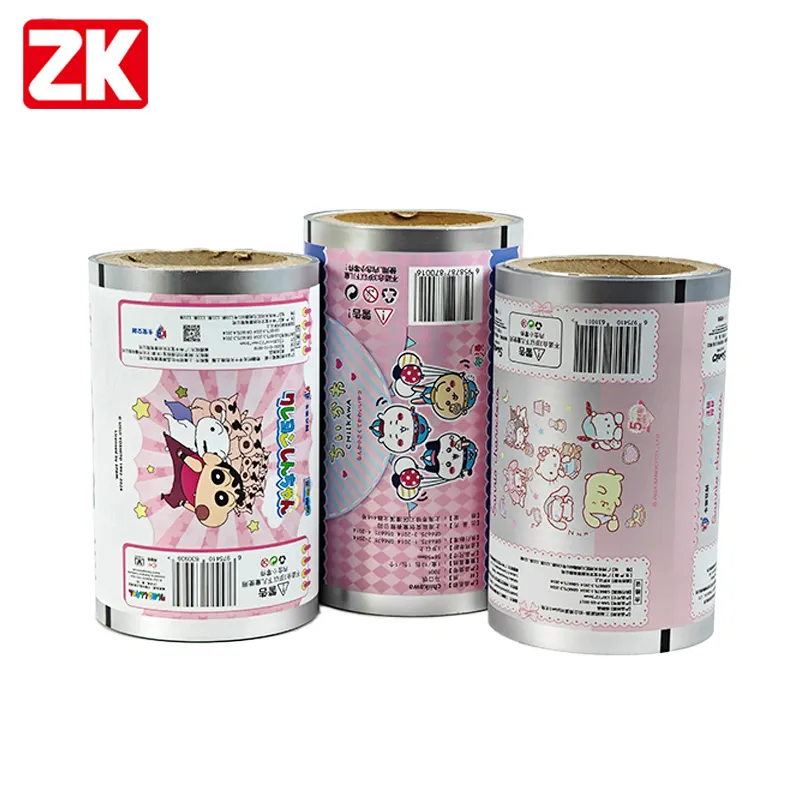
Custom toy packaging film plays a central role in shaping how a product is perceived at first glance. It influences whether a toy is noticed on a crowded shelf, whether it feels trustworthy to parents, and whether it is remembered after the purchase.
Unlike industrial packaging, toy packaging operates in a dual-audience environment:
- children respond to color, characters, and visual stimulation
- parents evaluate safety cues, quality signals, and brand credibility
This dual requirement forces packaging to perform both marketing and functional roles simultaneously.
In modern retail environments, shelf competition has intensified. Even strong toy products fail when packaging does not communicate value instantly. As a result, packaging design is now tightly integrated with branding strategy, especially for OEM toy manufacturers and private-label brands working with a custom toy packaging manufacturer.
Why Shelf Appeal Matters in the Toy Industry
Toys Compete Visually Before Functionally
Unlike electronics or household goods, toys are often chosen based on emotional response rather than technical specification.
On retail shelves:
- children are drawn to color intensity and character design
- parents scan for perceived safety and quality cues
- impulse buying behavior is highly common
This means packaging must capture attention immediately or lose the sale entirely.
A weak visual presence means the product is effectively invisible, regardless of internal quality.
Packaging Influences Parent Trust
Parents are the final decision-makers in most toy purchases. Packaging directly affects trust formation.
High-quality custom toy packaging film communicates:
- product safety
- manufacturing professionalism
- regulatory compliance
- brand reliability
Conversely, low-quality packaging can create perceived risk even when the product itself is safe.
This perception gap is often underestimated by manufacturers focusing only on cost or product design.
Shelf Differentiation in Crowded Retail Spaces
Retail toy sections are visually saturated. Many products share similar:
- price ranges
- functions
- target age groups
Without strong packaging differentiation, products blend into visual noise.
Packaging becomes the primary differentiator through:
- color contrast
- structural design
- graphic hierarchy
- material finish
This is where professional custom packaging film for toys becomes a competitive advantage rather than a cost item.
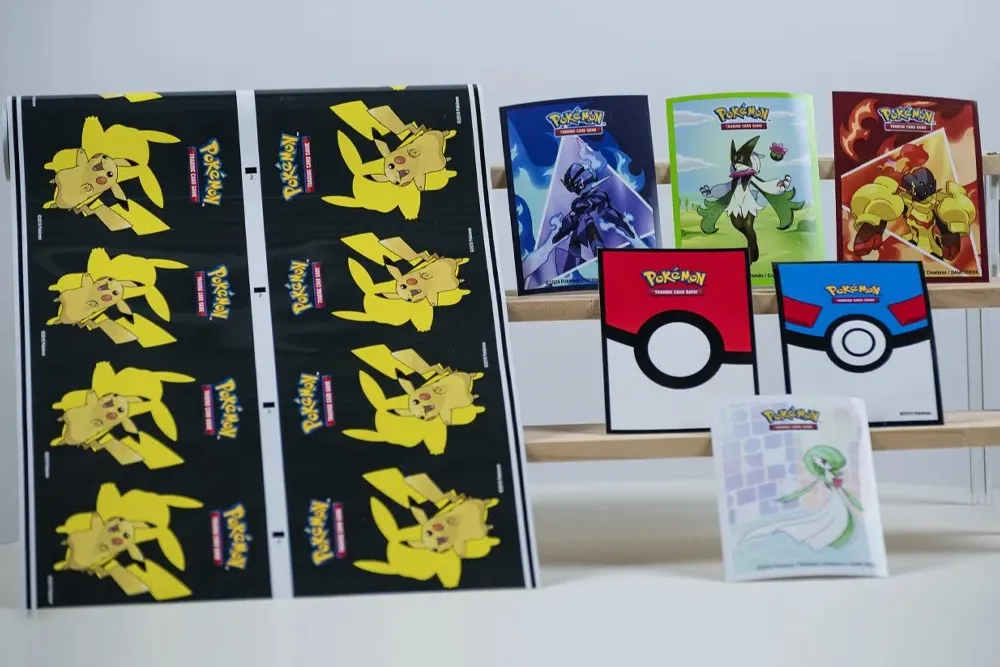
How Custom Toy Packaging Film Improves Visual Impact
High-Quality Printing and Color Reproduction
Printing quality directly determines shelf visibility.
Advanced printing systems used in custom toy packaging film production allow:
- high-resolution character reproduction
- consistent brand color accuracy
- sharp visual contrast in crowded environments
Color consistency is especially important for licensed toy products where brand identity must remain uniform across global markets.
Poor color reproduction reduces perceived quality even if the toy itself is high-end.
Matte, Glossy, and Special Finish Effects
Surface finishing significantly changes consumer perception.
- Glossy film enhances brightness and shelf reflection, improving visibility from a distance
- Matte film communicates premium positioning and educational value
- Soft-touch finishes add tactile quality that reinforces product value
These finishing options allow a custom toy packaging supplier to align packaging design with specific market positioning strategies.
Shape and Structural Customization
Beyond graphics, structure plays a major role in shelf appeal.
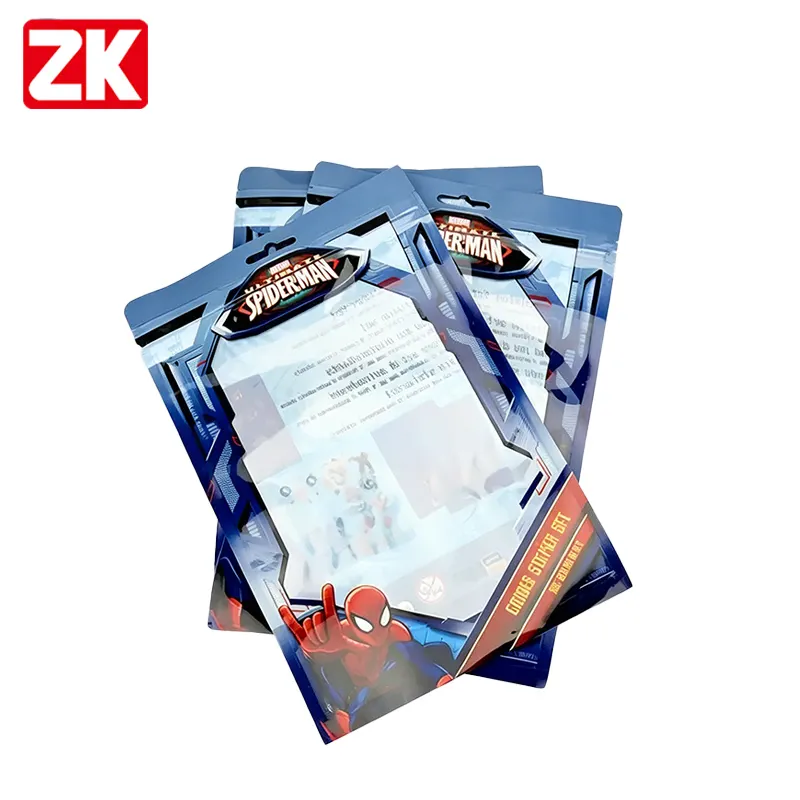
Custom shapes such as:
- hangable pouches
- irregular die-cut packaging
- stand-up film structures
improve shelf differentiation significantly.
Structural uniqueness helps products stand out even when visual themes are similar. This is a key advantage provided by a custom toy packaging manufacturer with OEM capability.
Transparent Windows and Product Visibility
Many toy products benefit from partial visibility.
Transparent or windowed packaging:
- reduces purchase uncertainty
- increases emotional connection
- allows product features to be visually assessed
For toys with strong physical design elements, visibility can be more persuasive than graphics.
However, balancing exposure and branding space requires careful structural design.
Packaging Film and Brand Recognition
Consistent Packaging Creates Brand Memory
Brand recognition is built through repetition.
When packaging maintains consistency:
- color schemes
- typography
- character usage
- layout structure
Consumers begin to recognize the brand without reading text.
This is especially important for toy brands with multiple product lines.
Color Psychology and Toy Branding
Color is a core psychological trigger in toy marketing.
- Bright primary colors increase attention for younger children
- Soft pastel tones signal educational or developmental toys
- Darker or minimalist designs suggest premium or collectible products
Custom toy packaging film allows brands to apply color psychology across product categories systematically.
Packaging as Brand Communication
Packaging is no longer just decorative. It communicates:
- product category
- brand values
- usage context
- educational positioning
For example, educational toy brands often use cleaner layouts and softer visuals to communicate learning-focused positioning rather than entertainment-only value.
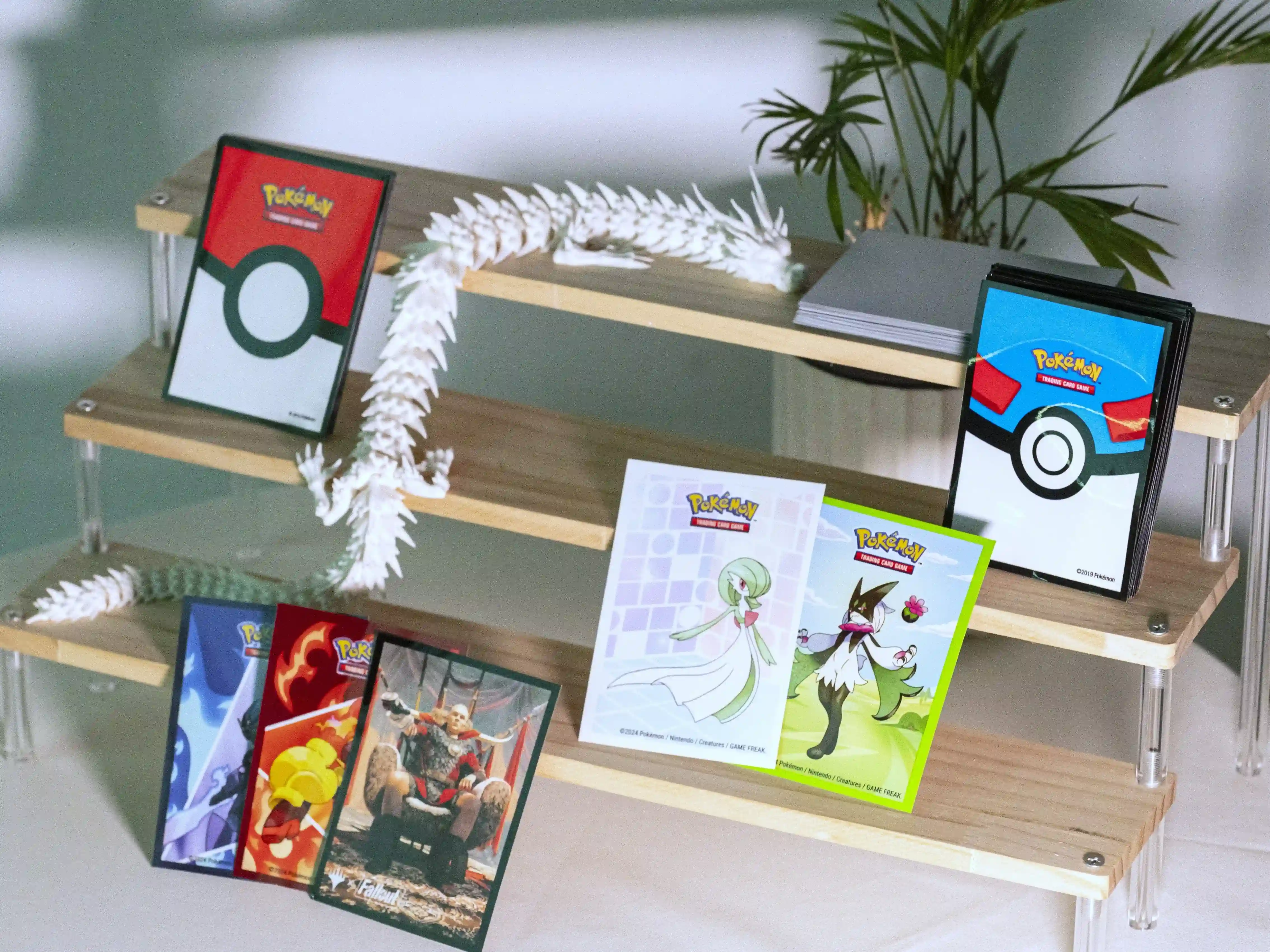
Material Selection Also Affects Brand Perception
Glossy vs Matte Packaging Film
Material finish directly influences perceived value:
- Glossy films feel more commercial and energetic
- Matte films feel more premium and controlled
The wrong selection can misalign product positioning with consumer expectations.
Eco-Friendly Packaging Trends in Toys
Sustainability is becoming increasingly important in toy packaging.
Brands are shifting toward:
- recyclable films
- lower-VOC printing systems
- reduced plastic content designs
These changes improve brand perception among environmentally conscious parents.
Durability and Packaging Integrity
Packaging damage during transport or shelf display directly reduces perceived product quality.
Key performance requirements include:
- scratch resistance
- tear resistance
- puncture strength
- sealing durability
Even high-quality toys lose market value if packaging appears damaged or unstable.
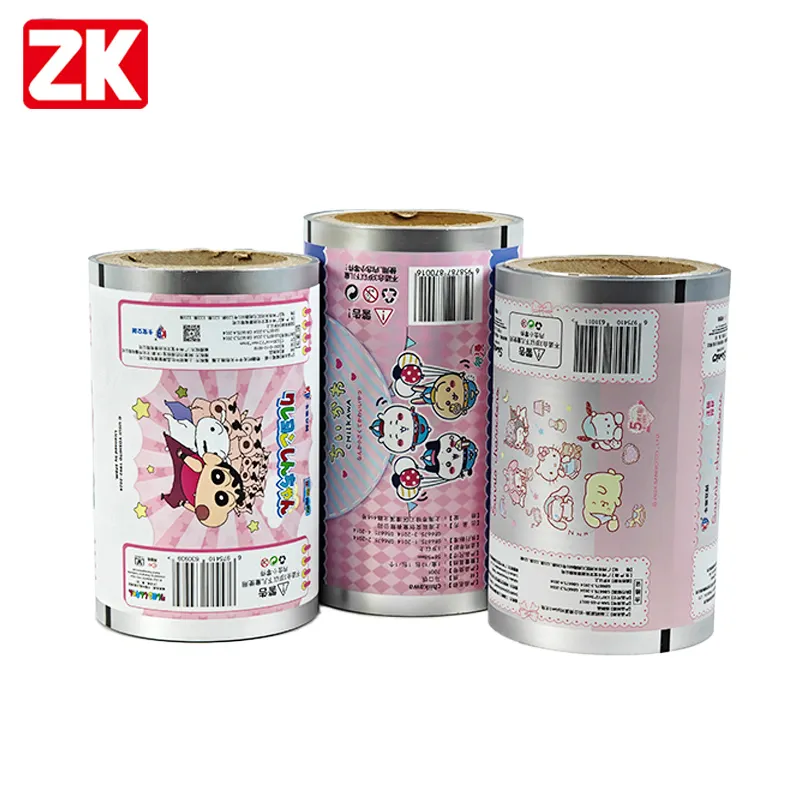
Printing Technology Trends in Toy Packaging Film
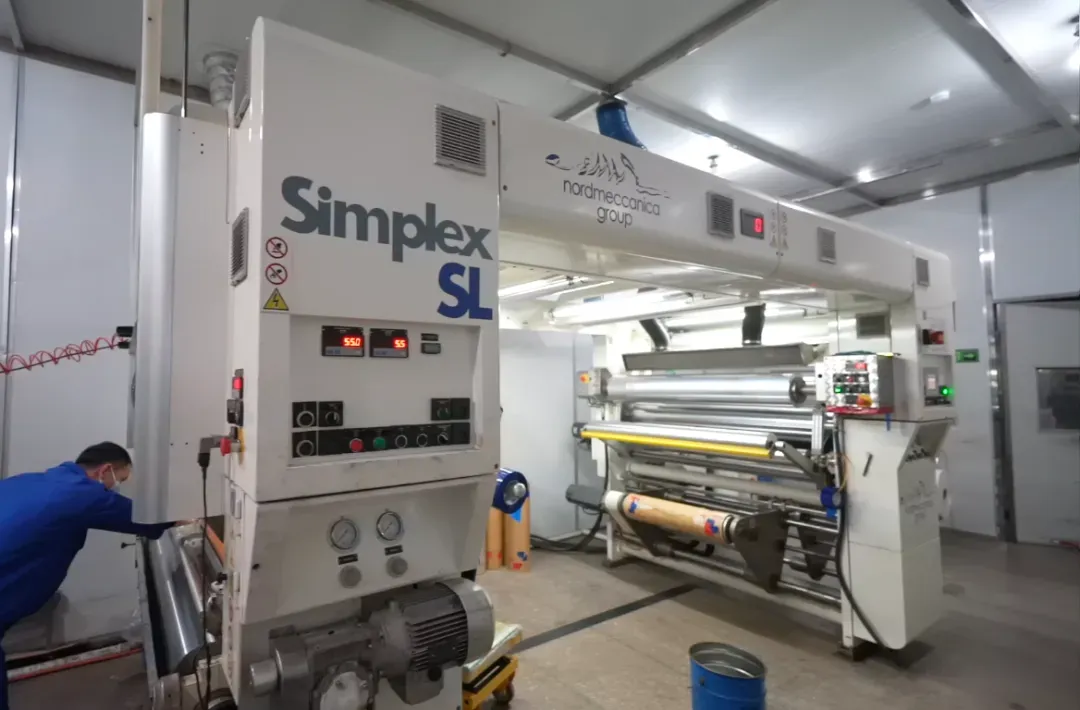
HD Gravure and Flexographic Printing
High-definition printing enables:
- precise detail reproduction
- stable mass production output
- consistent branding across batches
This is essential for global toy brands managing multi-market distribution.
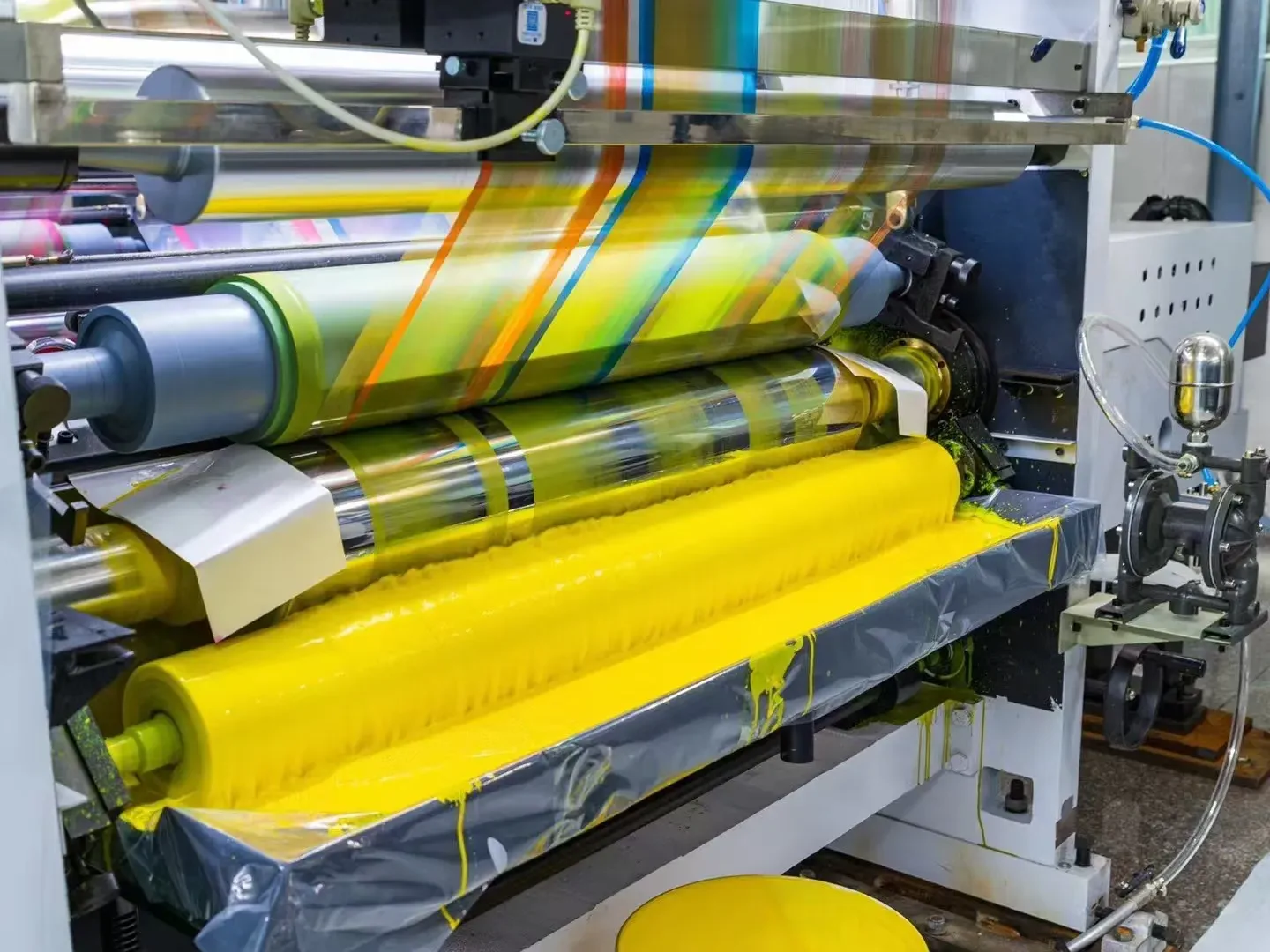
Water-Based Ink Printing
The adoption of water-based ink printing systems is increasing due to:
- lower VOC emissions
- improved environmental compliance
- safer perception for children’s products
This is particularly relevant for brands targeting Europe and North America, where sustainability regulations are tightening.
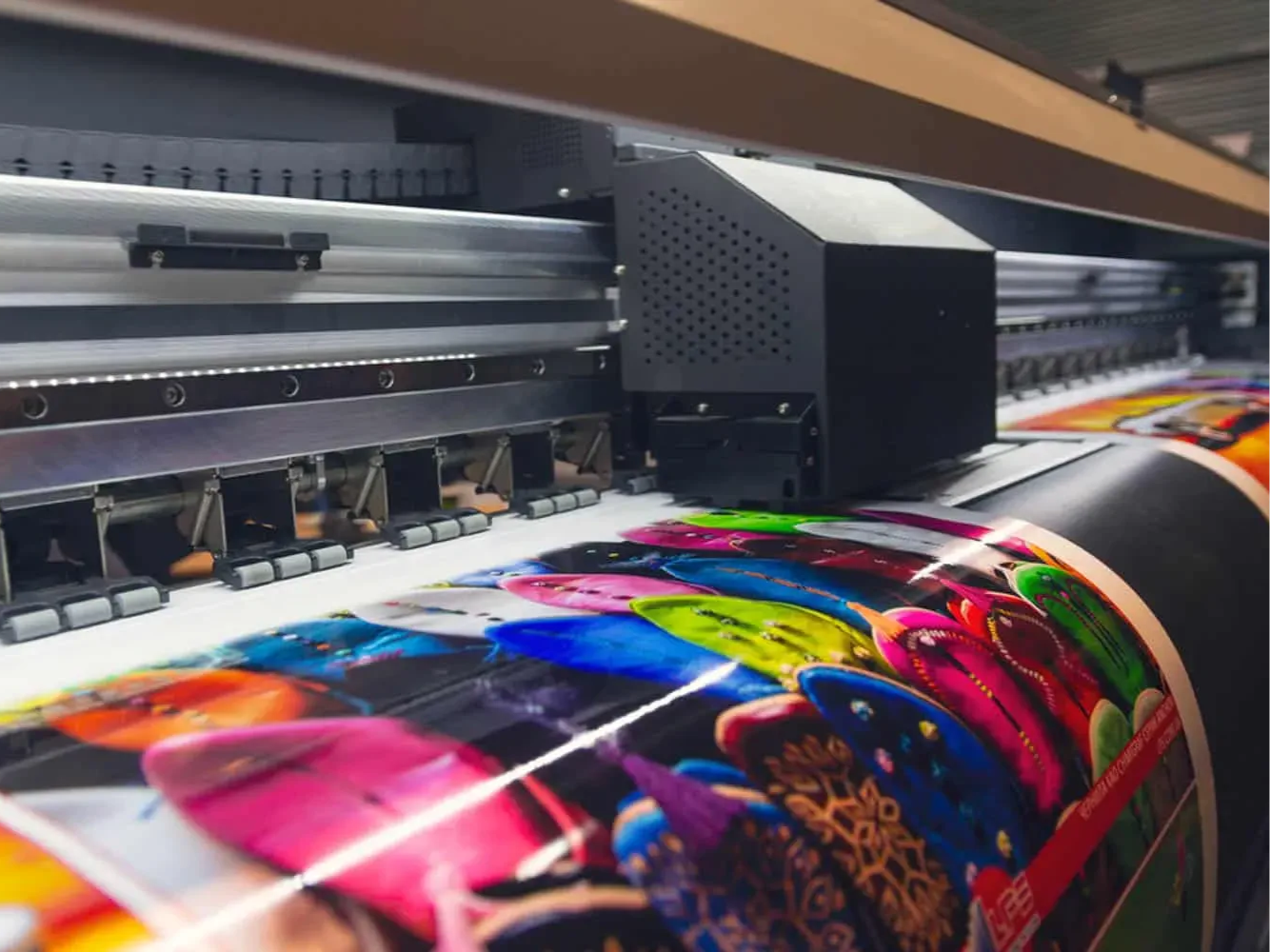
Digital Printing for Short-Run Customization
Digital printing enables:
- seasonal packaging variations
- limited edition toy series
- promotional campaigns
This flexibility helps brands respond quickly to market trends without large inventory risks.
Challenges in Custom Toy Packaging Production
Maintaining Color Consistency at Scale
One of the most common manufacturing challenges is maintaining identical color output across:
- different production batches
- multiple factories
- long production cycles
Without strict control systems, brand identity becomes inconsistent.
Balancing Visual Design and Production Efficiency
Complex packaging designs often require:
- additional production steps
- slower manufacturing speeds
- higher defect risk
Manufacturers must balance creativity with industrial scalability.
Cost vs Premium Packaging Expectations
Toy brands often face tension between:
- cost efficiency requirements
- premium visual expectations
The challenge is achieving high shelf appeal without significantly increasing unit cost.
Compliance and Child-Safe Material Standards
Toy packaging must comply with strict safety standards:
- low migration inks
- non-toxic materials
- regulatory certification requirements
This makes supplier selection more critical than in many other industries.
What Brands Should Look for in a Toy Packaging Manufacturer
OEM/ODM Customization Capability
A capable custom packaging manufacturer should offer:
- structure design support
- printing optimization
- material selection guidance
- branding adaptation
OEM capability directly determines how well packaging supports brand strategy.
Quality Control and Testing
Key testing processes include:
- abrasion resistance testing
- sealing strength testing
- drop and compression testing
- print durability validation
Strong QC systems reduce retail failure rates.
Bulk Production Stability
A reliable wholesale toy packaging supplier must maintain:
- stable large-volume production
- consistent lead times
- scalable output without quality degradation
This is critical for global distribution networks.
Conclusion: Packaging Film Is a Brand Asset, Not Just Protection
Custom toy packaging film is no longer a passive packaging material. It is a strategic branding tool that directly affects: shelf visibility, consumer trust, brand recognition, and perceived product value
Successful toy brands treat packaging as part of product design, not an afterthought.
The most competitive manufacturers are those capable of integrating: printing precision, material engineering, structural design, and production consistency
In modern retail environments, packaging determines whether a toy is noticed, remembered, and ultimately purchased.
About Zhongjia Printing
As a professional flexible packaging manufacturer, we provide factory-direct supply of high-performance packaging solutions designed for B2B toy brands, OEM manufacturers, and private-label clients. We focus on combining visual impact with structural reliability, ensuring packaging enhances shelf appeal, brand recognition, and consumer trust in competitive retail environments. Our production system supports stable, large-scale output, consistent color reproduction, and strict quality control.
We offer full toy packaging film customization services, including structure design, printing precision, and eco-friendly material options. As a trusted wholesale toy packaging supplier, we help brands achieve reliable performance and strong market differentiation through scalable, consistent manufacturing support.
FAQ
Why is packaging important for toy products?
Because it directly influences shelf visibility, brand perception, and purchase decisions in both children and parents.
What is the best material for toy packaging film?
It depends on positioning, but commonly used materials include PET, PE, and laminated structures for durability and print quality.
How does custom packaging improve brand recognition?
Consistent colors, graphics, and design structures help consumers instantly identify the brand across different products.
What printing methods are used in toy packaging film?
Common methods include gravure printing, flexographic printing, and digital printing for short runs.
Is eco-friendly toy packaging becoming more common?
Yes, brands are increasingly adopting recyclable materials and water-based ink systems due to regulatory and consumer pressure.
