



Toy packaging is no longer evaluated only on protection and cost. It is increasingly judged on compliance and brand responsibility. In global markets, packaging has become part of the product decision itself, especially for children’s goods, where trust is the primary purchase driver.
Eco-friendly toy packaging film is emerging as a standard requirement rather than a niche upgrade. Retailers, regulators, and consumers are all pushing toward recyclable, biodegradable, and lower-impact materials.
As an expert flexible packaging manufacuter, Zhongjia Packaging concluded that for toy brands, this shift changes the role of packaging from a passive protective layer to an active business driver influencing trust, premium positioning, and customer engagement.
What Is Eco-Friendly Toy Packaging Film?
Eco-friendly toy packaging film refers to flexible packaging materials designed to reduce environmental impact while maintaining essential packaging functions such as protection, branding, and logistics performance.
Main Material Types
Recyclable PE Films
The most widely used solution. Designed for existing recycling systems while maintaining strength and cost efficiency.
PLA Biodegradable Films
Derived from renewable resources such as corn starch. Suitable for compostable applications but limited in heat resistance.
PCR (Post-Consumer Recycled) Films
Made from recycled plastic waste. Supports circular economy strategies and is increasingly required in EU markets.
Paper-Laminated Eco Films
Hybrid structures combining paper and film layers. Used for premium positioning and visual differentiation.
These material systems are not interchangeable; each serves different performance and compliance requirements.
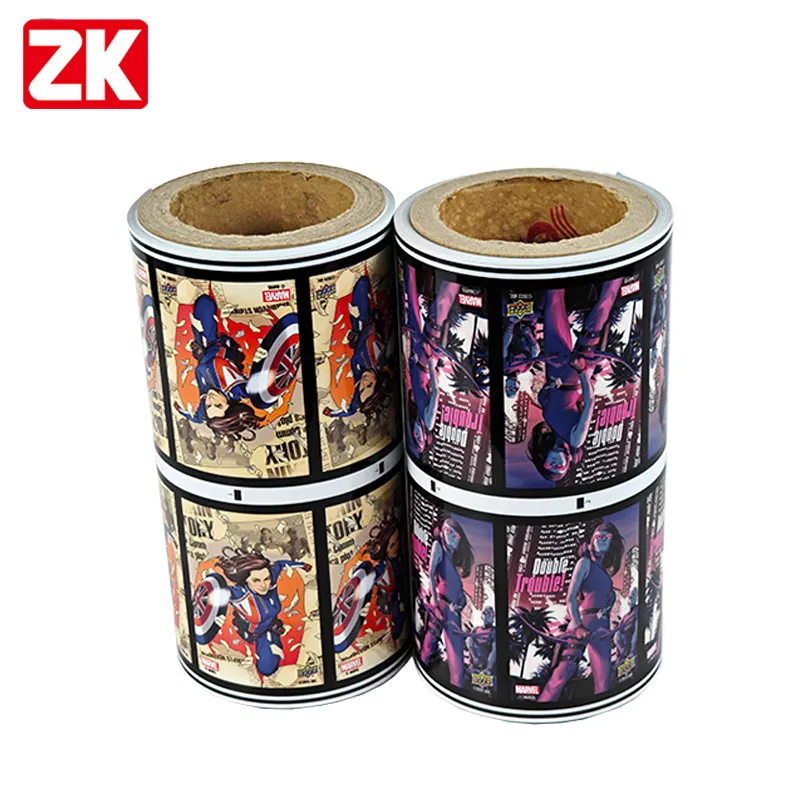
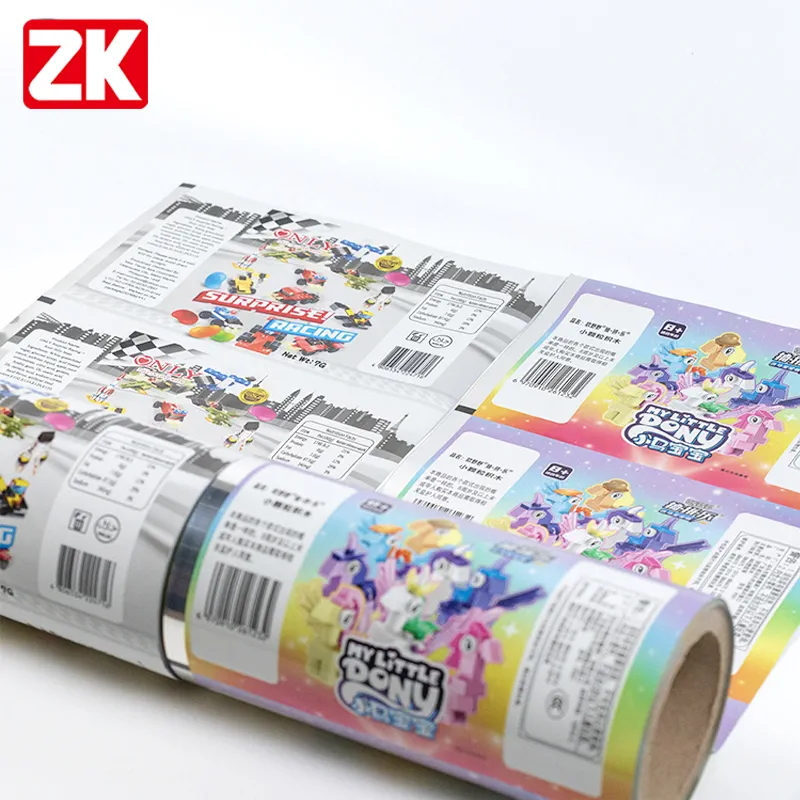
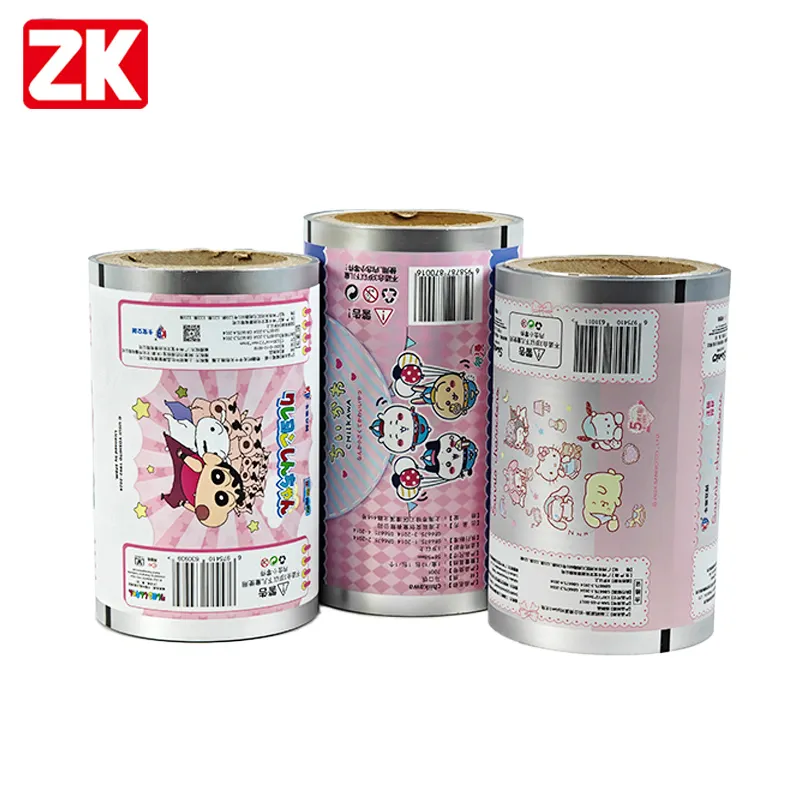
Why Toy Brands Are Switching to Eco-Friendly Packaging
The shift toward sustainable packaging is driven by structural market forces rather than marketing trends.
Regulatory and Compliance Pressure
Global regulations are tightening around plastic use and packaging waste:
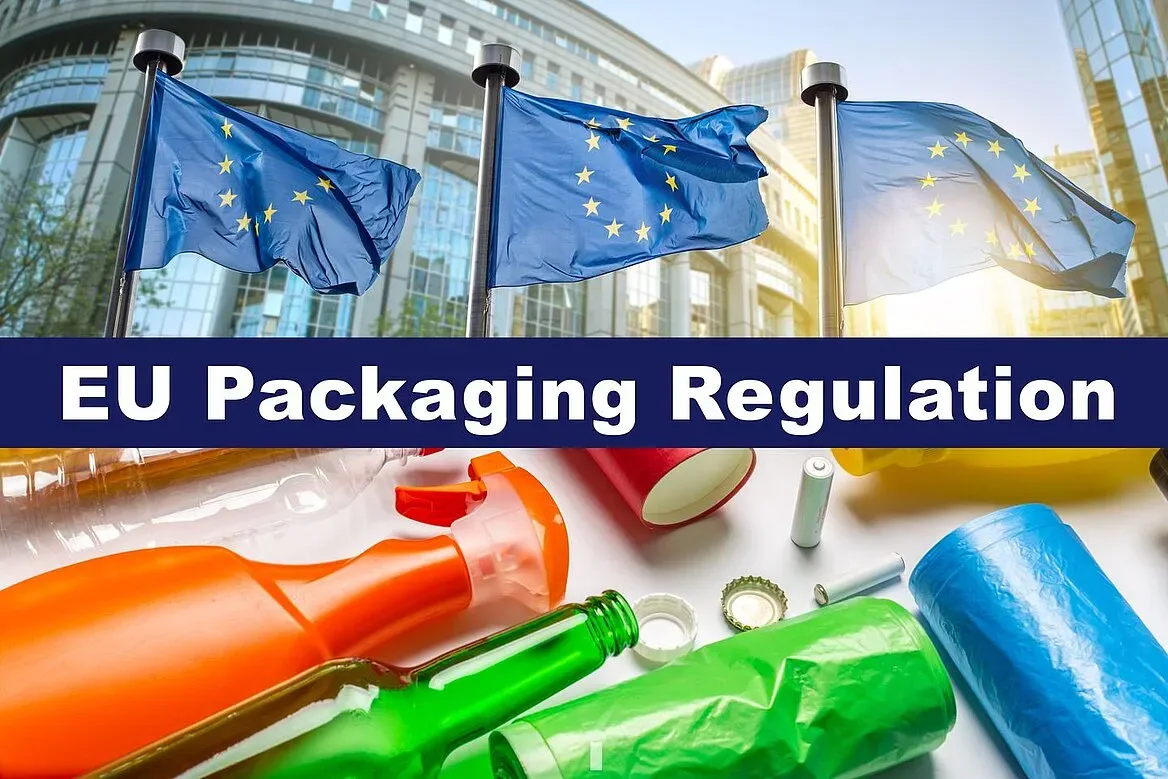
- EU packaging waste directives require reduction and recyclability targets
- US states are introducing plastic restrictions and labeling rules
- Import regulations increasingly require sustainability documentation
For toy exporters, non-compliance is not a cost issue—it is a market access barrier.
Retail Entry Requirements
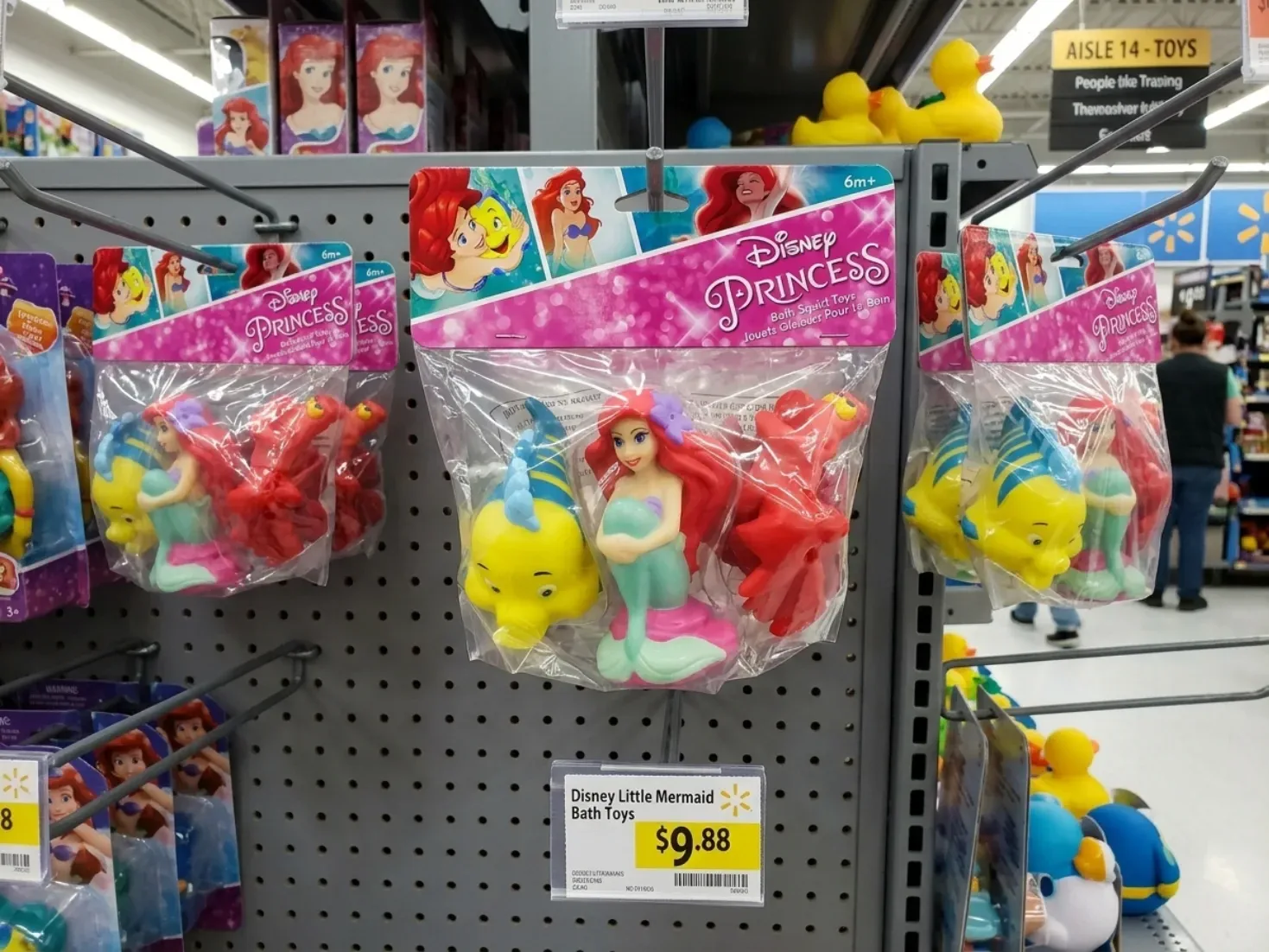
Large retailers now enforce packaging sustainability standards as part of supplier qualification.
Platforms such as Walmart and Amazon prioritize:
- recyclable packaging formats
- reduced plastic usage
- certified material sourcing
Failure to meet these standards can result in delisting or rejection at onboarding.
Parental Trust and Safety Perception
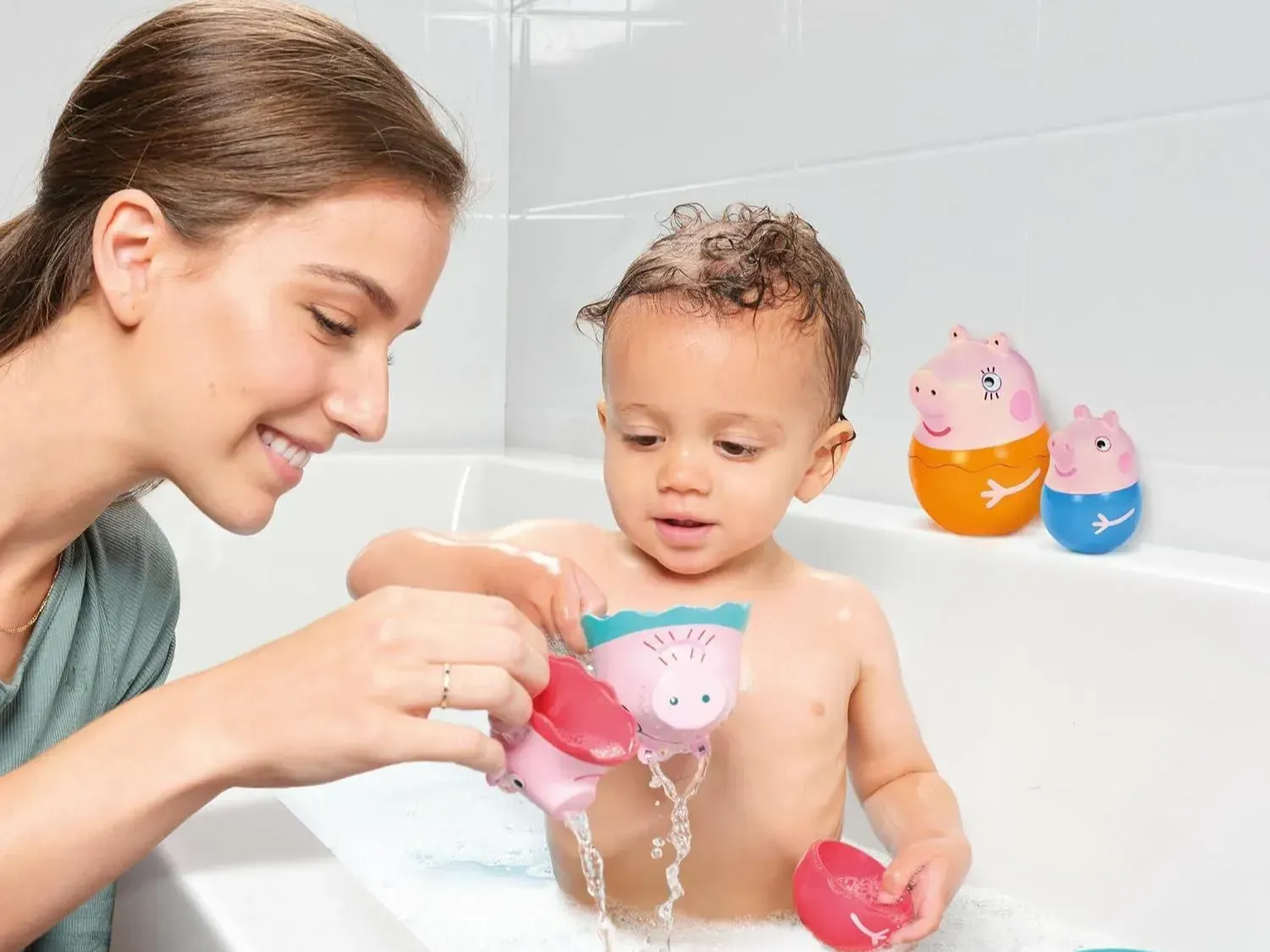
Toy products are high-trust consumer goods. Parents evaluate not only the toy itself but also the packaging.
Eco-friendly packaging signals:
- safer material usage
- responsible manufacturing
- reduced chemical exposure risk
Even when performance differences are minimal, perception directly affects purchase decisions.
Performance Requirements of Eco-Friendly Toy Packaging Film
Sustainability alone is not sufficient. Toy packaging must still perform under real-world conditions.
Protection and Durability
Toy packaging must withstand:
- long-distance shipping
- stacking pressure in retail environments
- handling during distribution
Eco materials must maintain structural integrity without tearing or deformation.
Printing and Visual Branding
Packaging is a primary branding surface for toy products.
Requirements include:
- high-resolution printing for character-based branding
- stable color reproduction across batches
- resistance to abrasion during transport
Poor print quality directly reduces shelf appeal.
Safety Standards
Because toys target children, packaging safety requirements are strict:
- non-toxic material composition
- low-migration ink systems
- compliance with food-grade or child-safe standards where applicable
Safety compliance is not optional in regulated markets.
Barrier Performance Trade-offs
Eco-friendly films often involve performance balancing:
- moisture resistance vs recyclability
- oxygen barrier vs biodegradability
- durability vs material simplicity
Manufacturers must engineer structures that maintain acceptable protection while meeting sustainability targets.
Key Types of Eco-Friendly Packaging Films for Toys
Recyclable PE Films
The most commercially viable solution today.
Offers:
- strong mechanical performance
- low production cost
- compatibility with existing packaging lines
Widely used for mass-market toy packaging.
PLA Biodegradable Films
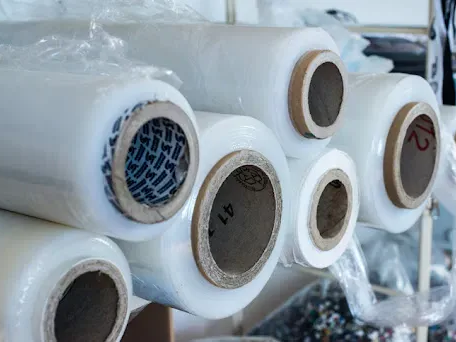
A renewable material option with compostable characteristics.
Advantages:
- renewable sourcing
- reduced carbon footprint
Limitations:
- lower heat resistance
- limited industrial composting infrastructure
PCR Recycled Films
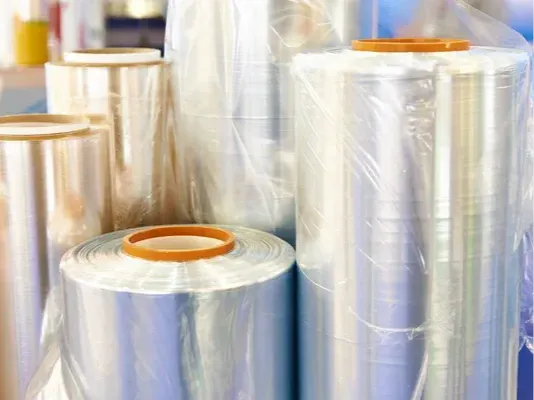
PCR materials support circular economy models.
Advantages:
- reduced virgin plastic consumption
- strong regulatory alignment in EU markets
Challenge:
- Quality consistency depends on recycling stream control
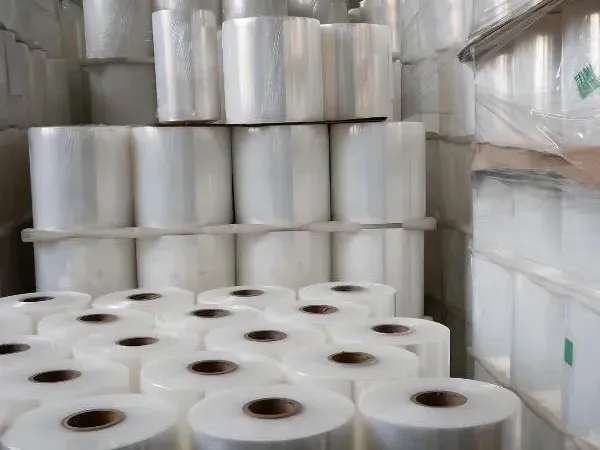
Technical Challenges in Eco-Friendly Toy Packaging
Cost Pressure Compared to Conventional Plastics
Sustainable materials often involve:
- higher raw material cost
- more complex production processes
- lower economies of scale in certain regions
This creates pricing pressure for mass-market toy brands.
Processing and Manufacturing Constraints
Eco materials require adjusted production conditions:
- heat sealing temperature sensitivity
- printing ink compatibility
- lamination stability
Without proper process control, defect rates increase significantly.
Performance Trade-offs
Not all sustainability targets align with performance requirements:
- stronger biodegradability often reduces durability
- recyclable structures may limit barrier performance
Engineering balance is required for commercial viability.
How Manufacturers Solve These Technical Challenges
6.1 Material Engineering Optimization
Manufacturers use multilayer structures to balance performance:
- combining recyclable outer layers with functional barrier layers
- optimizing thickness for strength vs sustainability
This ensures functional packaging without excessive material use.
OEM/ODM Custom Packaging Development
Different toy categories require different packaging logic:
- educational toys require clarity and safety emphasis
- plush toys require moisture protection and softness compatibility
- electronic toys require anti-static and protective structures
A custom toy packaging film manufacturer develops packaging based on product use cases rather than standard templates.
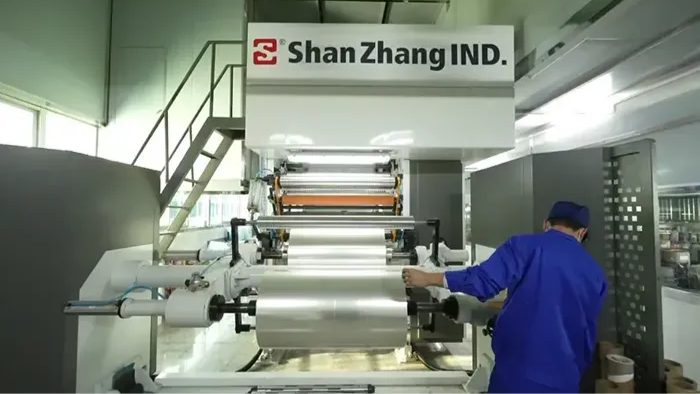
Printing and Ink Innovation
Sustainable packaging is increasingly used:
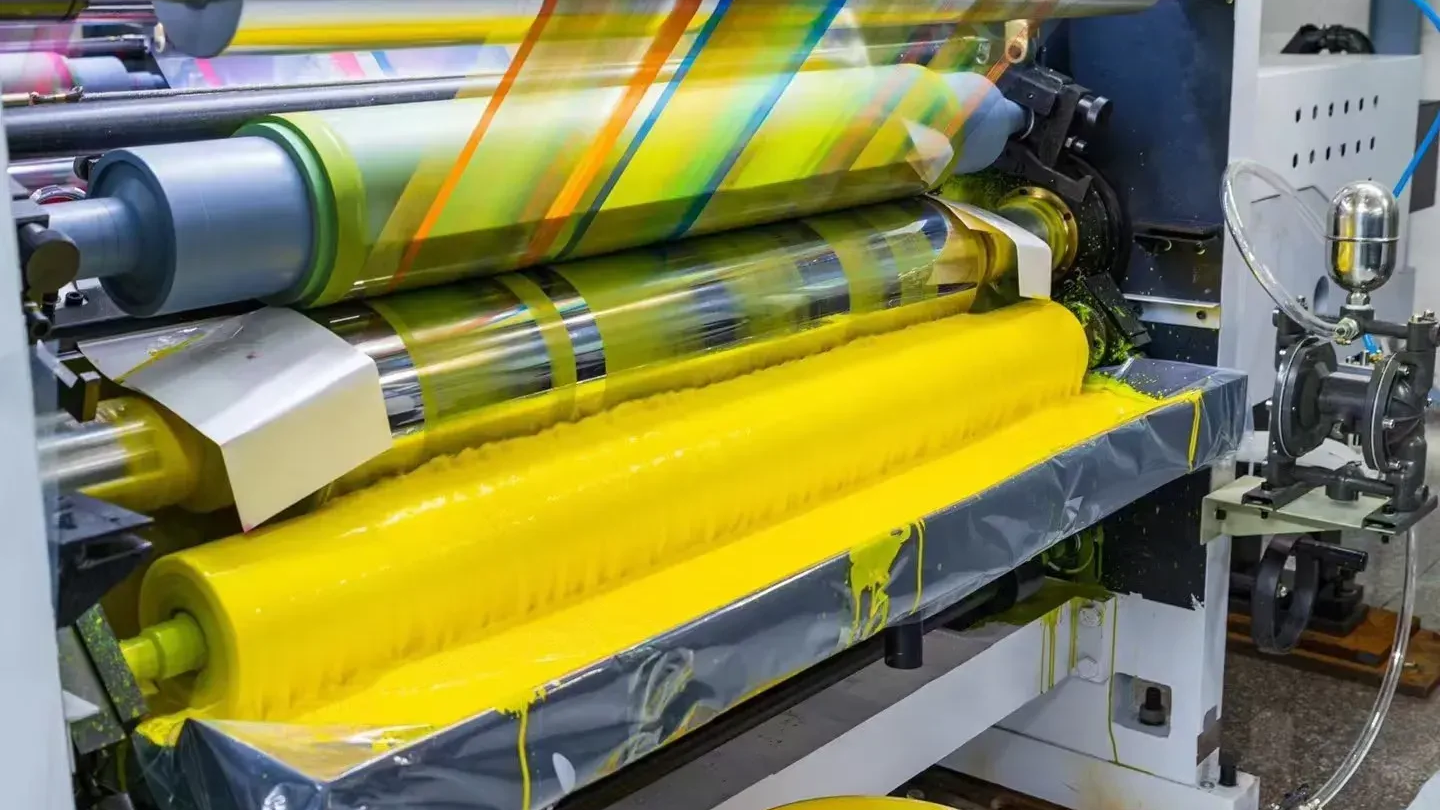
- water-based ink systems
- low-VOC formulations
- safer pigment systems for child-oriented products
This improves both environmental compliance and consumer perception.
Quality Control and Compliance Systems
Reliable production requires testing at multiple levels:
- tensile strength testing
- sealing integrity testing
- migration safety verification
- certification alignment (FDA, ISO, etc.)
Without this system, sustainability claims cannot be validated in export markets.
Why Supplier Capability Determines Brand Success
Beyond Materials: System-Level Manufacturing
Eco-friendly packaging is not just about material selection. It depends on:
- process control
- production stability
- engineering capability
Marketing claims without manufacturing capability are not sustainable.
OEM + Bulk Supply Integration
Toy brands often evolve from small batches to large-scale distribution.
A capable wholesale packaging film supplier must support:
- prototype development
- scale-up production
- multi-SKU consistency
Without this integration, supply chains break during growth stages.
Export and Compliance Experience
Global toy brands require packaging that meets:
- EU environmental standards
- US safety and labeling regulations
- retailer-specific compliance requirements
Manufacturers with export experience reduce regulatory risk significantly.
Conclusion: Sustainable Packaging Is a Brand Growth Infrastructure
Eco-friendly toy packaging film is no longer a niche sustainability option. It is a structural requirement shaping how toy brands enter markets, build trust, and position themselves globally.
Its impact is not limited to environmental compliance. It directly influences:
- consumer trust at the point of purchase
- premium brand perception
- engagement through educational and sustainability messaging
- long-term brand equity development
In this context, packaging becomes part of the brand system itself—not a cost center, but a communication and trust-building infrastructure.
Toy brands that treat sustainable packaging as a strategic asset, rather than a compliance burden, gain a measurable advantage in global markets.
About Zhongjia Packaging
As an expert flexible packaging manufacturer, Zhongjia Packaging provides factory-direct eco-friendly toy packaging solutions for global B2B clients. We offer a full range of recyclable and sustainable packaging films, with water-based ink printing technology for safer and lower-impact production.
With stable product quality, strict process control, and reliable bulk supply capability, we support OEM/ODM toy packaging film customization for toy brands, distributors, and wholesalers. From material selection to custom printing and packaging development, we help clients build compliant, durable, and market-ready toy packaging solutions efficiently.
