



For coffee brands, roasters, and distributors, packaging is more than just appearance—it directly affects coffee freshness, aroma retention, shelf life, and customer satisfaction. A poorly sealed coffee bag can quickly lead to oxidation, moisture exposure, and flavor loss. That’s why choosing the right sealing method and high-quality coffee packaging is essential for maintaining product quality and strengthening your brand image.
As a professional flexible packaging manufacturer, Zhongjia Packaging provides customized coffee packaging solutions for global B2B customers. In this guide, Zhongjia Packaging will explain how to properly seal coffee bags, common sealing methods, and how to choose the right coffee packaging for your business.
Why Properly Sealing Coffee Bags Matters
Coffee beans naturally release carbon dioxide after roasting while also being highly sensitive to oxygen, moisture, and light exposure. Improper sealing may cause:
- Loss of coffee aroma and flavor
- Reduced shelf life
- Moisture contamination
- Poor customer experience
- Damaged brand reputation
Proper coffee bag sealing helps preserve freshness, maintain aroma, and improve the professional appearance of your packaging. High-barrier packaging materials and reliable sealing technology are especially important for specialty coffee brands and wholesale coffee suppliers.
Common Methods for Sealing Coffee Bags
Different coffee businesses use different sealing methods depending on packaging style, production scale, and storage requirements.
1. Heat Sealing (Most Recommended)
Heat sealing is the most widely used and effective sealing method in commercial coffee packaging. It creates an airtight seal that helps prevent oxygen and moisture from entering the bag.
How Heat Sealing Works
- Fill the coffee bag with roasted beans or ground coffee
- Remove excess air if needed
- Place the bag opening into the heat sealing machine
- Apply heat and pressure for several seconds
- Allow the seal to cool properly
For most coffee packaging materials, the sealing temperature usually ranges between 160°C–200°C depending on the material structure.
Advantages of Heat Sealing
- Excellent airtight performance
- Strong seal integrity
- Suitable for mass production
- Ideal for high-barrier laminated coffee bags
- Helps extend shelf life
Heat sealing is highly recommended for:
- Flat bottom coffee bags
- Stand-up coffee pouches
- Side gusset coffee bags
- Aluminum foil coffee bags
2. Zipper Sealing
Many modern coffee bags include resealable zipper closures for convenience and repeated use.
Benefits of Zipper Coffee Bags
- Easy opening and closing
- Improves customer convenience
- Helps maintain freshness after opening
- Suitable for retail coffee packaging
However, zipper seals alone may not provide complete airtight protection for long-term storage. Many coffee brands combine zipper closures with heat sealing for better protection.
3. Tin Tie Closure
Tin tie coffee bags are popular among small coffee shops and artisan roasters.
Advantages
- Consumer-friendly
- Easy resealing
- Attractive for retail display
Limitations
- Not completely airtight
- Better suited for short-term storage
- Often combined with inner heat sealing for better freshness protection
4. Clips and Temporary Sealing Methods
For temporary storage or household use, sealing clips or stickers are simple solutions.
Common Options
- Plastic sealing clips
- Folding and clipping
- Tape sealing
Although inexpensive and convenient, these methods do not provide the same freshness protection as heat-sealed coffee packaging.
Why One-Way Degassing Valves Are Important
Freshly roasted coffee beans continue releasing carbon dioxide after packaging. Without a proper outlet, gas buildup may cause coffee bags to expand or burst.
This is why many premium coffee bags use one-way degassing valves.
Functions of Degassing Valves
- Release excess CO₂
- Prevent oxygen from entering
- Preserve aroma and freshness
- Reduce bag swelling during storage and shipping
Coffee bags with valves are widely used in specialty coffee packaging because they improve product stability and shelf life.
Best Materials for Coffee Packaging
Even the best sealing technology cannot perform well if the packaging material is poor quality.
Common Coffee Packaging Materials
Aluminum Foil Laminated Material
Offers excellent oxygen, moisture, and light barrier protection.
Kraft Paper Coffee Bags
Popular for natural and eco-friendly branding while often combined with inner barrier layers.
PET/VMPET/PE Composite Materials
Widely used for premium coffee packaging because of their strong barrier performance and durability.
Important Tips for Proper Coffee Bag Sealing
To ensure reliable sealing quality, coffee brands should pay attention to the following details:
Keep the Bag Opening Clean
Dust, coffee powder, or oil residue near the sealing area may weaken the seal.
Use the Correct Temperature
Different packaging materials require different heat sealing temperatures. Excessive heat can damage the bag structure.
Avoid Damaging the Valve
When cutting or opening coffee bags, avoid cutting near the degassing valve area.
Test Seal Integrity Regularly
Professional coffee packaging manufacturers often perform:
- Pressure testing
- Leak testing
- Vacuum testing
These tests help ensure consistent sealing quality during large-scale production.
Popular Coffee Bag Types for Better Sealing
Different bag styles provide different sealing performance and shelf presentation advantages.
Stand-Up Coffee Pouches
Lightweight, flexible, and ideal for retail display.
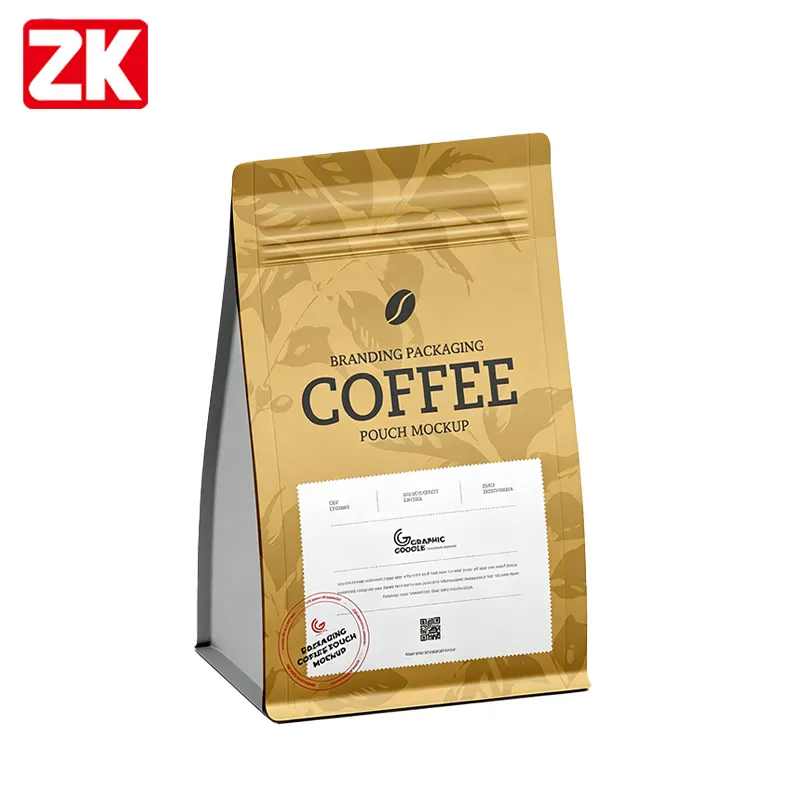
Flat Bottom Coffee Bags
Excellent shelf stability and large printable area for branding.
Side Gusset Coffee Bags
Suitable for wholesale and large-volume coffee packaging.
Quad Seal Coffee Bags
Premium appearance with improved structural strength.
Common Coffee Packaging Problems and Solutions
| Problem | Possible Cause | Solution |
|---|---|---|
| Coffee loses aroma quickly | Poor sealing | Use heat sealing and high-barrier materials |
| Bag inflates after packaging | No degassing valve | Add one-way valve |
| Seal breaks during shipping | Weak sealing temperature | Optimize heat sealing settings |
| Zipper not airtight | Improper zipper closure | Combine zipper with heat sealing |
| Moisture enters bag | Low-quality material | Use laminated barrier films |
Why Choose Zhongjia Packaging for Coffee Packaging Solutions?
As an experienced flexible packaging manufacturer, Zhongjia Packaging provides professional coffee packaging solutions for coffee roasters, distributors, wholesalers, and private-label brands worldwide.
Zhongjia Packaging Advantages
Professional Coffee Packaging Manufacturing
We specialize in producing high-quality coffee packaging bags with excellent sealing performance and freshness protection.
Customized Coffee Packaging Solutions
Zhongjia Packaging supports OEM/ODM services including:
- Custom sizes
- Custom printing
- Matte or glossy finishes
- One-way valves
- Zipper closures
- Flat bottom and stand-up pouch designs
High-Barrier Food-Grade Materials
Our coffee packaging uses food-grade laminated materials designed to block oxygen, moisture, and light effectively.
Advanced Production Equipment
We use modern printing and sealing technology to ensure stable quality and strong sealing performance.
Flexible MOQ and Fast Delivery
Zhongjia Packaging supports both wholesale coffee bag orders and customized bulk production with stable delivery capabilities.
Global B2B Export Experience
We serve international coffee brands and packaging distributors with reliable quality control and professional export services.
Conclusion
Properly sealing coffee bags is one of the most important steps in preserving coffee freshness and improving customer satisfaction. Whether you use heat sealing, zipper closures, or valve coffee bags, selecting the right packaging structure and materials plays a critical role in maintaining coffee quality.
For coffee brands looking for reliable and customized coffee packaging solutions, Zhongjia Packaging offers professional manufacturing capabilities, high-quality coffee bags, and customized flexible packaging services to help your products stand out in the competitive coffee market.
