Flexible packaging MOQ (Minimum Order Quantity) is the smallest production quantity a manufacturer accepts for a specific packaging order. It depends on printing setup, material structure, bag dimensions, production efficiency, and customization requirements.
Упаковка Zhongjia, a производитель гибкой упаковки serving over 40 well-known companies and exporting to more than 20 countries, provides custom packaging solutions using печать чернилами на водной основе to help businesses balance packaging quality, production efficiency, and purchasing costs.
What Is MOQ in Flexible Packaging?
MOQ, or Minimum Order Quantity, is the minimum number of packaging units a manufacturer requires a buyer to order in one production run. For custom printed bags, the flexible packaging MOQ depends on the printing process, material requirements, bag structure, and production setup. It is not a universal industry standard.
Unlike standard stock bags, custom packaging requires specific materials, printing designs, production settings, and converting processes. Manufacturers must prepare these resources before producing the finished bags. Therefore, a minimum order quantity helps ensure that a production run uses equipment and materials efficiently.
For example, a food brand ordering custom stand-up pouches needs to confirm the bag dimensions, film structure, artwork, printing colors, zipper requirements, and order quantity before production begins.

MOQ also differs from the quantity a buyer should ideally purchase. A manufacturer may accept an order at its minimum production threshold, but ordering a larger quantity may reduce the cost per bag by spreading setup and production expenses across more units.
Understanding flexible packaging MOQ helps importers, wholesalers, distributors, and brand owners plan their purchasing budgets before requesting quotations.
Why Do Custom Printed Bags Have a Minimum Order Quantity?
Custom printed bags have an MOQ because manufacturers must cover material procurement, printing preparation, machine setup, and production costs before delivering finished packaging. These costs exist even when customers order relatively small quantities.
Four production considerations explain why manufacturers establish minimum quantities.
1. Printing preparation and setup costs
Custom artwork requires file checking, color preparation, and printing equipment setup. Depending on the printing method, manufacturers may also need printing plates or cylinders. These preparation costs remain relatively fixed regardless of whether the customer orders a small or large quantity.
2. Raw material procurement
Flexible packaging commonly uses laminated film structures made from materials such as PET, PE, BOPP, and aluminum foil. Manufacturers must purchase suitable film materials and arrange the required thickness, width, and combination before production.
Small orders may not use all the purchased material efficiently, especially when a custom material structure is required.
3. Machine setup and production efficiency
Printing, laminating, slitting, and bag-making equipment requires setup time. Producing very small quantities can reduce machine utilization because preparation and changeover activities take up a larger share of the production schedule.
4. Quality control and production waste
Manufacturers need to check printing registration, color consistency, lamination quality, dimensions, and sealing performance. Initial setup and testing may consume materials before production reaches stable conditions.
A reasonable MOQ allows manufacturers to manage these activities while maintaining consistent product quality.
How Is Flexible Packaging MOQ Calculated?
Flexible packaging MOQ is calculated according to the minimum economical production run for a particular material, printing design, bag structure, and manufacturing process. Manufacturers consider both the quantity of usable finished bags and the resources needed to complete the order.
There is no single formula that applies to every custom printed bag. However, buyers can understand the calculation through the following framework.
MOQ planning formula: Minimum order quantity = The greater of the manufacturer’s minimum production requirement and the quantity required by the buyer.
For manufacturers, the minimum production requirement is determined by production constraints and setup costs. For buyers, the required quantity is based on expected sales, inventory coverage, and replenishment schedules.
Consider this illustrative purchasing example:
A snack brand forecasts monthly packaging consumption of 12,000 bags. It wants to maintain approximately two months of inventory and an additional safety stock of 3,000 bags.
Its planned opening order would be:
- Monthly consumption: 12,000 bags
- Planned inventory coverage: 2 months
- Base demand: 12,000 × 2 = 24,000 bags
- Safety stock: 3,000 bags
- Planned order quantity: 27,000 bags
The buyer should then compare this requirement with the manufacturer’s confirmed MOQ and consider production lead time, storage capacity, and packaging shelf-life requirements.
If the manufacturer’s minimum is higher than 27,000 bags, the buyer can discuss alternative specifications, shared production arrangements, or a revised inventory plan.
This approach prevents buyers from treating the factory’s minimum production quantity as an automatic purchasing target.
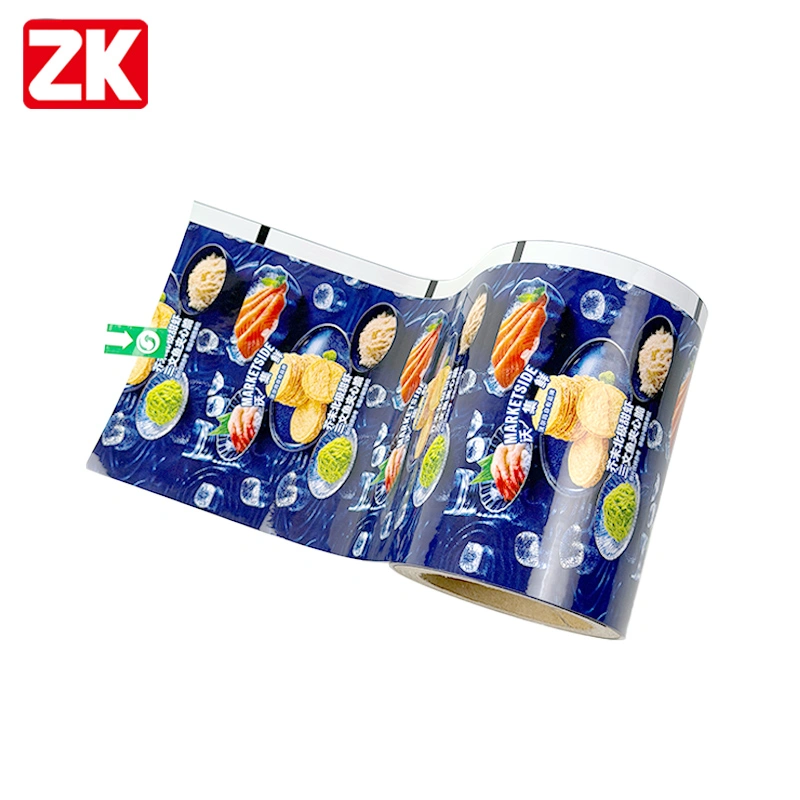

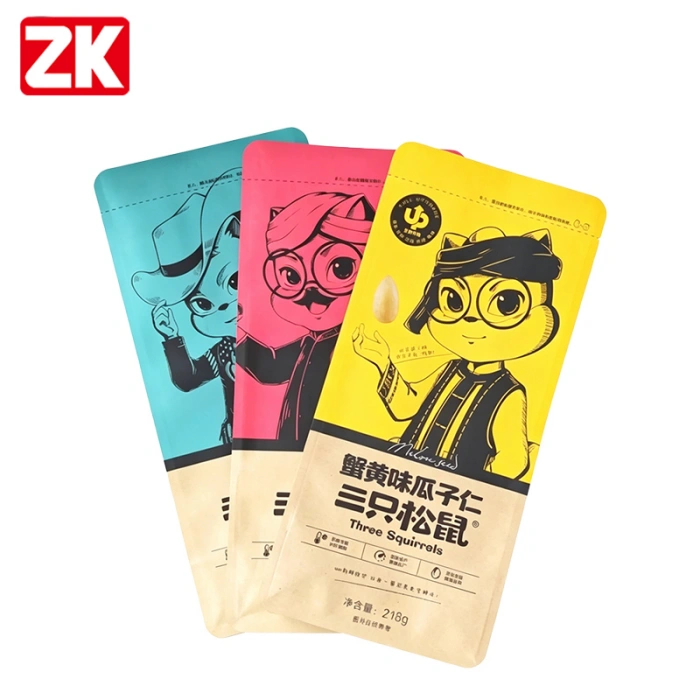
What Factors Affect Custom Printed Bag MOQ?
The flexible packaging MOQ changes according to product specifications and manufacturing requirements. Two bags with similar dimensions can have different minimum quantities because their materials, printing designs, and functional features require different production arrangements.
| Influencing factor | How it affects MOQ | What buyers should consider |
|---|---|---|
| Bag size | Changes material consumption and production layout | Standardize dimensions where possible |
| Структура материала | Custom film combinations may require separate procurement | Select materials based on product protection needs |
| Метод печати | Setup requirements and production economics vary | Compare printing options before finalizing artwork |
| Number of colors | May affect printing preparation and process complexity | Simplify unnecessary design elements |
| Bag structure | Different pouch types require different converting operations | Choose a structure suited to product use |
| Special features | Zippers, spouts, and valves add components and processing steps | Include only necessary functions |
| Number of SKUs | Separate designs may require additional setup and scheduling | Consolidate compatible specifications |
Bag dimensions and material structure
Bag size directly affects the amount of film required for each finished unit. Larger bags generally consume more material, while different barrier requirements may require different laminated structures.
Например, упаковка для снеков may use a flexible laminate designed for moisture and oxygen protection, while liquid packaging may require a structure and seal performance suitable for containing liquids.
Printing method and artwork
Gravure, flexographic, and digital printing have different setup requirements and cost structures. Custom color requirements, artwork changes, and the number of designs can also affect production planning.
Pouch structure and functional features
Пакеты с вертикальной дном, flat-bottom bags, spouted pouches, and zipper bags involve different converting operations. Adding a zipper, spout, or other functional component may require additional equipment and production controls.

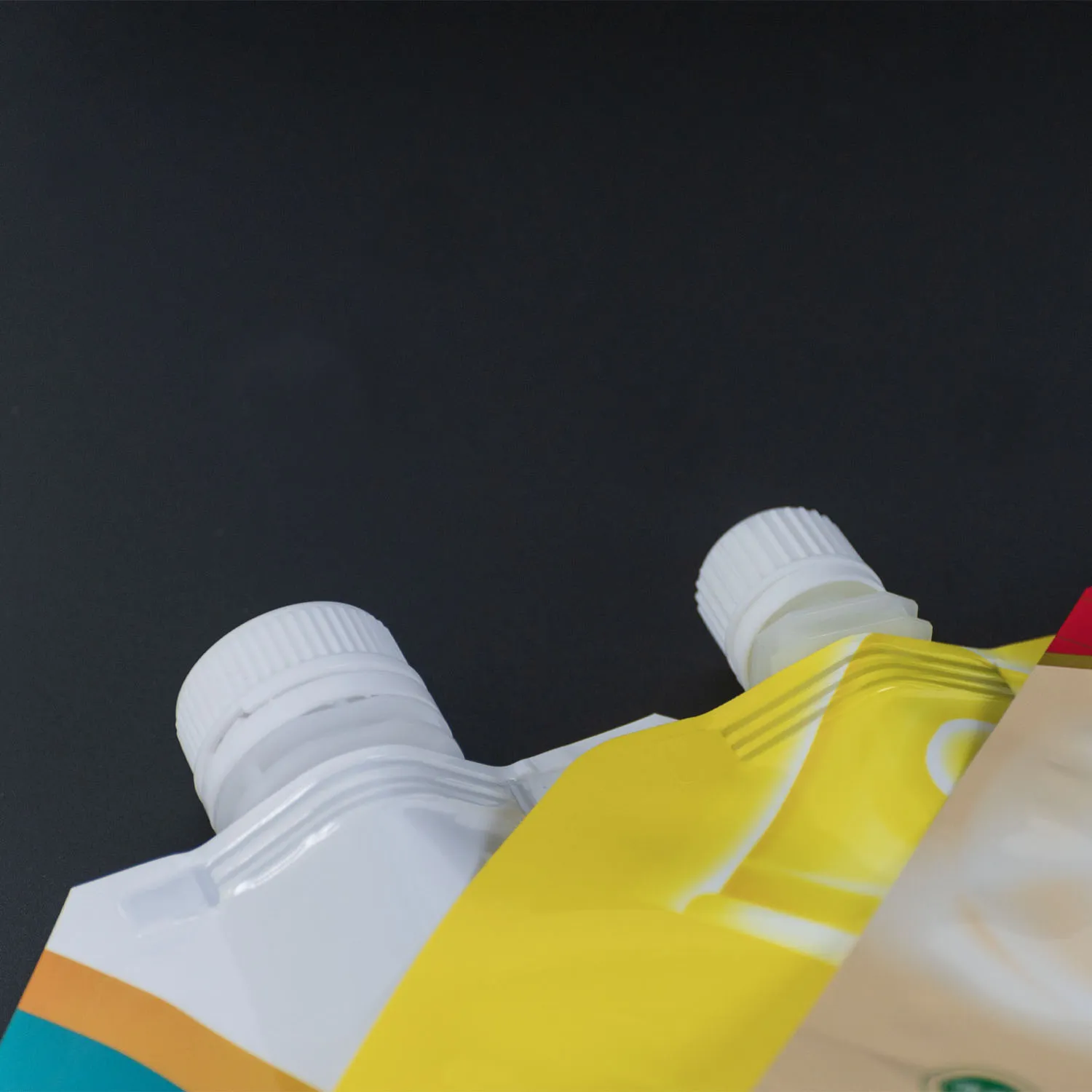
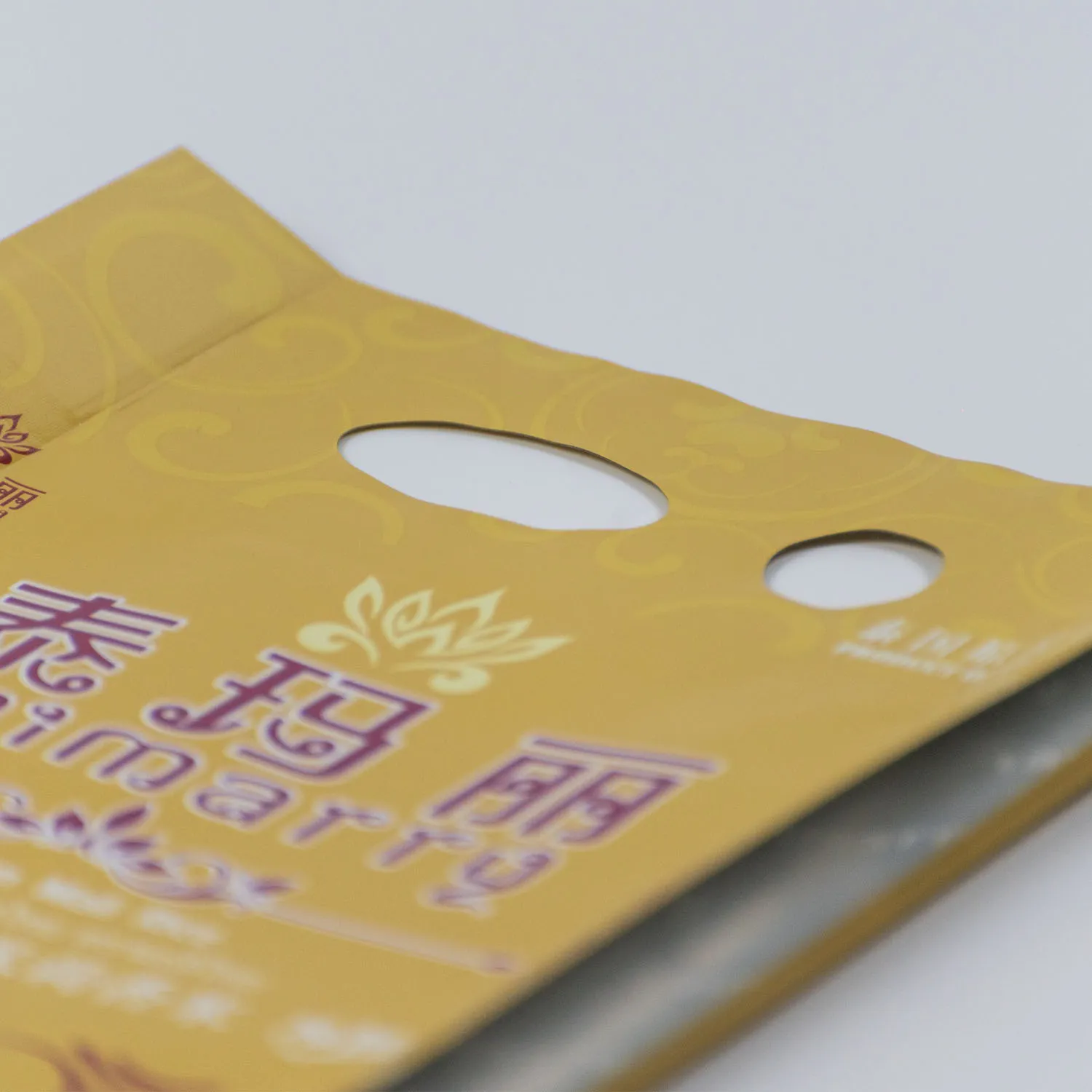
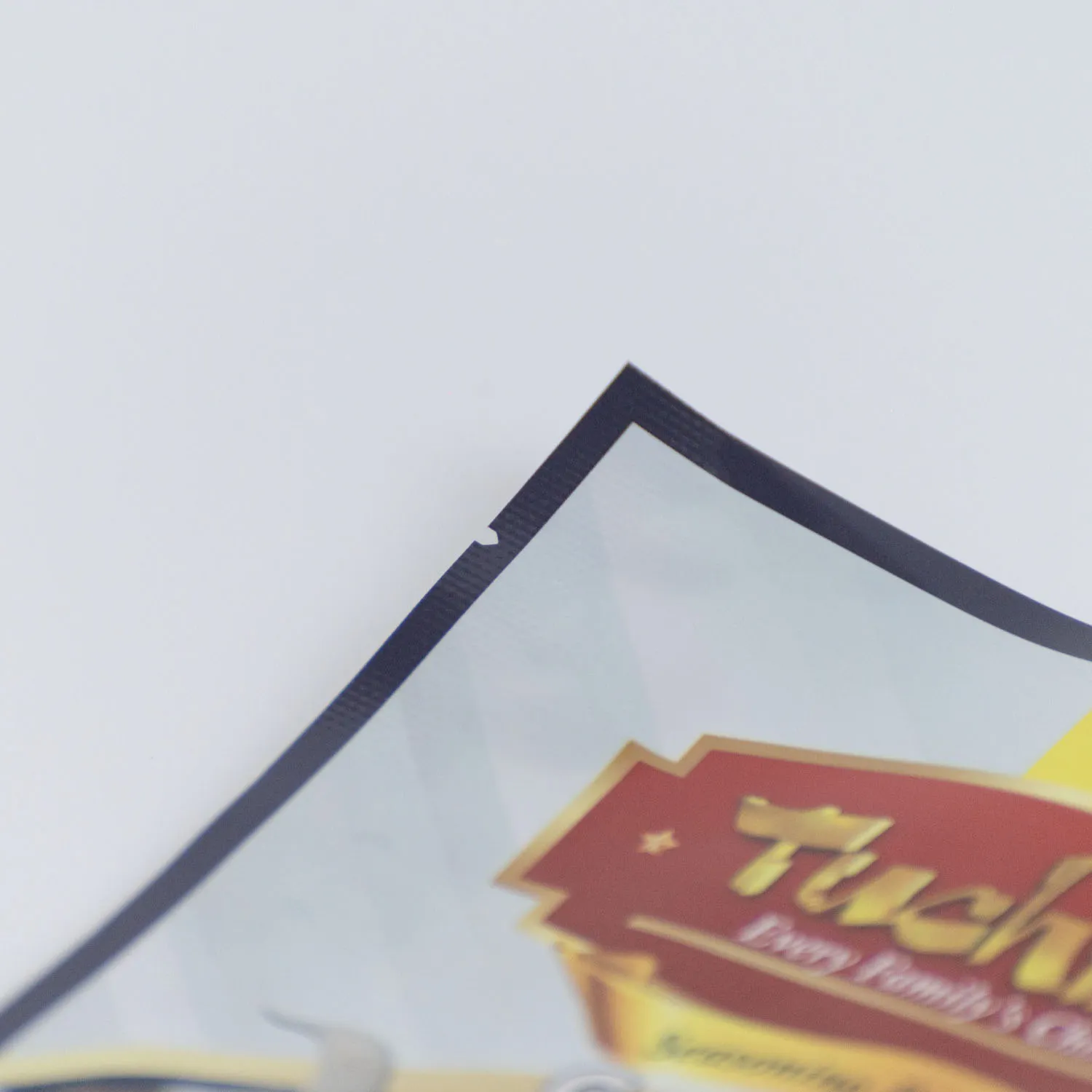
Therefore, buyers should request a quotation based on the complete packaging specification rather than bag dimensions alone.
Does Printing Technology Affect Flexible Packaging MOQ?
Yes. Printing technology affects the flexible packaging MOQ because each method has different preparation costs, production speeds, and economical run lengths. Buyers should compare the printing process with their order volume, design requirements, and expected reorder frequency.
| Метод печати | Main characteristics | MOQ considerations |
|---|---|---|
| Гравированная печать | Uses engraved cylinders and supports consistent large-volume printing | Cylinder preparation makes it more suitable for planned production runs |
| Flexographic printing | Uses flexible printing plates and supports continuous production | Plate preparation and press setup influence small-order economics |
| Digital printing | Transfers artwork digitally without conventional printing plates | Can support shorter runs, subject to equipment and supplier capabilities |
| Печать чернилами на водной основе | Uses water as the primary carrier in the ink system | Requires suitable substrates, ink formulation, and drying conditions |
Печать чернилами на водной основе is particularly relevant to brands seeking more environmentally conscious packaging production.
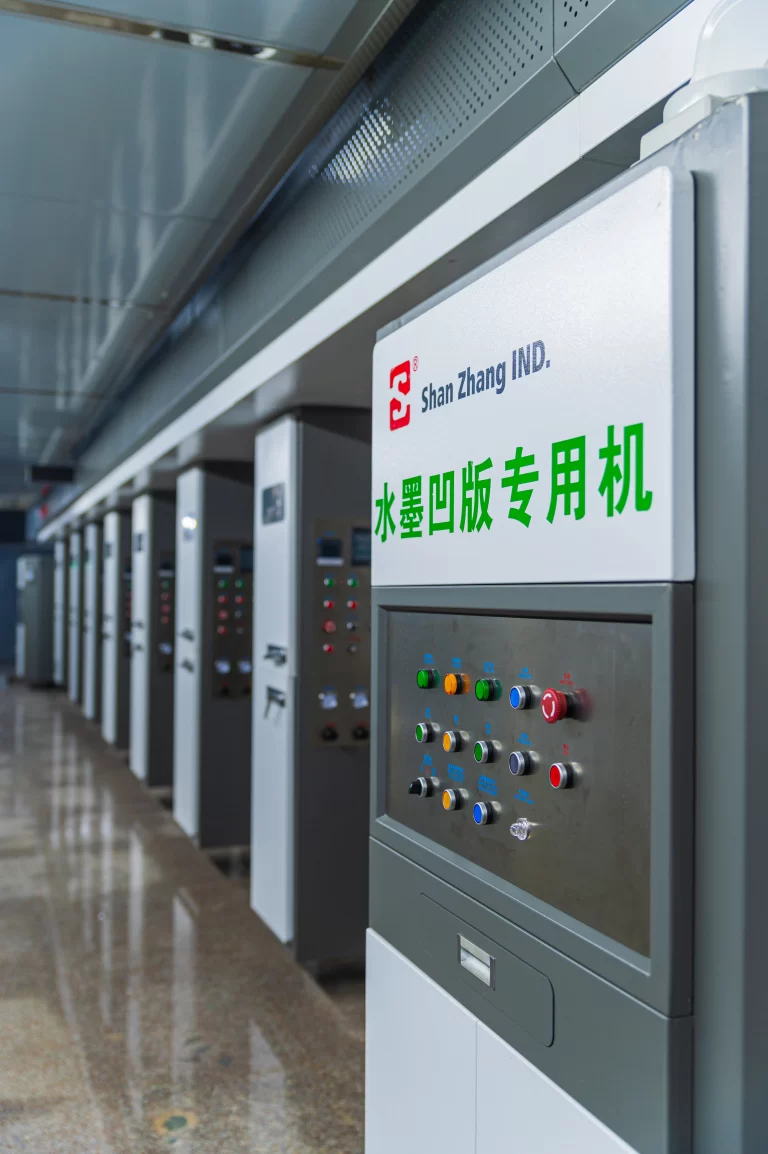
According to the U.S. Environmental Protection Agency (EPA), printing emissions are primarily associated with the evaporation of organic solvents in inks, while some water-based inks may produce no emissions. Water-based systems can therefore help reduce reliance on solvent-based inks and lower VOC emissions, depending on the formulation and production process.
Однако, печать чернилами на водной основе does not automatically eliminate all VOC emissions or make finished flexible packaging recyclable. Ink composition, substrates, laminating adhesives, and the complete packaging structure must all be considered.
For buyers, the important point is to discuss printing compatibility and order quantities together. Selecting a suitable printing solution early helps avoid unnecessary artwork changes, production adjustments, and additional setup costs.
How Can Buyers Reduce MOQ for Custom Printed Bags?
Buyers can reduce the practical MOQ burden by simplifying packaging specifications, consolidating compatible orders, and planning production around actual demand. The objective is not simply to request fewer bags but to reduce unnecessary setup and material costs.
Here are six practical strategies:
1. Choose standard material structures
Discuss commonly available film combinations with the manufacturer before requesting a fully customized material structure. Suitable standard options can reduce material procurement complexity.
2. Optimize bag dimensions
Avoid unnecessary variations in width, height, and bottom gusset. Standardizing dimensions across compatible products may simplify production planning and material utilization.
3. Consolidate compatible SKUs
If several products use the same material structure, thickness, and bag dimensions, ask whether their orders can be scheduled together.
For example, a brand selling three snack flavors may be able to coordinate production using a shared base material specification while retaining separate printed designs. The manufacturer must confirm whether the printing process and production setup allow this arrangement.
4. Simplify printing requirements
Reduce unnecessary colors, complicated artwork changes, and excessive design variations. A consistent visual system across related products can make packaging production easier to manage.
5. Discuss trial orders before mass production
New brands should discuss sample development and trial production with their supplier. A trial order helps validate packaging dimensions, printing appearance, sealing performance, and product compatibility before committing to larger production quantities.
6. Plan orders according to inventory turnover
Use actual sales forecasts instead of ordering based only on the lowest available unit price. A larger order can reduce unit costs but increase warehousing expenses, cash-flow pressure, and the risk of outdated packaging.
A good supplier should help buyers evaluate these trade-offs instead of focusing exclusively on increasing order quantities.
How Should Buyers Balance MOQ and Total Packaging Costs?
The lowest MOQ does not always produce the lowest total purchasing cost. Buyers should evaluate unit price, setup charges, transportation, storage, inventory turnover, and potential waste together.
Consider the following comparison:
| Cost factor | Smaller order | Larger order |
|---|---|---|
| Цена за единицу | Usually higher | Often lower |
| Initial investment | Ниже | Higher |
| Storage requirements | Ниже | Higher |
| Inventory risk | Generally lower | Potentially higher |
| Reordering frequency | More frequent | Less frequent |
| Cash-flow pressure | Lower initially | Higher initially |
A useful way to compare quotations is to calculate the total landed packaging cost rather than looking only at the factory price.
Total purchasing cost includes:
- Packaging production cost
- Printing and setup charges
- Freight and import-related expenses
- Warehousing and inventory handling
- Potential waste from unused or outdated bags
A useful purchasing strategy is to compare three order quantities: the manufacturer’s MOQ, the buyer’s forecast-based requirement, and a larger volume that may offer a better unit price.
This creates a clearer picture of the relationship between production efficiency and inventory risk.
What Information Should Buyers Provide When Requesting an MOQ Quote?
Buyers should provide complete packaging specifications so manufacturers can calculate a realistic MOQ and quotation. Missing information often leads to inaccurate pricing, repeated communication, and delays in production planning.
Before contacting a supplier, prepare the following information:
- Product application: Food, daily chemical products, toys, or other applications.
- Bag type: Stand-up pouch, flat-bottom bag, zipper bag, spouted pouch, or another structure.
- Dimensions: Required width, height, and gusset measurements.
- Material structure: Preferred film combination, thickness, and barrier requirements.
- Printing requirements: Artwork, colors, printing preferences, and water-based ink requirements.
- Functional features: Zippers, spouts, tear notches, hang holes, or other accessories.
- Estimated order quantity: Expected opening order and annual purchasing volume.
- Destination market: Country or region where the packaging will be sold.
Providing this information allows manufacturers to evaluate material availability, production requirements, and suitable order quantities.
For brands entering new markets, it is also important to discuss packaging compliance and product-contact requirements before production.
The European Commission reports that the Packaging and Packaging Waste Regulation (EU) 2025/40 has applied since August 12, 2026. It covers packaging placed on the EU market regardless of its material or origin. Buyers targeting Europe should therefore discuss applicable packaging requirements with their suppliers during the design stage.
ЧАСТО ЗАДАВАЕМЫЕ ВОПРОСЫ
1. What is the typical MOQ for custom printed bags?
There is no universal MOQ for custom printed bags. It varies according to bag dimensions, material structure, printing technology, design complexity, and production equipment. Buyers should request a specification-based quotation from the manufacturer.
2. Can I order custom printed bags in small quantities?
Yes, small-quantity orders may be possible depending on the manufacturer’s equipment, printing capabilities, and production schedule. Discuss digital printing, standard material options, and trial production with the supplier.
3. Does bag size affect flexible packaging MOQ?
Yes. Bag dimensions influence material consumption, production layout, and the number of bags that can be produced from a given film quantity. Custom sizes may also require different production arrangements.
4. Can I combine different designs in one order?
Some manufacturers allow multiple designs to be coordinated within one order when material structures, dimensions, and production requirements are compatible. However, each design may still involve separate printing preparation or setup costs.
5. Does water-based ink printing affect MOQ?
It can. Water-based ink printing requires compatible substrates, suitable ink formulations, and appropriate drying conditions. Its effect on MOQ depends on the manufacturer’s equipment, production process, and order specifications.
6. How can I get a lower MOQ without increasing packaging costs?
Choose suitable standard materials, simplify packaging designs, consolidate compatible SKUs, and discuss production planning with the manufacturer. Compare the total purchasing cost instead of focusing only on the minimum quantity.
7. Is ordering above MOQ always more cost-effective?
No. Larger orders may reduce unit prices but increase storage costs, inventory investment, and the risk of unused packaging. Buyers should calculate order quantities based on sales forecasts and inventory turnover.
Заключение
Understanding flexible packaging MOQ helps businesses make better purchasing decisions, control packaging expenses, and build more efficient supply chains. By evaluating printing methods, material structures, bag specifications, and inventory requirements, buyers can identify an order quantity that balances production efficiency with actual market demand.
Упаковка Zhongjia это профессиональный производитель гибкой упаковки специализирующийся на печать чернилами на водной основе. Serving more than 40 well-known companies and exporting to over 20 countries, Упаковка Zhongjia operates four high-speed production lines and uses advanced equipment, strict production management, and laboratory testing to maintain consistent product quality. Our product range includes автономные пакеты, flat-bottom bags, spouted pouches, and zipper bags for food, daily chemical products, and toys. Whether you need customized packaging for a new product or a reliable supplier for long-term bulk orders, contact Упаковка Zhongjia today to discuss your specifications, confirm your flexible packaging MOQ, and request a customized quotation.
-

Мешки упаковки бисквита Bulk Eco-Friendly оптом - Заводская поставка
-
Оптовая продажа пакетов для расфасовки сыпучих пищевых приправ — пакеты с трёхсторонней сваркой и надрезом для отрыва
-
Мешок для фасовки приправ оптом с вырубленной ручкой, мешок с трёхсторонней сваркой для 1 кг глутамата натрия — оптовая продажа
-
Поставщик Плоские пакеты для снеков навалом, Плоские пакеты для упаковки снеков мороженого