



Ordering custom printed packaging bags successfully requires more than choosing a size and uploading artwork. Buyers must confirm material performance, bag structure, printing requirements, artwork, sealing functions, samples, MOQ, lead time, and quality standards before mass production. Упаковка Zhongjia combines печать чернилами на водной основе, flexible packaging manufacturing, laboratory testing, and strict quality management to help global buyers reduce ordering risks and achieve consistent packaging quality
What are the most common mistakes when ordering custom printed packaging bags?
The biggest mistakes are choosing unsuitable materials, submitting incorrect artwork, overlooking bag structure and sealing functions, skipping sample approval, focusing only on price, and failing to confirm quality requirements before mass production.
For brands, importers, wholesalers, and distributors, ordering custom printed packaging bags is a production decision rather than simply a printing purchase. The final bag must protect the product, meet filling requirements, reproduce the artwork accurately, and remain consistent throughout mass production.
A packaging order can involve multiple decisions at once: material structure, thickness, dimensions, printing, surface finish, zipper or spout options, sealing performance, MOQ, sampling, and delivery requirements. Missing one of these details can create unnecessary rework, product waste, delays, or additional costs.
The following guide explains the mistakes B2B buyers should avoid and provides a practical checklist for ordering custom flexible packaging with greater confidence.
Why should buyers avoid choosing packaging materials based only on price?
Buyers should select packaging materials according to product compatibility, barrier requirements, sealing performance, strength, and shelf-life needs rather than choosing the lowest material price.
The correct material depends on what the packaging needs to protect against. Food products, snacks, powders, liquids, sauces, household products, and toys can have very different packaging requirements.
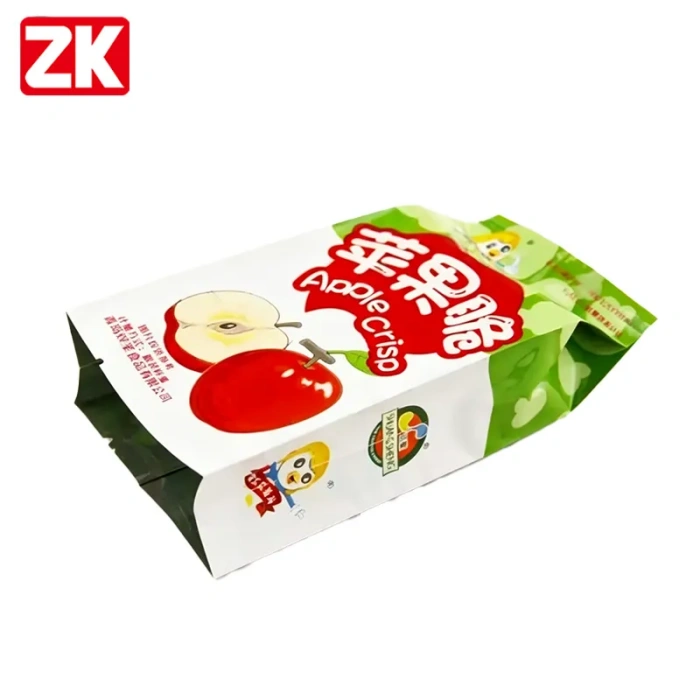
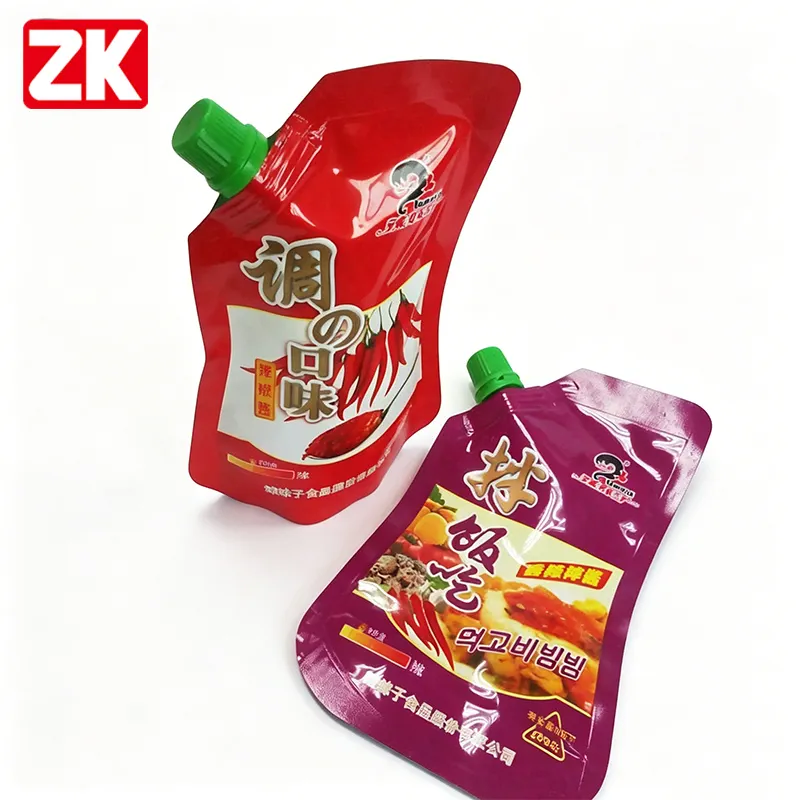
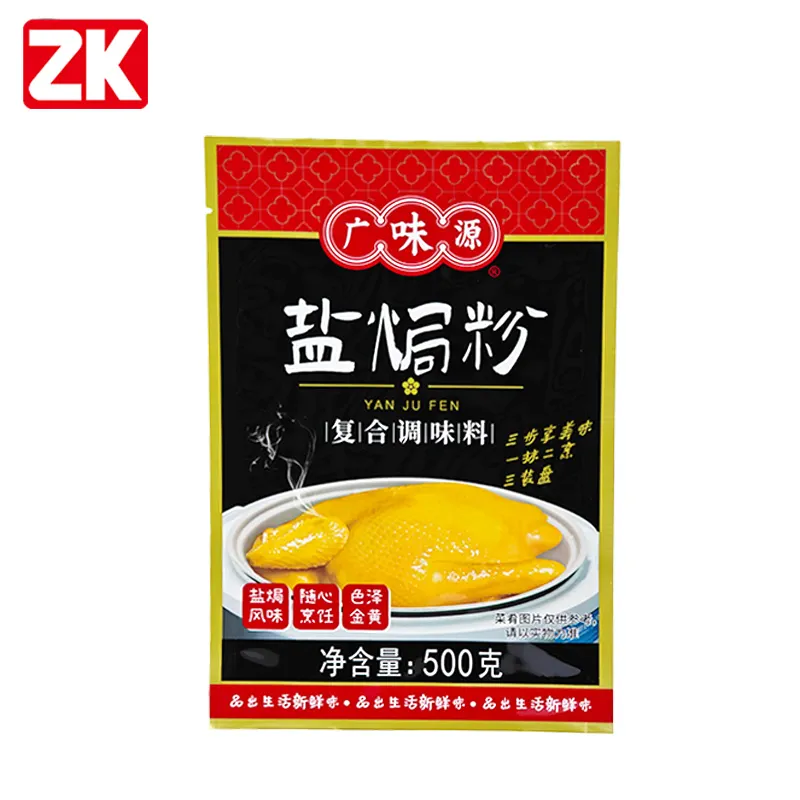
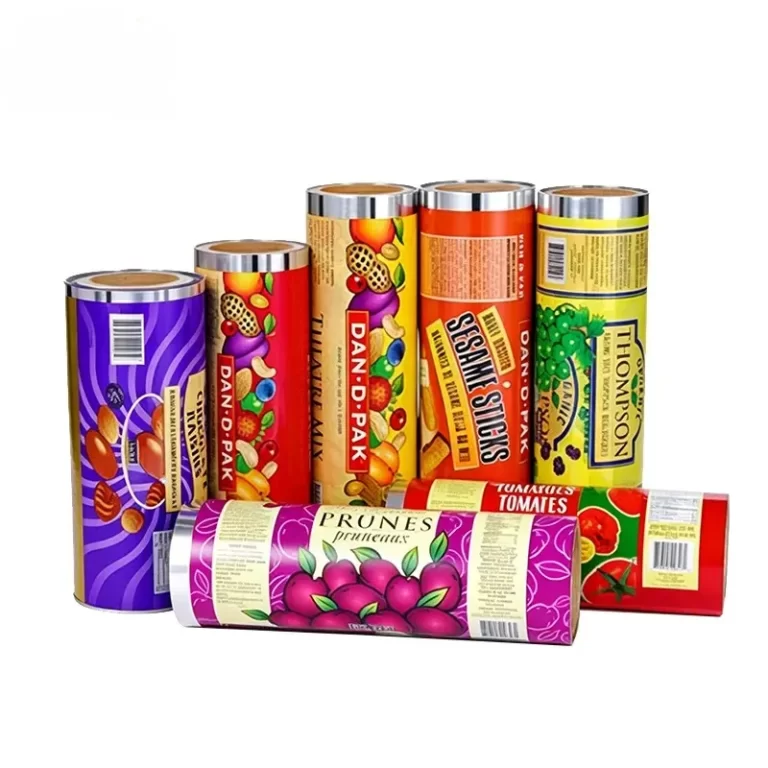
For example, a buyer may need protection against:
- Кислород
- Влажность
- Свет
- Grease or oil
- Mechanical damage
- Temperature changes
- Product leakage
A lower-cost material structure is not a genuine saving if it causes seal failures, moisture absorption, loss of product quality, or shortened shelf life.
| Buyer consideration | Почему это важно |
|---|---|
| Тип продукта | Determines material compatibility |
| Чувствительность к влаге | Influences moisture-barrier requirements |
| Чувствительность к кислороду | Determines oxygen-barrier requirements |
| Способ наполнения | Affects bag strength and sealing |
| Product weight | Influences film thickness and structure |
| Срок годности | Determines required barrier performance |
| Условия хранения | Helps define temperature and durability requirements |
When requesting a quotation for custom printed packaging bags, buyers should provide the supplier with the product type, filling weight, expected shelf life, storage conditions, and intended market. This information allows the manufacturer to recommend a suitable structure instead of simply quoting the cheapest option.
How can choosing the wrong bag structure create problems?
The bag structure should match the product, filling process, storage requirements, display method, and desired consumer experience.
Different flexible packaging structures solve different commercial and functional requirements.
Common options include:
- Пакеты с вертикальной дном
- Мешки с плоским дном
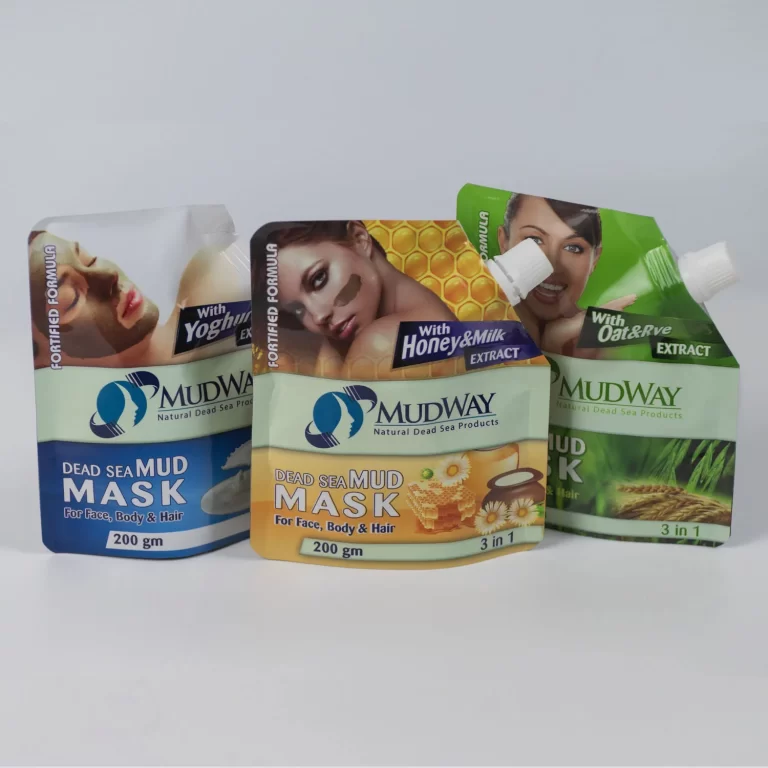
- Пакеты с дозатором
- Three-side seal bags
- Gusset bags
- Custom-shaped pouches
For example, a stand-up pouch can provide strong shelf presentation, while a spout pouch is better suited to liquid or semi-liquid products that require controlled dispensing.
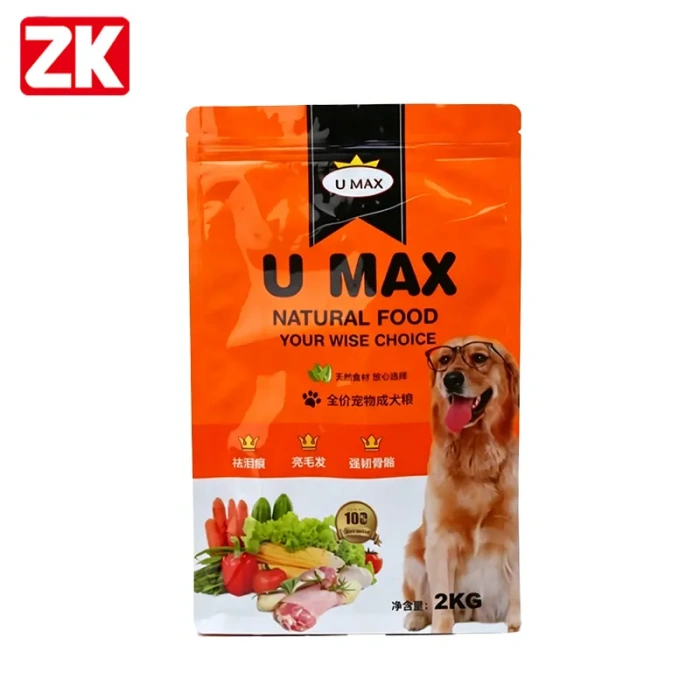
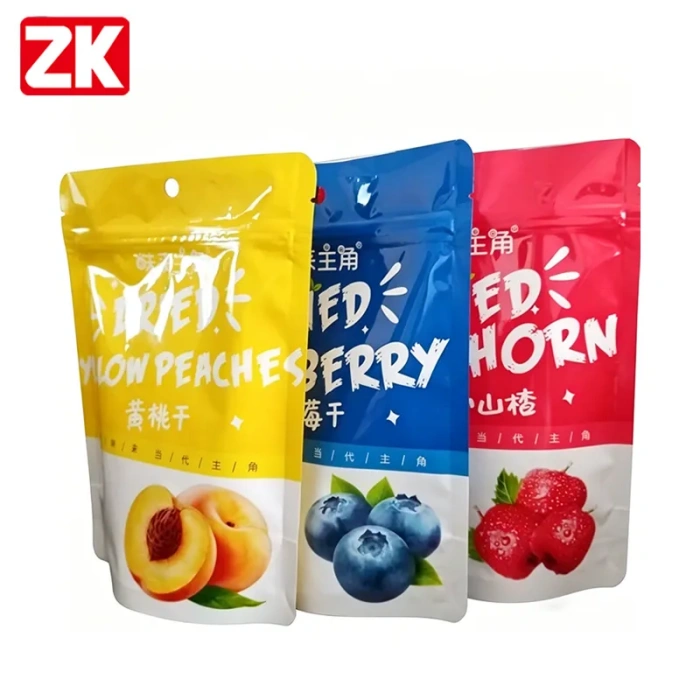
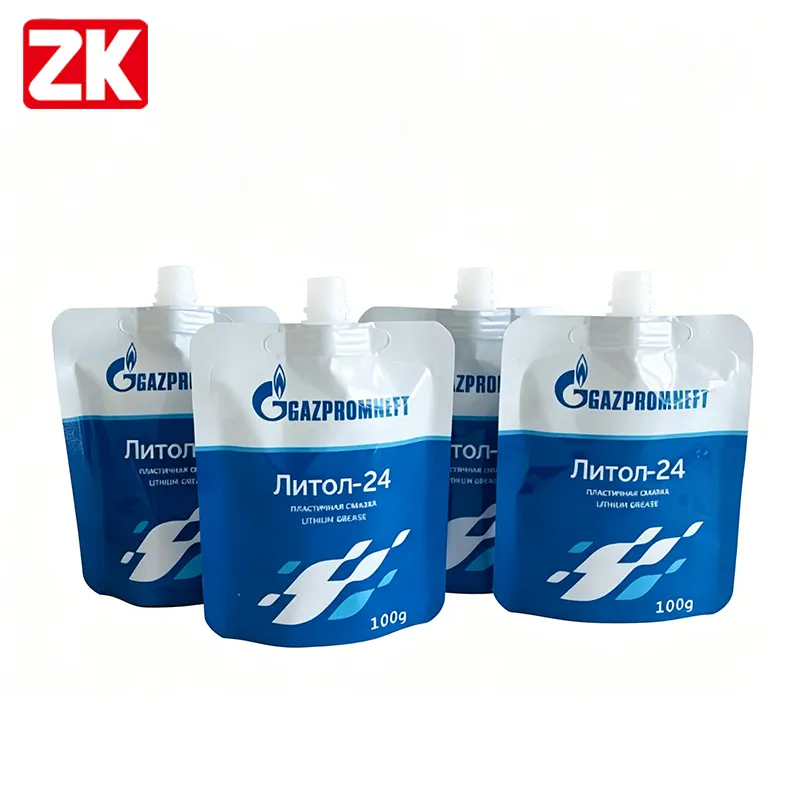
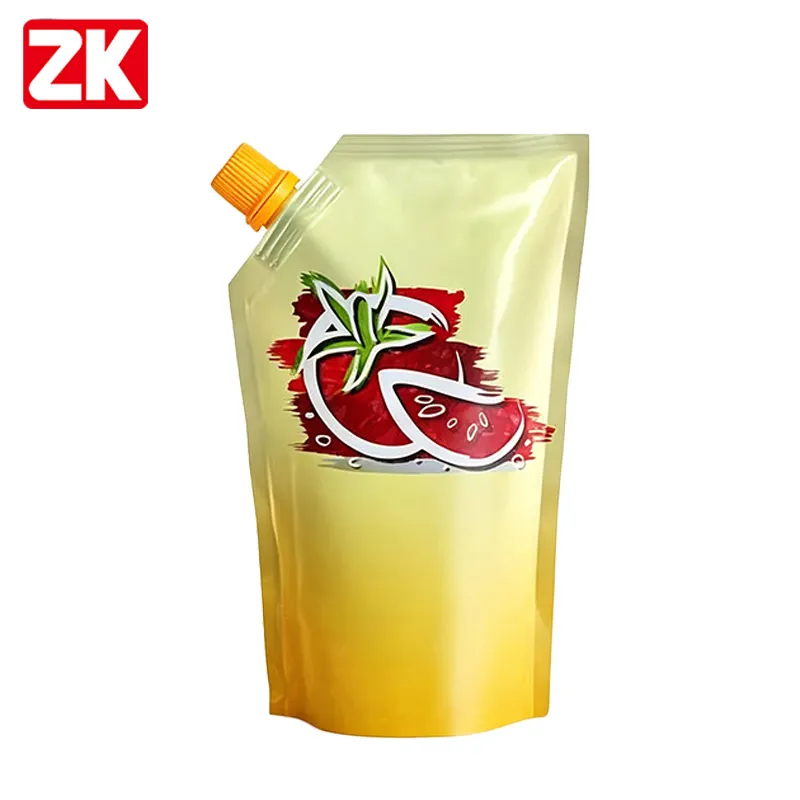
Choosing a bag before discussing the actual product can therefore create unnecessary production limitations.
The better approach is to define the application first:
Product → Filling method → Required functions → Bag structure → Material → Printing → Final specifications
This sequence is especially important for custom printed packaging bags because printing and structural requirements must work together. A zipper, spout, tear notch, hang hole, or gusset can affect the usable printing area and artwork layout.
What artwork mistakes should buyers avoid before printing?
Buyers should confirm the packaging dieline, dimensions, bleed, safe areas, seam positions, functional components, color requirements, and barcode placement before approving artwork for production.
Artwork problems are among the easiest mistakes to prevent and among the most expensive to correct after printing starts.
Before submitting a final design, buyers should check:
- Final bag dimensions
- Printing area
- Bleed requirements
- Safe zones
- Sealing areas
- Zipper or spout positions
- Fold and gusset areas
- Logo placement
- Barcode position
- Text and regulatory information
- Color specifications
- Artwork file format and resolution
A design that looks correct on a computer screen may not work correctly on the finished pouch if important graphics cross a seal, fold, zipper, or gusset.
This is why an опытный производитель упаковки should review artwork against the actual bag structure before mass production.
For B2B buyers, one useful rule is:
Never approve artwork separately from the physical packaging structure.
The artwork, dieline, material structure, and functional components should be reviewed as one production specification.
Why is choosing the right printing method important for custom printed packaging bags?
The printing method must deliver the required color consistency, image quality, substrate adhesion, production efficiency, and environmental performance for the specific packaging application.
Printing is not simply about making a pouch look attractive. It directly affects brand presentation and production consistency.
For flexible packaging, printing performance can be influenced by the substrate, ink formulation, drying conditions, press settings, artwork, and production controls.
Упаковка Zhongjia специализируется на печать чернилами на водной основе, providing an environmentally oriented printing option for flexible packaging applications. Water-based ink systems can reduce VOC emissions compared with conventional solvent-based systems, although actual environmental performance depends on the complete ink formulation and production process.
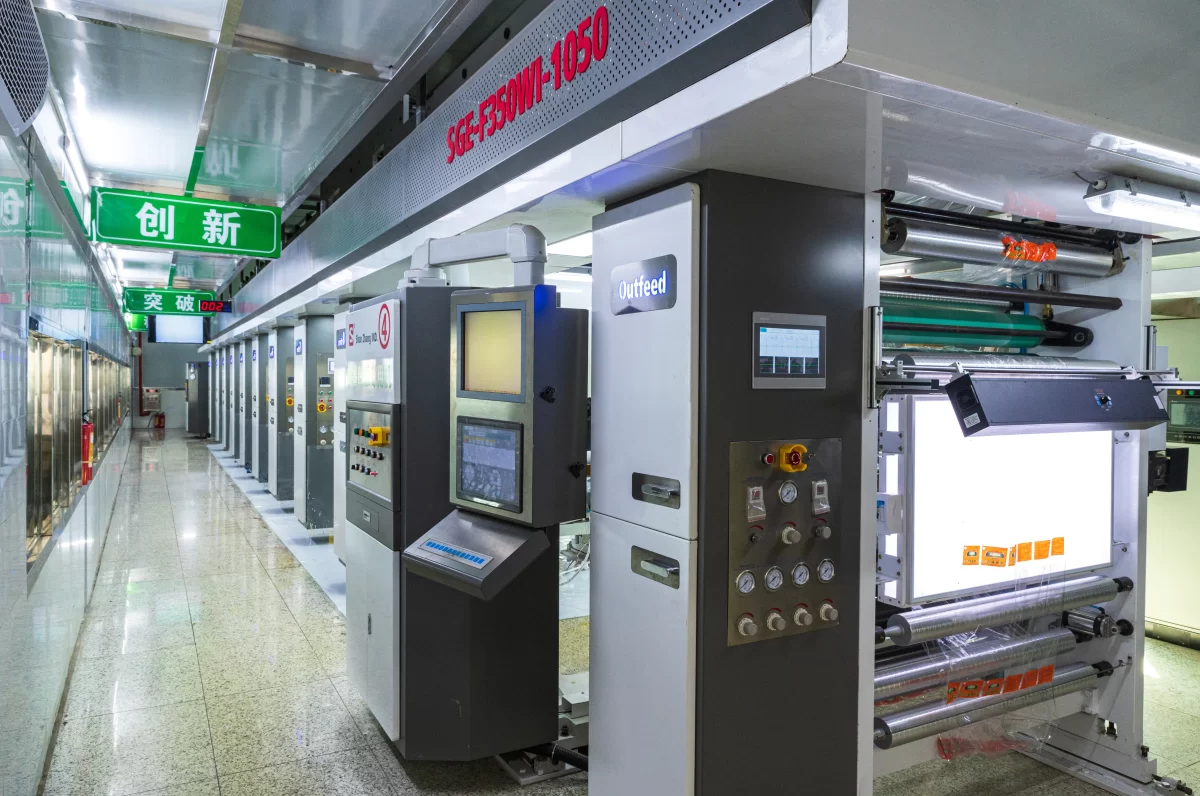
The U.S. Environmental Protection Agency identifies waterborne inks as one approach to reducing VOC emissions in flexible packaging printing and notes that their implementation requires appropriate press, ink, drying, and process controls.
Research into packaging and printing facilities in China has also reported substantially different VOC emission factors for different ink systems, with the cited study reporting 287 g/kg for solvent-based ink versus 117 g/kg for water-based ink.
Это делает печать чернилами на водной основе a meaningful consideration for brands developing more environmentally responsible packaging.
However, buyers should not assume that the phrase “water-based” automatically guarantees environmental compliance. They should confirm the actual ink system, substrate, applicable regulations, food-contact requirements, and supplier documentation.
What is the mistake of skipping the packaging sample?
Buyers should approve a physical sample before mass production because sampling verifies dimensions, structure, printing appearance, functions, and overall production suitability before large quantities are manufactured.
A digital artwork proof cannot fully reproduce the behavior of the finished packaging.
A proper sample review should examine:
- Actual bag dimensions
- Material appearance
- Print colors
- Logo position
- Seal quality
- Zipper operation
- Spout position and fit
- Tear notch position
- Bag stability
- Filling compatibility
- Overall appearance
Для custom printed packaging bags, the sample approval stage should be treated as a production checkpoint rather than an optional step.
A practical workflow is:
- Submit product requirements and artwork.
- Confirm material and bag structure.
- Review the dieline and printing specifications.
- Produce a sample or proof.
- Check dimensions, printing, functions, and appearance.
- Approve the final specification.
- Start mass production.
- Perform production and laboratory quality checks.
This process gives both the buyer and manufacturer a fixed reference before production volume increases.
Why should buyers never compare packaging suppliers by unit price alone?
The lowest unit price does not necessarily represent the lowest total purchasing cost because packaging quality, defects, rework, MOQ, freight, lead time, and production consistency all affect the final cost.
For B2B purchasing, a more useful comparison looks like this:
| Supplier factor | Low-price-only approach | Professional purchasing approach |
|---|---|---|
| Unit price | Primary consideration | One factor among several |
| Материал | Cheapest available | Matched to product requirements |
| Printing | Price-focused | Quality and consistency focused |
| Sampling | May be overlooked | Required before production |
| Quality control | Basic | Defined inspection process |
| Lead time | Considered later | Confirmed before ordering |
| MOQ | Often overlooked | Confirmed with demand planning |
| Defect risk | Difficult to quantify | Evaluated through supplier capability |
| Environmental requirements | May be ignored | Discussed during material and ink selection |
| Long-term supply | Uncertain | Evaluated as part of supplier selection |
A packaging defect can cost much more than the difference between two suppliers’ quoted unit prices.
For example, incorrect artwork, poor sealing, inconsistent colors, or unsuitable materials can result in rejected batches, relabeling, repacking, delayed shipments, and customer complaints.
For importers and distributors, supplier reliability should therefore be evaluated as part of the total procurement cost.
How does печать чернилами на водной основе support more environmentally responsible packaging?
Печать чернилами на водной основе can help reduce the VOC burden associated with flexible packaging printing and gives brands a practical option when developing packaging with stronger environmental considerations.
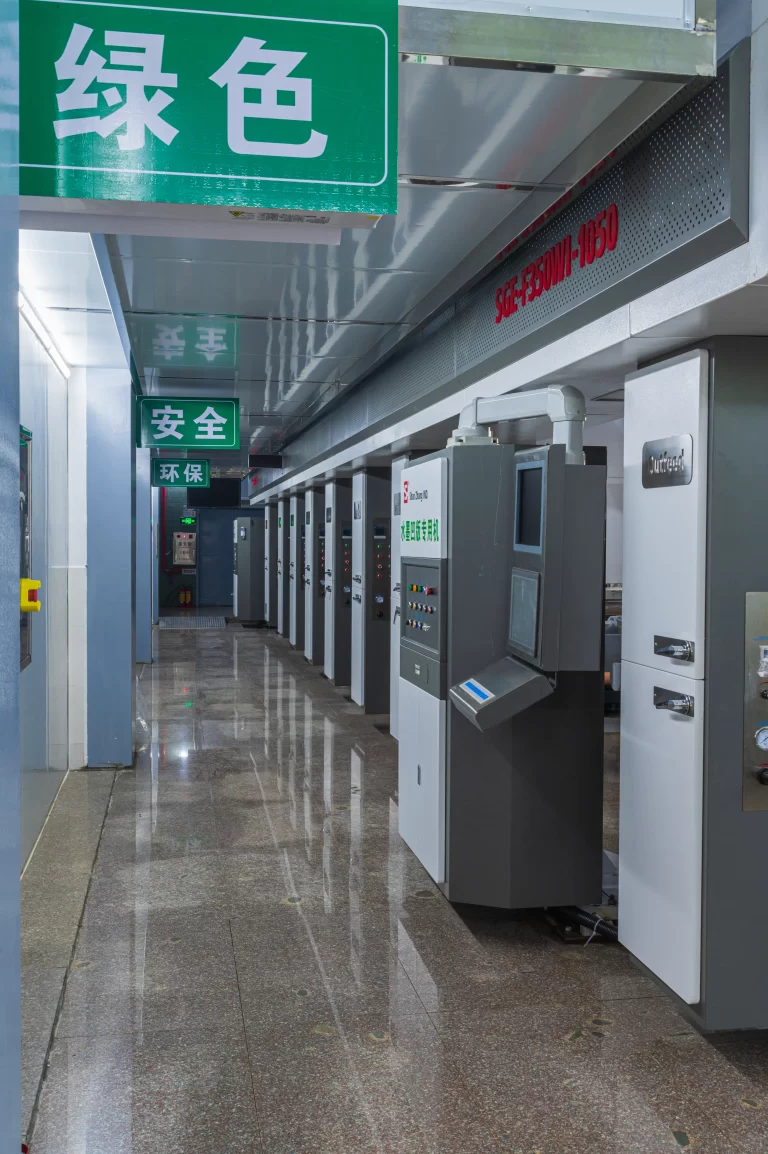
Environmental packaging is not determined by ink alone. Material selection, package weight, production waste, recyclability, transportation, and end-of-life management also matter.
Still, the printing stage is an important part of the packaging supply chain.
The EPA explains that VOC emissions from flexible packaging printing can originate from inks, coatings, adhesives, and cleaning materials, and identifies material substitution, including waterborne inks, as one route to emissions reduction.
The environmental relevance of packaging is also clear from current waste data. According to Eurostat, the EU generated 79.7 million tonnes of packaging waste in 2023, equivalent to 177.8 kg per inhabitant. Plastic packaging waste accounted for 19.8% of total packaging waste, with 35.3 kg generated per person and 14.8 kg recycled.
For brands selling into environmentally conscious markets, packaging decisions therefore need to consider the complete system rather than treating sustainability as a marketing label.
A unique purchasing perspective: evaluate the “ink + structure + end-of-life” combination
One frequently overlooked point is that changing the ink does not automatically make a flexible package recyclable.
A package can use water-based ink and still contain a multi-material structure that is difficult to recycle. Conversely, a recyclable material structure still requires appropriate printing, adhesive, sealing, and compliance decisions.
Therefore, buyers should ask suppliers three separate questions:
- What ink system is used?
- What material structure is recommended?
- What end-of-life or recycling requirements apply in the target market?
This ink + structure + end-of-life evaluation provides a more useful sustainability framework than simply asking whether a package is “eco-friendly.”
That is a practical distinction buyers should make when sourcing custom printed packaging bags.
What quality requirements should buyers confirm before placing an order?
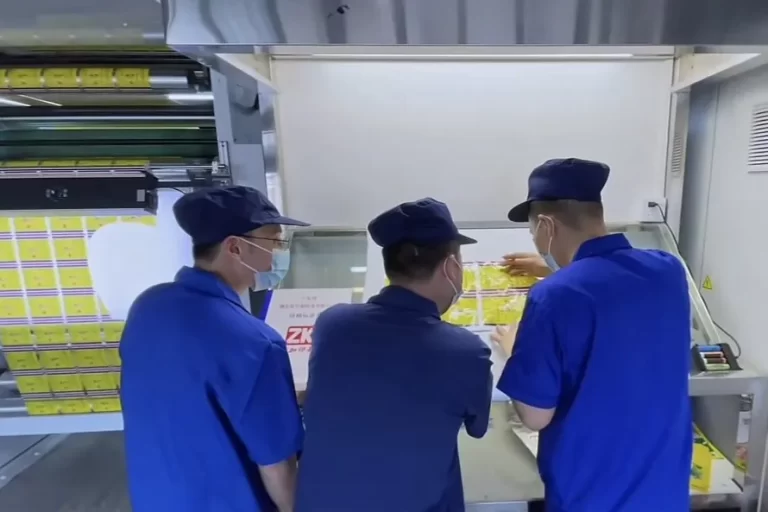
Buyers should define measurable quality requirements before mass production, including dimensions, material structure, printing appearance, sealing performance, functional components, and applicable compliance requirements.
A professional packaging specification should clearly identify what will be inspected.
| Quality area | What buyers should confirm |
|---|---|
| Dimensions | Width, height, gusset, and tolerance |
| Материал | Film types and structure |
| Толщина | Target thickness and tolerance |
| Printing | Colors, artwork and registration |
| Sealing | Seal strength and appearance |
| Молния | Opening and closing performance |
| Излив | Position, fit and sealing |
| Appearance | Wrinkles, contamination and defects |
| Quantity | Ordered quantity and acceptable variance |
| Compliance | Applicable market and product requirements |
For food packaging, buyers should also communicate the intended food-contact application and destination market before production. Compliance cannot be separated from material and ink selection.
How can buyers create a better ordering process for custom printed packaging bags?
A structured ordering process reduces communication errors by confirming product requirements, structure, materials, artwork, samples, quality specifications, and production terms before mass production.
B2B buyers can use the following process:
- Define the product
- Тип продукта
- Weight or volume
- Способ наполнения
- Shelf-life requirement
- Define the packaging function
- Молния
- Излив
- Tear notch
- Hang hole
- Окно
- Gusset
- Special shape
- Confirm the material
- Barrier requirements
- Strength
- Sealability
- Environmental requirements
- Prepare the artwork
- Correct dieline
- Bleed
- Safe area
- Colors
- Barcode
- Regulatory information
- Confirm printing
- Printing method
- Система подачи чернил
- Color requirements
- Surface finish
- Approve samples
- Dimensions
- Appearance
- Functions
- Sealing
- Совместимость продуктов
- Confirm commercial terms
- MOQ
- Unit price
- Lead time
- Shipping requirements
- Approve mass production
- Final specification
- Quality standards
- Inspection requirements
- Inspect production
- Printing consistency
- Material quality
- Размеры сумки
- Sealing and functional performance
This process is especially valuable when sourcing custom printed packaging bags for international distribution because it creates a clear specification that both buyer and manufacturer can follow.
What should buyers ask a custom packaging supplier before ordering?
Buyers should ask about material recommendations, printing technology, sample approval, quality control, MOQ, lead time, customization capabilities, and production testing before choosing a packaging supplier.
A useful supplier evaluation checklist includes:
- Can you recommend the right material structure for my product?
- What printing technology do you use?
- Do you offer water-based ink printing?
- Can you review my artwork and dieline?
- Can you provide physical samples?
- What quality tests are performed?
- What are your MOQ requirements?
- What is the expected production lead time?
- Can you customize bag structures and functions?
- What markets do you currently supply?
- Can you provide relevant product documentation?
- How do you control color and production consistency?
A supplier that can answer these questions clearly demonstrates stronger production knowledge than one that only provides a price quotation.
What is the final checklist for ordering custom printed packaging bags?
Before approving an order, buyers should confirm the product, dimensions, material, bag structure, artwork, printing, functional components, sample, quality standards, MOQ, lead time, and delivery requirements.
Custom Printed Packaging Bags Buyer Checklist
| Before ordering | Confirmed? |
|---|---|
| Тип продукта и вес наполнения | ☐ |
| Размеры сумки | ☐ |
| Структура материала | ☐ |
| Barrier requirements | ☐ |
| Bag type | ☐ |
| Zipper/spout/tear notch requirements | ☐ |
| Artwork and dieline | ☐ |
| Printing colors | ☐ |
| Water-based ink requirements | ☐ |
| Sample approval | ☐ |
| Quality specifications | ☐ |
| Applicable compliance requirements | ☐ |
| MOQ | ☐ |
| Lead time | ☐ |
| Shipping requirements | ☐ |
Completing this checklist before production can prevent many of the communication and specification errors that occur during custom packaging projects.
FAQ: What should buyers know before ordering custom printed packaging bags?
Q1. What are custom printed packaging bags?
Custom printed packaging bags are flexible packaging products manufactured to a buyer’s specified size, material structure, bag style, printing design, and functional requirements. They are widely used for food, household products, toys, and other consumer goods.
Q2. What is the best material for custom packaging bags?
There is no single best material for every product. The correct structure depends on barrier requirements, product characteristics, filling conditions, sealing performance, shelf life, and target-market requirements.
Q3. Are water-based inks better for packaging?
Water-based inks can reduce VOC emissions compared with conventional solvent-based ink systems and can support more environmentally responsible printing. However, the complete packaging system—including ink, substrate, adhesive, production process, and end-of-life requirements—must be evaluated. EPA guidance identifies waterborne inks as one approach to reducing VOC emissions in flexible packaging printing.
Q4. Should I order samples before mass production?
Yes. A physical sample should be reviewed before mass production to verify dimensions, artwork, material appearance, sealing, functional components, and overall packaging suitability.
Q5. How can I reduce the cost of custom packaging bags?
The best way to control total cost is to finalize the correct material and structure, optimize dimensions, confirm artwork before printing, plan quantities carefully, and select a reliable supplier rather than choosing solely by unit price.
Q6. Can custom packaging bags be environmentally friendly?
Yes, but sustainability depends on the entire packaging system. Buyers should evaluate material efficiency, recyclability or appropriate end-of-life pathways, production waste, transportation, and printing technology rather than relying on one environmental feature.
Заключение
Ordering custom printed packaging bags successfully requires careful coordination between product requirements, material selection, bag structure, artwork, printing technology, sampling, quality control, and production planning. Avoiding these common mistakes helps brands reduce rework, prevent costly production problems, and achieve consistent packaging quality at scale.
Упаковка Zhongjia это производитель гибкой упаковки специализирующийся на печать чернилами на водной основе and custom packaging solutions. With experience serving more than 40 well-known companies and exporting products to more than 20 countries, Упаковка Zhongjia operates four high-speed production lines and uses strict management and laboratory testing to support stable quality. Our product range includes stand-up pouches, flat-bottom bags, spout pouches, zipper bags, and other customized packaging for food, daily-use products, and toys.
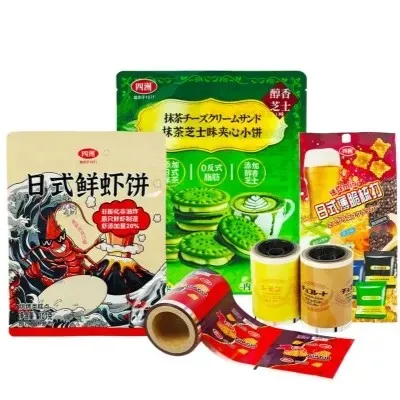
If you are looking for reliable custom-printed packaging bags with professional material selection, customized structures, печать чернилами на водной основе, and quality-controlled production, contact Упаковка Zhongjia to discuss your packaging requirements and request a customized solution.
