



La falsificación se ha convertido en un grave problema para muchas marcas de consumo. Ya no se limita a los productos de lujo. Hoy en día, los productos falsificados pueden encontrarse en juguetes, artículos de colección, cromos, envases de alimentos, productos de uso diario, cosméticos, accesorios electrónicos y muchas otras categorías.
Para los propietarios de marcas, el perjuicio no se limita únicamente a la pérdida de ventas. Los productos falsificados pueden confundir a los consumidores, minar la confianza en la marca, perturbar a los distribuidores y hacer que los minoristas pongan en duda la autenticidad de los productos.
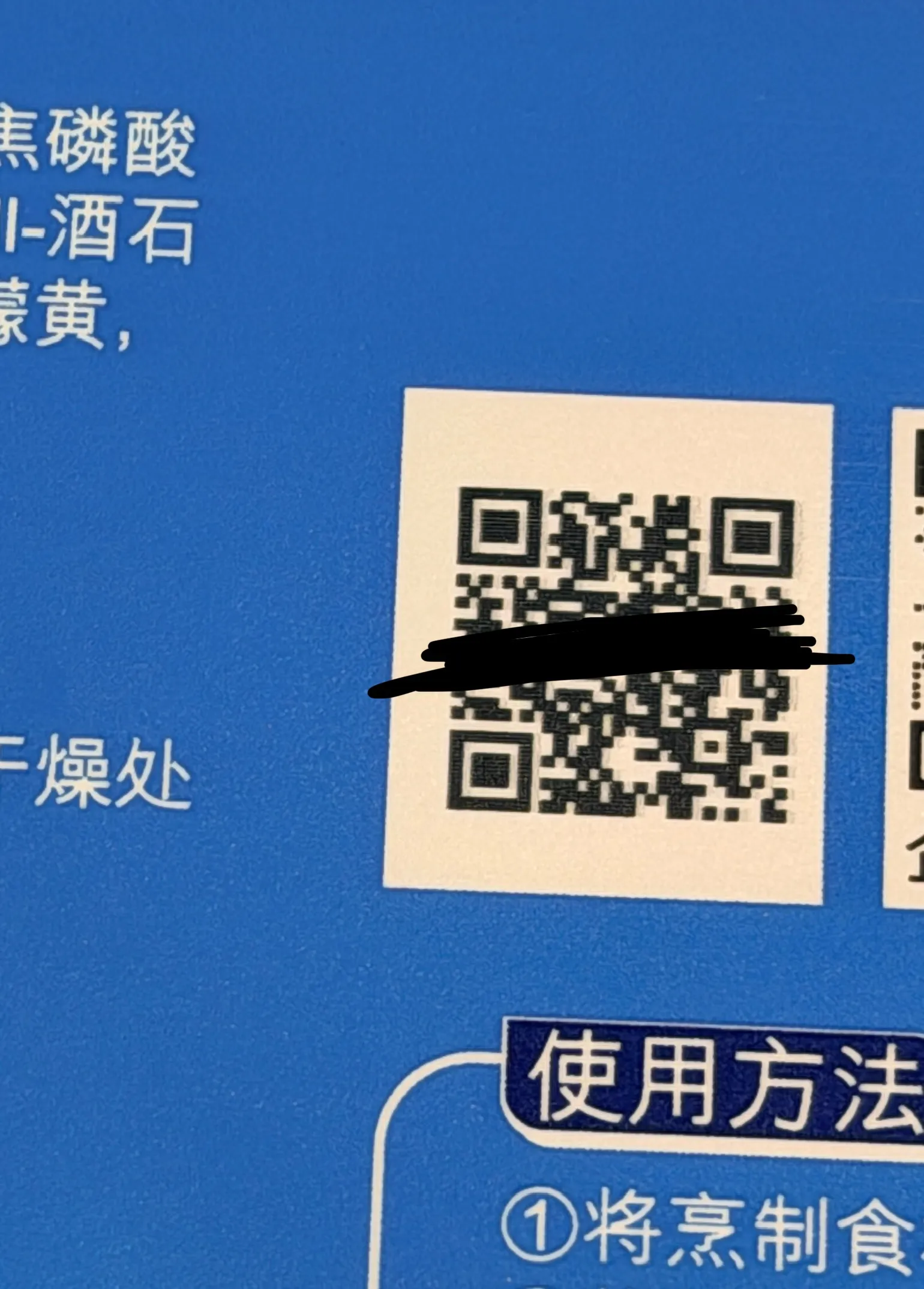
El mes pasado, Embalaje Zhongjia Recibimos una solicitud urgente de un cliente estadounidense del sector del embalaje de tarjetas. El producto principal de este cliente había sido falsificado en el mercado. Anteriormente, utilizaban etiquetas físicas tradicionales contra la falsificación, pero recientemente descubrieron que los productos falsificados también habían copiado esas etiquetas. Los consumidores ya no podían distinguir fácilmente cuáles eran los productos auténticos.
El cliente necesitaba una nueva solución de embalaje antifalsificación que cumpliera tres requisitos claros:
- Tenía que imprimirse directamente en la bolsa de embalaje.
- Debía de ser difícil de falsificar.
- Tenía que permitir a los consumidores comprobar fácilmente su autenticidad.
Tras varias rondas de debates técnicos, Embalaje Zhongjia recomendó una solución de embalaje con código QR variable para la lucha contra la falsificación.
Por qué las etiquetas antifalsificación tradicionales ya no eran suficientes
Las etiquetas tradicionales pueden seguir siendo útiles en algunos sectores, pero tienen claras limitaciones. Normalmente, una etiqueta se coloca en la superficie de un producto o envase. Una vez que los falsificadores conocen el aspecto de la etiqueta, pueden intentar copiar su diseño visual, reutilizar etiquetas auténticas o fabricar pegatinas de aspecto similar.
En el caso de los productos de gran rotación y los envases para venta al por menor, esto supone un riesgo importante: los consumidores pueden ver una etiqueta y dar por hecho que el producto es auténtico, aunque la propia etiqueta haya sido falsificada.
Por eso, cada vez más marcas están pasando de los simples métodos visuales de lucha contra la falsificación a la autenticación basada en datos. En lugar de basarse únicamente en lo que los consumidores pueden ver, el envase debe vincular cada producto a una identidad digital única.
¿Qué es el embalaje antifalsificación con código QR variable?
El embalaje antifalsificación con código QR variable consiste en que cada paquete lleva un código QR único. El código no se repite en ningún otro producto del pedido. Cada bolsa tiene su propia identidad, y esa identidad está vinculada a una base de datos.
En pocas palabras, funciona según el principio de “un producto, un código”.”
Cuando los consumidores escanean el código QR, el sistema comprueba si el código existe en la base de datos, si se ha escaneado anteriormente y si coincide con la información del producto. Si el código es válido, el sistema puede mostrar el resultado de la autenticación. Si el código se ha escaneado muchas veces o no existe, el sistema puede mostrar una advertencia.
Para un fabricante de envases, esto es mucho más complejo que imprimir el mismo diseño en cada bolsa. El proceso de impresión debe gestionar datos variables, garantizar una calidad estable del código, una correspondencia precisa y un control de la producción a alta velocidad.
La principal preocupación del cliente: ¿qué pasaría si se produjera una fuga de datos de la base de datos?
Tras comprender el funcionamiento de la solución del código QR variable, el cliente reconoció que era más segura que una etiqueta física. Sin embargo, planteó una cuestión importante:
¿Qué pasaría si se filtrara la base de datos?
Era una preocupación razonable. Si toda la información sobre los códigos se almacenara en un solo lugar y quedara al descubierto, los falsificadores podrían intentar fabricar envases falsos con códigos copiados.
Para resolver este problema, Zhongjia Packaging propuso una solución de embalaje antifalsificación con doble código más segura.
La solución de doble código: código externo + código interno
En lugar de utilizar solo un código QR visible, Embalaje Zhongjia ha diseñado un método de verificación de dos niveles.
El primer código es el código exterior. Está impreso en la superficie visible de la bolsa de embalaje, de modo que los consumidores pueden escanearlo antes o durante la compra. Este código permite realizar una cómoda verificación inicial.
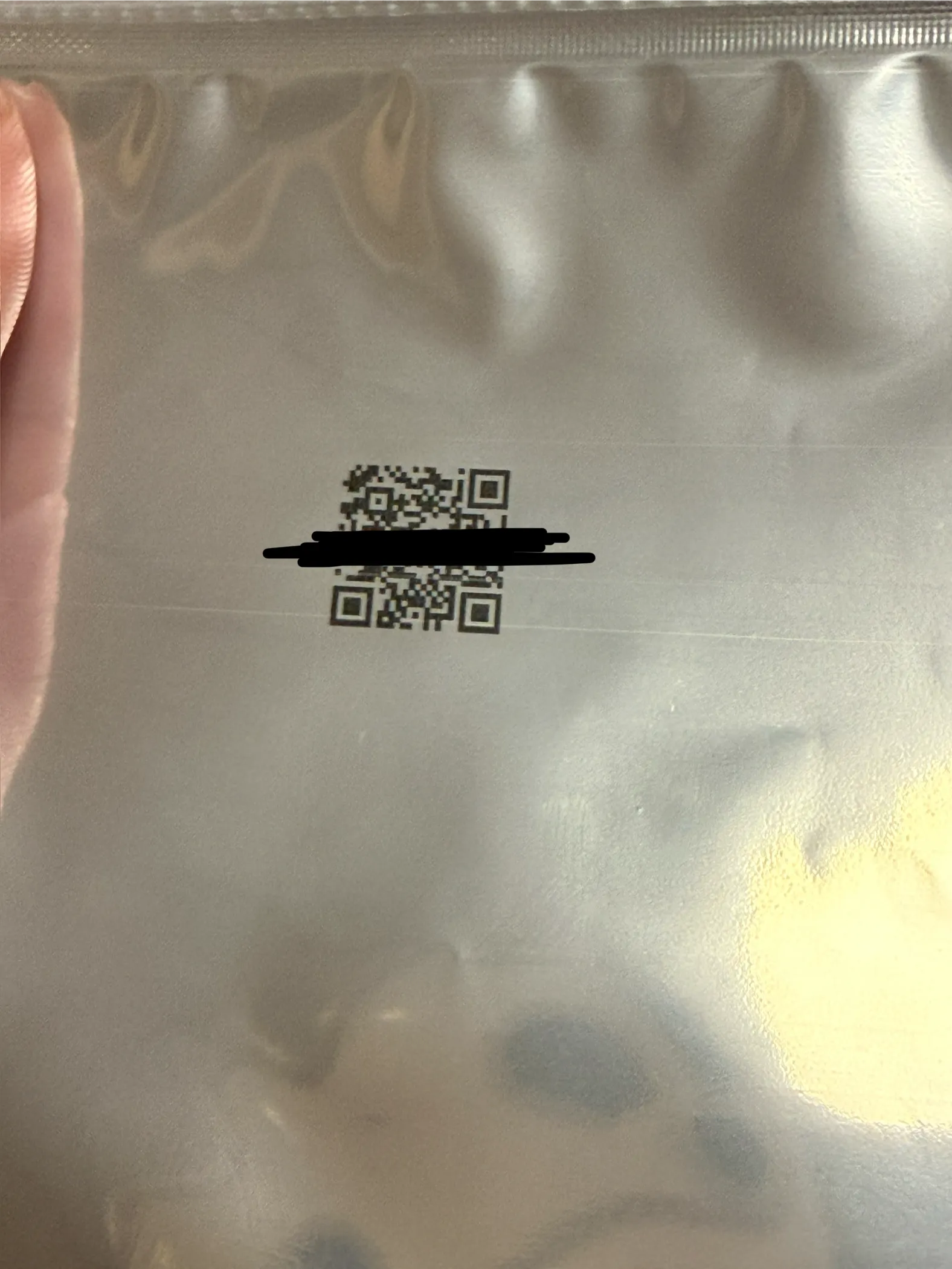
El segundo código es el código interno. Está impreso en el interior de la estructura del envase, en la cara interior de la capa de film que no entra en contacto directo con el producto. Los consumidores solo pueden ver este código interno tras abrir el envase.
De este modo se crean dos capas de protección.
El código exterior permite a los consumidores comprobar rápidamente el producto.
El código interno confirma que el paquete no se ha reutilizado ni se ha manipulado.
La clave está en que el código exterior y el código interior no son aleatorios. Están vinculados a través de una base de datos de correspondencias. Solo cuando ambos códigos coinciden correctamente, el sistema puede confirmar que el producto es auténtico.
Para mejorar aún más la seguridad, la base de datos de códigos externos, la de códigos internos y la de correspondencias pueden ser gestionadas por separado por distintos equipos o departamentos. Aunque se filtrara una de las bases de datos, los falsificadores no podrían obtener fácilmente un par completo de códigos externos e internos que coincidan.
De este modo se rompe la cadena de falsificación en la fase de envasado.
Por qué resulta difícil aplicar esto al embalaje flexible
La impresión de códigos QR variables no es un concepto nuevo, pero su aplicación a las bolsas de envase flexible plantea dificultades técnicas.
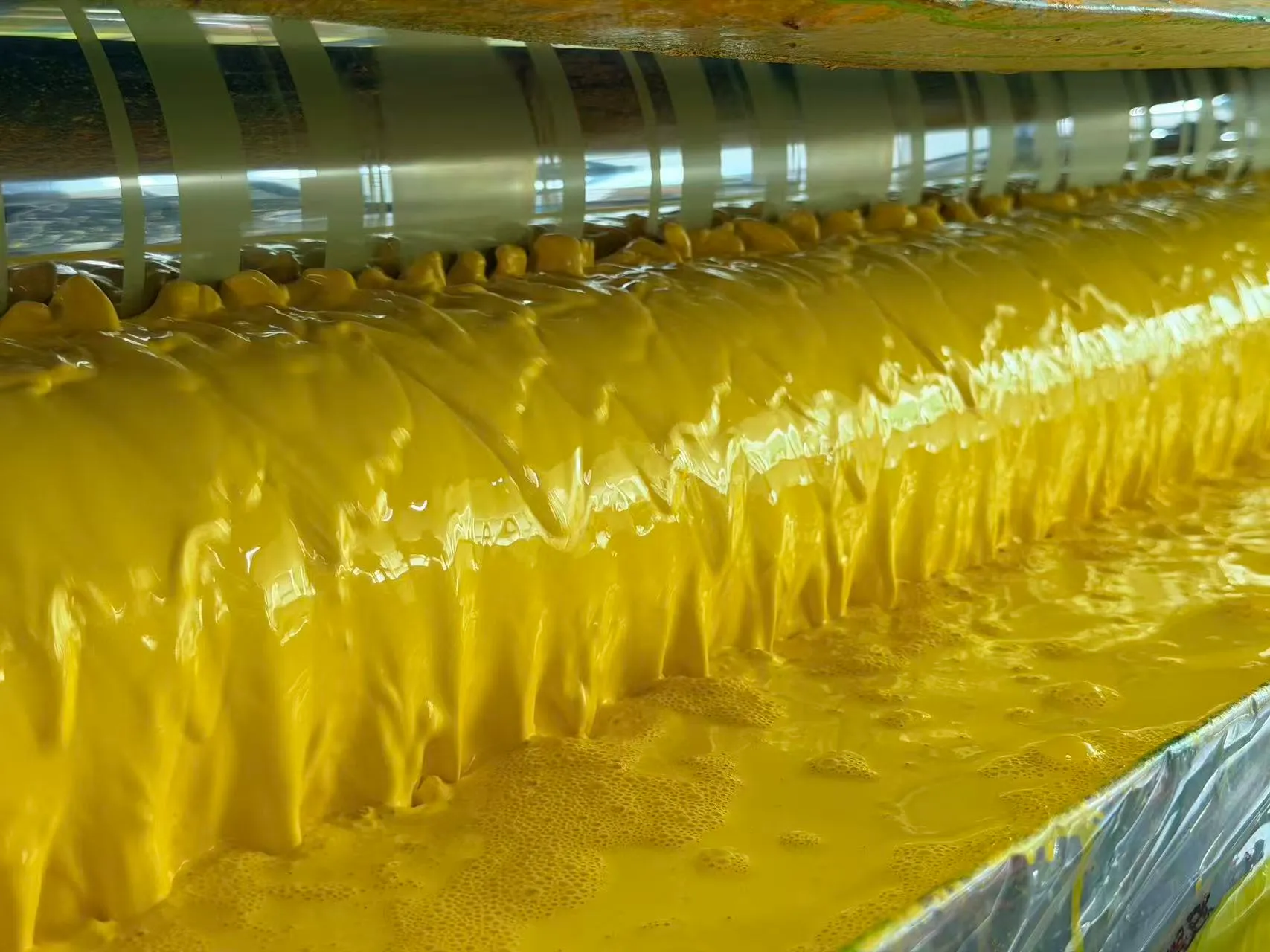
Los materiales de envasado flexible pueden variar considerablemente. Entre ellos pueden figurar el film de PE, el PET, el VMPET, el film laminado, las estructuras multicapa y otros materiales, en función de la aplicación del producto. Cada material presenta diferentes propiedades superficiales, requisitos de adhesión de la tinta, resistencia a la fricción y comportamiento durante el procesamiento.
Para un fabricante profesional de envases flexibles, el reto no consiste simplemente en imprimir un código QR. El reto es garantizar que el código QR se mantenga nítido, legible, correctamente alineado y estable durante todo el proceso de producción.
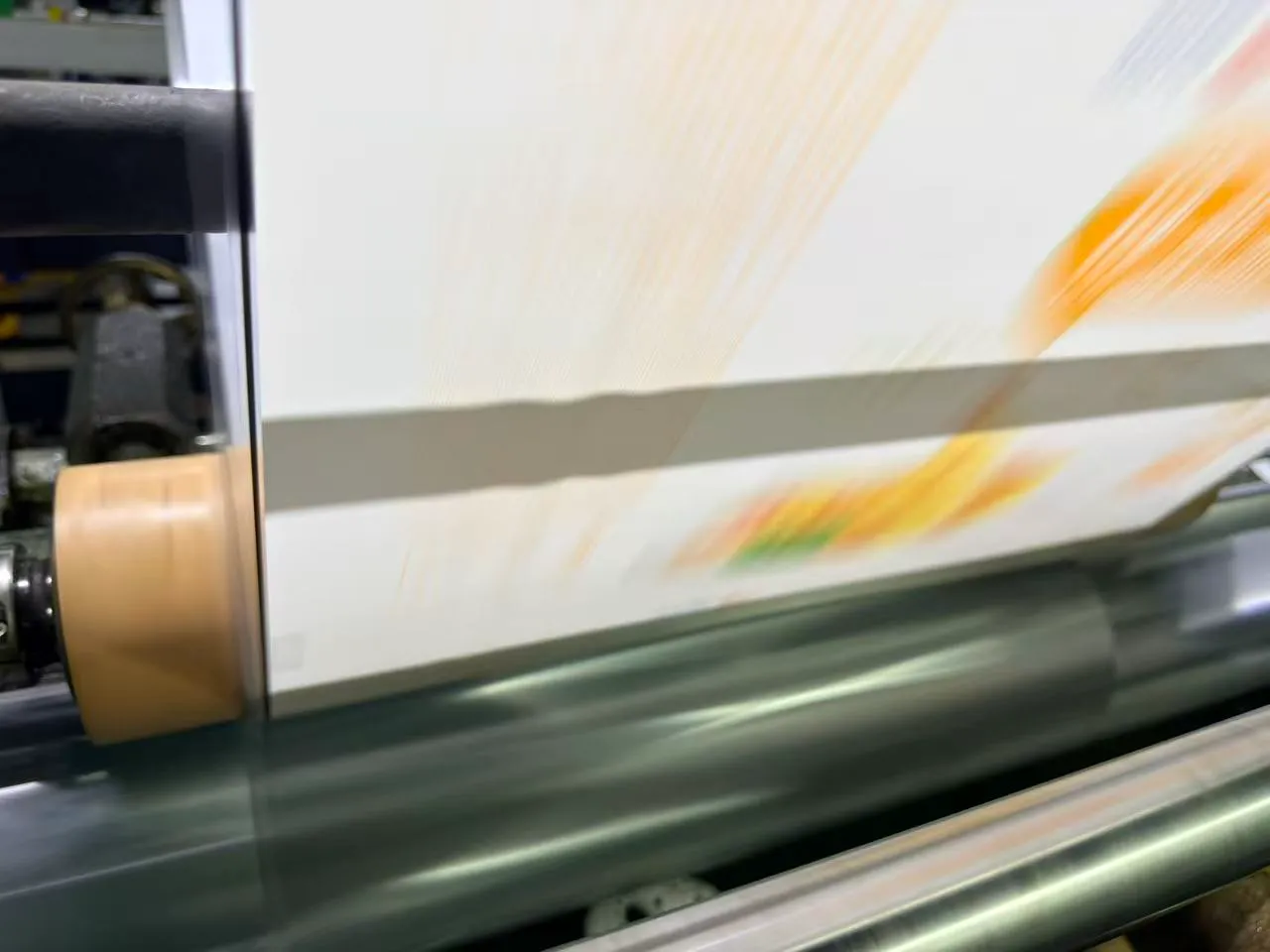
Esto incluye la impresión, el laminado, el corte longitudinal, la fabricación de bolsas, la inspección, el embalaje y la entrega.
Si se comete un error en algún paso, es posible que los datos ya no coincidan con el paquete físico.
Codificación por inyección de tinta UV de alta velocidad para una impresión estable de códigos QR
Tras comprobar los requisitos del proceso, Embalaje Zhongjia tecnología de codificación por inyección de tinta UV de alta velocidad seleccionada.
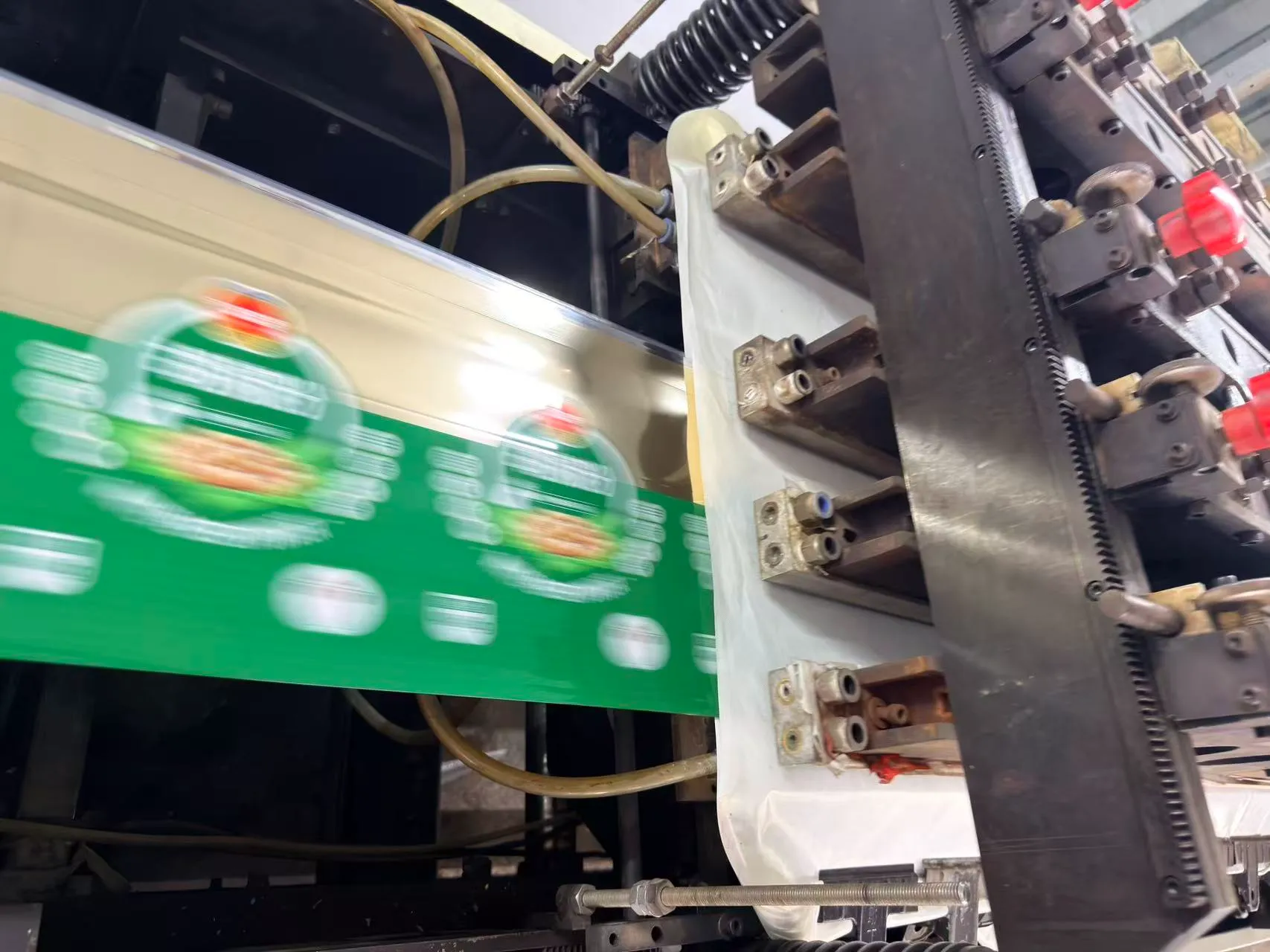
Este método podría igualar la velocidad de la línea de producción de impresión en huecograbado existente y permitir una impresión estable de códigos QR a velocidades de producción de hasta 200 metros por minuto. El código QR impreso podría alcanzar una resolución de hasta 400 PPI, lo que contribuiría a mantener la legibilidad y la claridad visual.
A diferencia de muchos códigos QR comunes impresos en la superficie, el código QR de esta solución está impreso en el interior de la estructura de la película. Una vez fabricado el envase definitivo, el desgaste normal de la superficie no afecta directamente a la calidad del código QR.
Esto es especialmente importante en el caso de los envases que puedan ser sometidos a procesos de transporte, manipulación, exposición en tiendas y uso por parte del consumidor.
Impresión en el interior de la estructura de la película
En este proyecto, el código QR no se consideró una simple marca superficial. Embalaje Zhongjia diseñó la ubicación del código y el método de impresión en función de la estructura del envase.
El código exterior se imprimió en primer lugar durante la fase principal de impresión. A continuación, la película impresa pasó al proceso de laminación.
Una vez laminada la película con VMPET, se imprimió el código interno en la posición requerida de la capa. Antes de imprimir el código interno, las bases de datos del código externo y del código interno se vincularon mediante un programa informático.
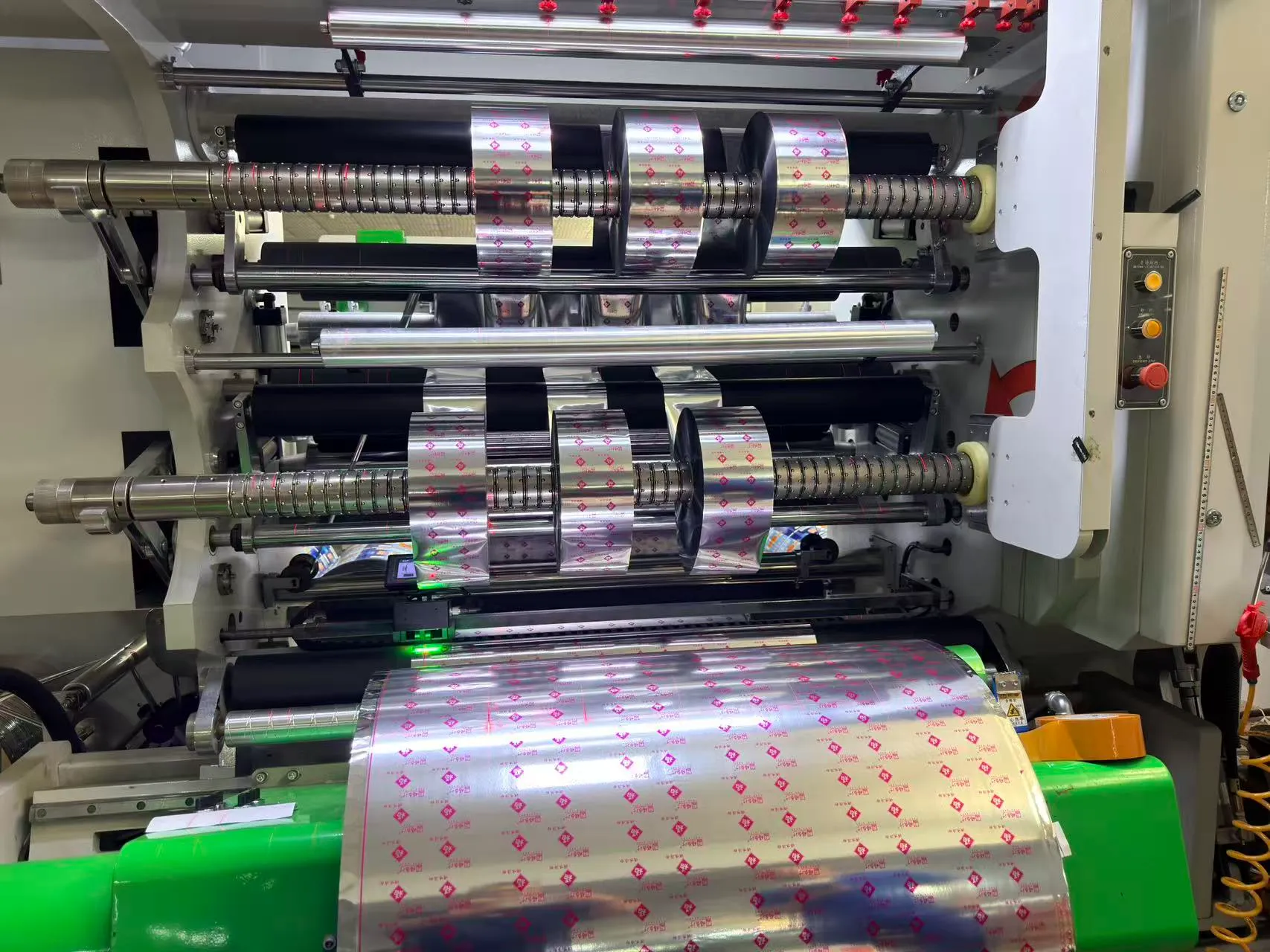
Durante la producción, una cámara de alta velocidad leía y analizaba el código exterior. A continuación, el sistema extraía automáticamente de la base de datos el código interior correspondiente y lo imprimía en la posición adecuada.
Este proceso requería una sincronización precisa entre los datos digitales y el movimiento físico de la película.
El mayor riesgo: la discrepancia entre los datos y el material
En la producción habitual de envases, un pequeño desplazamiento de la posición puede afectar únicamente al aspecto. Sin embargo, en los envases con códigos QR variables para la lucha contra la falsificación, una discrepancia entre el código exterior y el código interior puede provocar un problema grave.
Si se imprime un código interno incorrecto detrás de un código externo incorrecto, es posible que el paquete no supere la verificación. Si esto ocurre en un lote de producción de gran tamaño, todo el lote podría quedar inservible.
Por eso, el proceso debe controlar tanto el flujo de datos como el flujo físico de producción.
- Los datos deben transferirse correctamente.
- La película debe reproducirse correctamente.
- La cámara debe leer correctamente.
- El sistema de codificación debe imprimir correctamente.
- El sistema de inspección final debe realizar la verificación correctamente.
Cualquier discrepancia puede dar lugar al rechazo del producto, a reclamaciones de los clientes o a confusiones en los datos.
Inspección visual en tiempo real para el control de calidad
Para reducir este riesgo, Embalaje Zhongjia introdujo un sistema de inspección visual en el proceso de producción.
El sistema lee cada código QR impreso en tiempo real y comprueba tanto la exactitud de los datos como la calidad de impresión. Si el código es ilegible, está mal impreso, mal colocado o no coincide, el sistema puede activar inmediatamente una alarma y registrar la ubicación del problema.
Esto ayuda al equipo de producción a detectar rápidamente los problemas y a evitar que los rollos defectuosos pasen a la siguiente fase del proceso.
Para los compradores B2B, este tipo de control de calidad es fundamental. Los envases antifalsificación solo tienen valor cuando el código se puede escanear realmente y es fiable.
Cómo verifican los consumidores el producto
El proceso de verificación del consumidor es sencillo.
En primer lugar, el consumidor escanea el código QR exterior que aparece en el envase. El sistema muestra un mensaje en el que se le pide al consumidor que siga las instrucciones y escanee el código interior tras abrir el envase.
A continuación, el consumidor abre el envase y escanea el código QR interior. Si el código exterior y el código interior coinciden correctamente en la base de datos, el sistema muestra un mensaje del tipo:
“Verificación realizada con éxito. Este es un producto auténtico. Úselo con total confianza”.”
La marca también ofrece a los consumidores la posibilidad de consultar los códigos a través de su página web oficial.
Si alguien intenta recoger envases auténticos y reutilizarlos para productos falsos, el sistema puede detectar escaneos repetidos. Por ejemplo, si se escanea el mismo código muchas veces, el sistema puede mostrar una advertencia como:
“Este producto se ha escaneado varias veces. Ponte en contacto con el fabricante”.”
Esto permite a la marca rastrear actividades sospechosas a través de los canales de compra, las zonas de distribución y los registros de escaneo.
Ventajas e inconvenientes de los envases con código QR doble para la lucha contra la falsificación
Ventajas
Mayor protección contra la falsificación:
La verificación mediante dos códigos QR es más difícil de falsificar que una etiqueta única, ya que requiere que el código exterior, el código interior y la base de datos del servidor coincidan correctamente.
Mayor confianza de los consumidores:
Los consumidores pueden verificar el producto con un simple escaneo, lo que mejora la transparencia y la confianza.
Menor riesgo de reutilización de los envases:
Dado que el código interior solo es visible tras abrir el envase, esto permite confirmar si el envase se ha abierto o se ha reutilizado.
Adecuado para la protección de la marca:
Esta solución resulta útil para tarjetas, juguetes, alimentos, productos de uso diario, artículos promocionales, objetos de colección y otros artículos envasados que presentan riesgo de falsificación.
Compatible con la producción de envases flexibles:
Mediante las pruebas adecuadas de los materiales, el marcado por inyección de tinta UV, el laminado y la inspección, la solución puede integrarse en la fabricación de envases flexibles.
Permite la trazabilidad:
Los datos de escaneo pueden ayudar a las marcas a identificar escaneos repetidos, zonas sospechosas o posibles canales de falsificación.
Contras
Mayor complejidad técnica:
En comparación con la impresión habitual de envases, el etiquetado con códigos QR variables requiere una gestión de bases de datos, equipos de codificación, lectores ópticos y sistemas de inspección.
Requisitos más estrictos en materia de control de la producción:
El fabricante debe asegurarse de que el código exterior y el código interior coincidan correctamente a lo largo de todo el proceso de producción.
Más preparativos antes de la producción en serie:
La marca y el proveedor de envases deben confirmar la lógica de verificación, las normas de codificación, la estructura de la base de datos y la experiencia de escaneo del consumidor antes de iniciar la producción.
No es adecuado para todos los productos de bajo coste:
En el caso de productos de valor extremadamente bajo, es posible que el coste adicional no sea necesario, a menos que el riesgo de falsificación sea elevado.
Requiere la colaboración entre la marca y el proveedor:
Para que un proyecto de envases antifalsificación tenga éxito, es necesaria una comunicación clara entre el propietario de la marca, el equipo de desarrollo de software y el fabricante de envases.
¿Por qué resulta esta solución tan valiosa para los compradores B2B?
Para los compradores B2B, el embalaje no es solo un recipiente. Forma parte de la seguridad del producto, la comunicación de la marca, la experiencia del consumidor y el control de la cadena de suministro.
Una bolsa de embalaje antifalsificación bien diseñada puede ayudar a las marcas a proteger sus productos antes de que lleguen a las estanterías. Además, puede aportar mayor confianza a los distribuidores y minoristas a la hora de manipular los productos de marca.
Esto resulta especialmente valioso para las empresas que venden productos a través de múltiples canales, como plataformas en línea, mayoristas, tiendas minoristas, importadores y distribuidores regionales.
Cuando aparecen productos falsificados en el mercado, la marca suele perder algo más que un pedido. Puede perder la confianza de los consumidores. Un sistema de verificación basado en el embalaje ofrece a la marca una herramienta práctica para hacer frente a esta situación.
Preguntas frecuentes: Bolsas de embalaje antifalsificación
¿Qué son las bolsas de embalaje antifalsificación?
Las bolsas de embalaje antifalsificación son bolsas de embalaje flexibles diseñadas con características de seguridad que ayudan a los consumidores, distribuidores o propietarios de marcas a verificar si un producto es auténtico. Estas características pueden incluir códigos QR variables, códigos ocultos, números de serie, efectos especiales de impresión o autenticación basada en bases de datos.
¿Por qué utilizar códigos QR en los envases para combatir la falsificación?
Los códigos QR son fáciles de escanear para los consumidores con sus teléfonos inteligentes. Cuando cada código QR es único y está vinculado a una base de datos, la marca puede verificar la autenticidad del producto, supervisar la actividad de escaneo y detectar usos repetidos sospechosos.
¿Cuál es la diferencia entre un código QR fijo y un código QR variable?
Un código QR fijo es el mismo en todos los paquetes. Normalmente redirige a una página web o a una página de información general. Un código QR variable es diferente en cada paquete y puede estar vinculado a una identidad única del producto. A la hora de combatir la falsificación, los códigos QR variables son mucho más eficaces que los códigos fijos.
¿Por qué utilizar tanto un código externo como uno interno?
El código exterior ofrece a los consumidores una forma rápida de comprobar el producto. El código interior proporciona un segundo paso de verificación tras abrir el envase. Al tener que coincidir ambos códigos, a los falsificadores les resulta mucho más difícil copiar o reutilizar el envase.
¿Se puede utilizar esta solución para el envasado de alimentos?
Sí, se puede considerar para el envasado de alimentos, pero es necesario revisar cuidadosamente la estructura del material, la ubicación de la tinta y los requisitos de seguridad en cuanto al contacto con los alimentos. El código interior debe imprimirse en una capa adecuada que no entre en contacto directo con el producto.
¿Se puede utilizar para el embalaje de juguetes o de tarjetas?
Sí. Esta solución resulta especialmente adecuada para tarjetas, juguetes, artículos de colección, productos promocionales y artículos de marca vendidos al por menor, en los que los envases falsificados pueden dañar la reputación de la marca y la confianza de los consumidores.
¿Se puede seguir escaneando el código QR después del transporte?
Con el método de impresión adecuado, la estructura del material y un control de calidad adecuado, el código QR puede seguir siendo legible durante su manipulación y transporte habituales. En este proyecto, Zhongjia Packaging imprimió el código en el interior de la estructura del film, lo que contribuyó a reducir el riesgo de que la abrasión superficial afectara al código.
¿Qué deben preparar las marcas antes de iniciar un proyecto?
Las marcas deben preparar la lógica de verificación, el mensaje que se muestra al consumidor al escanear el código, la cantidad de códigos, la información sobre el SKU del producto, los requisitos de la base de datos, la estructura del embalaje y el escenario de uso previsto. A continuación, un fabricante de embalajes profesional puede ayudar a comprobar la viabilidad de la impresión y la estabilidad de la producción.
Resultados tras el parto
Una vez entregado el producto, el cliente dejó un comentario positivo.
Los productos falsificados en el mercado se redujeron considerablemente. Los consumidores ya no tenían que basarse únicamente en una etiqueta copiada o en su propio criterio visual. Podían escanear el envase y completar un proceso de verificación en dos pasos.
Curiosamente, el nuevo método de verificación también despertó un mayor interés entre los consumidores. Dado que esa tecnología no era habitual en ese mercado, algunos compradores sintieron curiosidad y quisieron probar el producto. Esto ayudó a la marca a mejorar la interacción con los consumidores y a ampliar sus canales de venta.
También hubo una pequeña pero útil mejora con respecto a Embalaje Zhongjia’por parte de la empresa. El equipo desarrolló un software interno capaz de comprobar en tiempo real si los códigos internos y externos coinciden. Esto facilitó la inspección por muestreo durante la producción y contribuyó a mejorar la eficiencia del control de calidad.
Colabora con Zhongjia Packaging para crear bolsas de embalaje personalizadas a prueba de falsificaciones
Fundada en 1996, Embalaje Zhongjia Es un fabricante de envases flexibles especializado en la impresión con tintas al agua. Prestamos servicio a más de 40 empresas de renombre y nuestros productos se exportan a más de 20 países.
Nuestra fábrica cuenta con cuatro líneas de producción de alta velocidad y equipos de envasado avanzados. Gracias a una gestión rigurosa, a las pruebas de laboratorio y a la mejora continua de los procesos, ayudamos a nuestros clientes a conseguir una calidad de envasado estable para alimentos, productos de uso diario, juguetes, tarjetas y otros bienes de consumo.
Embalaje Zhongjia Fabrica una amplia gama de bolsas de envase flexible, entre las que se incluyen bolsas con fondo plano, bolsas con cierre hermético, bolsas con fuelle lateral y soluciones de envase con impresión personalizada.
Si su marca se enfrenta a riesgos de falsificación, o si desea mejorar su embalaje con verificación mediante códigos QR variables, autenticación mediante código doble o impresión antifalsificación personalizada, Zhongjia Packaging puede ayudarle en su proyecto, desde el diseño de la estructura y la selección de materiales hasta la impresión, el laminado, la inspección y la producción en serie.
Póngase en contacto con Embalaje Zhongjia para hablar sobre tu solución personalizada de bolsas de embalaje antifalsificación y crear un embalaje más seguro e inteligente para tu marca.
