



Выбор подходящей красочной системы для печати на рулонной пленке - это техническое решение, которое влияет на качество продукции, соответствие нормативным требованиям и общую стоимость владения. Для покупателей упаковки, конвертеров и брендовых команд выбор между системами на основе растворителей и чернила на водной основе Решения требуют оценки совместимости пленки, производительности пресса, требований к летучим органическим соединениям и безопасности, возможности последующей переработки и экономической эффективности.
С компанией Zhongjia Printing, которая эксперт по производству гибкой упаковки, Мы рассмотрим прагматичное сравнение и схему принятия решения, чтобы помочь покупателям B2B выбрать правильное решение для их задач.
Почему выбор краски имеет значение для рулонной пленки
Чернила взаимодействуют со всеми звеньями цепочки поставок упаковки:
- Он должен надежно прилипать к выбранной пленке или ламинату, управляя при этом поверхностным натяжением (уровнем dyne), чтобы избежать дефектов смачивания.
- Он влияет на энергию сушки, скорость линии и производительность.
- Это способствует выбросам летучих органических соединений и требованиям к разрешениям/выхлопам.
- Это влияет на возможность вторичной переработки и обработку печатных пленок в конце срока службы.
Неправильное решение о краске может привести к дорогостоящим переделкам, проблемам с регулированием или сроком годности - поэтому относитесь к этому как к инженерной спецификации, а не просто как к творческому выбору.
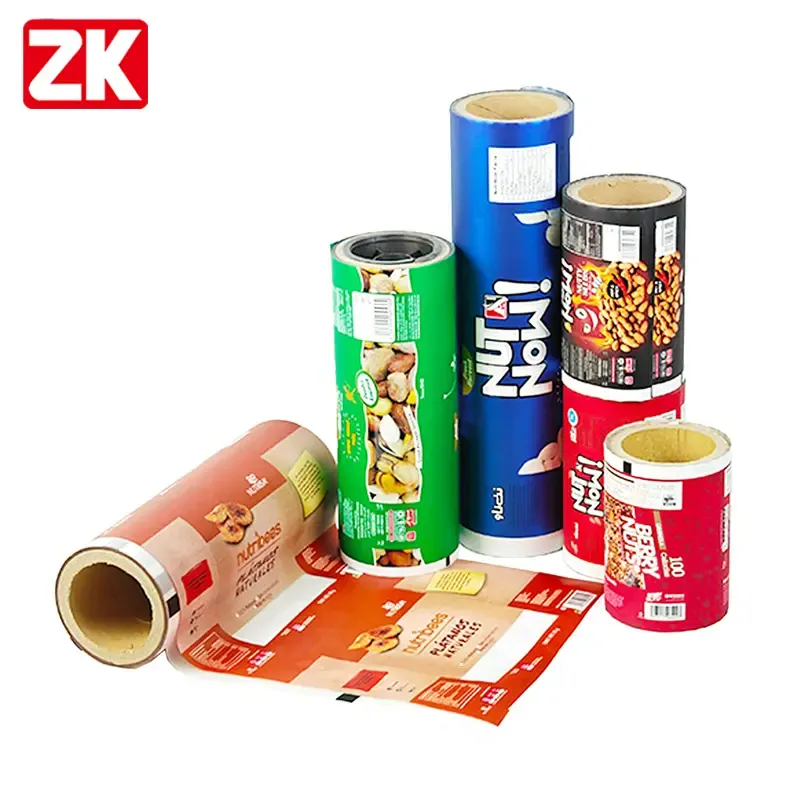
Чернила на основе растворителей: Сильные и слабые стороны
Сольвентные системы давно применяются в высокоскоростной печати гибкой упаковки.
Сильные стороны
- Отличная адгезия на непористых пленках с низким энергопотреблением (ПЭТ, металлизированные подложки).
- Высокая насыщенность цвета и блеск; предсказуемое совпадение цветов в масштабе.
- Хорошо зарекомендовали себя при высоких скоростях прессования, стабильно высыхая благодаря низкой скрытой теплоте испарения органических растворителей.
Ограничения
- Высокие выбросы летучих органических соединений требуют применения систем регенерации растворителей или борьбы с ними, что увеличивает капитальные и эксплуатационные расходы.
- Безопасность работников, пожаро- и взрывобезопасность усложняют конструкцию.
- Растущее давление регулирующих органов и требования розничных сетей к устойчивости снижают долгосрочную привлекательность.
Для проектов, где приоритетом является адгезия пленки и высокая производительность - и где на объекте уже есть инфраструктура для работы с растворителями - сольвентные чернила остаются надежным выбором.
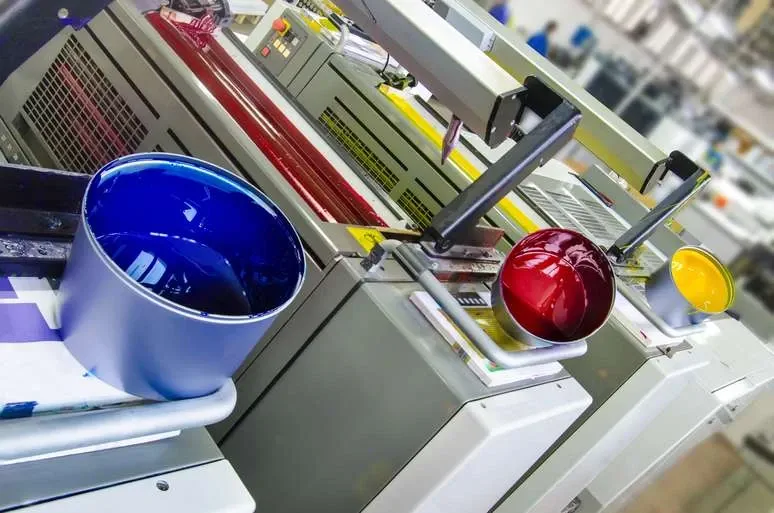
Чернила на водной основе: Устойчивость при растущих технических возможностях
Чернила на водной основе по мере совершенствования рецептур и технологий сушки превратилась из нишевой в основную.
Почему это важно
- Снижение выбросов летучих органических соединений значительно упрощают соблюдение экологических норм и повышают безопасность труда.
- Хорошо работает на пленках, обработанных коронным разрядом, а также с соответствующими грунтовками или праймерами.
- Все чаще указывается брендами и розничными торговцами в качестве части требований по устойчивому развитию.
Технические соображения
- Требуются значительные дополнительные мощности для сушки (воздушные ножи, охлаждающие валы) и более жесткий контроль натяжения полотна, чтобы избежать схода (переноса краски на контактирующую с пищей сторону во время перемотки).
- Некоторые пленки требуют оптимизации обработки поверхности (коронирование/грунтовка) для обеспечения паритета адгезии с системами растворителей.
- Для металлизированных пленок (VMPET) требуются специальные марки на водной основе для предотвращения окисления алюминиевого слоя и последующего расслоения.
- Существуют составы на водной основе с низким уровнем миграции для применения в пищевой промышленности, но покупатели должны запрашивать подтвержденные данные.
Для покупателей приоритетом является устойчивость, простота регулирования и готовность к будущему, чернила на водной основе теперь является основным вариантом для оценки - при условии совместимости пресса и подложки.
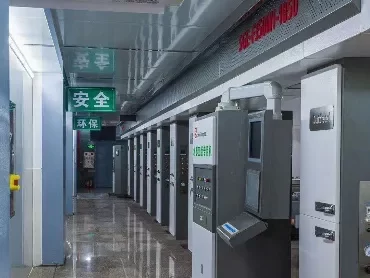
Операционные компромиссы: Скорость, энергия и отходы
Выбор чернил меняет экономику производства.
- Системы с растворителем могут достигать очень высоких скоростей линии при наличии установок регенерации растворителя; потребление энергии умеренное, но капитальные вложения высоки.
- Установки на водной основе обычно требуют в 2-4 раза больше тепловой энергии для удаления влаги; новые воздухосберегающие сушилки сокращают этот разрыв, но увеличение электрической нагрузки на единицу продукции должно учитываться при расчете совокупной стоимости владения.
- При цифровой печати уменьшаются отходы от переналадки и отходы от форм/слотов - это часто сочетается с чернила на водной основе для коротких серийных работ с большим количеством SKU.
Прежде чем приступить к работе, оцените весь производственный профиль: производительность, доступные мощности сушилок, частоту переналадки и ассортимент SKU.
Соответствие нормам, безопасность пищевых продуктов и возможность вторичной переработки
Три проверки при закупках не подлежат обсуждению:
- Данные о миграции и низком уровне миграции - убедиться в том, что при испытаниях учитывается миграция “зацепа” при хранении валов под высоким давлением.
- Отчетность по летучим органическим соединениям и выбросам - Поставщики должны предоставить измеренные показатели ЛОС и спецификации по борьбе с загрязнением для систем с растворителями.
- Влияние переработки - Убедитесь в том, что краска не смывается; некоторые краски на водной основе могут подкрашивать промывочную воду при механической переработке, что приводит к обесцвечиванию PCR (Post-Consumer Resin). Указывайте “моющиеся” или “немоющиеся” системы. Покупатели должны требовать документацию в рамках RFQ - DoC, CoA, отчеты о ЛОС и независимые тесты на пригодность к переработке (например, протоколы APR или RecyClass).
Покупатели должны требовать документацию в рамках RFQ - DoC, CoA, отчеты о ЛОС и независимые тесты на пригодность к переработке.
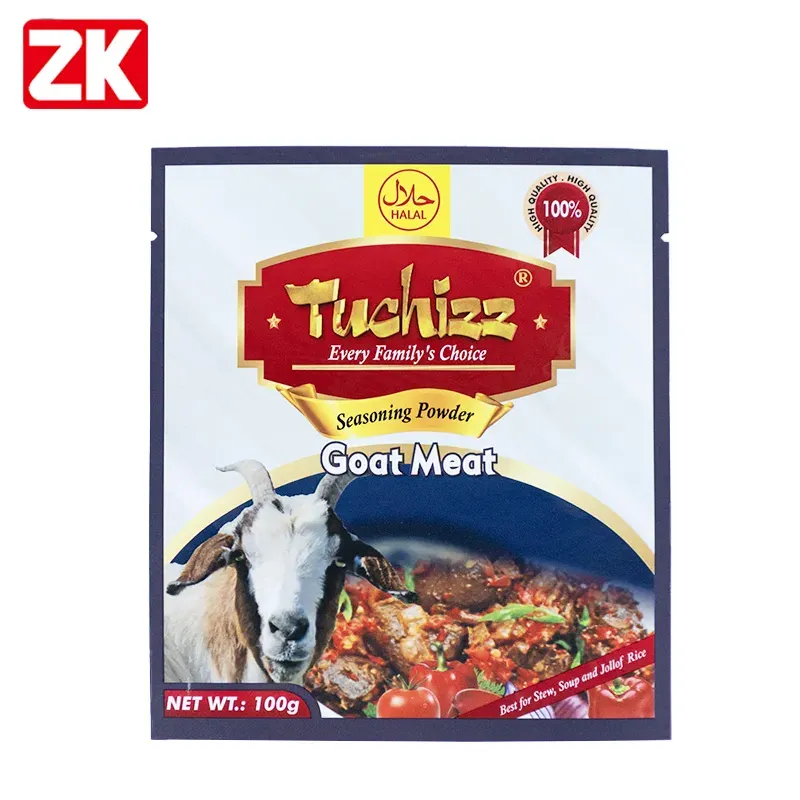
Когда предпочесть каждую систему (правила принятия решений)
- Выберите чернила на основе растворителя Когда: пленка представляет собой реактивную металлизированную подложку без специализированных грунтовок, требуемая скорость линии превышает допустимые возможности водной основы, или когда конвертер уже имеет надежные системы работы с растворителями.
- Выберите чернила на водной основе Когда: требования к экологичности (ритейлер/ESG) являются основными, ограничения по содержанию летучих органических соединений строгие, или при коротком, регионально локализованном производстве с обработанными пленками или грунтовками.
По возможности проведите параллельные испытания пресса на реальной пленке и на запланированных скоростях - такая проверка является самым надежным показателем успеха.
Сводная таблица
| Предмет сравнения | Сольвентные чернила | Чернила на водной основе |
| Выбросы летучих органических соединений | Высокий | Низкий |
| Адгезия пленки (необработанные пленки) | Превосходно | Хорошо (требуется корона/грунтовка) |
| Скорость печати | Очень высокий | Средне-высокий |
| Насыщенность цвета | Очень высокий | Высокий |
| Потребление энергии при сушке | Умеренный | От высокого до очень высокого |
| Пригодность упаковки для пищевых продуктов | Хорошо (с управлением) | Очень хорошо (варианты с низкой миграцией) |
| ESG / Приемлемость для розничной торговли | Средний | Высокий |
| Сложность модернизации | Высокий (системы безопасности) | Средний (требует модернизации для сушки/охлаждения) |
Заключение
Универсального ответа не существует. Чернила на водной основе сегодня предлагают значительные преимущества в плане экологичности и соответствия нормативным требованиям и технически способны выполнять все больший спектр работ с рулонной пленкой, но при этом не требуют обработки пленки, высокая потребность в тепловой энергии, и скорость производства остаются определяющими факторами. Отнеситесь к выбору чернил как к системной инженерной проблеме: согласуйте структуру пленки, возможности пресса, правила эмиссии и возможность последующей переработки. При совместной оценке и проверке любая из систем может обеспечить надежную, соответствующую требованиям упаковку, но долгосрочное стратегическое направление для многих брендов - это выбор чернил на водной основе в качестве базового.
О сайте Упаковка Zhongjia
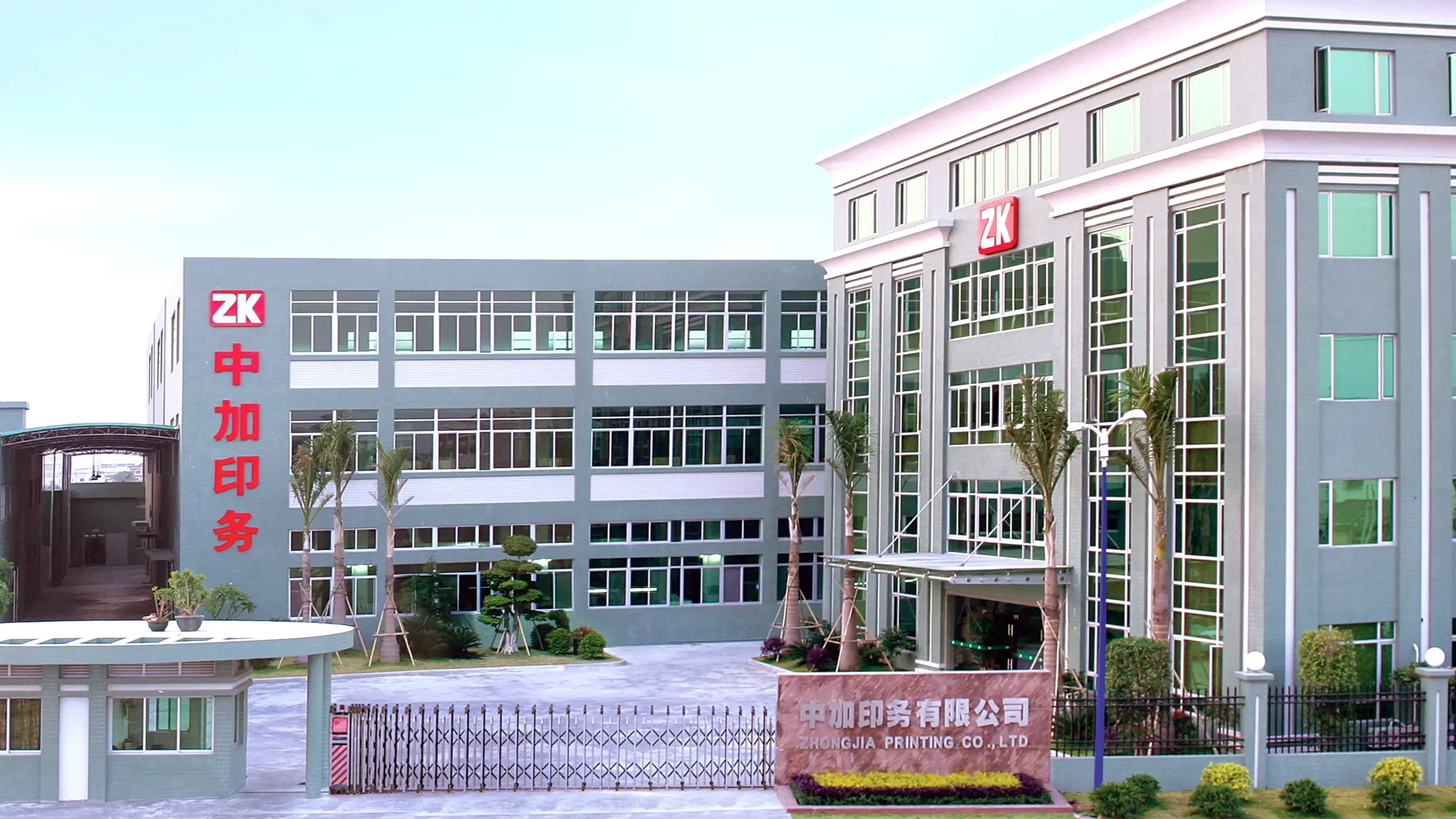
Компания Zhongjia Printing является опытным производитель гибкой упаковки на заказ с передовыми Технология печати чернилами на водной основе которая обеспечивает экологически чистые, яркие и безопасные для пищевых продуктов результаты. Наша фабрика использует воду в качестве основного растворителя при печати, что значительно снижает выбросы летучих органических соединений и повышает безопасность упаковки при сохранении высокой эффективности производства благодаря оптимизированным процессам.
Мы предлагаем оптовые пользовательские гибкие упаковочные пакеты и Индивидуальные решения для гибких упаковочных пакетов которые сочетают в себе экологичность и готовность к работе на рынке. Интегрируя экологически ответственную печать со строгим контролем качества, типография Zhongjia Printing поддерживает бренды, стремящиеся к более экологичным вариантам упаковки без ущерба для визуального воздействия или долговечности.
ЧАСТО ЗАДАВАЕМЫЕ ВОПРОСЫ
Q1: Могут ли чернила на водной основе сравниться с сольвентными чернилами по качеству цвета?
Да - современные составы на водной основе обеспечивают высокую насыщенность цвета. Однако для глянцевых покрытий и некоторых металлических эффектов лучше использовать системы на основе растворителей или УФ-излучения.
Вопрос 2: Потребуется ли для перехода на чернила на водной основе новое оборудование?
Часто требуется модернизация сушилок и, возможно, улучшение контроля натяжения полотна. Для старых линий, скорее всего, потребуются инвестиции; для более новых печатных машин переоборудование обычно проще.
Вопрос 3: Безопасны ли чернила на водной основе для печати на пищевых продуктах?
Существуют чернила на водной основе с низким уровнем миграции, но для их использования требуется подтвержденное тестирование миграции и DoC. Всегда запрашивайте лабораторные отчеты, соответствующие вашей подложке и процессу.
Вопрос 4: Какая система чернил лучше поддерживает упаковку, пригодную для вторичной переработки?
В целом, чернила на водной основе более дружелюбен к переработке, но окончательная совместимость зависит от лаков и покрытий. Уточните у переработчиков.
Q5: Какую документацию следует запрашивать у покупателей?
DoC для конкретного слоя, отчеты о миграционных испытаниях, замеры содержания летучих органических соединений и независимые данные о пригодности к переработке/EPD, если таковые имеются. Настаивайте на пробных образцах.
