



Wenn Sie schon einmal frisch gerösteten Kaffee gekauft haben, ist Ihnen wahrscheinlich ein kleines rundes Element an der Verpackung aufgefallen. Viele Verbraucher gehen davon aus, dass sie durch diese Entlüftungsöffnung den Kaffee vor dem Kauf riechen können, doch das ist nicht ihre Hauptfunktion.
Das Entlüftungsventil, genauer gesagt als Kaffee-Entgasungsventil oder Einweg-Entgasungsventil bezeichnet, spielt eine entscheidende Rolle für die Erhaltung der Qualität von geröstetem Kaffee. Frisch geröstete Bohnen setzen nach dem Rösten kontinuierlich Kohlendioxid frei, wodurch sich in der versiegelten Verpackung ein Druck aufbaut. Ohne ein geeignetes Entlüftungssystem können sich Kaffeebeutel während der Lagerung und des Transports aufblähen, verformen oder sogar platzen.
Für Kaffeeröster, Händler und Einkäufer von Verpackungsmaterial ist es für die Auswahl der richtigen Verpackungslösung unerlässlich, die Funktionsweise von Ventilen in Kaffeeverpackungen zu verstehen. In diesem Leitfaden erläutern wir, warum Kaffeeverpackungen über Entlüftungsöffnungen verfügen, wie Entgasungsventile funktionieren, wann sie erforderlich sind und was Kaffeemarken bei der Beschaffung von Verpackungsmaterial beachten sollten.
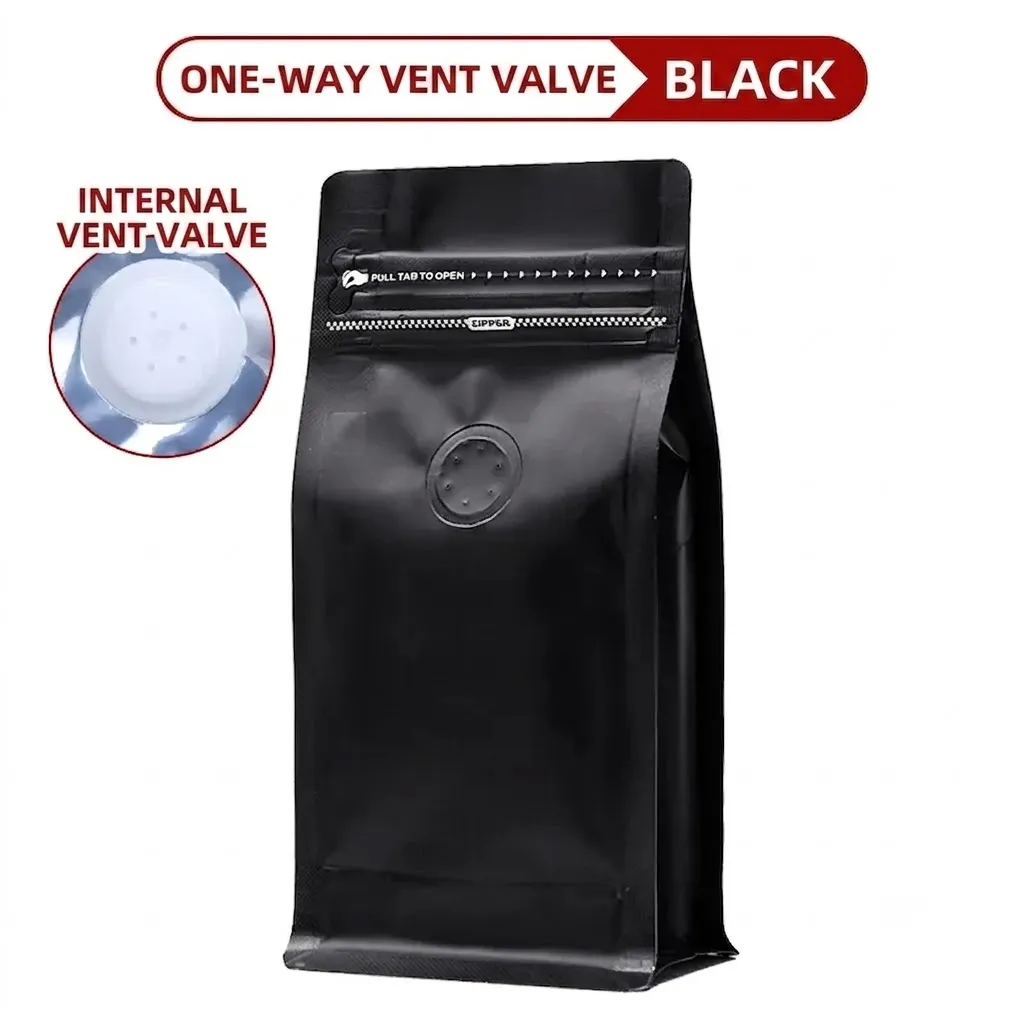
Wozu dient die Entlüftungsöffnung an einem Kaffeebeutel?
Das Kaffee-Entgasungsventil verstehen
Die Entlüftungsöffnung, die an vielen Kaffeeverpackungen zu finden ist, wird als Kaffeeverpackungsventil, Kaffee-Entgasungsventil oder Einweg-Entgasungsventil bezeichnet.
Der Zweck ist einfach:
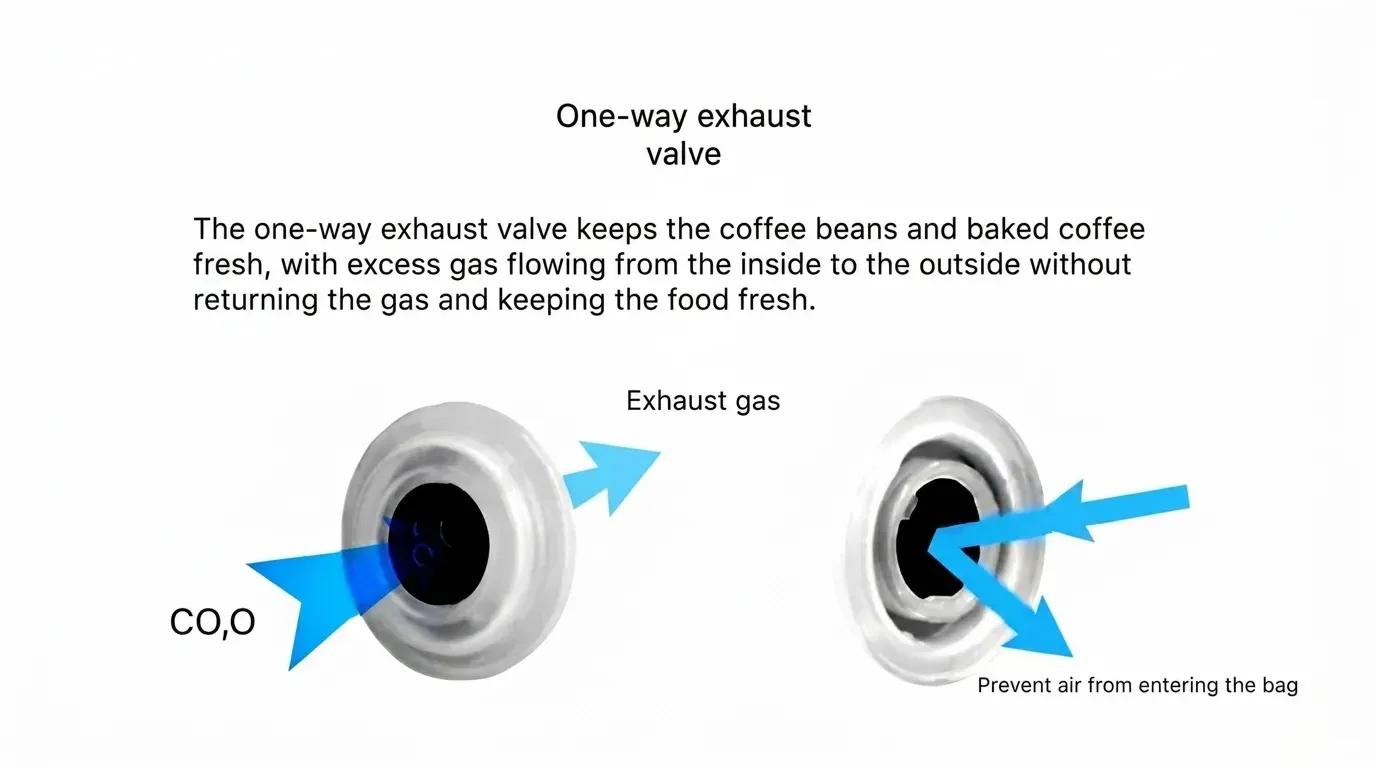
- Lassen Sie Kohlendioxid (CO₂) aus der Verpackung entweichen
- Verhindern Sie, dass Sauerstoff in die Verpackung gelangt
Dieser Einwegfluss trägt dazu bei, die Frische des Kaffees zu bewahren und gleichzeitig die Verpackung vor übermäßigem Innendruck zu schützen.
Wo sich das Ventil befindet
Die meisten Ventile werden an folgenden Stellen eingebaut:
- Die Vorderseite des Kaffeebeutels
- Der obere Teil der Verpackung
- In der Nähe der Mitte oder der oberen Ecke
Der genaue Ort hängt vom Beuteldesign und vom Abfüllvorgang ab.
Ventile sind häufig zu finden an:
- Stehende Kaffee-Beutel
- Kaffeebeutel mit Seitenfalte
- Kaffeebeutel mit flachem Boden
- Kaffeebeutel mit Vierfachversiegelung
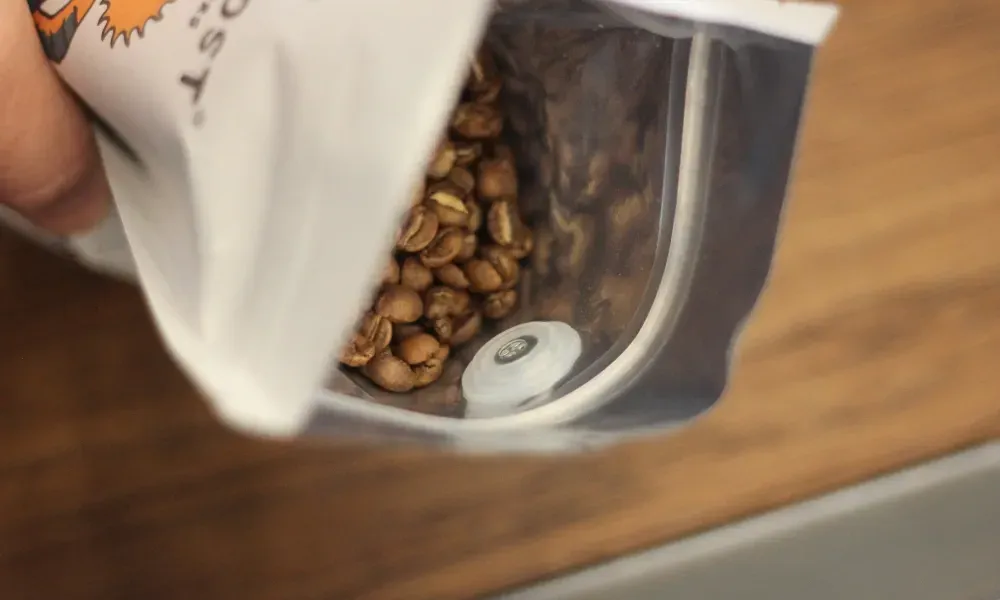
Warum frisch gerösteter Kaffee Gas freisetzt
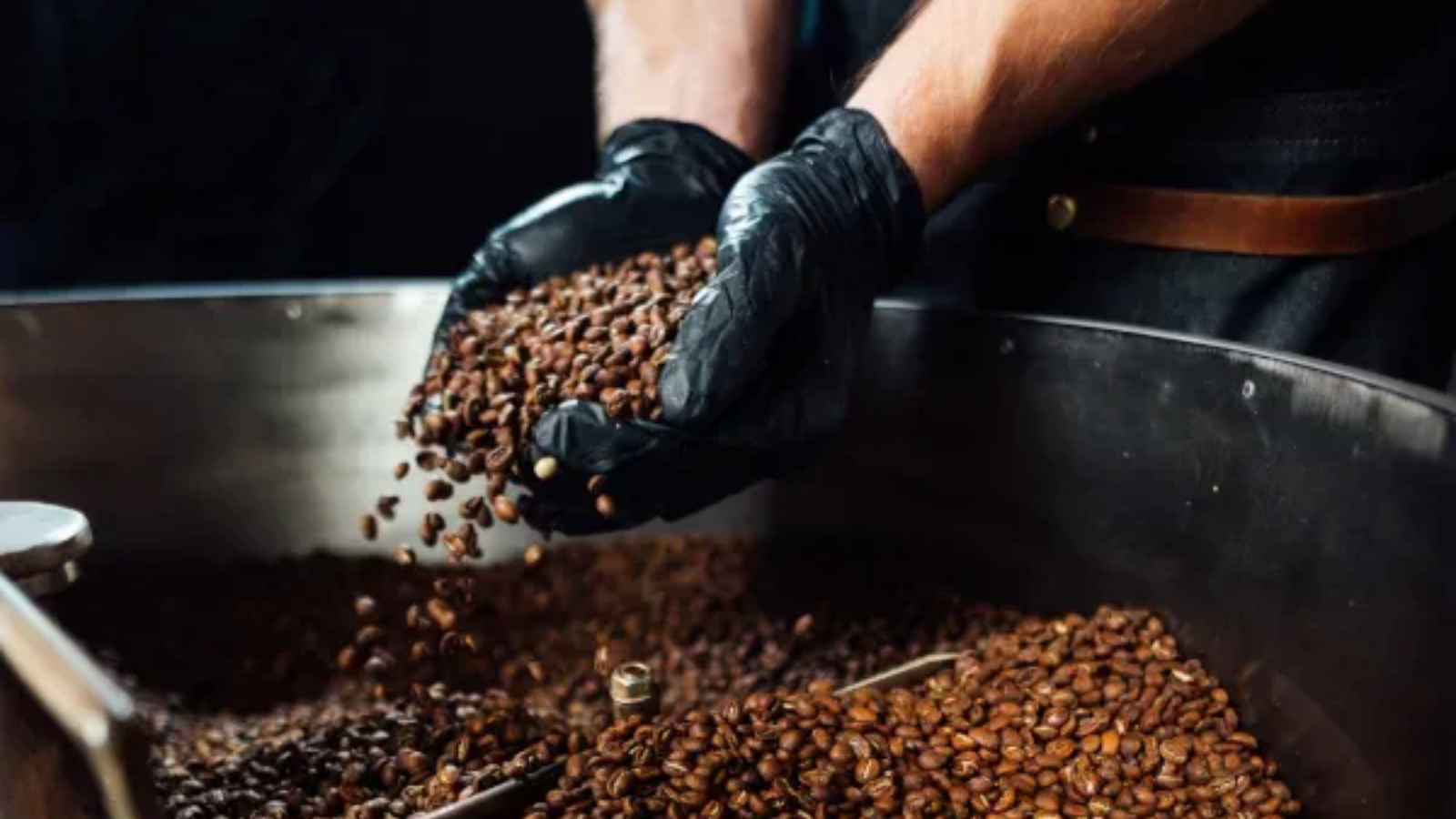
Der Röstprozess von Kaffee
Das Kaffeerösten ist ein komplexer thermischer Prozess, bei dem grüne Kaffeebohnen in aromatische Röstbohnen verwandelt werden.
Während des Röstens:
- Feuchtigkeit verdunstet
- Zucker karamellisiert
- Es entstehen aromatische Verbindungen
- Innerhalb der Bohnenstruktur entstehen Gase
Eines der wichtigsten Gase, die dabei entstehen, ist Kohlendioxid.
Kohlendioxidbildung beim Rösten
Beim Rösten wird Kohlendioxid in der Zellstruktur der Kaffeebohnen eingeschlossen.
Nach Abschluss des Röstvorgangs beginnen die Bohnen, dieses Gas nach und nach freizusetzen – ein Vorgang, der als Entgasung von Kaffee.
Untersuchungen zeigen, dass frisch gerösteter Kaffee noch Wochen nach dem Rösten Kohlendioxid abgeben kann.
Der Großteil der Gasfreisetzung findet kurz nach dem Rösten statt, weshalb die Wahl der Verpackung in dieser Phase besonders wichtig ist.
Wie lange dauert die Entgasung von Kaffee?
Die Entgasungsrate hängt von mehreren Faktoren ab:
- Röstgrad
- Herkunft der Bohnen
- Mahlgrad
- Lagertemperatur
Allgemein:
- In den ersten 24 bis 72 Stunden findet eine erhebliche Entgasung statt
- Die aktive Entgasung dauert ein bis zwei Wochen an
- Auch in den folgenden Wochen können noch kleinere Mengen Gas austreten
Bei Kaffeemarken, die frisch geröstete Produkte verkaufen, muss die Verpackung dieser kontinuierlichen Gasabgabe Rechnung tragen.
Warum Kaffeeverpackungen Belüftungsöffnungen brauchen
Verhindern von Aufquellen und Bersten von Verpackungen
Ohne Ventil sammelt sich Kohlendioxid im Inneren der Verpackung an.
Wenn der Druck steigt, kann der Beutel:
- Übermäßig ausdehnen
- Das Regal sieht unordentlich aus
- Druckdichtungen
- Platzen während des Transports
Ein Kaffeebeutel verfügt über eine Entlüftungsöffnung, über die überschüssiges Gas sicher entweichen kann, bevor der Druck zu einem Problem wird.
Die Frische des Kaffees bewahren
Die Frische von Kaffee ist äußerst empfindlich gegenüber Sauerstoffeinwirkung.
Wenn Sauerstoff in eine Verpackung eindringt, beschleunigt dies:
- Oxidation
- Geschmacksverlust
- Aromaverlust
Entgasungsventile tragen dazu bei, im Inneren der Verpackung ein schützendes Milieu aufrechtzuerhalten, während sie gleichzeitig das Entweichen von Gas ermöglichen.
Das Kaffeearoma bewahren
Kaffee enthält Hunderte von flüchtigen Aromastoffen.
Diese Verbindungen sorgen für das Geschmacks- und Aromaprofil, das die Verbraucher erwarten.
Da sie das Eindringen von Sauerstoff verhindern, tragen Kaffeebeutel mit Ventilen dazu bei, diese empfindlichen Inhaltsstoffe länger zu bewahren.
Verlängerung der Haltbarkeit
Eine ordnungsgemäße Verpackung der Ventile trägt dazu bei, dass:
- Bessere Aromabewahrung
- Langsamere Oxidation
- Geringere Veralterung
- Verbesserte Produktstabilität
Für kommerzielle Kaffeemarken bedeutet dies eine längere und zuverlässigere Haltbarkeit.
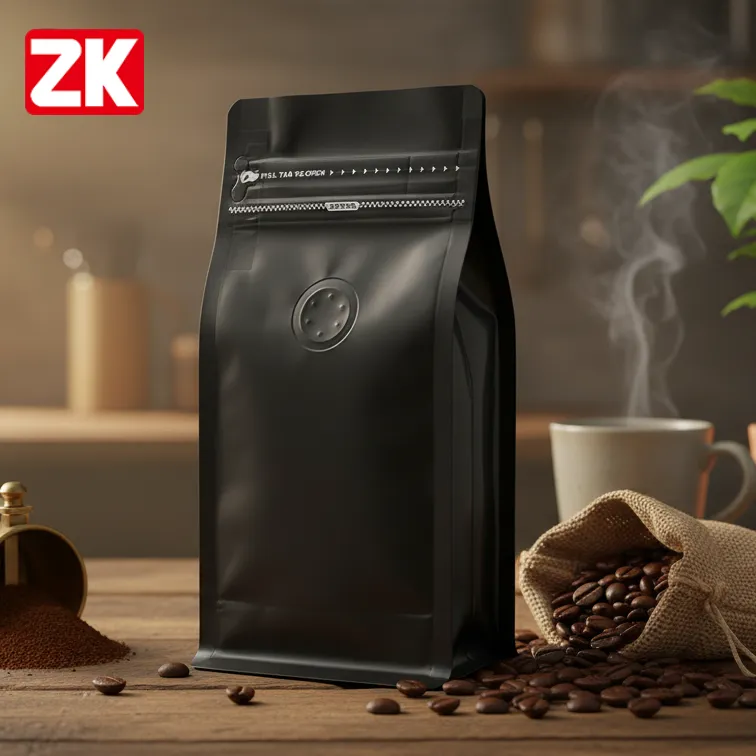
Wie funktioniert ein Entgasungsventil für Kaffee?
Einweg-Luftstrommekanismus
Ein Entgasungsventil enthält ein kleines Membransystem, das auf Druckunterschiede reagiert.
Wenn der Druck im Beutel einen vorgegebenen Schwellenwert überschreitet:
- Die Membran öffnet sich.
- Kohlendioxid entweicht.
- Der Innendruck nimmt ab.
- Die Membran schließt sich wieder.
Der Vorgang läuft automatisch und ohne äußeres Zutun ab.
Gasfreisetzung ohne Sauerstoffeintritt
Der entscheidende Vorteil eines Einweg-Entgasungsventil ist die selektive Luftführung.
Das Ventil ermöglicht:
✓ CO₂-Ausstoß
Aber verhindert:
✗ Sauerstoff in
✗ Feuchtigkeit in
✗ Verunreinigungen in
Durch diese Kombination sind Entgasungsventile weitaus wirksamer als einfache Perforationen.
Warum Ventile einfachen Entlüftungslöchern überlegen sind
Manche Käufer gehen fälschlicherweise davon aus, dass eine Entlüftungsöffnung denselben Effekt erzielt.
Gewöhnliche Löcher verursachen jedoch zahlreiche Probleme:
- Sauerstoff kann ungehindert eindringen
- Feuchtigkeit dringt in die Verpackung ein
- Das Kaffeearoma verflüchtigt sich schnell
- Die Haltbarkeit nimmt ab
Ein echtes Entgasungsventil sorgt für einen kontrollierten Druckabbau und gewährleistet gleichzeitig den Schutz der Verpackung.
Was passiert während der Lagerung und des Transports?
Während des Transports kann es bei Kaffee zu folgenden Problemen kommen:
- Temperaturschwankungen
- Höhenunterschiede
- Verlängerte Aufbewahrungsfristen
Ein einwandfrei funktionierendes Ventil reguliert kontinuierlich den Innendruck und verringert so Verpackungsfehler entlang der gesamten Lieferkette.
Was passiert, wenn ein Kaffeebeutel kein Ventil hat?
Erhöhter Innendruck
In einer vollständig verschlossenen Verpackung sammelt sich in frischem Kaffee schnell Kohlendioxid an.
Der Druck steigt weiter an, bis er die Belastbarkeit der Verpackung übersteigt.
Gefahr der Verformung der Verpackung
Übermäßiger Druck führt häufig zu:
- Beutelausbeulung
- ausgebeultes Aussehen
- Verformte Verpackungsform
Dies wirkt sich negativ auf die Warenpräsentation aus.
Mögliches Versagen der Dichtung
Hoher Druck belastet die Verpackungsversiegelungen.
Im Laufe der Zeit können Dichtungen:
- schwächen
- Getrennt
- Leck
Sobald die Unversehrtheit der Versiegelung beeinträchtigt ist, verschlechtert sich die Produktqualität rapide.
Verminderte Produktqualität
Manche Röster warten mit dem Verpacken, damit vor dem Verschließen eine natürliche Entgasung stattfinden kann.
Eine Verzögerung beim Verpacken setzt den Kaffee jedoch Sauerstoff und Verunreinigungen aus der Umgebung aus.
Entgasungsventile ermöglichen eine schnellere Verpackung des Kaffees unter Wahrung der Frische.
Vergleichstabelle: Kaffeebeutel mit Ventil vs. Kaffeebeutel ohne Ventil
| Merkmal | Mit Valve | Ohne Ventil |
|---|---|---|
| Verträglichkeit von frisch geröstetem Kaffee | Ausgezeichnet | begrenzt |
| Gasabgabekapazität | Ja | Nein |
| Sauerstoffschutz | Ausgezeichnet | Je nach Fall |
| Haltbarkeit | Länger | Kürzer |
| Risiko von Schwellungen | Niedrig | Hoch |
| Verpackungskosten | Etwas höher | Nach unten |
Bei den meisten hochwertigen Röstkaffeeprodukten überwiegen die Vorteile die Mehrkosten bei weitem.
Gängige Arten von Ventilen für Kaffeeverpackungen
Interne Entgasungsventile
Die inneren Ventile sind an der Innenseite der Beutelkonstruktion angebracht.
Zu den Vorteilen gehören:
- Gepflegtes Erscheinungsbild
- Schutz vor Beschädigungen
- Zuverlässige Leistung
Externe Entgasungsventile
Externe Ventile sind an der Außenfläche der Verpackung angebracht.
Diese Designs sind in verschiedenen Bereichen der kommerziellen Kaffeeverpackung weit verbreitet.
Hochleistungsventilsysteme
Hochwertige Ventilsysteme können Folgendes bieten:
- Schnellere Gasfreisetzung
- Bessere Sauerstoffbeständigkeit
- Verbesserte Haltbarkeit
- Kompatibilität mit automatisierten Abfüllanlagen
Diese Lösungen werden häufig von exportorientierten Kaffeemarken bevorzugt.
Faktoren, die die Ventilauswahl beeinflussen
Die Wahl des richtigen Ventils hängt ab von:
- Kaffeesorte
- Röstprofil
- Füllgewicht
- Voraussichtliche Haltbarkeit
- Vertriebskanäle
- Exportbedingungen
Ein sachkundiger Hersteller von Kaffeebeuteln kann dabei helfen, die am besten geeignete Ventilspezifikation zu ermitteln.
Wie Hersteller von Kaffeeverpackungen Kaffeemarken unterstützen
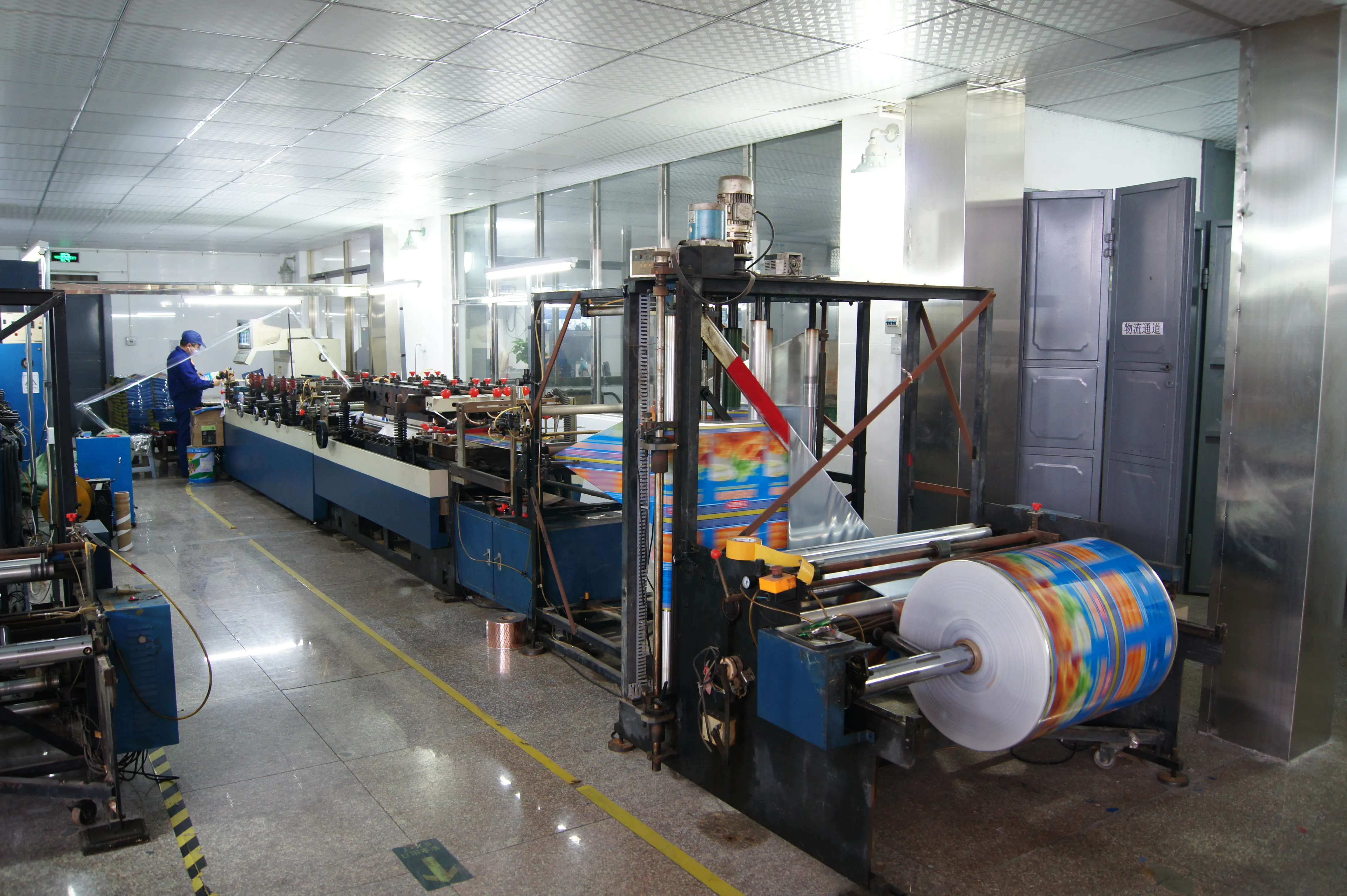
Individuell gestaltete Kaffeebeutel mit Ventil
Jede Kaffeemarke hat andere Anforderungen.
Ein erfahrener Hersteller von individuell gestalteten Kaffeeverpackungen kann maßgeschneiderte Verpackungslösungen entwickeln für:
- Produkttyp
- Abfüllanlagen
- Haltbarkeitsziele
- Markenpositionierung
OEM- und ODM-Verpackungsdienstleistungen
Professionelle Verpackungspartner bieten häufig Folgendes an:
- Individuelle Größenanpassung
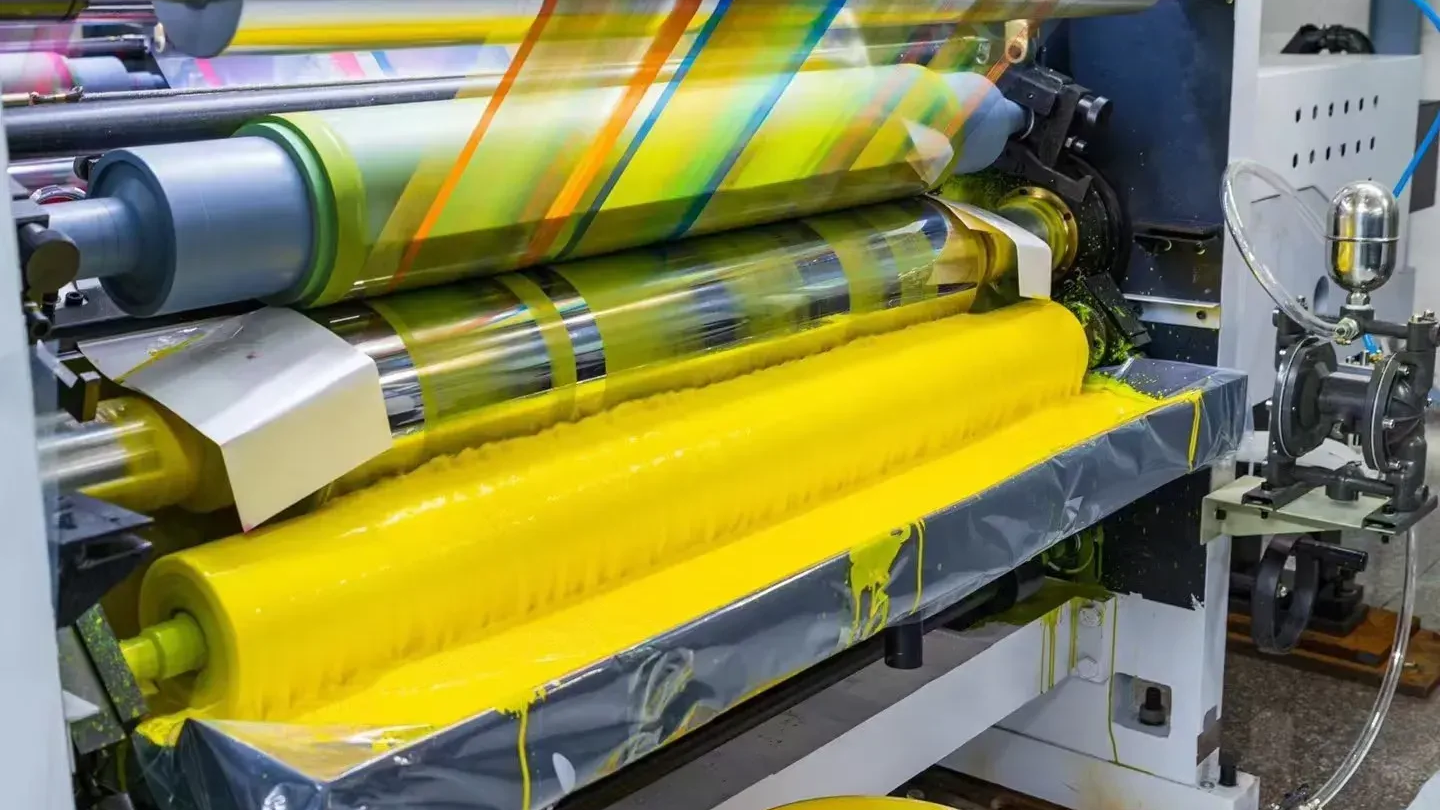
- Kundenspezifischer Druck
- Ventilintegration
- Optimierung der Tragwerksplanung
Diese Dienstleistungen helfen Marken dabei, sich auf dem umkämpften Kaffeemarkt von der Konkurrenz abzuheben.
Auswahl der Ventile für verschiedene Kaffeeprodukte
Nicht alle Ventile funktionieren gleich.
Verpackungsexperten bewerten:
- Gasfreisetzungsraten
- Produktvolumen
- Lagerbedingungen
- Zeitpläne für die Verteilung
Dadurch wird eine optimale Leistung des Pakets gewährleistet.
Qualitätskontrolle und Ventilprüfung
Seriöse Hersteller führen Tests durch für:
- Ventilfunktion
- Dichtungsintegrität
- Materialleistung
- Dichtheit
Eine strenge Qualitätskontrolle minimiert Verpackungsfehler im Handel.
Massenproduktion und Unterstützung beim weltweiten Export
Ein zuverlässiger Anbieter von Kaffeeverpackungen oder Großhändler für Kaffeebeutel bieten sollte:
- Stabile Produktionskapazität
- Einheitliche Qualitätsstandards
- Kompetenz im Bereich Exportverpackungen
- Zuverlässige Lieferzeiten
Für aufstrebende Kaffeemarken ist die Zuverlässigkeit der Lieferkette oft genauso wichtig wie das Verpackungsdesign.
Schlussfolgerung
Kaffeeverpackungen sind mit Entlüftungsöffnungen versehen, da frisch gerösteter Kaffee nach dem Rösten kontinuierlich Kohlendioxid abgibt. Ohne eine Möglichkeit, dieses Gas entweichen zu lassen, können sich die Verpackungen während der Lagerung und des Transports aufblähen, verformen oder sogar beschädigt werden.
Ein Entgasungsventil für Kaffee löst dieses Problem, indem es Kohlendioxid entweichen lässt und gleichzeitig verhindert, dass Sauerstoff in die Verpackung eindringt. Dies trägt dazu bei, Frische, Aroma und Haltbarkeit zu bewahren und gleichzeitig die Unversehrtheit der Verpackung zu gewährleisten.
Für Kaffeemarken ist die Wahl des richtigen Ventilsystems eine wichtige Entscheidung bei der Verpackung. Die Zusammenarbeit mit einem erfahrenen Hersteller von Kaffeebeuteln stellt sicher, dass die Ventilleistung, die Materialauswahl und die Verpackungsqualität optimal auf die spezifischen Anforderungen des Produkts abgestimmt sind.
Über Zhongjia Printing
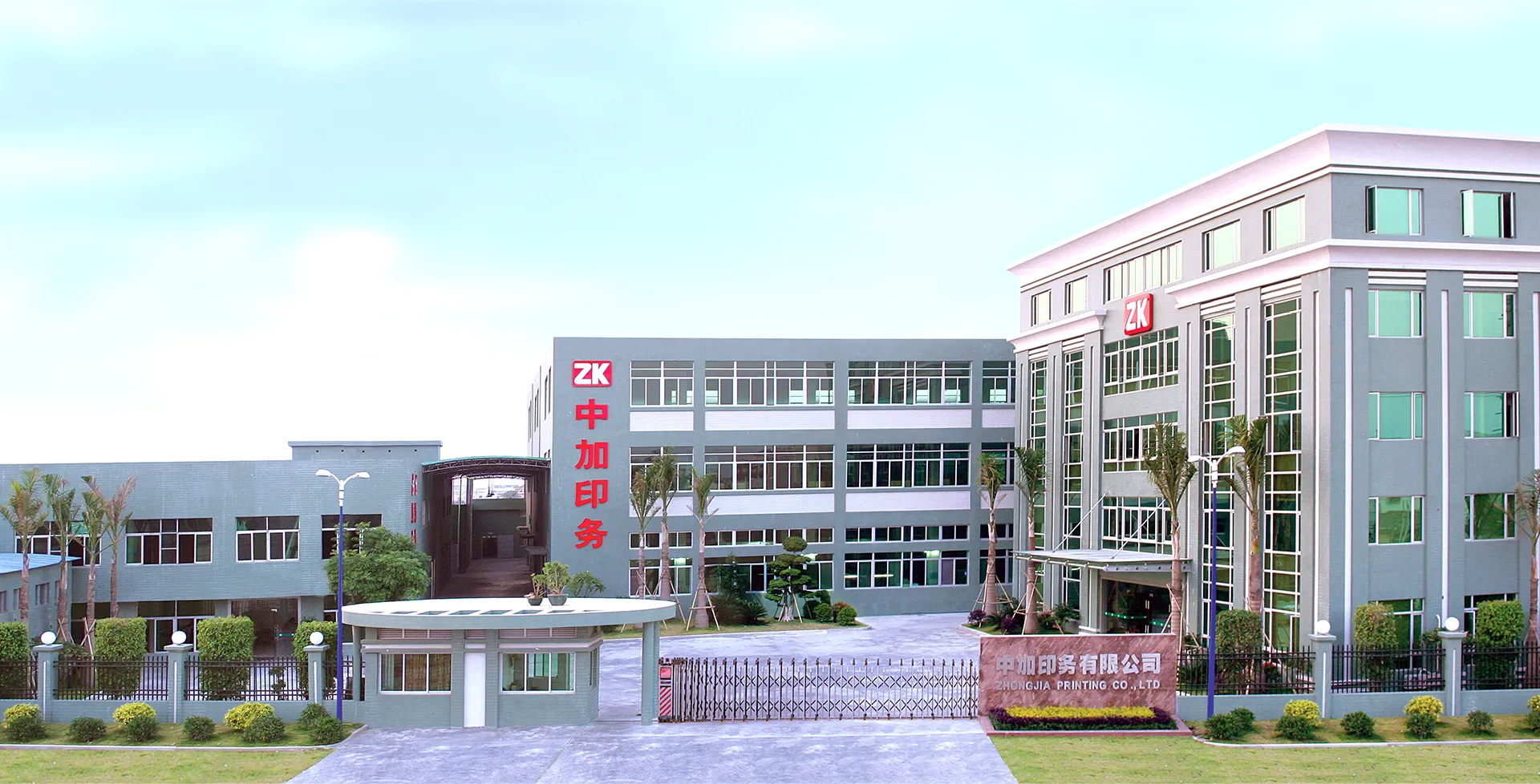
Zhongjia Printing ist ein professionelles Hersteller von Kaffeeverpackungen Wir sind spezialisiert auf maßgeschneiderte Kaffeeverpackungen, Kaffeebeutel mit Entgasungsventilen, Standbeutel, Kaffeebeutel mit flachem Boden sowie flexible Verpackungslösungen für globale Kaffeemarken. Als direkter Verpackungshersteller unterstützen wir Röster, Importeure, Händler und Eigenmarkenunternehmen dabei, die Frische des Kaffees zu bewahren, die Haltbarkeit zu verlängern und die Attraktivität im Regal zu steigern – dank hochbarrierefähiger Materialien und zuverlässiger Einweg-Entgasungsventil-Technologie.
Unser OEM- und ODM-Dienstleistungen für Kaffeebeutel Dazu gehören individuelle Bedruckung, die Gestaltung der Verpackungsstruktur, die Integration von Ventilen sowie die Entwicklung nachhaltiger Verpackungslösungen, die genau auf Ihre Produkt- und Marktanforderungen zugeschnitten sind. Dank strenger Qualitätskontrollen, stabiler Produktionskapazitäten und umfassender Exporterfahrung liefert Zhongjia Printing zuverlässige, skalierbare und kosteneffiziente Verpackungslösungen für Kaffee, die das Markenwachstum und den langfristigen Erfolg in der Lieferkette fördern.
Häufig gestellte Fragen
Brauchen alle Kaffeeverpackungen Ventile?
Nein. Für ganzen Bohnenkaffee sind in der Regel Ventile erforderlich, für Instantkaffee hingegen meist nicht.
Bleibt Kaffee auch ohne Ventil frisch?
Das ist möglich, aber frisch gerösteter Kaffee behält seine Frische oft besser, wenn er mit einem Entgasungsventil verpackt wird.
Warum setzt gerösteter Kaffee Kohlendioxid frei?
Beim Rösten entsteht Kohlendioxid, das nach Abschluss des Röstvorgangs allmählich aus der Bohnenstruktur entweicht.
Sind die Ventile von Kaffeeverpackungen recycelbar?
Einige neuere Ventilkonstruktionen sind mit recycelbaren Verpackungssystemen kompatibel, wobei die Recyclingfähigkeit von der Gesamtstruktur der Verpackung abhängt.
Wie wähle ich einen Lieferanten für Kaffeeverpackungen aus?
Achten Sie auf Fachkompetenz in den Bereichen Kaffeeverpackungen, Ventiltechnik, Qualitätskontrolle, Anpassungsmöglichkeiten und Exporterfahrung.
