



Walk through any modern supermarket, and you will quickly notice an increasing number of products labeled “biodegradable plastic.” Produce bags, coffee capsules, takeaway containers — all carrying what appears to be a green passport. The message seems simple: dispose of it responsibly, and you have done your part for the planet.
The reality, however, is far more complex. Not all biodegradable plastic packaging is designed to break down in the same way, nor can it be discarded anywhere without consequences, according to researchers. In many cases, placing it in the wrong waste stream may do more harm than good.
Now let’s explore it with Zhongjia Printing, an expert flexible packaging manufacturer.
“Biodegradable” Does Not Mean “Biodegrades Anywhere”
The core of biodegradable plastic packaging refers to items that can be decomposed into water, carbon dioxide, and humus by microorganisms under specific conditions. But the term ‘specific conditions’ is the most easily overlooked among them.
Generally speaking, industrial composting materials require special environments such as sustained high temperatures of 50-60 ℃, sufficient humidity, and oxygen to achieve. This condition is difficult to achieve in one’s own compost bin or natural soil for biodegradable plastic packaging needs.
The PPWR regulation, which will be implemented by the European Union in 2025, explicitly requires that only materials that meet the EN 13432 standard and can be completely degraded within 180 days can be labeled as “industrial biodegradable plastics”.
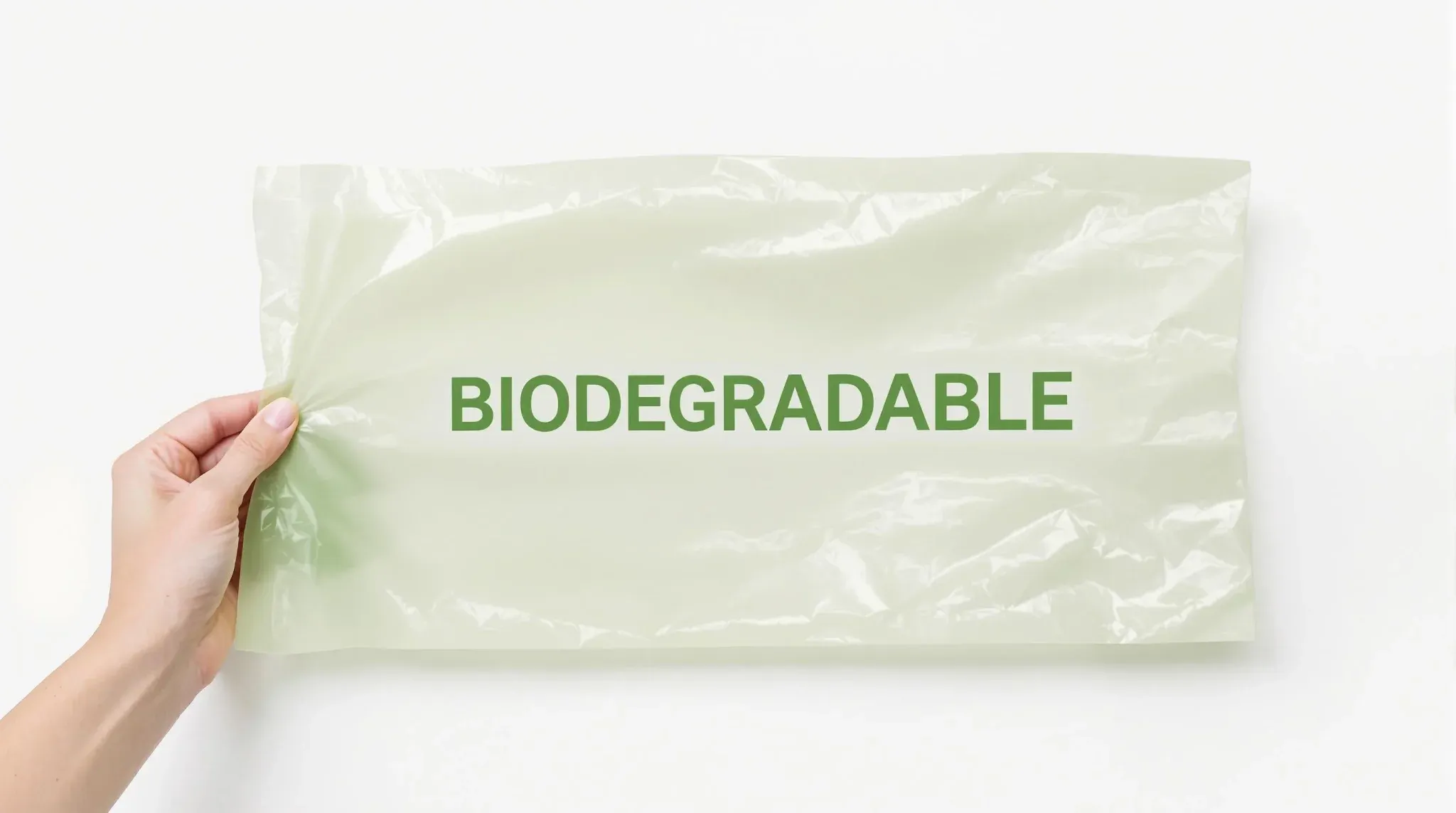
Unfortunately, there is a huge difference in the garbage disposal capacity among different cities in China. Some high-end residential areas in Shanghai will be equipped with professional composting equipment that can receive BPI-certified corn starch bags; However, kitchen waste in Beijing, Guangzhou, and other places is still mainly fermented anaerobically, with insufficient temperature, which does not meet the composting conditions. Therefore, in these cities, biodegradable plastic bags have become “plastic impurities” instead.
The Hidden Barriers of the Food Waste Bin
Even if the packaging itself is a biodegradable plastic material, whether it can truly achieve environmental protection depends on two practical factors:
- Pollution risk: Biodegradable plastic packaging, like takeaway boxes, that is covered in oil stains, if not cleaned thoroughly, may be classified as other garbage and incinerated.
- System compatibility: Some local governments have explicitly stipulated that only “BPI certified biodegradable plastic packagings” are allowed to enter green kitchen waste bins, and must be “limited to food residues only” – even coffee filter paper and tea bags need to be additionally confirmed for biodegradability.
The situation domestically is more complex. Many cities require ‘broken bag disposal’: people have to dump kitchen waste into bins, while bags are thrown separately into other garbage. This means that even if the bag is biodegradable plastic, it may still be directly discarded by residents due to the cumbersome operation.
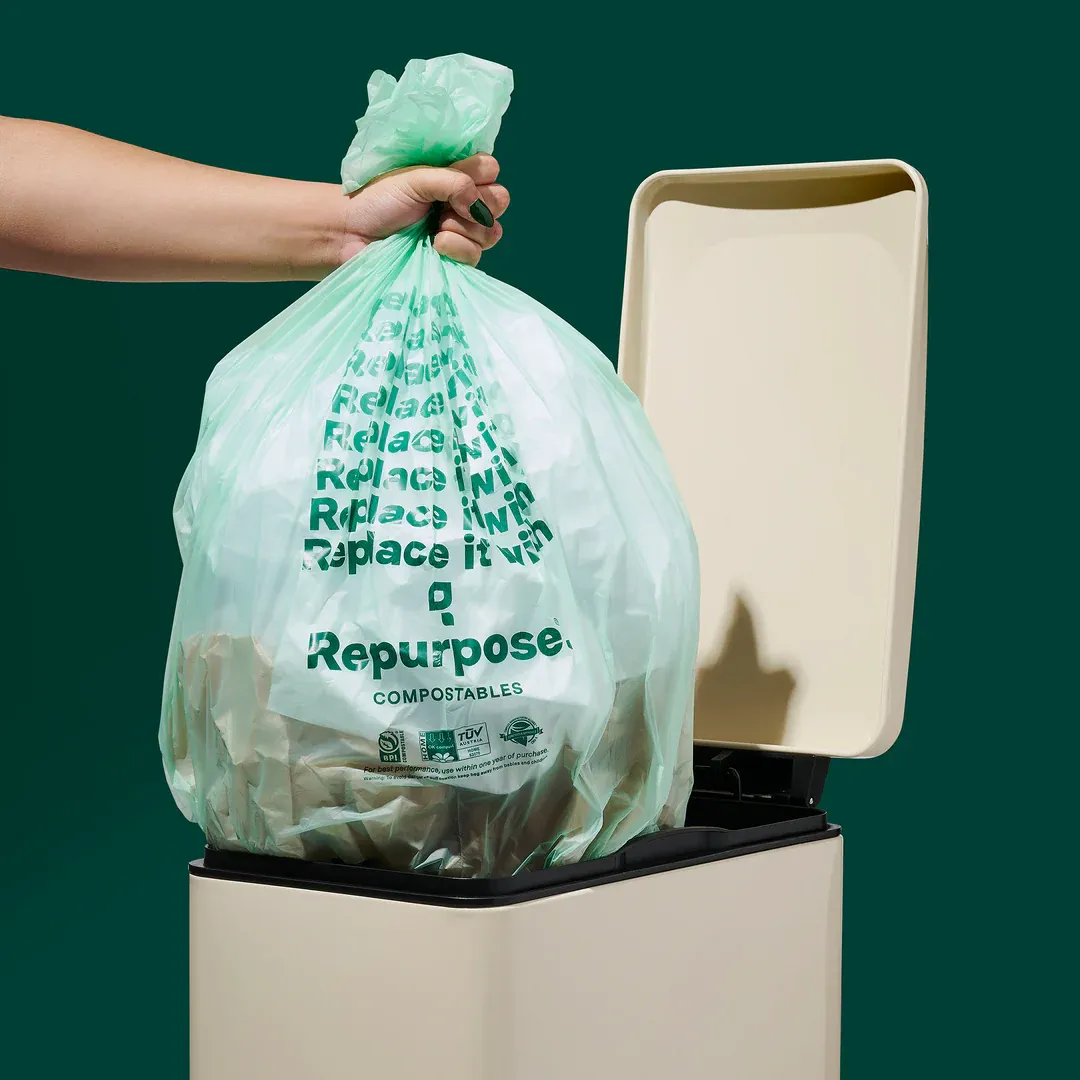
How to Dispose of Biodegradable Plastic Packaging Correctly
Three-step judgment method:
- ① Look at the label: Identify the “Industrial Compost” or “Home Compost” certification mark (such as BPI, OK Compost).
- ② Check locally: Call the municipal hotline to confirm if the area accepts biodegradable plastic materials.
- ③ Pre-treatment: Clean and dry before disposal to avoid contaminating other garbage.
If there is no biodegradable plastic packaging recycling area in the community, the following alternative solutions can be used:
- -Short-term storage: Replace disposable packaging with reusable silicone bags or stainless steel boxes.
- -Home composting: The yard composting bin can handle fruit peels and vegetable leaves, but it is necessary to avoid mixing biodegradable plastics (with a long decomposition cycle).
- -Community recycling: Some cities have dedicated boxes for “biodegradable plastics” that can be collected and disposed of in one go.
Conclusion
Ultimately, biodegradable plastic packaging demands clarity and context. Its environmental promise hinges on matching specific degradation conditions—industrial or home compost—and avoiding contamination. Consumers and brands must verify labels, check local facilities, and prioritize reuse. When aligned with real systems, biodegradable plastic packaging can advance sustainability practically, turning intent into credible impact.
About Zhongjia Printing
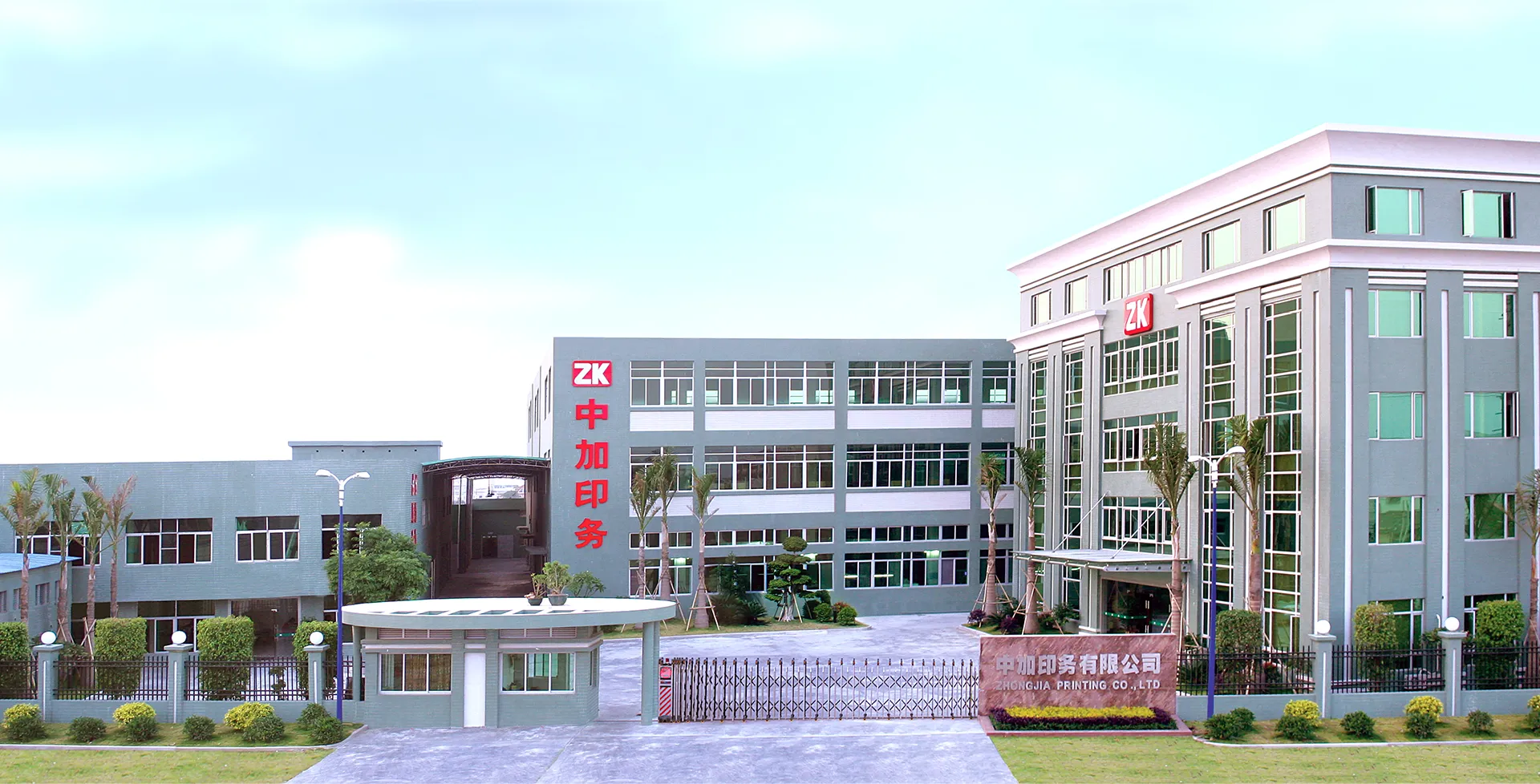
Zhongjia Printing is an expert flexible packaging manufacturer focused on delivering reliable custom flexible packaging solutions directly from our own production facilities. Our factory operates under internationally recognized safety and compliance standards, ensuring stable quality across every order.
Sustainability is built into our process, with water-based ink printing adopted to reduce emissions and support environmentally responsible packaging. This approach allows us to balance performance, visual clarity, and environmental accountability—making Zhongjia Printing a factory partner you can trust.
