



In food and beverage packaging, чернила на водной основе is moving from a “better-for-the-environment” option to a practical baseline. That shift is driven by food-contact safety expectations, lower-VOC pressure in printing operations, and the need for packaging that can support sustainability claims without creating regulatory risk.
So the real question is no longer whether чернила на водной основе should be used at all. The real question is where it performs best, what technical limits still exist, and which packaging structures can support it without sacrificing print quality or production speed. Together with Zhongjia Printing, an expert water-based ink packaging supplier, find out the answer in this blog
Why Water-Based Ink Printing Fits Food and Beverage Packaging
The main reason чернила на водной основе works in food packaging is risk reduction. Compared with solvent-based systems, it generally lowers VOC burden, reduces exposure to solvent emissions in the print shop, and aligns better with regulatory and sustainability goals. EPA notes that printing emissions are primarily tied to solvents in inks, and that some inks are water-based and do not produce emissions in the same way; industry guidance also points out that water-based systems have become more viable as formulations and drying equipment improve.
It also fits modern packaging structures better than many people assume. Flexible packaging now commonly uses substrates such as PET, PE, PP, OPP, and BOPP, while paper-based formats remain a natural fit for water-based systems. Research and industry guidance show that adhesion, wetting, and drying are the technical variables that determine whether чернила на водной основе performs well on these substrates.
Key Application Scenarios in Food Packaging
For flexible snack packaging, the value of чернила на водной основе is not just compliance. It is the ability to support high-speed production while maintaining stable color and shelf appeal. That matters for chips, nuts, and confectionery, where packaging must look consistent across long runs and still tolerate the practical demands of converting, filling, and distribution. Because flexible substrates are often low-surface-energy films, the press setup and drying system matter as much as the ink itself.
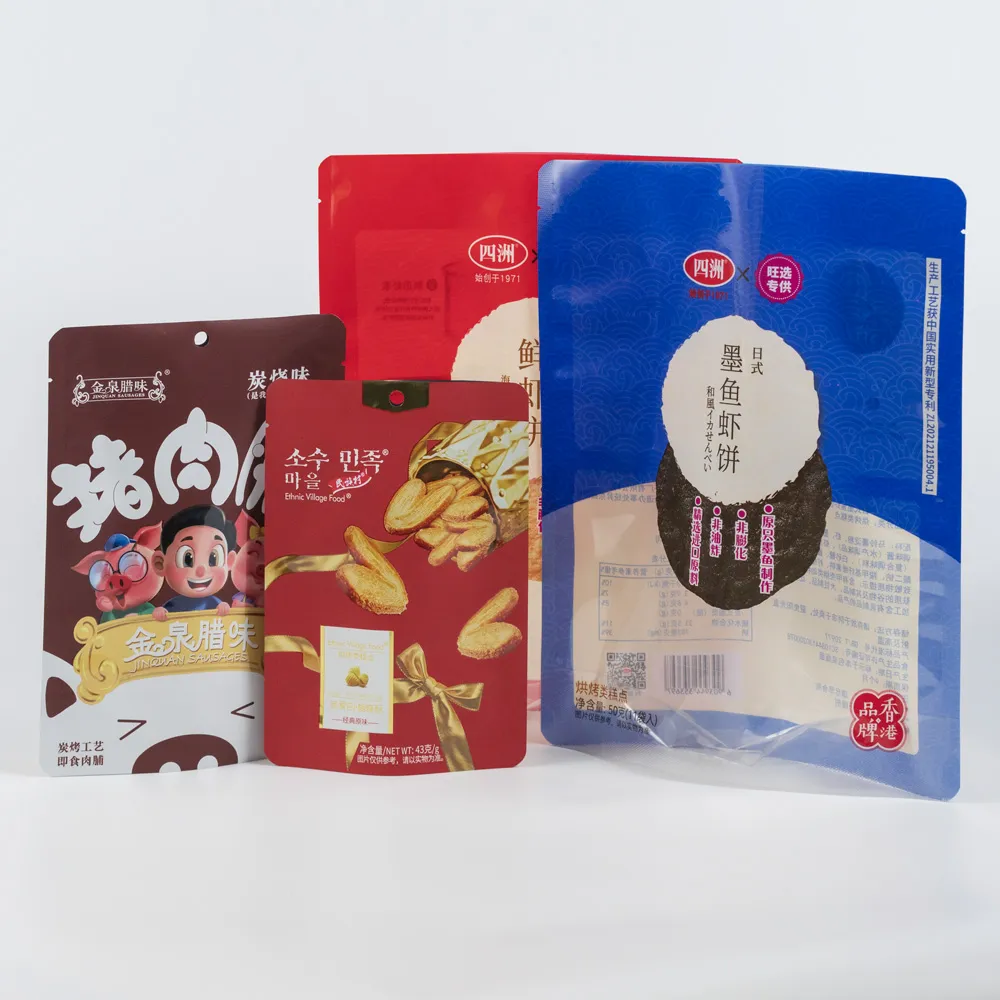
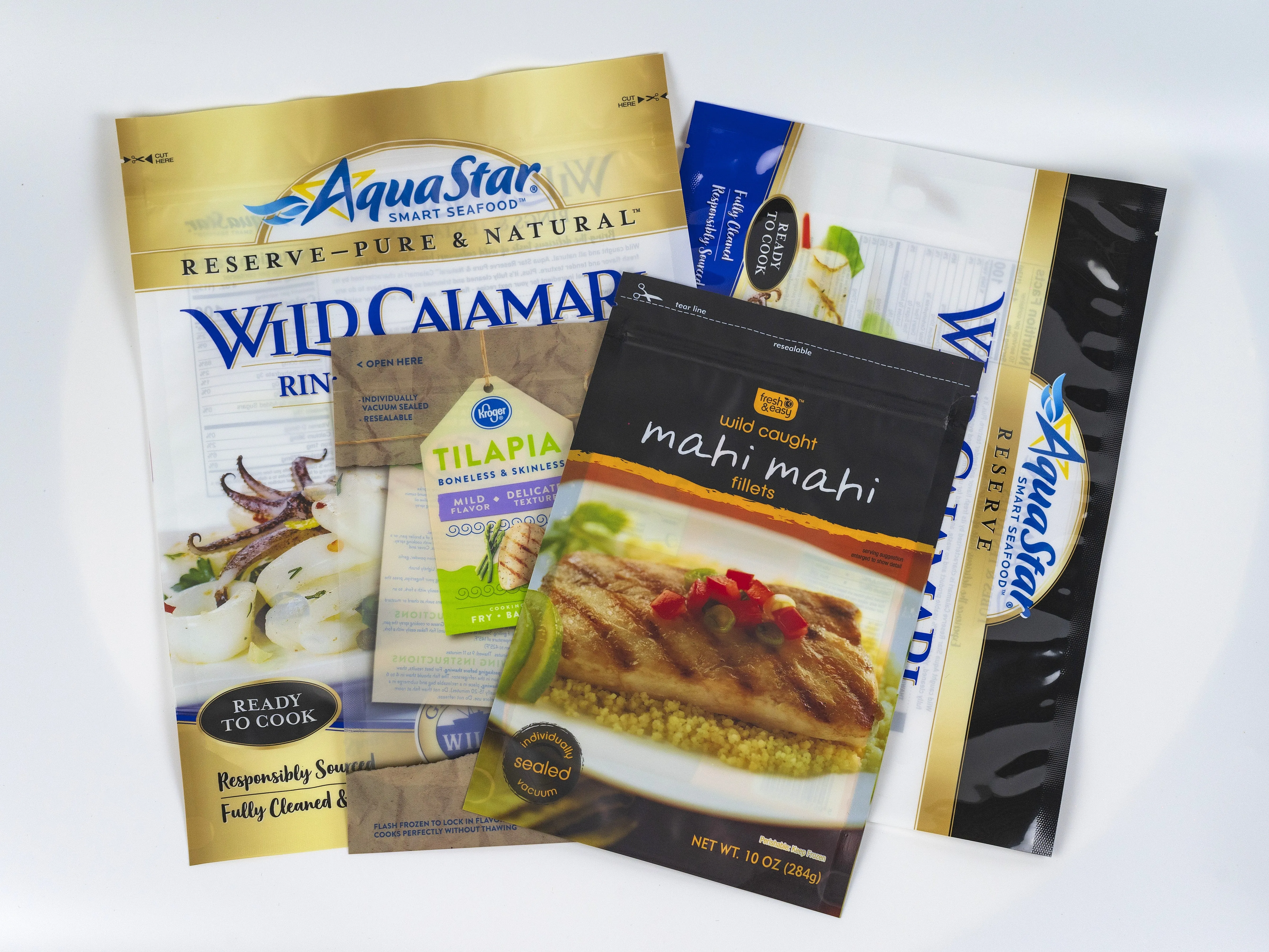
For frozen and refrigerated foods, чернила на водной основе is used because the packaging has to survive moisture, low temperatures, and handling stress. The technical challenge is not the category label; it is whether the printed layer stays intact when the package passes through cold-chain storage and transport. That is why resistance properties and process stability are central, not optional.
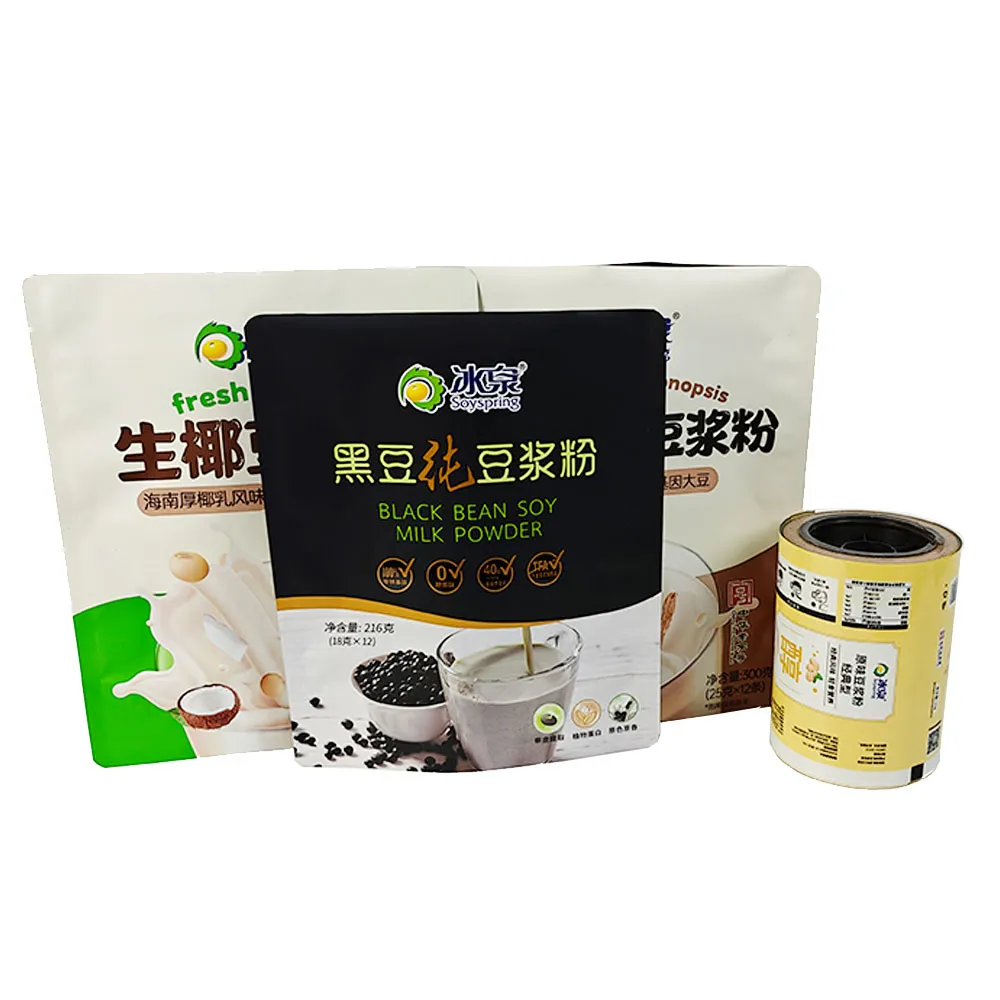
For dry food and powder packaging such as flour, coffee, cereals, and protein powder, the outer print must remain clean and legible while the pack itself protects the product. In practice, чернила на водной основе is a strong fit when the substrate and drying conditions are matched correctly, because the system can support readable branding without adding unnecessary solvent exposure to the production environment.
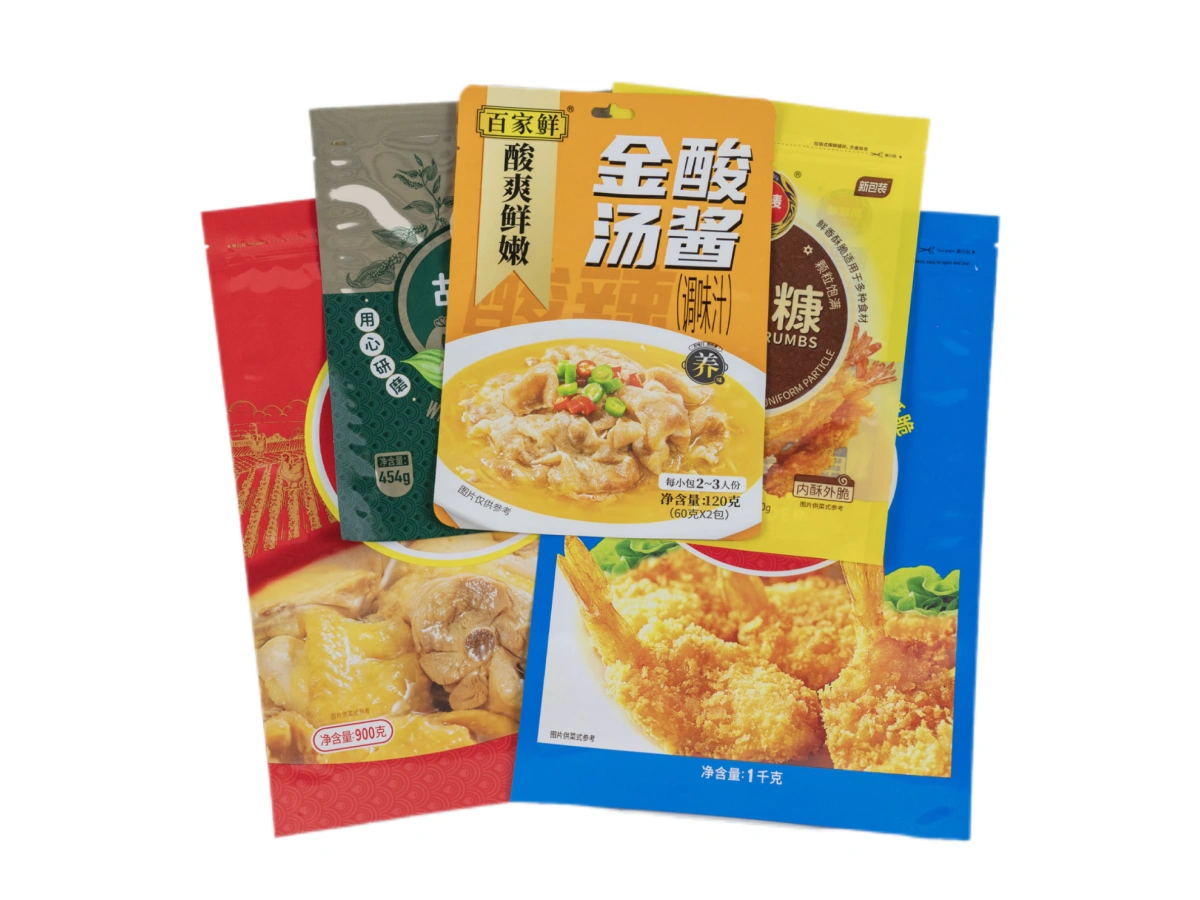
For liquid and sauce packaging, the key issue is durability. Condiment sachets, sauce pouches, and similar formats are exposed to humidity, abrasion, and frequent handling. Here, чернила на водной основе is only as good as the manufacturer’s adhesion control, crosslinking strategy, and curing stability. If those controls are weak, print failure appears quickly.
Key Beverage Packaging Applications
In beverage packaging, чернила на водной основе is widely used across categories such as bottled water, juice, carbonated soft drinks, beer, and dairy beverages. These products typically require packaging that can withstand moisture, condensation, and frequent handling while maintaining a strong visual impact on the shelf.
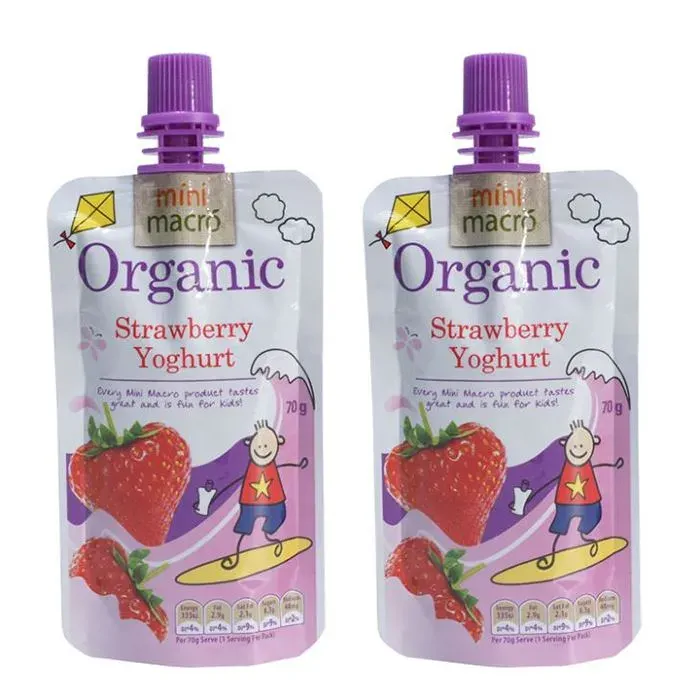
For spout pouches, чернила на водной основе is used in printing because it provides consistent color reproduction, strong adhesion, and resistance to moisture and abrasion during filling and handling. This makes it ideal for high-volume liquid products such as juices, sauces, and dairy beverages, where both production efficiency and brand visibility are essential.
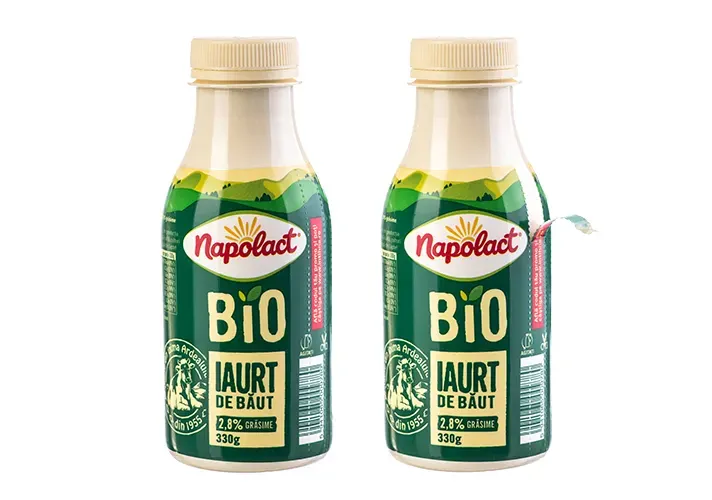
Shrink sleeves and wrap-around labels are commonly used for products like carbonated drinks and energy beverages, where full-surface branding is required. In these applications, чернила на водной основе performs well when combined with proper substrate treatment, as it can maintain adhesion and flexibility during the shrinking process without causing print distortion.
For milk and juice cartons, which are primarily paper-based, чернила на водной основе is a natural fit. These packaging structures favor water-based systems due to better compatibility with paper substrates, lower environmental impact, and easier compliance with food safety standards in large-scale production.
Performance Requirements Across Applications
Across food and beverage packaging, four performance variables decide whether чернила на водной основе is actually viable.
- First is drying efficiency: slower drying remains one of the core challenges, especially on non-porous films.
- Second is adhesion: low-surface-energy substrates require careful matching between ink chemistry and substrate treatment.
- Third is color consistency: brand identity depends on repeatable output across batches.
- Fourth is durability: moisture, heat, friction, and chemical resistance all matter during transport and storage.
Limitations and Technical Challenges of Water-Based Ink Printing
The technical limitations are straightforward. Чернила на водной основе dries more slowly than solvent-based systems unless the press has proper temperature and airflow support. Not every machine is ready for that. Many flexible packaging substrates also require modified surface treatment or specialized press-side settings to achieve reliable wetting and adhesion. Industry guidance is explicit that these are process issues, not just material issues.
That is why process stability matters so much. Water-based systems are more sensitive to environmental variation, and results can shift if temperature, humidity, or drying conditions drift. In other words, buyers are not buying “ink”; they are buying a controlled manufacturing system.
How Manufacturers Optimize Water-Based Ink Applications
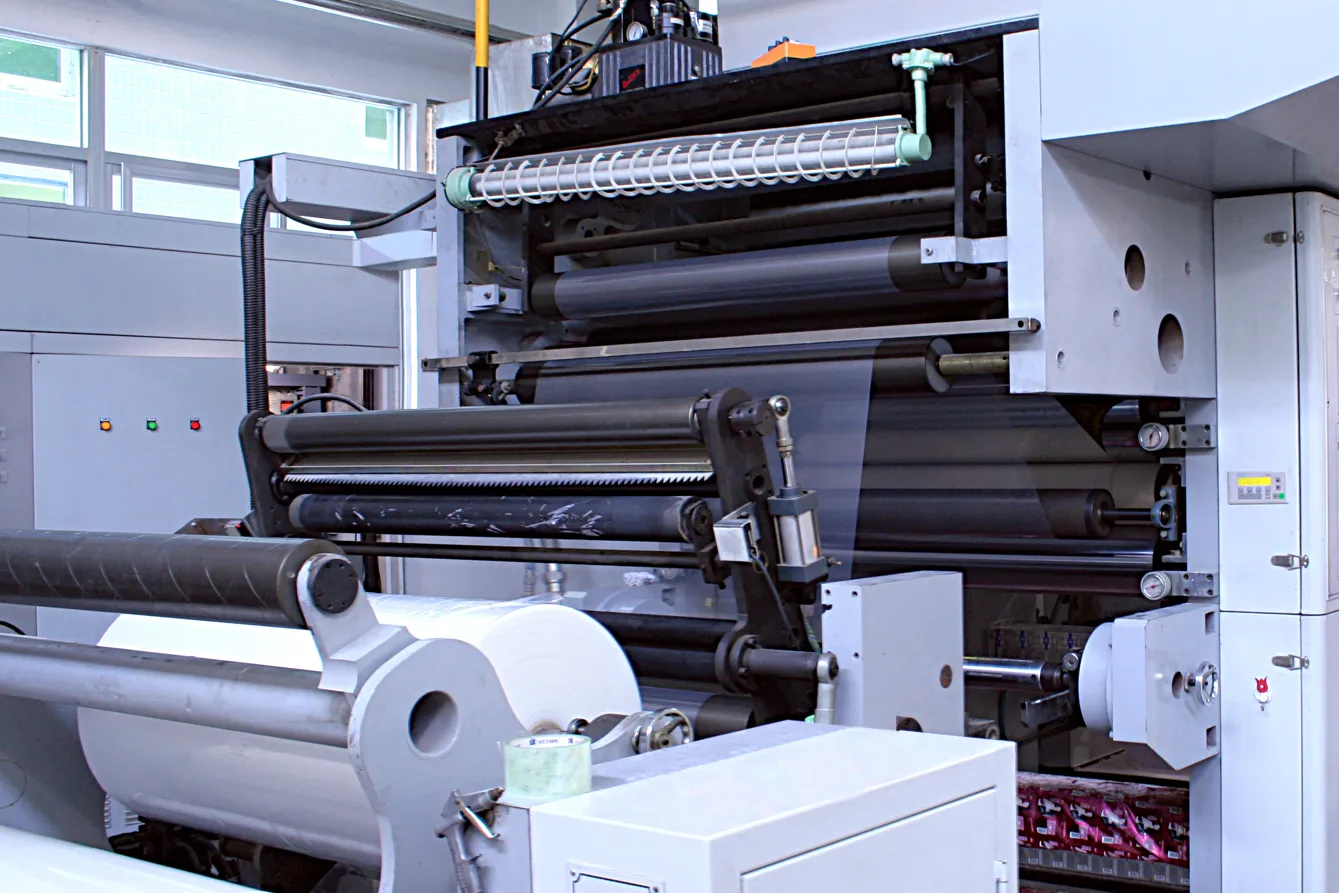
A capable manufacturer improves results through equipment modification, not wishful thinking. That usually means customized presses, drying upgrades, better temperature control, and tighter airflow management. It also means matching ink formulation to the substrate instead of forcing one generic formula onto every pack type. Research shows that adhesion promoters, substrate type, and viscosity adjustments can materially affect print quality on PE, PP, PET, and related films.
Quality control is the other half of the equation. For food packaging, manufacturers need test data that supports migration control, adhesion performance, and durability under realistic conditions. FDA’s food-contact framework is built around safety assessment and migration data, while the EU framework requires materials to remain inert enough not to compromise food safety or sensory quality.
Choosing the Right Manufacturer for Your Application
The right supplier is the one with category-specific experience, stable production performance, and documented compliance support.
A factory that has only handled paper packaging is not automatically ready for high-performance film applications. A factory that can run high-speed production without defects is more valuable than one that only looks good in a sample test. And a factory that can show relevant testing and regulatory documentation is much easier to trust in a real procurement process.
Conclusion: Application Fit Determines Real Value
Чернила на водной основе is not universally superior. It is superior only when the application matches the ink system, the press setup, and the production controls. The practical value comes from how well it performs under specific packaging conditions, not from the label itself. The final decision should be simple: meet safety requirements, maintain performance through the full product lifecycle, and scale without losing consistency
О компании Zhongjia Printing
Zhongjia Printing is a B2B поставщик гибкой упаковки specializing in water-based ink solutions across multiple food and beverage categories. With certified eco-friendly processes and rigorous quality control, we continuously optimize press performance to ensure adhesion, color consistency, and durability. Moreover, we offer customized flexible packaging solutions tailored to client needs, supporting high-speed production while minimizing defects.
