



Хрусткость - это не только атрибут рецепта, но и проблема упаковочной техники. Для брендов и команд по закупкам выбор правильного пакет для упаковки печенья Это самый эффективный способ защиты текстуры, управления сроком годности и предотвращения дорогостоящих возвратов.
Вот, Печать Чжунцзя, an эксперт по производству гибкой упаковки, В ней рассказывается о том, какие структуры и форматы пленок лучше всего подходят для печенья, на каких тестах должны настаивать покупатели, о распространенных ошибках поставщиков и простых советах для потребителей, которые помогут сохранить печенье хрустящим после открытия.
Почему контроль влажности лучше всего остального
Для печенья поглощение влаги является самым главным фактором, приводящим к зачерствению. Пропускание водяного пара (MVTR) - измеряется в г/м²-24 ч - напрямую зависит от того, как долго продукт сохраняет свой хруст. Хорошо продуманная конструкция пакет для упаковки печенья Сначала минимизируйте MVTR, а затем решайте проблему кислорода, если продукт содержит окислительные жиры. Короче говоря, отдавайте предпочтение целям MVTR, а не общим заявлениям о “высоком барьере”.
Распространенные структуры высокобарьерных пленок
“Высокий барьер” формируется не из случайных материалов. Типичные, проверенные временем конструкции для бисквитов включают:
- ПЭТ / ПЭ - Экономичный, подходит для короткого срока хранения и локального распространения; ограничен для влажного климата.
- PET / VMPET / PE - рабочая лошадка для бисквитов: металлизированный ПЭТ (VMPET) обеспечивает высокую влаго- и светостойкость при разумной стоимости.
- ПЭТ / АЛ / ПЭ - Ламинат из алюминиевой фольги для максимальной защиты от влаги и кислорода; идеально подходит для тропического экспорта или премиальных SKU.
- ДОМАШНЕЕ ЖИВОТНОЕ / EVOH / PE - неметаллический раствор с высоким кислородным барьером; EVOH чувствителен к влажности и для сохранения эксплуатационных характеристик должен быть полностью заключен между слоями полиэтилена.
При запросе котировок попросите поставщиков предложить конкретные конструкции ламината и предоставить измеренные значения MVTR и OTR для готового ламината, а не только технические данные на сырую пленку.
Формы упаковочных пакетов для бисквита имеют значение не меньше, чем пленки
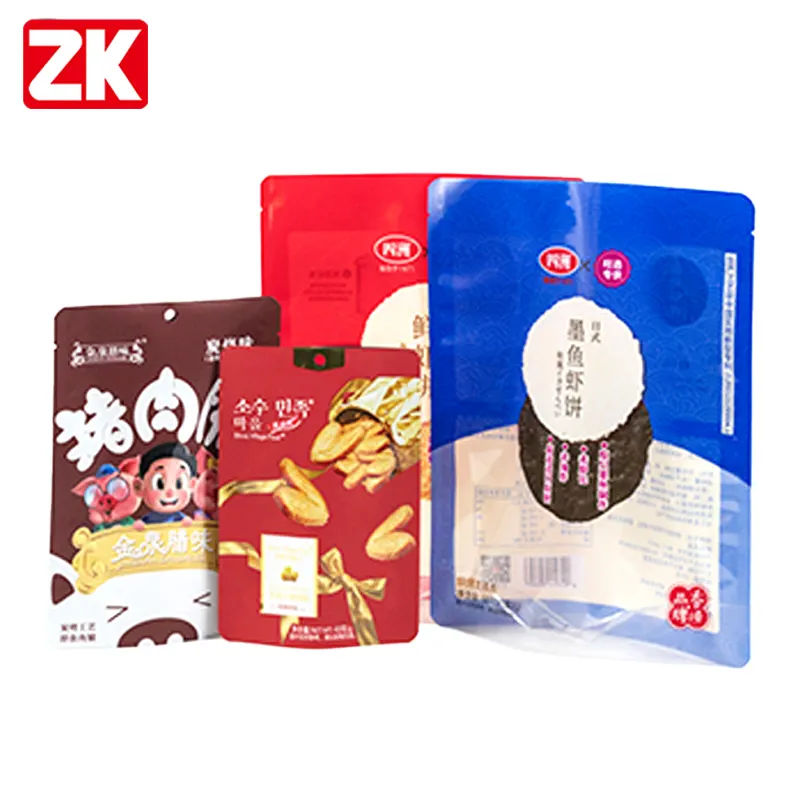
Формат влияет на площадь запечатывания, напряжение в углах, а также на поведение упаковки при штабелировании и транспортировке. A сумка-чехол с качественной молнией может идеально подойти для герметичных семейных пакетов, но сумка с ластовицей или чехол для подушки с более широкими и равномерными уплотнениями лучше работают при высокой нагрузке на паллету. Убедитесь, что пакет для упаковки печенья формат соответствует вашей логистике (плотность паллет) и профилю обработки в вашей цепочке поставок.
Уплотнения являются слабым звеном - испытайте их на прочность
Даже самый лучший ламинат бесполезен, если уплотнение негерметично. Укажите измеряемые критерии герметичности: прочность (N/15 мм), поведение при отслаивании и давление разрыва. Требуйте от поставщиков проведения испытаний ASTM F88 (или эквивалентных) и реальных испытаний на падение/упаковку в производственных партиях. Приемка продукции должна включать измерение O₂ головного пространства, если это необходимо, и документированный профиль уплотнения (температура, выдержка, давление), который может воспроизвести ваш со-упаковщик.
Реальная валидация: Экспериментальные испытания и данные на уровне партии
Не принимайте визуальный образец в качестве доказательства. Настаивайте на проведении пробных испытаний на предполагаемом фасовочном оборудовании и требуйте результатов испытаний на уровне партии (MVTR, OTR, прочность запечатывания), привязанных к реальной партии используемой пленки. Надежный пакет для упаковки печенья поставщик будет хранить образцы и предоставлять прослеживаемые декларации о соответствии (DoC) для чернил, клеев и пленок.
Вторичные риски, которые покупатели часто упускают из виду
- Взаимодействие краски и ламинации: сильное наслоение чернил может повлиять на эффективность барьера. Требуйте DoCs чернил и органолептические тесты.
- Остатки клея/растворителя: Недостаточное отверждение может привести к появлению неприятного запаха. Подтвердите время созревания (48-72 часа, где применимо) и анализ растворителя.
- Риски на фольге: AL-ламинаты являются отличными барьерами, но уязвимы к появлению точечных проколов в результате обработки записей о проверке на наличие точечных проколов.
- Чувствительность к влажности EVOH: если используется EVOH, необходимо провести испытания OTR при повышенной влажности (например, 50-75% RH) для подтверждения реальных характеристик.
Контрольный список покупателя
- Целевые значения MVTR (г/м²-24 ч) и OTR (см³/м²-24 ч) с учетом стандартов и условий испытаний.
- Протоколы испытаний партий пленки, используемых в вашем производстве, с привязкой к партиям.
- Результаты испытаний на прочность, разрыв и падение уплотнений, проведенных в ходе опытного производства.
- DoCs для красок, клеев и внутренних полотен, а также миграционные/органолептические тесты, где это применимо.
- Критерии приемки продукции и политика контроля изменений (уведомление и повторная проверка требуются для любого изменения материала).
Если поставщик отказывается от проведения испытаний на уровне партии или не может провести пробную заливку на вашем оборудовании, считайте это тревожным сигналом.
Распространенные ошибки в сфере закупок, которых следует избегать
- Выбор пакет для упаковки печенья основываясь только на цене или внешнем виде.
- Принятие типовых “высокобарьерных” заявлений без номеров.
- Пропуск пробных испытаний или отсутствие критериев приемки.
- При сравнении низких цен не учитывается общая стоимость (возвраты, напрасные акции, ускоренная доставка).

Советы потребителям: Сохраняйте печенье хрустящим после открытия
(Краткое практическое руководство для копий этикеток или часто задаваемых вопросов потребителям)
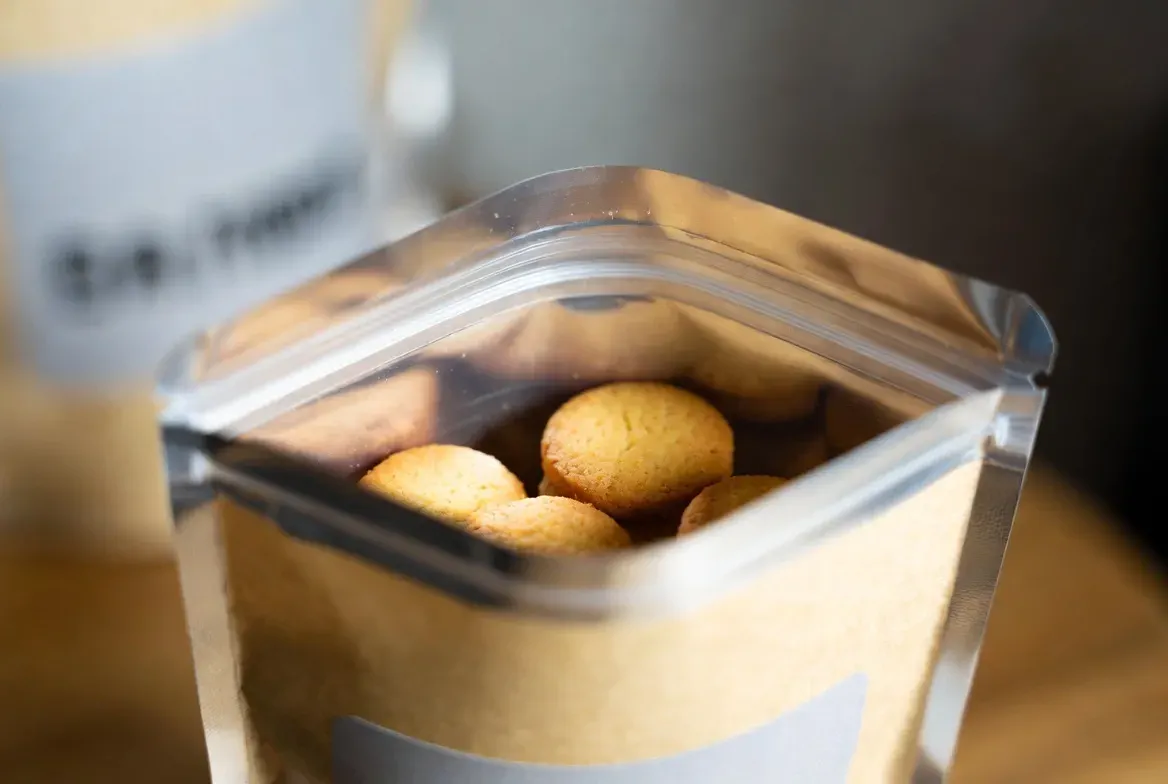
- Немедленно запечатайте: используйте прилагаемые молнии или переложите в герметичный контейнер.
- Избегайте влажных мест: храните печенье в сухом прохладном шкафу, вдали от кипящих чайников.
- Небольшие порции: перелейте в маленькие герметичные баночки для ежедневного использования, чтобы свести к минимуму повторное воздействие.
- Не замораживайте: замораживание может привести к образованию конденсата при оттаивании; лучше всего хранить при комнатной температуре в герметичном контейнере.
Заключение
Хрустящее печенье на полке - это результат продуманного сочетания: рецепт × цепочка поставок × пакет для упаковки печенья разработка и тестирование. Для покупателей B2B приоритетом является измеряемый MVTR и проверенные процессы запечатывания, подтвержденные опытными партиями и данными о партиях. Когда эффективность упаковки закреплена в договоре и отслеживается, бренды защищают качество продукции, снижают количество рекламаций и сохраняют доверие потребителей - а это реальная окупаемость инвестиций в высокобарьерную упаковку для печенья.
О компании Zhongjia Printing

Печать Чжунцзя это эксперт по производству гибкой упаковки сфокусирована на решениях для пищевых продуктов для печенья и хлебобулочных изделий. Благодаря интегрированной глубокой печати, ламинированию, отверждению и собственному контролю качества мы поддерживаем стабильные, повторяющиеся поставки для брендов B2B на внутреннем и внешнем рынках.
Zhongjia Printing обеспечивает Индивидуальные решения по упаковке печенья в пакеты В соответствии с требованиями к влагонепроницаемости, формату мешков и фасовочному оборудованию, с тестированием на уровне партии и документацией о соответствии. Начиная с разработки структуры пленки и заканчивая пилотными партиями и серийным производством, наш завод помогает группам закупок контролировать риски, связанные со сроками годности, соблюдать сроки запуска и надежно масштабировать производство без ущерба для эффективности упаковки.
