



Wenn ein Designer der Druckerei die Reinzeichnung übergibt, wird eine kleine, aber entscheidende Entscheidung oft übersehen: welche Tinte? Die von Ihnen gewählte Tinte wirkt sich auf die Produktion, die Einhaltung von Vorschriften, die Produktleistung und sogar auf die Markenbotschaft aus, die der Kunde riecht, wenn er die Verpackung öffnet. Im Großen und Ganzen haben Sie die Wahl zwischen zwei Tintenfamilien: wasserbasierte Tinten, die mild und emissionsarm sind, und lösungsmittelbasierte Tinten, die schnell und robust sind. Hier ist ein praktischer Leitfaden, der Ihnen bei der Auswahl des richtigen Bechers hilft.
Als ein expert Hersteller flexibler Verpackungen, Zhongjia Druck ist bereit, Ihnen einen Leitfaden an die Hand zu geben, der Ihnen bei der Auswahl des richtigen Produkts für Ihr Projekt hilft.
Das Umweltargument für wasserbasierende Druckfarben
Der größte Vorteil von Druckfarben auf Wasserbasis ist die Umweltverträglichkeit. Moderne wässrige Formulierungen verwenden Wasser und unbedenkliche Co-Lösungsmittel anstelle großer Mengen flüchtiger organischer Verbindungen (VOC). Dies führt zu deutlich geringeren Emissionen an der Druckmaschine, zu einem weitaus geringeren Bedarf an groß angelegten Rauchgasreinigungsanlagen (RTOs) und zu einer sichereren Arbeitsumgebung für die Drucker - keine dicken Atemschutzmasken, kein ständiger Geruch von Lösungsmitteln.
Aus Sicht der Behörden ist dies von Bedeutung: Systeme auf Wasserbasis kommen in der Regel leichter mit strengeren Listen eingeschränkter Stoffe (z. B. besonders besorgniserregende Stoffe gemäß REACH) zurecht als Lösemittelsysteme. Wenn Ihre Verpackungen für Lebensmittel, Babyprodukte oder für den Export nach Europa und Nordamerika bestimmt sind, ist die Einhaltung von Vorschriften und Zollbestimmungen in Bezug auf die chemische Zusammensetzung der Druckfarben zunehmend unverzichtbar.
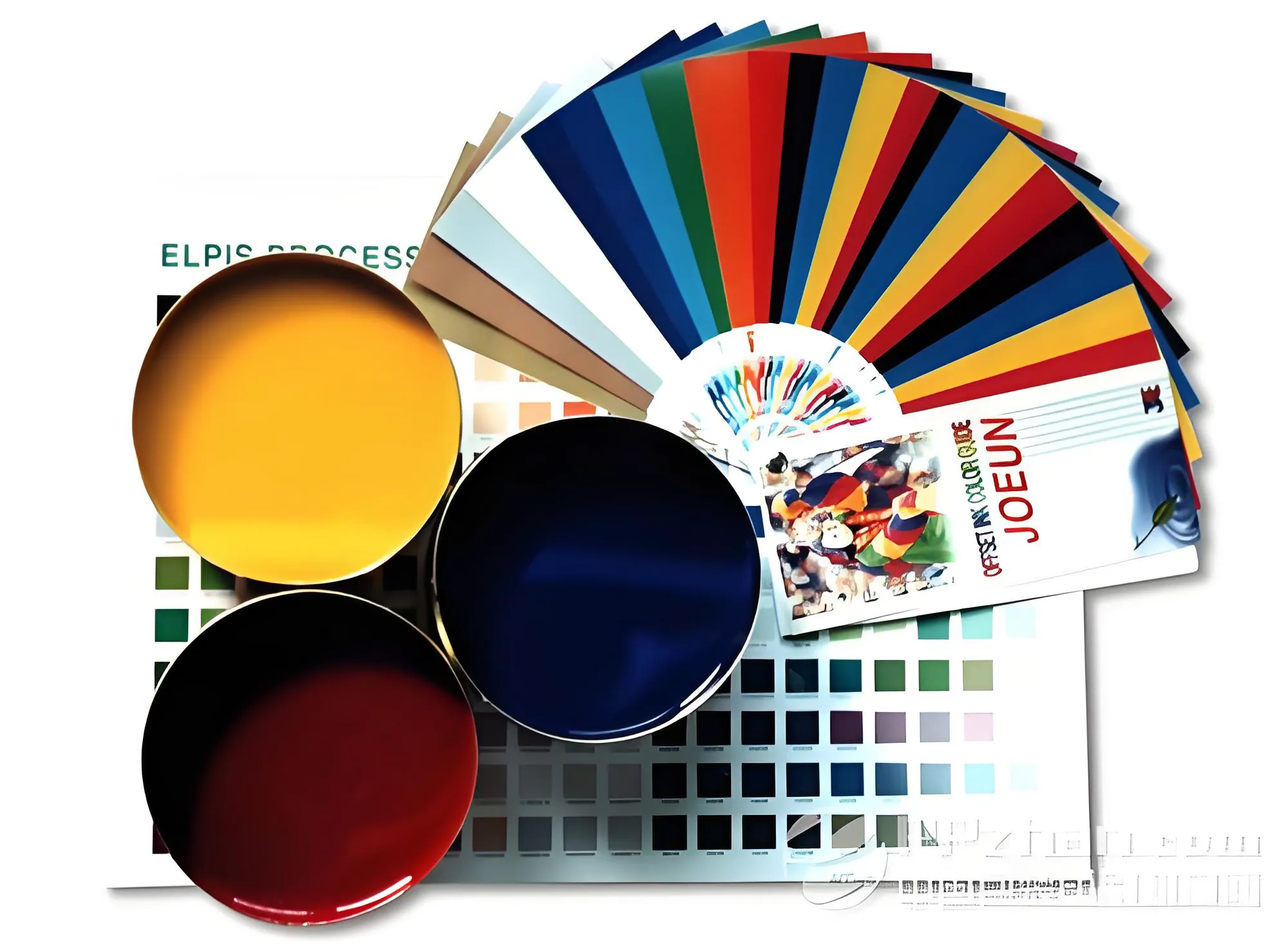
Leistung und Produktivität: der klassische Zielkonflikt
In der Vergangenheit waren lösungsmittelbasierte Druckfarben in puncto Geschwindigkeit und Haftung führend:
- Lösemitteltinten trocknen schnell und haften aggressiv auf nicht saugfähigen Substraten (PET, metallisierte Folie, Folie), was sie ideal für Hochgeschwindigkeits-Tiefdruck- und Flexodrucklinien mit 200 m/min oder mehr macht.
- Sie widerstehen auch extremen Bedingungen wie Gefrier-Auftau-Kälteketten und längeren Hochtemperatur-Dampf- oder Retortenprozessen besser als die meisten älteren Systeme auf Wasserbasis.
Die Technologie für wässrige Druckfarben hat sich jedoch weiterentwickelt. Neue Polyurethan-Dispersionen und verbesserte Trocknungssysteme ermöglichen Druckfarben auf Wasserbasis um die Druckgeschwindigkeiten zu erreichen, die früher nur mit Lösemitteltinten möglich waren. Moderne Anlagen können Produktionsgeschwindigkeiten erreichen, die mit denen von Lösemittellinien vergleichbar sind, und die Schälfestigkeit von PET-Folien hat sich verbessert - typische moderne wässrige Schälwerte erreichen ~5,2 N/15mm gegenüber ~6,0 N/15mm für Lösemittelsysteme, ein praktischer Unterschied für die meisten Fertigprodukte.
Kurz gesagt, für den Großteil der Lebensmittelverpackungen - Chips, Snacks, Tiefkühl- und Kühlartikel - giltDruckfarben auf Wasserbasis bieten jetzt eine wettbewerbsfähige Druckqualität und Haftung. Für extreme industrielle Szenarien (mehrjährige Tiefkühllagerung bei -40 °C oder lang anhaltende Hochtemperatursterilisation) können Lösemitteltinten immer noch bevorzugt werden.
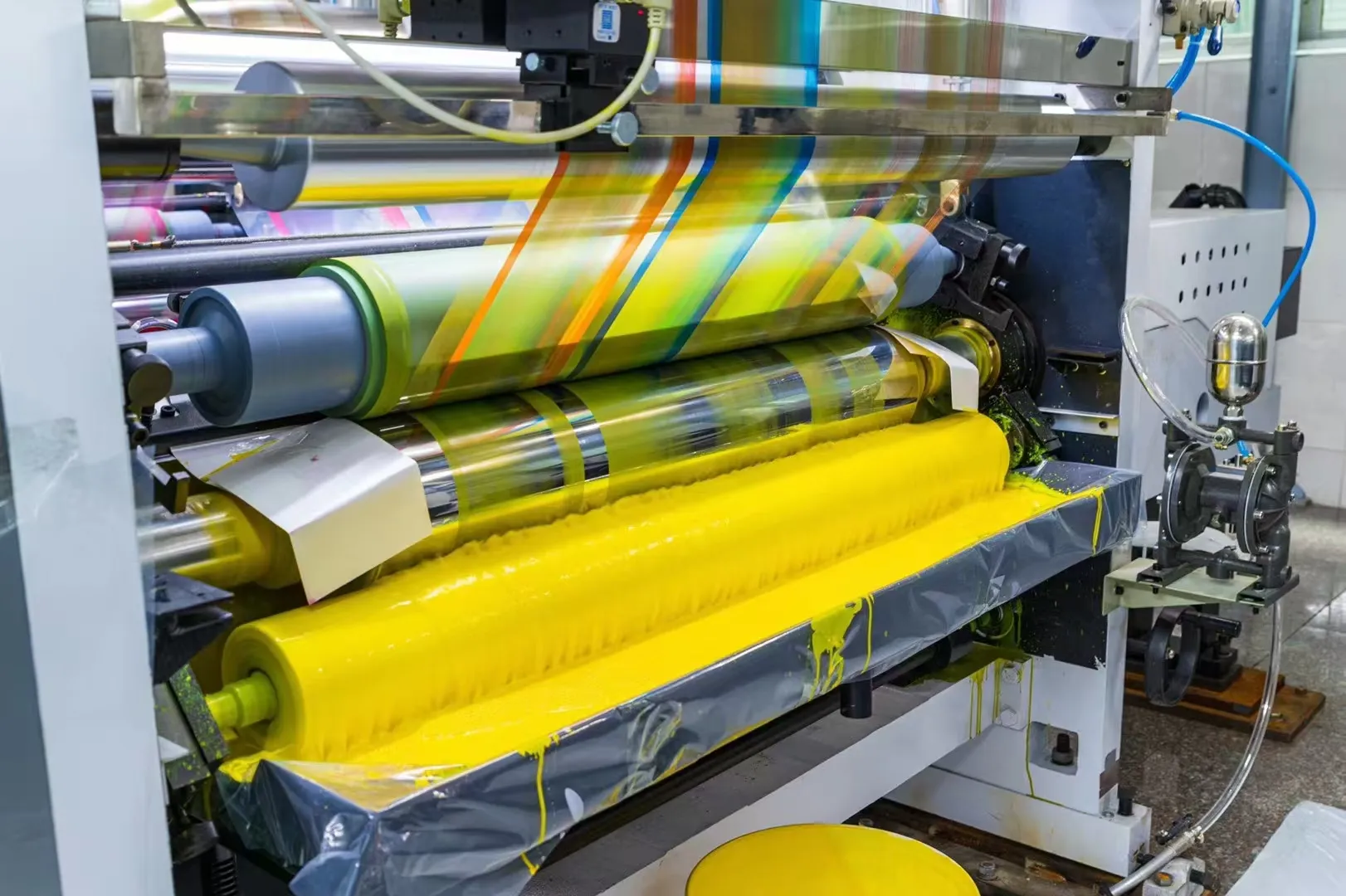
Kosten: Beurteilen Sie nicht allein nach dem Stückpreis
Auf den ersten Blick kosten Lösemitteltinten in der Regel weniger pro Kilo. Aber eine Vollkostenanalyse ändert das Bild:
- Der Lösemitteldruck erfordert oft teure Abgas- und VOC-Kontrollgeräte, einen hohen Energieverbrauch (RTO-Kraftstoff), laufende Kosten für die Einhaltung von Umweltauflagen und mögliche Abschaltungen für behördliche Inspektionen.
- Wasserbasierte Systeme haben zwar einen höheren Preis pro Tinteneinheit, aber sie eliminieren oder reduzieren diese nachgelagerten Kosten. Viele Verarbeiter berichten von einer Verbesserung der Gesamtkosten nach der Umstellung: geringere Investitionsausgaben für die Emissionskontrolle, niedrigere Energierechnungen und weniger behördliche Unterbrechungen.
So konnten wir beispielsweise nach der Umstellung eines Teils unserer Produktion auf wasserbasierte Druckfarben eine Senkung der Gesamtdruckkosten um 2-5% und einen erheblichen Rückgang der VOC-Emissionen in der Größenordnung von Hunderten von Tonnen pro Jahr feststellen - dank eines geringeren Lösungsmittelverbrauchs und eines einfacheren Minderungsbedarfs.
Marken- und Verbrauchererfahrung: der übersehene ROI
Neben der Einhaltung von Vorschriften und den Kosten trägt die Tintenchemie auch zur Markenwahrnehmung und Sicherheit bei:
- Niemand möchte einen Restlösemittelgeruch in einer Lebensmitteltüte haben. A Tinte auf Wasserbasis Verpackung trägt dazu bei, dass der Duft, der die Kunden empfängt, der Duft des Produkts ist - und nicht der von Lösungsmitteln.
- Für Babynahrung, Snacks für Kinder und gesundheitsbewusste Marken ist der Kommunikationswert von VOC- und migrationsarmen Druckfarben hoch. Die Verbraucher honorieren zunehmend Marken, die glaubwürdige Geschichten über Umwelt und Sicherheit erzählen.
Wenn Ihre Markenpositionierung auf Gesundheit, Nachhaltigkeit oder Familienfreundlichkeit ausgerichtet ist, sollten Sie Druckfarben auf Wasserbasis kann ein authentischer Teil dieser Erzählung sein.

Praktische Auswahlhilfe
Bevor Sie sich entscheiden, sollten Sie folgende Fragen stellen:
- Wo wird das Paket verkauft und gelagert? Exportmärkte mit strengen Chemikalienvorschriften drängen auf Chemikalien auf Wasserbasis.
- Auf welchem Substrat drucken Sie? Hochgradig nicht absorbierende metallisierte Folien werden immer noch von Lösemittelsystemen bevorzugt, es sei denn, Sie validieren die moderne wasserbasierte Adhäsion.
- Wie hoch ist der Wärmebedarf des Endverbrauchers? Retortieren, längeres Dämpfen oder extrem lange gekühlte/gefrorene Lagerung können immer noch Lösemittelfarben erfordern.
- Wie groß ist Ihre Toleranz für Umweltinvestitionen und laufende Kosten für die Einhaltung von Vorschriften? Wenn Sie RTOs und hohe VOC-Kosten vermeiden wollen, sind wasserbasierte Lacke überzeugend.
- Ist die Markenwahrnehmung Teil des ROI? Nachhaltigkeitsbewusste Marken gewinnen durch wasserbasierte Angaben an Wert.
Letzter Gedanke
Ein Satz: Wählen Sie auf der Grundlage der Produktpositionierung und des realen Anwendungsfalls und nicht auf der Grundlage absoluter Laborwerte. Wenn Nachhaltigkeit, Exportkonformität und Verbrauchersicherheit zentral sind, Druckfarben auf Wasserbasis sind heute der richtige Standard für die meisten flexiblen Lebensmittelverpackungsprojekte. Wenn Ihr Produkt eine extreme Leistung an den Grenzen der Verarbeitung oder Lagerung erfordert, bleiben Lösemitteltinten eine praktische, bewährte Option.
Möchten Sie den Unterschied persönlich sehen? Wir laden Sie ein, unsere Produktionslinie zu besuchen - Druck, Trocknung und Schälfestigkeitsprüfung Seite an Seite zu sehen, ist der schnellste Weg, um eine fundierte Entscheidung für Ihr Verpackungsprojekt zu treffen.
Über Zhongjia Printing
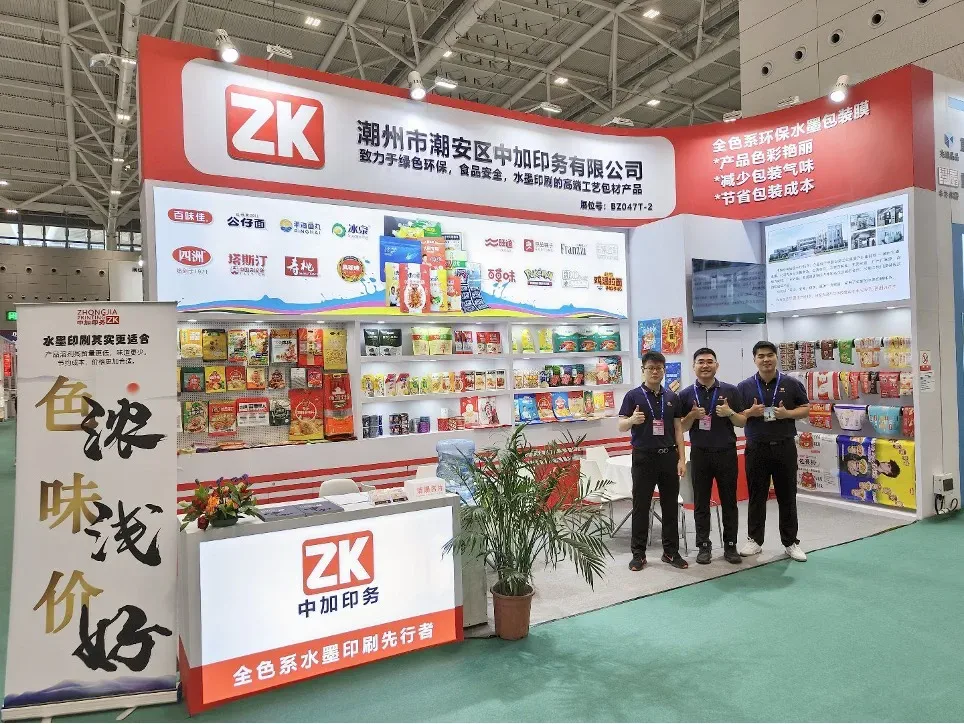
Zhongjia Druck ist ein Experte für flexible Verpackungen Bereitstellung von Großhandel benutzerdefinierte flexible Verpackung Versorgung für Marken, die Wert auf Sicherheit, Klarheit und Nachhaltigkeit legen. Unser Werk unterliegt international anerkannten Sicherheitsanforderungen, einschließlich Standards für Produkte für Kinder und Schwangere, die sicherstellen, dass jeder Beutel und jede Folienstruktur unter strengen Qualitätskontrollen hergestellt wird.
Eine wesentliche Stärke unseres Produktionssystems ist die Anwendung von Tinte auf Wasserbasis und vollständig Druck auf Wasserbasis Arbeitsabläufe. Dieser Ansatz reduziert die Lösemittelemissionen, verbessert die Sicherheit im Kontakt mit Lebensmitteln und liefert saubere, lebendige Grafiken, ohne die Umwelt zu gefährden.
