



Die Wahl des richtigen Farbsystems für den Rollendruck von Folien ist eine technische Entscheidung, die sich auf die Produktqualität, die Einhaltung von Vorschriften und die Gesamtbetriebskosten auswirkt. Für Verpackungseinkäufer, Verarbeiter und Markenteams ist die Wahl zwischen lösungsmittelbasierten Systemen und Tinte auf Wasserbasis Lösungen erfordert eine Bewertung der Folienkompatibilität, der Druckmaschinenleistung, der VOC- und Sicherheitsanforderungen, der nachgeschalteten Recyclingfähigkeit und der Betriebswirtschaftlichkeit.
Mit Zhongjia Printing, einem Experte für flexible Verpackungen, einen pragmatischen Vergleich und einen Entscheidungsrahmen, der B2B-Käufern hilft, die richtige Lösung für ihre Anwendung zu finden.
Warum die Wahl der Tinte für Roll Stock Film wichtig ist
Tinte steht in Wechselwirkung mit jedem Teil der Verpackungslieferkette:
- Es muss zuverlässig auf der ausgewählten Folie oder dem Laminat haften und gleichzeitig die Oberflächenspannung (Dyne-Werte) kontrollieren, um Benetzungsfehler zu vermeiden.
- Sie beeinflusst die Trocknungsenergie, die Liniengeschwindigkeit und den Durchsatz.
- Er trägt zu VOC-Emissionen und Genehmigungs-/Abgasanforderungen bei.
- Sie wirkt sich auf die Recyclingfähigkeit und die End-of-Life-Behandlung von bedruckten Folien aus.
Eine falsche Entscheidung bei der Wahl der Druckfarbe kann teure Nachbesserungen, rechtliche Probleme oder Probleme bei der Haltbarkeit nach sich ziehen - behandeln Sie die Druckfarbe also wie eine technische Spezifikation und nicht nur wie eine kreative Entscheidung.
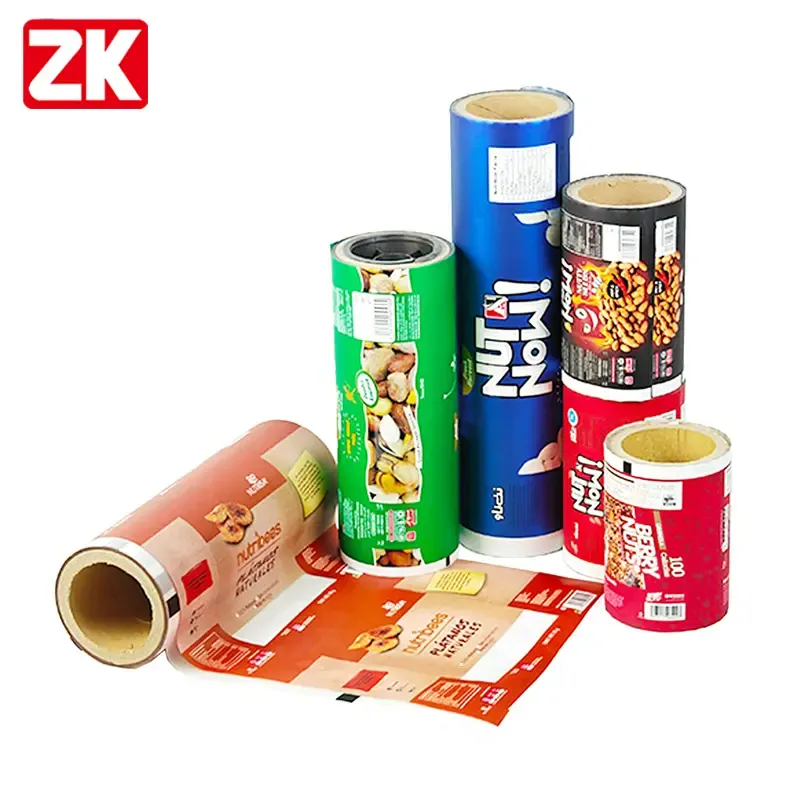
Lösemittelbasierte Druckfarben: Stärken und Beschränkungen
Lösemittelsysteme sind seit langem im flexiblen Hochgeschwindigkeits-Verpackungsdruck etabliert.
Stärken
- Hervorragende Haftung auf nicht porösen, niederenergetischen Folien (PET, metallisierte Substrate).
- Hohe Farbsättigung und hoher Glanz; vorhersehbare Farbabstimmung im Maßstab.
- Bewährt bei hohen Pressgeschwindigkeiten mit stabilem Trocknungsverhalten aufgrund der geringen latenten Verdampfungswärme organischer Lösungsmittel.
Zwänge
- Hohe VOC-Emissionen erfordern Lösungsmittelrückgewinnungs- oder -minderungssysteme und erhöhen die Investitions- und Betriebskosten.
- Arbeitsschutz-, Brand- und Explosionsschutzmaßnahmen machen die Anlage noch komplexer.
- Der zunehmende regulatorische Druck und die Nachhaltigkeitsanforderungen der Einzelhändler verringern die langfristige Attraktivität.
Für Projekte, bei denen die Folienhaftung und ein hoher Durchsatz im Vordergrund stehen - und bei denen der Standort bereits über eine Infrastruktur für die Verarbeitung von Lösungsmitteln verfügt - sind Lösemitteltinten nach wie vor eine verlässliche Wahl.
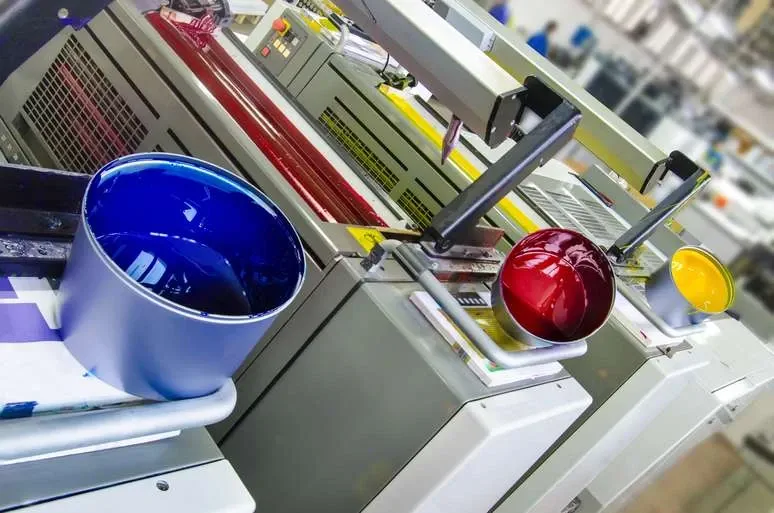
Tinte auf Wasserbasis: Nachhaltigkeit mit wachsender technischer Leistungsfähigkeit
Tinte auf Wasserbasis hat sich mit der Verbesserung der Formulierungen und der Trocknungstechnologie von einer Nische zu einer Standardoption entwickelt.
Warum das wichtig ist
- Geringere VOC-Emissionen die Einhaltung von Umweltvorschriften erheblich vereinfachen und die Sicherheit am Arbeitsplatz verbessern.
- Gute Leistung auf koronabehandelten Folien und mit geeigneten Grundierungen oder Primern.
- Zunehmend von Marken und Einzelhändlern als Teil der Nachhaltigkeitsanforderungen spezifiziert.
Technische Erwägungen
- Erfordert erhebliche zusätzliche Trocknungskapazitäten (Luftmesser, Kühlwalzen) und eine strengere Kontrolle der Bahnspannung, um ein Absetzen zu vermeiden (Farbübertragung auf die lebensmittelberührte Seite beim Aufwickeln).
- Einige Folien erfordern eine Optimierung der Oberflächenbehandlung (Corona/Grundierung), um eine gleichwertige Haftung mit Lösemittelsystemen zu erreichen.
- Für metallisierte Folien (VMPET) sind spezielle wasserbasierte Typen erforderlich, um die Oxidation der Aluminiumschicht und die anschließende Delamination zu verhindern.
- Migrationsarme Formulierungen auf Wasserbasis sind für Anwendungen mit Lebensmittelkontakt erhältlich, aber die Käufer müssen validierte Daten anfordern.
Für Käufer, die Wert auf Nachhaltigkeit, Einfachheit der Vorschriften und Zukunftsfähigkeit legen, Tinte auf Wasserbasis ist jetzt die wichtigste Option, die es zu bewerten gilt - vorausgesetzt, Druckmaschine und Bedruckstoff sind kompatibel.

Operative Kompromisse: Geschwindigkeit, Energie und Abfall
Die Auswahl der Druckfarben verändert die Betriebswirtschaft.
- Lösemittelsysteme können mit etablierten Lösemittelrückgewinnungsanlagen sehr hohe Liniengeschwindigkeiten erreichen; der Energieverbrauch ist moderat, aber die Kapitalinvestitionen sind hoch.
- Wasserbasierte Systeme benötigen in der Regel 2- bis 4-mal mehr thermische Energie für die Feuchtigkeitsentfernung; neuere lufteffiziente Trockner verringern diesen Unterschied, aber die höhere elektrische Belastung pro Gerät muss in die TCO eingerechnet werden.
- Umrüstmakulatur und Platten-/Schlitzmakulatur werden durch den Digitaldruck reduziert - dies wird oft kombiniert mit Tinte auf Wasserbasis für SKU-lastige, kurzfristige Aufträge.
Bewerten Sie das gesamte Produktionsprofil: Durchsatzziele, verfügbare Trocknerkapazität, Umrüsthäufigkeit und Artikelmix, bevor Sie sich festlegen.
Konformität, Lebensmittelsicherheit und Wiederverwertbarkeit
Drei Beschaffungskontrollen sind nicht verhandelbar:
- Daten über Migration und niedrige Migrationsraten - sicherstellen, dass die Prüfung die Absetzmigration bei der Lagerung von Hochdruckrollen berücksichtigt.
- VOC- und Emissionsberichte - Die Lieferanten sollten gemessene VOC-Werte und Spezifikationen für die Reduzierung von Lösemittelsystemen vorlegen.
- Auswirkungen des Recyclings - Überprüfen Sie die Entfärbbarkeit; einige Tinten auf Wasserbasis können das Waschwasser beim mechanischen Recycling färben, was zu verfärbtem PCR (Post-Consumer Resin) führt. Geben Sie “waschbare” oder “entfärbbare” Systeme an. Einkäufer müssen bei Ausschreibungen eine Dokumentation verlangen - DoC, CoA, VOC-Berichte und unabhängige Recyclingfähigkeitstests (z. B. APR- oder RecyClass-Protokolle).
Einkäufer müssen im Rahmen von Ausschreibungen Unterlagen verlangen - DoC, CoA, VOC-Berichte und unabhängige Tests zur Wiederverwertbarkeit.
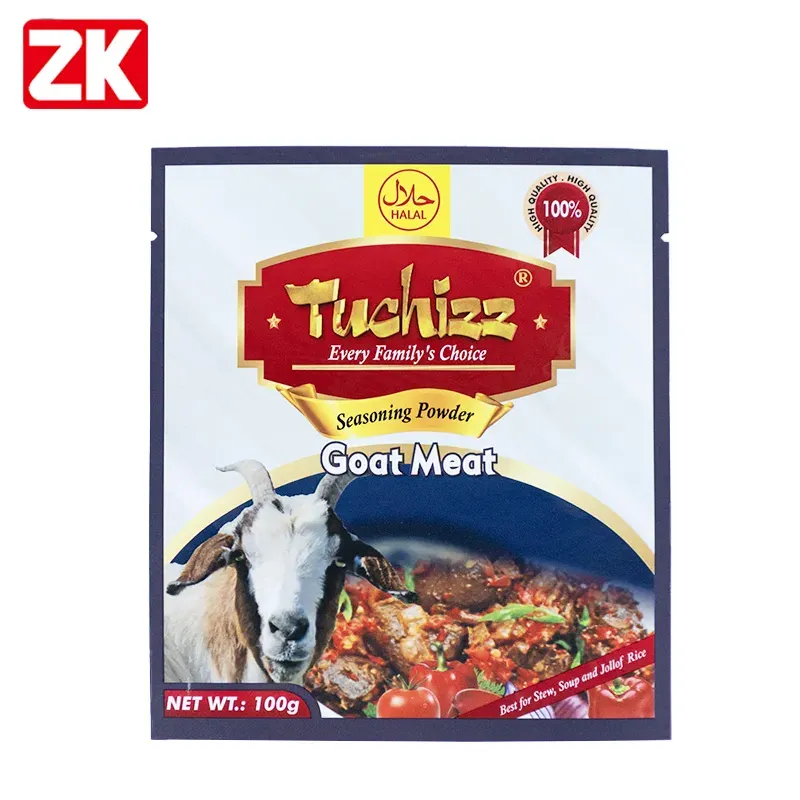
Wann ist welches System zu bevorzugen (Entscheidungsregeln)
- Wählen Sie Tinte auf Lösungsmittelbasis wenn: es sich bei der Folie um ein reaktives metallisiertes Substrat ohne spezielle Primer handelt, die erforderlichen Liniengeschwindigkeiten die validierte Kapazität auf Wasserbasis übersteigen oder wenn ein Verarbeiter bereits über robuste Systeme zur Handhabung von Lösungsmitteln verfügt.
- Wählen Sie Tinte auf Wasserbasis wenn: Nachhaltigkeitsanforderungen (Einzelhändler/ESG) im Vordergrund stehen, strenge VOC-Grenzwerte gelten oder wenn eine kürzere, regional begrenzte Produktion mit behandelten Folien oder Primern erfolgt.
Führen Sie, wenn möglich, nebeneinander liegende Druckversuche auf dem tatsächlichen Film und bei den vorgesehenen Geschwindigkeiten durch - diese Validierung ist der zuverlässigste Erfolgsfaktor.
Zusammenfassende Tabelle
| Vergleich Artikel | Lösemitteltinte | Tinte auf Wasserbasis |
| VOC-Emissionen | Hoch | Niedrig |
| Folienhaftung (unbehandelte Folien) | Ausgezeichnet | Gut (erfordert Korona/Primer) |
| Druckgeschwindigkeit | Sehr hoch | Mittel-hoch |
| Farbsättigung | Sehr hoch | Hoch |
| Energieverbrauch bei der Trocknung | Mäßig | Hoch bis sehr hoch |
| Eignung von Lebensmittelverpackungen | Gut (mit Kontrollen) | Sehr gut (Optionen mit geringer Abwanderung) |
| ESG / Akzeptanz im Einzelhandel | Mittel | Hoch |
| Komplexität der Nachrüstung | Hoch (Sicherheitssysteme) | Mittel (erfordert Verbesserungen bei der Trocknung/Kühlung) |
Schlussfolgerung
Es gibt keine pauschale Antwort für alle. Wasserbasierende Tinte bietet heute starke Vorteile in Bezug auf Nachhaltigkeit und Einhaltung von Vorschriften und ist technisch in der Lage, eine zunehmende Anzahl von Anwendungen für Rollenware zu erfüllen, aber die Folienbehandlung ist nicht ausreichend, hoher Wärmeenergiebedarf, und die Produktionsgeschwindigkeit bleiben entscheidende Faktoren. Betrachten Sie die Farbauswahl als ein systemtechnisches Problem: Stimmen Sie Folienstruktur, Druckmaschinenleistung, Emissionsvorschriften und nachgeschaltete Recyclingfähigkeit aufeinander ab. Wenn beide Systeme zusammen bewertet und validiert werden, können sie zuverlässige, konforme Verpackungen liefern - aber die langfristige strategische Richtung für viele Marken geht in Richtung wasserbasierter Druckfarben als Basis.
Über Zhongjia Verpackung
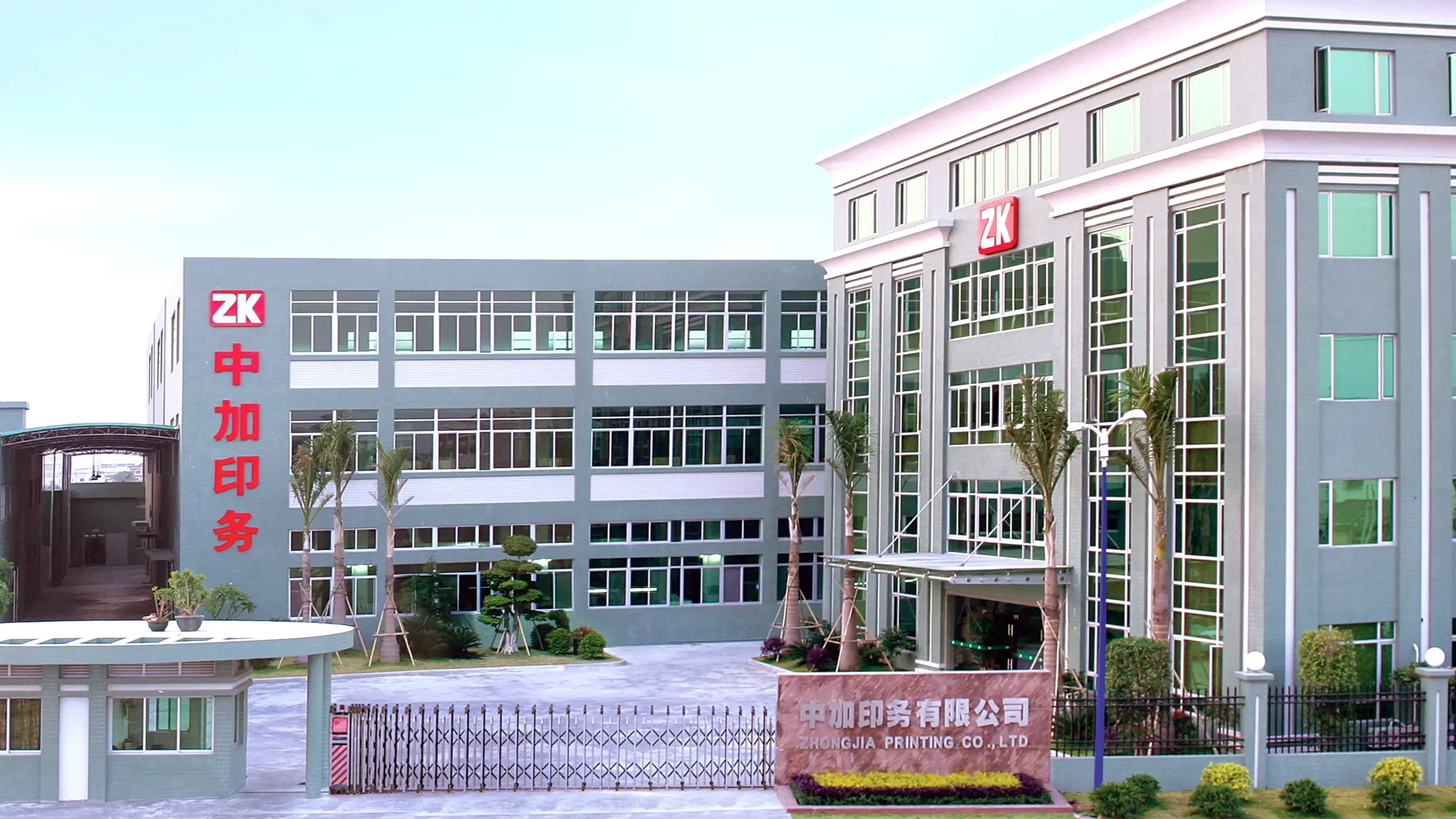
Zhongjia Printing ist ein erfahrenes Hersteller von kundenspezifischen flexiblen Verpackungen mit fortgeschrittenen Drucktechnologie mit wasserbasierter Tinte das umweltfreundliche, lebendige und lebensmittelechte Ergebnisse liefert. Unser Werk verwendet Wasser als primäres Lösungsmittel für den Druck, wodurch die VOC-Emissionen erheblich reduziert und die Sicherheit von Verpackungsanwendungen verbessert werden, während gleichzeitig eine hohe Produktionseffizienz durch optimierte Prozesse gewährleistet wird.
Wir bieten Großhandel benutzerdefinierte flexible Verpackungsbeutel und Kundenspezifische flexible Verpackungslösungen die Nachhaltigkeit mit marktgerechter Leistung verbinden. Durch die Integration von umweltfreundlichem Druck und strenger Qualitätskontrolle unterstützt Zhongjia Printing Marken, die nach umweltfreundlicheren Verpackungsoptionen suchen, ohne Kompromisse bei der visuellen Wirkung oder Haltbarkeit einzugehen.
FAQ
F1: Können wasserbasierte Tinten in der Farbqualität mit Lösemitteltinten mithalten?
Ja - moderne wasserbasierte Formulierungen bieten eine hohe Farbsättigung. Für glänzende Oberflächen und bestimmte Metallic-Effekte sind jedoch nach wie vor Lösungsmittel- oder UV-Systeme vorzuziehen.
F2: Erfordert die Umstellung auf Tinte auf Wasserbasis neue Geräte?
Oft müssen Sie den Trockner aufrüsten und möglicherweise die Bahnspannungsregelung verbessern. Bei älteren Anlagen sind Investitionen wahrscheinlich, bei neueren Druckmaschinen ist die Umstellung im Allgemeinen einfacher.
F3: Sind Druckfarben auf Wasserbasis für den Druck mit Lebensmittelkontakt sicher?
Es gibt migrationsarme Druckfarben auf Wasserbasis, die jedoch validierte Migrationstests und DoC erfordern. Fordern Sie immer Laborberichte an, die auf Ihr Substrat und Ihren Prozess abgestimmt sind.
F4: Welches Tintensystem unterstützt recycelbare Verpackungen besser?
Im Allgemeinen, Tinte auf Wasserbasis ist recyclingfreundlicher, aber die endgültige Kompatibilität hängt von Lacken und Beschichtungen ab. Erkundigen Sie sich bei den Recyclern.
F5: Welche Unterlagen sollten Käufer anfordern?
Schichtspezifische DoC, Berichte über Migrationstests, VOC-Messungen und unabhängige Daten zur Recyclingfähigkeit/EPD, sofern verfügbar. Bestehen Sie auf Druckversuchsproben.
