



To receive an accurate custom packaging quote, buyers should provide key details: product information, pouch style, dimensions, material requirements, printing artwork, functional features, and order quantity. These specifications help manufacturers evaluate production feasibility, recommend suitable packaging structures, and calculate costs more accurately. Zhongjia Bao bì specializes in environmentally friendly flexible packaging with in bằng mực gốc nước, serving over 40 well-known companies and exporting to more than 20 countries.
What Product Information Should You Provide First?
Start by explaining what product the packaging will contain, including its physical characteristics, filling conditions, and storage requirements. This information helps manufacturers identify suitable packaging materials, barrier properties, and bag structures.
The product itself determines many packaging decisions. A pouch designed for dry snacks will have different performance requirements from one used for liquid sauces or household cleaning products.
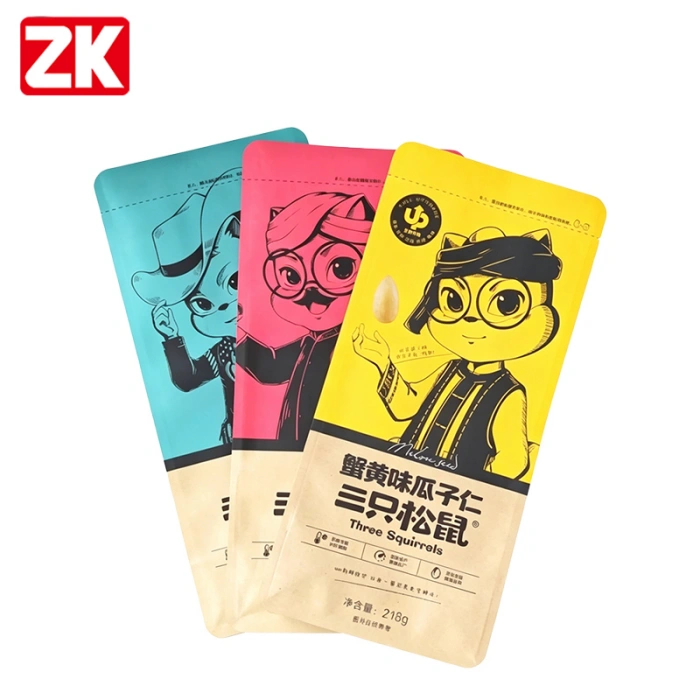
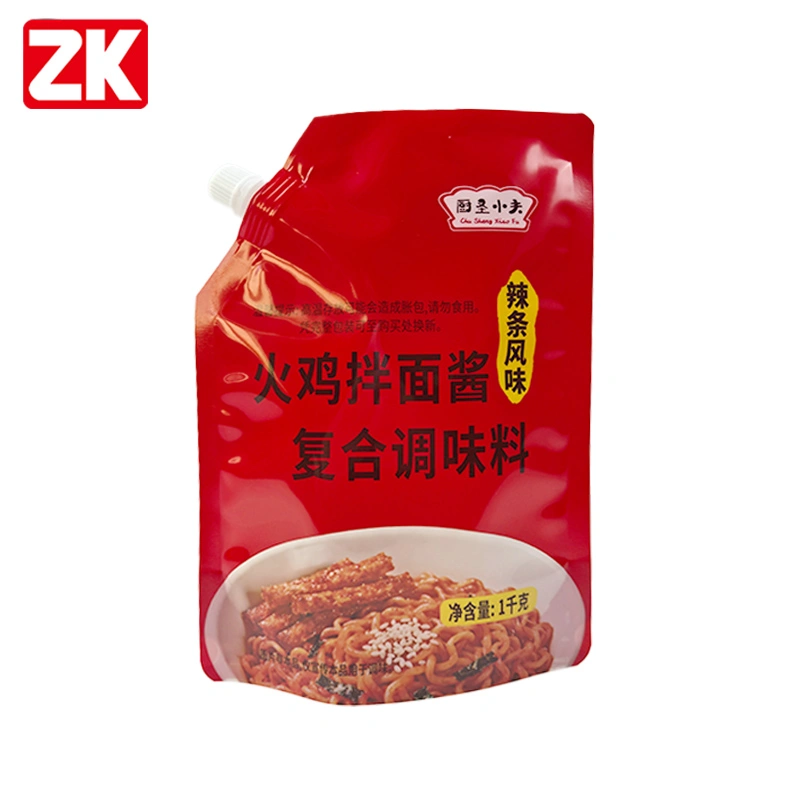
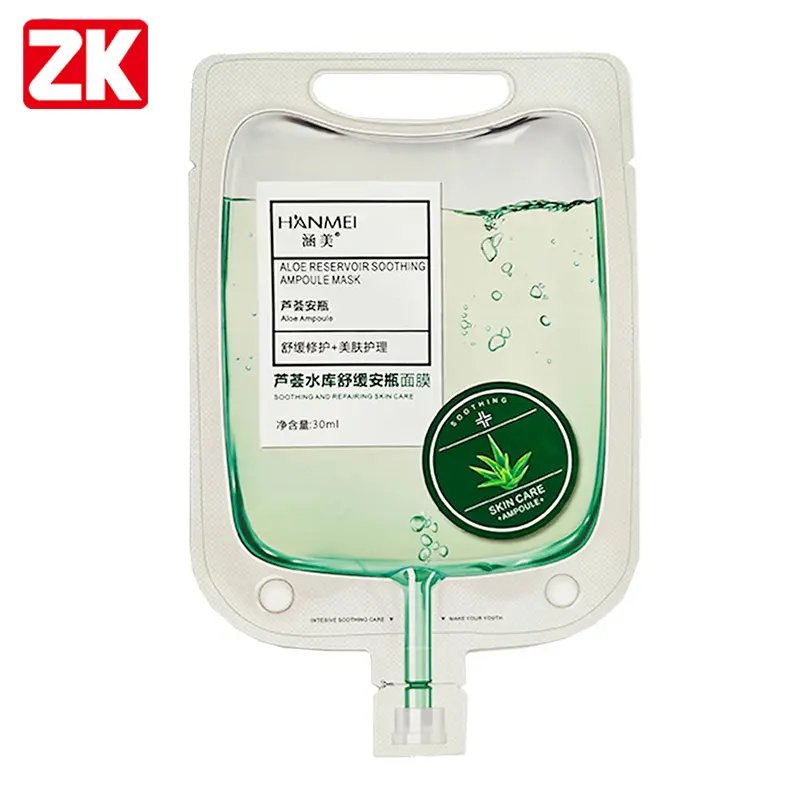
Prepare the following information:
| Information | Examples | Why It Matters |
|---|---|---|
| Product category | Snacks, coffee, powder, sauce, toys, detergents | Determines packaging application |
| Product form | Solid, liquid, powder, granular | Influences pouch structure |
| Product weight or volume | 100 g, 500 g, 1 L | Helps determine package capacity |
| Điều kiện bảo quản | Room temperature, refrigerated, frozen | Determines material performance |
| Shelf-life target | 6 months, 12 months, 18 months | Helps establish barrier requirements |
| Phương pháp nạp đầy | Manual, automatic, hot filling | Affects sealing and material selection |
For example, coffee packaging may require oxygen and moisture protection, while liquid sauce packaging needs reliable sealing performance and compatibility with the filling process.
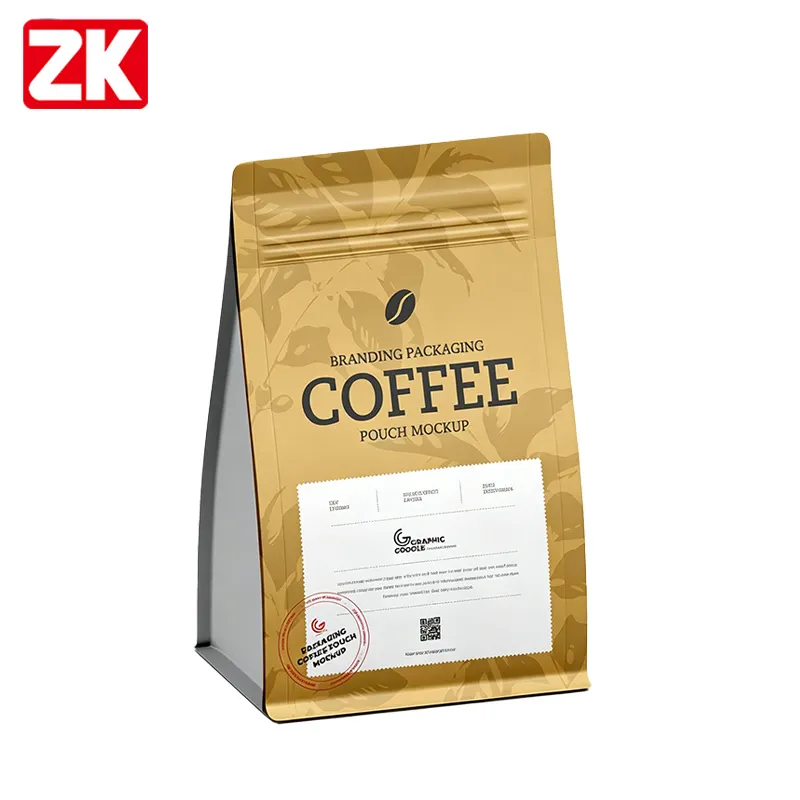
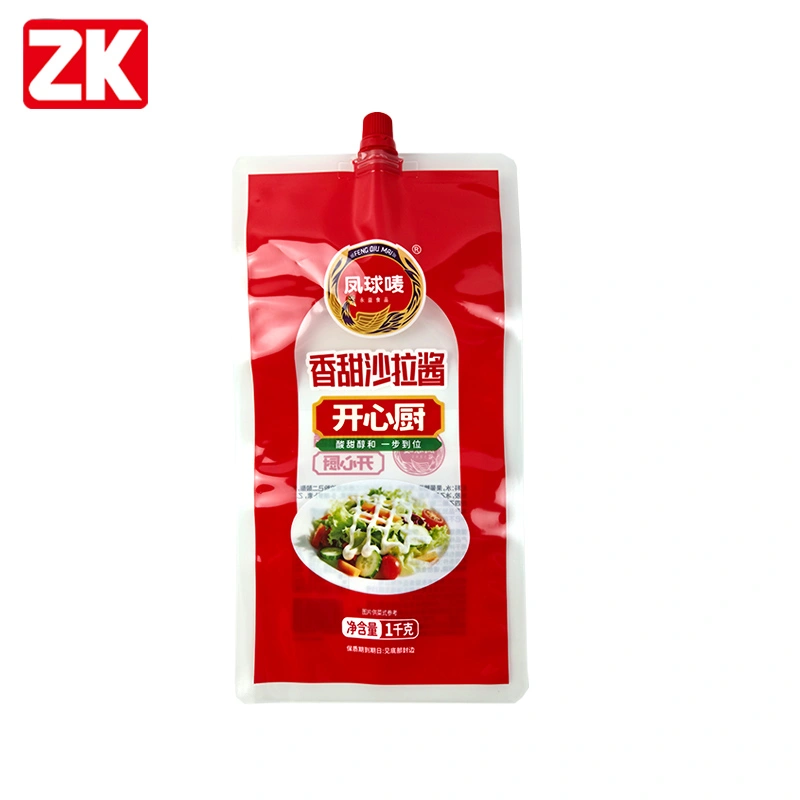
Practical tip: If you do not know the technical specifications, provide product photographs, product weight, and storage conditions. A professional manufacturer can use these details to recommend an appropriate packaging solution.
What Packaging Dimensions and Bag Structures Are Required?
Provide the finished bag dimensions and preferred pouch style, including width, height, and gusset measurements where applicable. These specifications determine material consumption, production feasibility, filling capacity, and manufacturing costs.
Different pouch structures require different production processes and material layouts.
| Loại bao bì | Các ứng dụng điển hình | Important Specifications |
|---|---|---|
| Stand-Up Pouch | Snacks, coffee, dried fruit | Width, height, bottom gusset |
| Flat-Bottom Pouch | Premium coffee, pet food | Width, height, side and bottom gussets |
| Túi có vòi rót | Juice, sauces, liquid products | Spout position, diameter, pouch size |
| Three-Side Seal Pouch | Powder, samples, snacks | Width, height, seal width |
| Zipper Pouch | Nuts, confectionery, snacks | Zipper position and opening width |
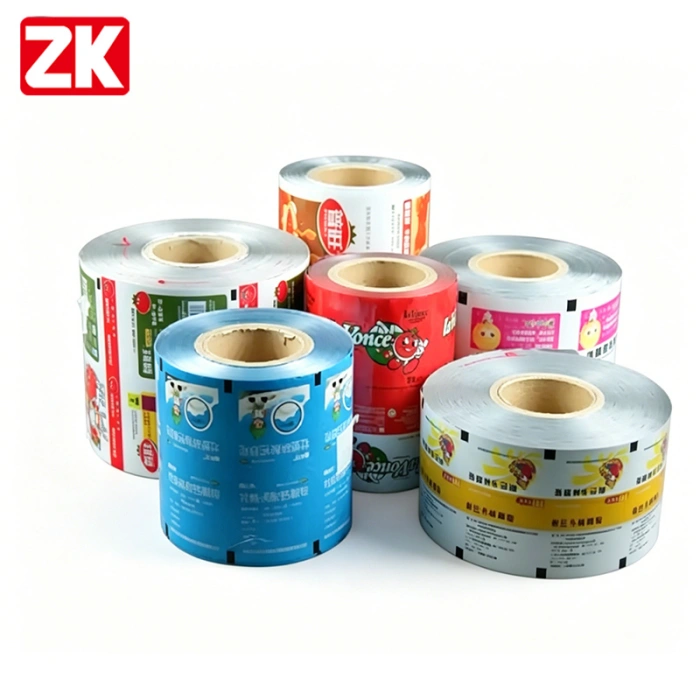
| Phim cuộn | Automatic packaging lines | Film width, roll direction, core size |
When preparing a custom packaging quote, make sure to clarify whether the dimensions refer to the finished bag or the product inside it.
If you already use existing packaging, send a physical sample, technical drawing, or clear photographs with measurements. This gives the manufacturer a more reliable reference than an approximate description.
You should also mention whether the packaging will be filled manually or by an automatic filling machine. This is particularly important for rollstock film and high-speed packaging applications.
What Material and Barrier Requirements Should You Specify?
Specify your preferred packaging material structure if known, together with the required protection against moisture, oxygen, light, grease, and other external factors. If you are unsure about the material combination, explain the product’s shelf-life and storage requirements so the manufacturer can recommend a suitable structure.
Flexible packaging often consists of multiple material layers, with each layer serving a different purpose.
For example:
- PET provides printability, stiffness, and dimensional stability.
- PE is commonly used as a heat-sealing layer.
- Aluminum foil provides strong protection against light, oxygen, and moisture.
- Metallized films provide barrier performance while offering a different appearance and cost structure from aluminum foil.
The final material combination depends on product characteristics, packaging equipment, transportation conditions, and required shelf life.
When discussing material requirements, consider these questions:
- Does the product need oxygen protection?
- Is moisture resistance important?
- Does the packaging need protection from direct light?
- Will the product be stored under refrigerated or frozen conditions?
- Does the package need to withstand hot filling or other demanding conditions?
For food packaging, regulatory compliance must also be considered.
According to the Cơ quan Quản lý Thực phẩm và Dược phẩm Hoa Kỳ (FDA), food-contact substances must be authorized for their intended uses where applicable under U.S. food additive regulations.
Similarly, the European Commission’s Regulation (EC) No. 1935/2004 establishes general safety requirements for materials intended to come into contact with food in the EU.
Therefore, tell your manufacturer which countries or regions you plan to sell in and provide any applicable compliance requirements.
4. What Printing Artwork and Customization Files Should You Send?
Provide your packaging artwork, brand logo, printing color requirements, and preferred surface finish. A finished design file helps the manufacturer assess printing complexity, color reproduction, cylinder preparation, and production feasibility.
For a smoother quotation process, prepare the following files and details:
- Artwork: Print-ready AI or PDF files when available.
- Brand Logo: High-resolution vector artwork.
- Color Requirements: Pantone references or approved color samples.
- Printing Colors: Number of colors and special color requirements.
- Surface Finish: Matte, glossy, or other requested finishes.
- Design Reference: Existing packaging samples or competitor references for visual guidance.
If your artwork is not finalized, you can still submit a preliminary inquiry. Provide your logo, basic design concept, and estimated printing requirements first.
Why Should You Consider In bằng mực gốc nước?
Printing technology is another important factor when evaluating a flexible packaging manufacturer.
Zhongjia Bao bì specializes in environmentally friendly in bằng mực gốc nước, offering an alternative to conventional solvent-based printing processes. Water-based inks use water as a primary carrier and can help reduce VOC emissions associated with printing.
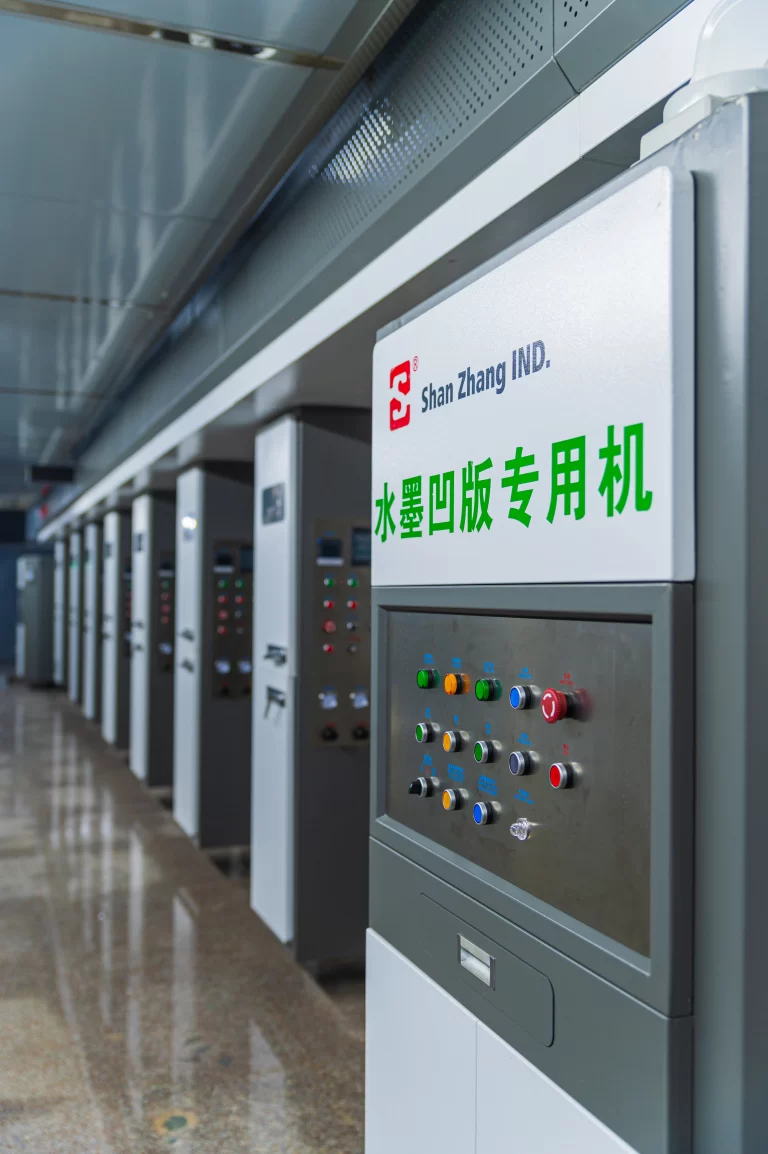
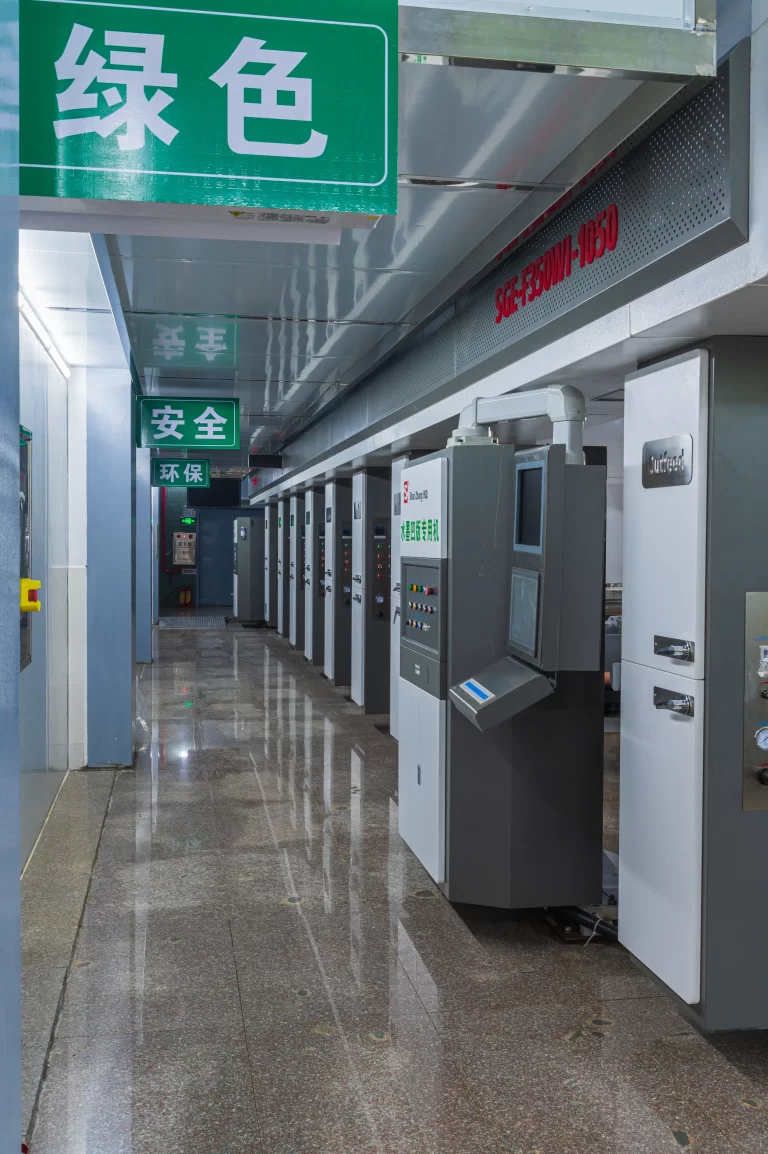
This technology supports efficient printing, consistent color management, and more environmentally conscious packaging production.
However, ink compatibility depends on the substrate, surface treatment, drying conditions, and lamination process. Buyers should confirm these requirements with the manufacturer rather than assuming every material is automatically suitable.
What Functional Features and Special Requirements Should You Include?
List all additional packaging features, such as zippers, spouts, tear notches, hang holes, and transparent windows. These details influence pouch construction, component selection, production processes, and the final quotation.
Common functional options include:
| Tính năng | Chức năng chính | Suitable Applications |
|---|---|---|
| Resealable Zipper | Allows repeated opening and closing | Snacks, nuts, pet treats |
| Vòi | Supports convenient liquid dispensing | Juice, sauces, beverages |
| Khe rách | Makes packages easier to open | Candy, snacks, powder |
| Lỗ treo | Supports retail display | Toys, small consumer products |
| Transparent Window | Displays the product inside | Coffee, snacks, dried fruit |
| Van xả khí | Releases gas while limiting outside air entry | Freshly roasted coffee |
Not every feature is suitable for every packaging structure. For example, a spout requires a compatible pouch design and sealing arrangement.
Before requesting a custom packaging quote, identify which features are essential and which are optional. This allows manufacturers to compare different configurations and recommend cost-effective solutions.
What Order Quantity and Purchasing Information Do Manufacturers Need?
Provide the estimated order quantity for each packaging size and design, together with your purchasing schedule, delivery destination, and target delivery date. These details help manufacturers evaluate production arrangements, material purchasing, setup costs, and shipping requirements.
Your purchasing information should include:
- Initial Order Quantity: The number of bags required for your first order.
- Quantity per SKU: Separate quantities for different sizes, designs, or product variants.
- Repeat Order Forecast: Expected purchasing frequency and future demand.
- Target Delivery Date: When you need the packaging delivered.
- Shipping Destination: Country, city, and delivery address where available.
- Shipping Preferences: Sea freight, air freight, or other preferred arrangements.
Order quantity is particularly important because customized packaging involves material preparation, printing setup, and manufacturing processes.
For example, 50,000 bags with one design and 50,000 bags divided among five different designs may involve different production arrangements and setup costs.
When comparing suppliers, make sure each quotation uses the same specifications, quantity per design, and delivery terms. Otherwise, the quoted prices may not be directly comparable.
What Documents Should You Prepare Before Requesting a Packaging Quotation?
Prepare your product specifications, packaging drawings, artwork files, reference samples, and applicable compliance documents. These materials help manufacturers verify technical requirements and reduce misunderstandings before production.
The following document checklist is useful for overseas B2B buyers:
| Document or File | Required Status | Purpose |
|---|---|---|
| Product Specification Sheet | Recommended | Describes product weight, form, and storage |
| Packaging Dimension Drawing | Recommended | Confirms bag measurements and structure |
| Artwork File | If available | Supports printing evaluation |
| Existing Packaging Sample | Optional | Provides a physical reference |
| Material Specification | If available | Identifies preferred film structure |
| Compliance Requirements | For regulated markets | Defines applicable market requirements |
| Purchase Forecast | Recommended | Supports production planning |
For food packaging projects, buyers should identify the destination market and provide relevant food-contact requirements. Do not assume that a general product certificate automatically covers every material, printing ink, adhesive, or intended use.
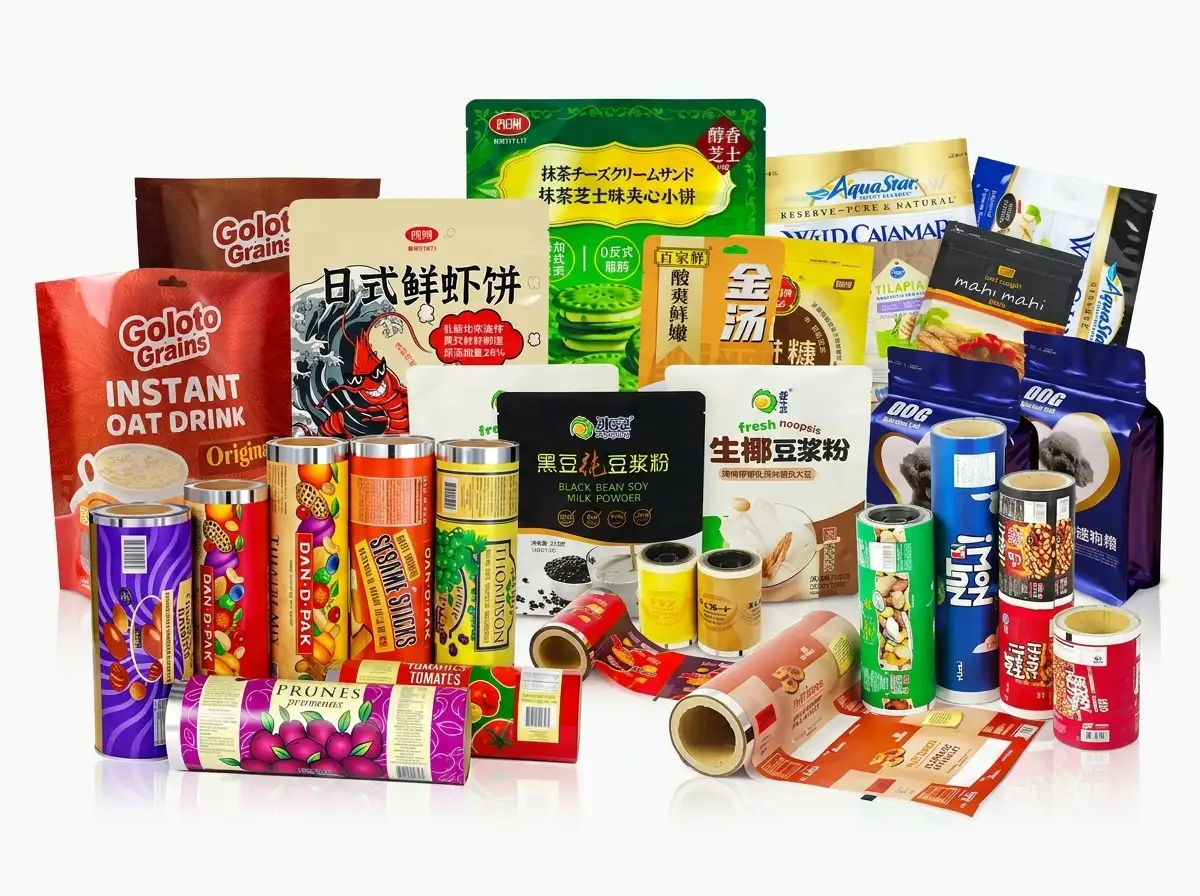
A useful additional step is to create one master specification sheet for each SKU. Assign each packaging design a unique reference number and record its dimensions, material structure, artwork version, quantity, and functional features.
This prevents a common B2B purchasing problem: manufacturers receiving different versions of the same packaging specifications from purchasing, marketing, and product development teams.
What If You Do Not Have All the Packaging Specifications Yet?
You can still request an initial custom packaging quote without having every technical detail finalized. Provide your product information, approximate dimensions, estimated quantity, target market, and packaging reference, then ask the manufacturer to recommend suitable materials and structures.
Not every buyer has packaging engineering experience. Some importers and brand owners know exactly what product they want to package but do not know which film combination or pouch construction will work best.
The most effective approach is to separate confirmed information from items that need manufacturer support.
| Specification | What Buyers Can Provide | What Manufacturers Can Help With |
|---|---|---|
| Product Information | Product type and weight | Packaging suitability |
| Bag Dimensions | Approximate size or sample | Structure and sizing recommendations |
| Chất liệu | Desired protection and shelf life | Material combination |
| In ấn | Logo and design concept | Printing feasibility |
| Functional Features | Required opening or dispensing method | Suitable feature selection |
| Số lượng | Estimated demand | Production and MOQ evaluation |
How Can You Improve the Quotation Process?
A professional quotation process should move through three stages:
Stage 1: Preliminary Budgetary Quote
Provide the product category, approximate packaging size, preferred pouch type, estimated quantity, and destination market. The manufacturer can assess the project and provide an initial pricing direction based on the available information.
Stage 2: Technical Confirmation Quote
Confirm the material structure, precise dimensions, printing requirements, special features, and artwork details. The manufacturer can then evaluate production feasibility and calculate a more accurate price.
Stage 3: Production-Ready Quotation
Finalize the approved specifications, artwork version, quantity per design, packaging requirements, delivery terms, and other commercial conditions. The quotation can then serve as the basis for order confirmation and production planning.
This three-stage approach is a practical way to distinguish an early cost estimate from a technically confirmed quotation. It also allows buyers to start supplier communication without waiting for every design and engineering decision to be completed.
Frequently Asked Questions About Custom Packaging Quotes
1. Can I Get a Custom Packaging Quote Without a Finished Design?
Yes. You can request an initial quotation using product photographs, approximate dimensions, estimated quantity, and a reference package. A manufacturer can help evaluate the packaging structure and printing requirements before your artwork is finalized.
2. Does Packaging Size Affect the Final Quotation?
Yes. Packaging dimensions directly influence film consumption and material costs. Larger bags generally require more material, while complex structures and special dimensions may also affect manufacturing efficiency and production costs.
3. How Does Order Quantity Affect Packaging Prices?
Larger order quantities can reduce the average impact of certain setup costs per bag. However, the final price also depends on material specifications, printing requirements, pouch structure, and the number of designs or SKUs.
4. Do I Need to Specify the Packaging Material?
You should provide your preferred material if you already have one. If not, explain your product characteristics, shelf-life target, and storage conditions so the manufacturer can recommend a suitable material structure.
5. Can Water-Based Ink Be Used for Custom Flexible Packaging?
Yes. Water-based ink printing is suitable for various flexible packaging applications when the ink, substrate, surface treatment, and production process are properly matched. Zhongjia Packaging specializes in this printing technology and provides customized printing solutions for different packaging projects.
6. How Can I Compare Quotations from Different Packaging Manufacturers?
Compare quotations using identical specifications, including bag dimensions, material structure, thickness, printing requirements, functional features, order quantity, and delivery terms. Also evaluate production capabilities, quality control procedures, and the manufacturer’s experience with your packaging application.
Kết luận
Preparing complete technical specifications, purchasing information, and supporting documents is the foundation of an efficient packaging quotation process. By clearly communicating your product requirements, bag dimensions, material preferences, artwork, functional features, and order quantities, you can help manufacturers evaluate production feasibility and provide more reliable pricing.
Zhongjia Bao bì là một nhà sản xuất bao bì dẻo chuyên nghiệp specializing in environmentally friendly water-based ink printing. We serve more than 40 well-known companies and export packaging products to over 20 countries. Equipped with four high-speed production lines, advanced manufacturing equipment, strict quality management, and laboratory testing, we provide customized packaging solutions for food, daily necessities, and toy applications. Our product range includes túi đứng, flat-bottom pouches, túi có vòi rót, zipper bags, and other flexible packaging products. Whether you already have complete packaging specifications or need professional assistance with material selection and structural design, Zhongjia Bao bì is ready to support your project. Contact our team today to discuss your requirements and request a customized packaging quotation.
