



Marken, die unter dem Druck stehen, nachhaltige Verpflichtungen einzuhalten, erwägen zunehmend Einstoffliche flexible Verpackungen als pragmatischer Weg zur Wiederverwertbarkeit. Die Einführung einer flexiblen Einstoffverpackung für reale Produkte - insbesondere für Flüssigkeiten und Snacks mit hohen Barrierewerten - ist jedoch eine Systementscheidung: Materialwissenschaft, Verarbeitungskapazität, Abfüllanlagen und End-of-Life-Infrastruktur müssen alle aufeinander abgestimmt sein.
In diesem Leitfaden, Zhongjia Verpackungan Experte für flexible Verpackungen, hilft den Beschaffungs- und Verpackungsteams bei der Beurteilung, ob Monolösungen sowohl die Leistung als auch die nachhaltige Verpackung Ziele.
Bedeutet Monomaterial eine einzige Schicht des Verpackungsbeutels?
“Monomaterial” bedeutet, dass die fertige Verpackung von einer Polymerfamilie dominiert wird (in der Regel auf PE- oder PP-Basis), nicht dass es sich buchstäblich um eine einzige homogene Schicht handelt.
Praktische Konstruktionen verwenden Co-Extrusionen, Barriereschichten, die innerhalb derselben Polymerfamilie eingekapselt sind, oder hochbarrierefähige Oberflächenbeschichtungen, die die Kompatibilität des Beutels mit lokalen Recyclingströmen gewährleisten. Das Ziel ist einfach: Der Beutel muss für die bestehenden Sortier- und Wiederaufbereitungssysteme annehmbar sein, damit die Produkte der Marke nachhaltige Verpackung Behauptungen glaubwürdig sind.
Wenn flexible Verpackungen aus einem einzigen Material ein guter Ansatz sind
Monolösungen eignen sich am besten, wenn die funktionalen Anforderungen moderat sind und der Recyclingstrom das Polymer annimmt:
- Kurze bis mäßige Haltbarkeit bei Raumtemperatur (Tage → Monate).
- Niedriger bis mäßiger Ölgehalt und Produkte ohne Kohlensäure.
- Kontrolliertes Vertriebsklima (Kühlkette oder begrenzte Transitzeit).
- Märkte mit etablierter PE- oder PP-Recycling-Infrastruktur.
Wenn Sie eine lange Haltbarkeit bei Umgebungsbedingungen für fetthaltige Soßen oder Retortanwendungen anstreben, sind traditionelle Mehrschichtlaminate (Folie, VMPET) immer noch besser als Einschichtlaminate mit Barriere - testen Sie also, bevor Sie sich festlegen.
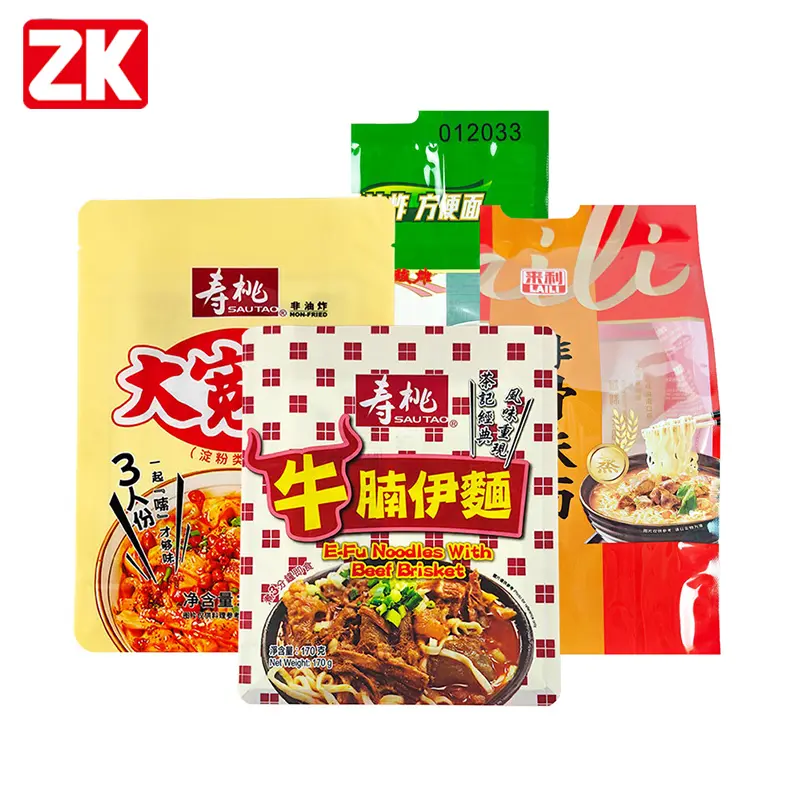
Technische Kompromisse: Barriere und Dichtung Realitäten
Die Einkäufer müssen über Marketingbegriffe hinausgehen und auf Zahlen bestehen. Fragen Sie die Lieferanten nach MVTR- und OTR-Daten auf Chargenebene unter realistischen RH/T-Bedingungen. Gängige Monoarchitekturen (PE/EVOH/PE oder PE mit Barrierebeschichtungen) können sich der Barriere von Mehrschichtfolien annähern - EVOH ist jedoch feuchtigkeitsempfindlich, und Beschichtungen erfordern möglicherweise zusätzliche Sorgfalt bei der Handhabung.
Ebenso wichtig ist die Versiegelung. Monofolien verändern das thermische Fenster für zuverlässige Heißsiegelungen. Validieren Sie die Siegelstärke (N/15mm), Bersttests und Hochgeschwindigkeitssiegelung an Ihrem tatsächlichen Füllmaterial. Eine schwache Siegelung ist der schnellste Weg vom Nachhaltigkeitsgewinn zum Markenrückruf.
Total Cost of Ownership (TCO) - Nachhaltigkeit muss sich operativ auszahlen
Monomaterialien können die Strafen am Ende des Lebenszyklus verringern, sind aber nicht automatisch billiger in der Herstellung. Kosten, die Sie modellieren müssen:
- Prämien für Filme und Beschichtungen (MDO-PE, Barrierebeschichtungen).
- Gebühren für den Pilotbetrieb und die Validierung von Kleinserien.
- Potenzieller Ertragsverlust während der Rampe (Siegelprobleme, Druckregistrierung).
- MOQ und Lagerhaltung zur Sicherung der richtigen Folienchargen.
- Die vermiedenen EPR-Gebühren oder das Risiko der Auslistung von Einzelhändlern - ein echter Vorteil.
Vergleichen Sie die Anbieter anhand der Gesamtbetriebskosten (TCO), nicht nur anhand des Stückpreises.
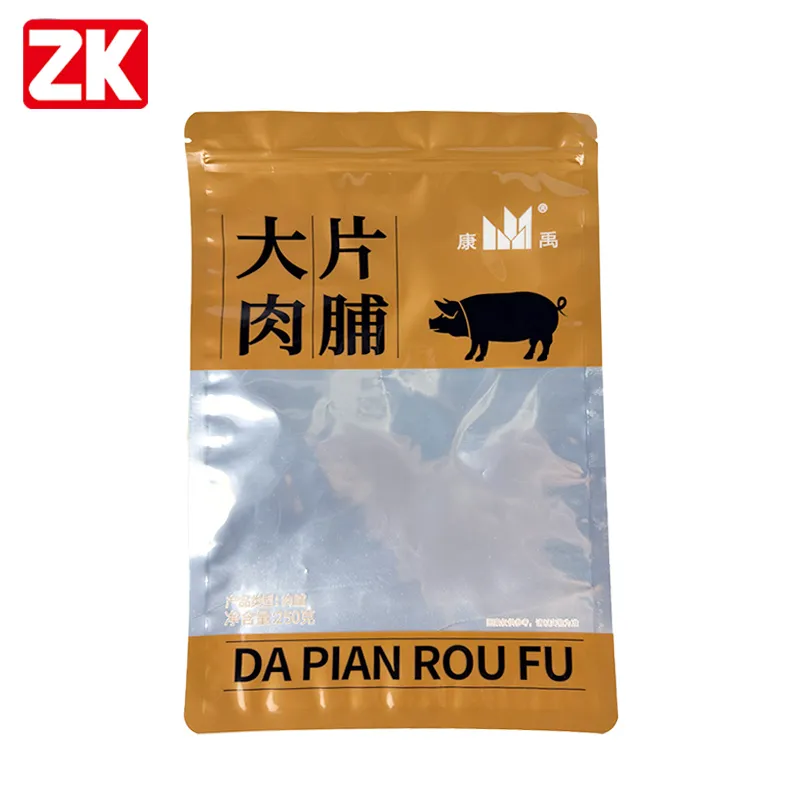
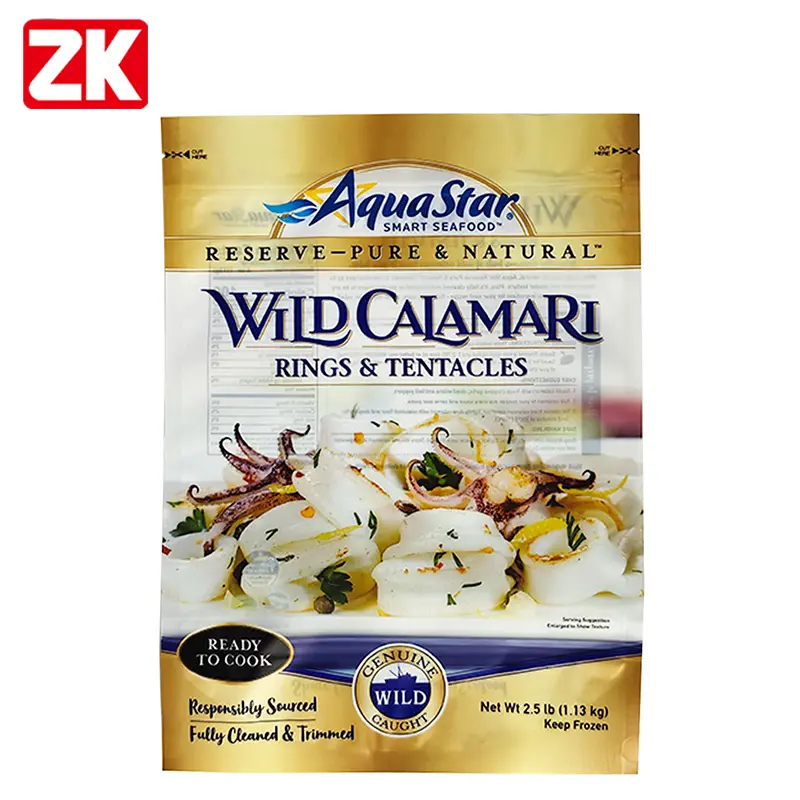
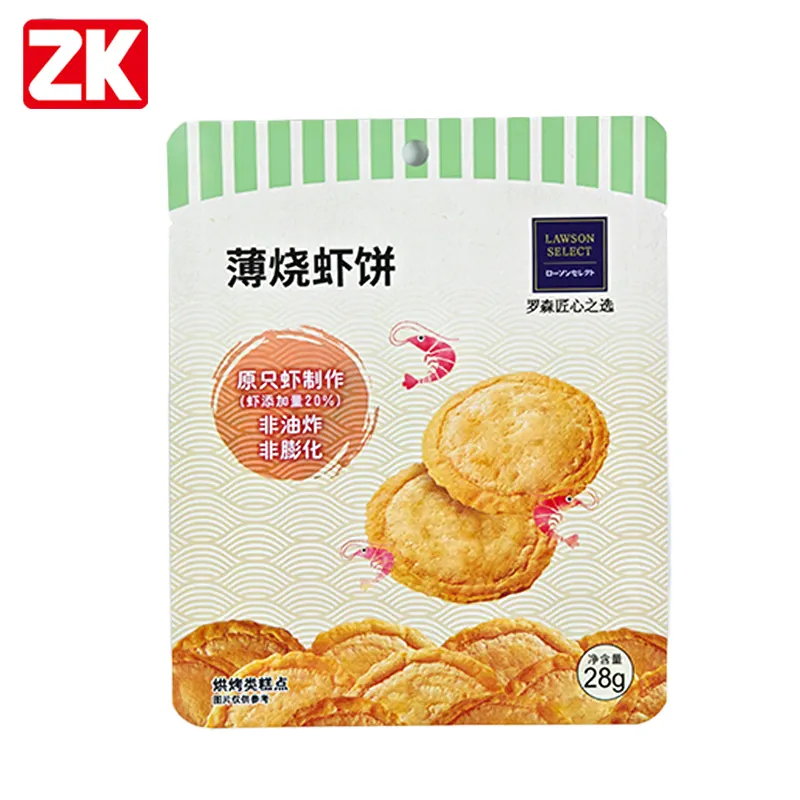
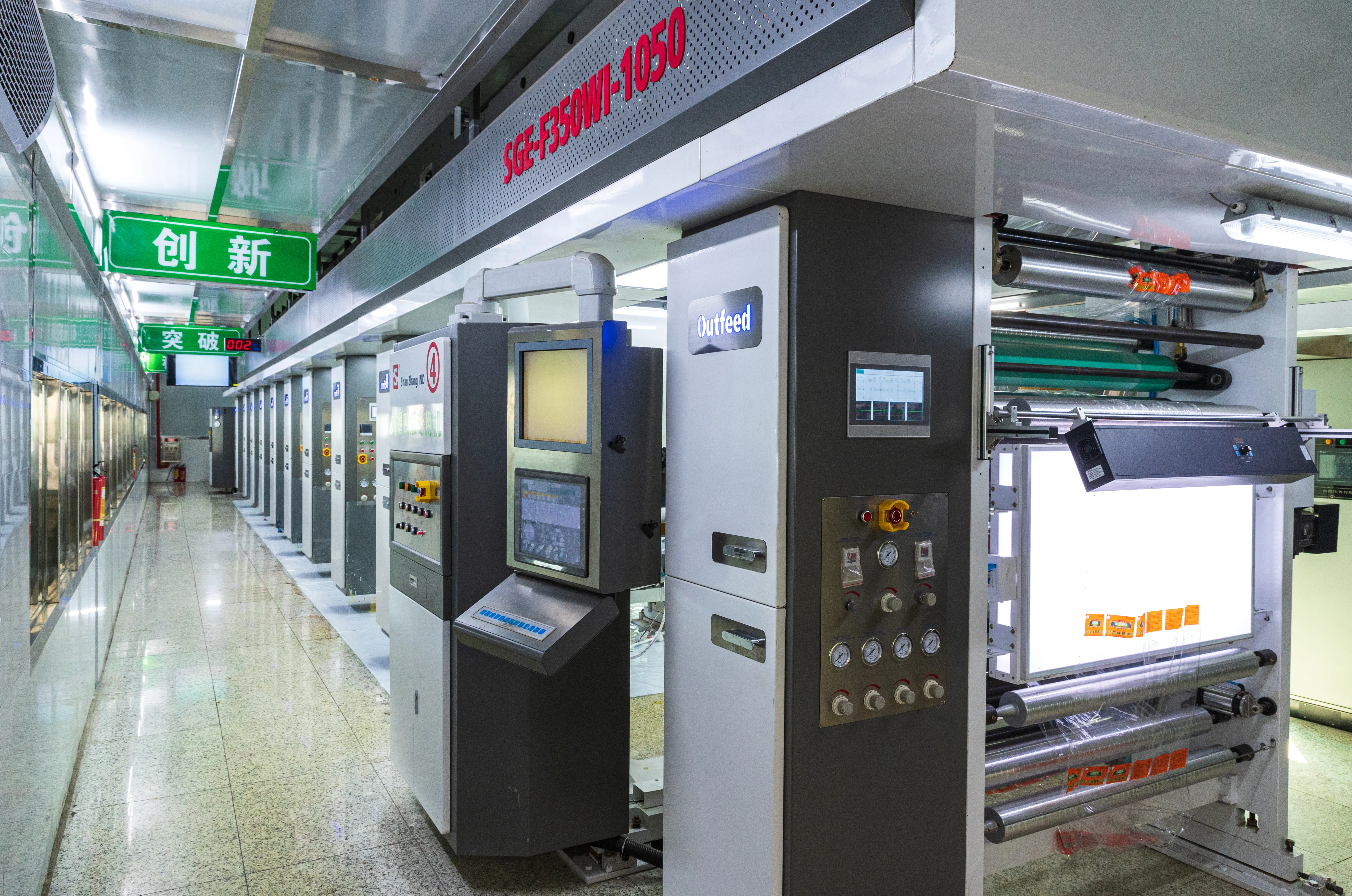
Drucken mit wasserbasierter Tinte - ein zusätzlicher Hebel für Nachhaltigkeit
Der Druck mit wasserbasierter Tinte reduziert die VOC-Emissionen von Lösemitteln und vereinfacht oft die Haushaltsführung im Drucksaal. In Kombination mit Einstoffliche flexible Verpackungen, können wasserbasierte Systeme Ihre Nachhaltigkeitsstrategie stärken, indem sie:
- Senkung der Emissionen flüchtiger organischer Verbindungen am Konverter.
- Reduzierung von Lösungsmittelrückständen, die Geruchs- oder Migrationsprobleme verursachen können.
- Ermöglicht eine einfachere Reinigung der Druckmaschinen und eine Reduzierung der gefährlichen Abfallströme.
Wichtiger Hinweis: Verwenden Sie für Beutel, die mit Lebensmitteln in Berührung kommen oder rückseitig bedruckt sind, nur Druckfarben auf Wasserbasis, die für das vorgesehene Substrat und den Laminierungsprozess als migrationsarm zertifiziert sind. Verlangen Sie Konformitätserklärungen und organoleptische Tests, die an die genaue Laminatcharge gebunden sind.
Praktische Checkliste für Lieferanten
Verlangen Sie diese Leistungen von jedem Anbieter von Monomaterialien:
- Fertiger Beutel MVTR/OTR Prüfberichte mit Prüfbedingungen und Laborakkreditierung.
- Daten zu Dichtungsstärke, Berst- und Falltests aus Testläufen an Ihrem Füller oder einer validierten OEM-Linie.
- Vollständiges Konformitätspaket: DoC für Folien, Druckfarben (einschließlich wasserbasierter Systeme), Klebstoffe und gegebenenfalls Migrationsprüfungen.
- Nachweis, dass der Beutel + Zubehör (Ausgießer/Verschluss) in einen anerkannten Recycling-Strom auf dem Zielmarkt gelangt.
- Aufbewahrungsmuster-Richtlinie, Änderungskontrolle und SLAs für die Benachrichtigung bei Materialersetzungen.
- Aufschlüsselung der TCO einschließlich des erwarteten Ausschusses %, der Pilotkosten und zusätzlicher Validierungsläufe.
Implementierungs-Roadmap - Wie Käufer das Risiko der Einführung senken
- Beginnen Sie mit einem Proof-of-Concept für eine SKU: kurze, klare MVTR/OTR- und Versiegelungsziele, Durchführung eines kleinen Pilotprojekts und Testen der Regal- und Logistikbedingungen auf dem Markt.
- Parallele Tests: organoleptische Paneele, beschleunigte Alterung bei relevanter Luftfeuchtigkeit und vollständige Verteilungssimulation (Stapelung, Fall, Vibration).
- Ziehen Sie eine schrittweise Einführung in Betracht: zunächst Mono für gekühlte oder kurzlebige Artikel, dann eine Ausweitung, wenn sich die Recyclingströme und die Fähigkeiten der Lieferanten als konsistent erweisen.
- Verwenden Sie Druckfarben auf Wasserbasis auf der Außenbahn oder umgekehrt bedruckte Konstruktionen, bei denen die Migration kontrolliert wird, und lassen Sie sich für Risikozonen mit Lebensmittelkontakt zertifizieren.
Faustformel für die Entscheidung
Wählen Sie Einstoffliche flexible Verpackungen wenn die Barriere- und Dichtungsanforderungen Ihres Produkts durch Konstruktionen auf PE/PP-Basis erfüllt werden können, wenn die lokalen Recyclingströme das Polymer akzeptieren und wenn die Pilotvalidierung stabile Erträge im Maßstab zeigt. Wenn eines dieser Kriterien nicht erfüllt ist, sollten Sie hybride Ansätze bevorzugen (recycelter Inhalt, Leichtbau, Rücknahmeprogramme), bis die Technologie oder die Infrastruktur aufholt.
Schlussfolgerung
Umzug nach Einstoffliche flexible Verpackungen ist kein Greenwashing - es ist ein technisches Programm. Um erfolgreich zu sein, sind messbare Barriereziele, validierte Versiegelungsleistung, glaubwürdige Recycling-Nachweise und die Beachtung der Druckmaschinenchemie (einschließlich der verantwortungsvollen Verwendung von Druckfarben auf Wasserbasis) erforderlich. Wenn Marken die Einführung von Monodruck als Technik plus Ausführung in der Lieferkette betrachten, nachhaltige Verpackung sowohl nachprüfbar als auch wirtschaftlich tragfähig wird.
Über Zhongjia Verpackung
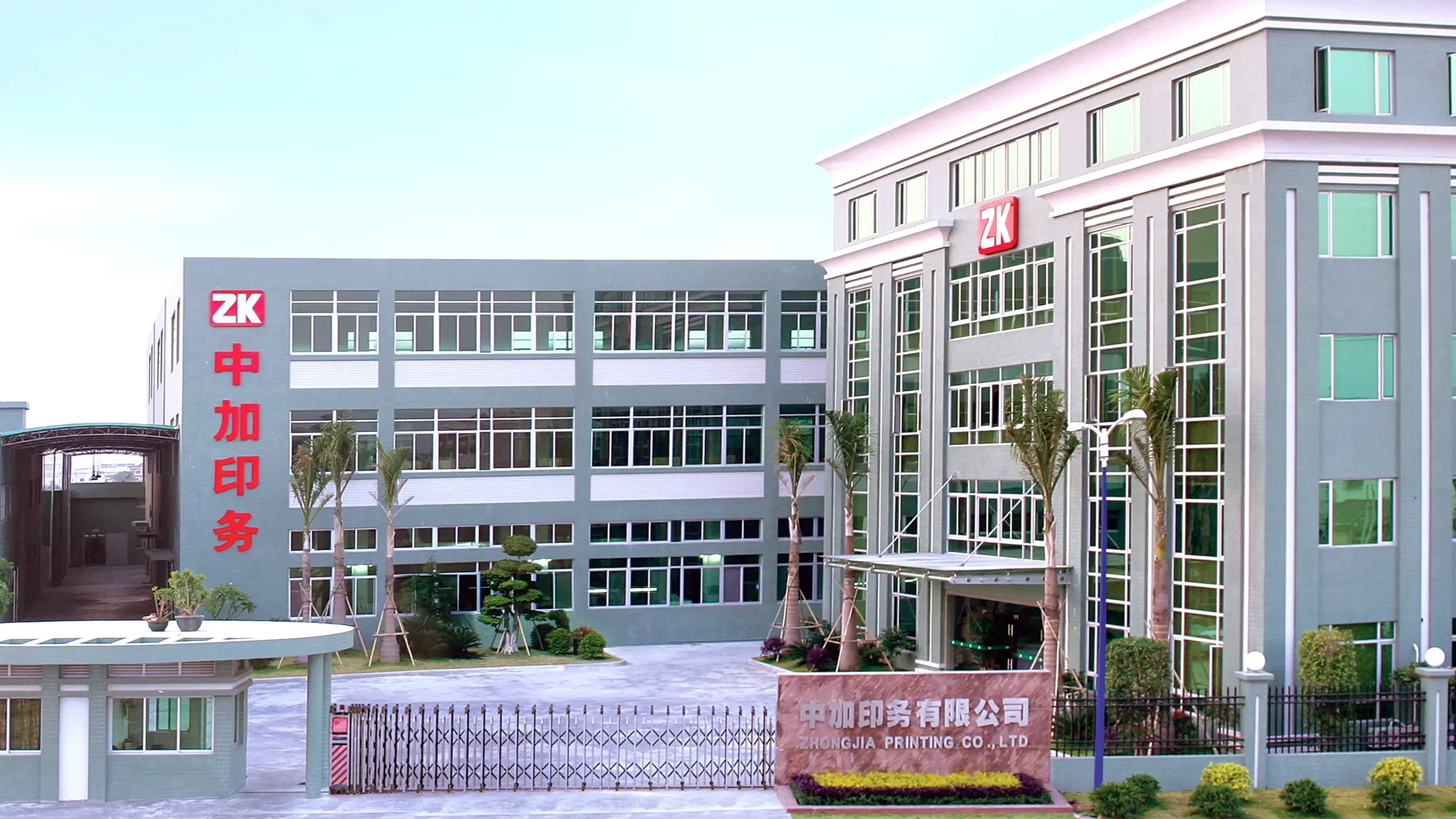
Zhongjia Verpackung ist eine Professioneller Hersteller von flexiblen Verpackungen Markeninhabern und Einkäufern von Verpackungen eine stabile, wiederholbare Produktion zu bieten. Über die Produktion hinaus kundenspezifische flexible Verpackungsbeutel, Wir haben uns auf die Drucktechnologie mit wasserbasierten Tinten spezialisiert und helfen unseren Kunden, die VOC-Belastung zu reduzieren und gleichzeitig die Klarheit des Drucks und die Einhaltung der Standards für Lebensmittelqualität zu gewährleisten.
Zhongjia Verpackung unterstützt Kundenspezifische flexible Verpackungslösungen mit kundenspezifischen Strukturen, Größen und der Entwicklung von Druckvorlagen, einschließlich Monomaterialien und hochleistungsfähigen laminierten Lösungen für einzelhandelsgerechte Verpackungen. Mit prozessgesteuertem Druck und strikter Chargenkonsistenz ist unser Werk für langfristige Lieferprogramme positioniert, bei denen Farbstabilität, Verlässlichkeit der Vorlaufzeit und skalierbarer Output ebenso wichtig sind wie der Anspruch auf Nachhaltigkeit.
