



Nachhaltigkeit ist heute eine wesentliche Option für Snackmarken - sie ist eine kommerzielle Anforderung. Als umweltfreundliche Verpackungsfabrik, Zhongjia Verpackung hilft wachsenden Snack-Unternehmen, ihre Nachhaltigkeitsziele in herstellbare, kostengünstige Verpackungslösungen umzusetzen.
In diesem Artikel erklärt Zhongjia Packaging gerne, wie wir Umweltfreundliche Snack-Verpackungen die Barriereleistung, Wiederverwertbarkeit und Skalierbarkeit für den Einzelhandel und E-Commerce-Kanäle in Einklang bringt.
Was “umweltfreundlich” bei Snackverpackungen wirklich bedeutet
“Der Begriff ”umweltfreundlich" wird oft missverstanden. Aus der Sicht unserer Fabrik ist wahr Umweltfreundliche Snack-Verpackungen bedeutet, die Umweltauswirkungen über den gesamten Lebenszyklus hinweg zu reduzieren: Auswahl von Materialien, die lokale Recyclingströme unterstützen, Minimierung der Materialmasse, nachweislich recycelte oder biobasierte Inhalte, wo dies möglich ist, und Produktionsprozesse, wie der Druck mit wasserbasierten Tinten, die Energie und Abfall reduzieren. Es bedeutet nicht, dass Papier ausschließlich für ästhetische Zwecke verwendet wird, wenn dadurch die Haltbarkeit beeinträchtigt wird oder zusätzliche Lebensmittelabfälle entstehen.
Funktionierende Materialstrategien für Snackverpackungen
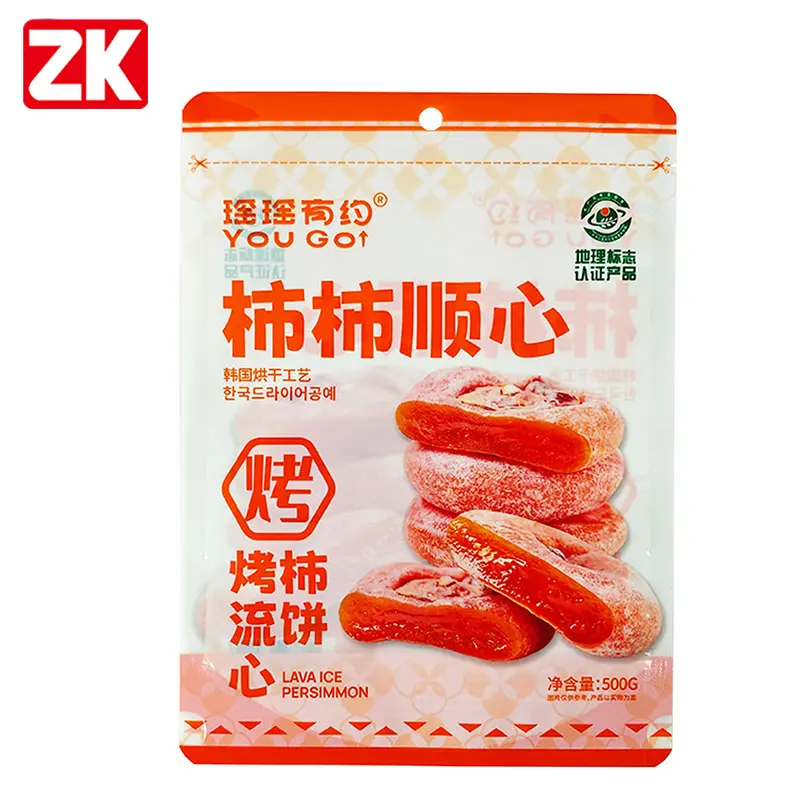
Die Wahl des Materials hängt von den Produktanforderungen ab.
Für Chips und Snacks mit hohem Ölgehalt empfehlen wir in der Regel Mono-Polyethylen (PE/PE)-Konstruktionen mit hoher Barriere oder dünne EVOH-Laminate, um die Sauerstoffkontrolle zu gewährleisten und gleichzeitig das mechanische Recycling zu unterstützen - eine zentrale Anforderung für Umweltfreundliche Snack-Verpackungen auf vielen Märkten.
Für Premium-Snacks, die kompostierbar sein sollen, bewerten wir PLA oder zertifizierte kompostierbare Laminate nur dort, wo es eine lokale industrielle Kompostierungsinfrastruktur gibt.
Designregeln, die eine ökologisch orientierte Fabrik befolgt
Wenn Technik Umweltfreundliche Snack-Verpackungen, wenden wir drei Regeln an:
Priorisieren Sie den Schutz von Lebensmitteln (Barriere zuerst),
Minimierung der Materialmasse (Downgauging ohne Leistungsverlust),
Wählen Sie den einfachsten verwertbaren Stoffstrom (nach Möglichkeit Monomaterial).
Diese Regeln dienen als Richtschnur für Entscheidungen in Bezug auf das Design der Seitenfalten, die Siegelgeometrie und die Folienstärke, damit Marken ihren Anspruch auf Nachhaltigkeit nicht gegen einen höheren Verderb oder höhere Retouren eintauschen.
Drucken und Verarbeiten: Nachhaltigkeit auf der Prozessebene
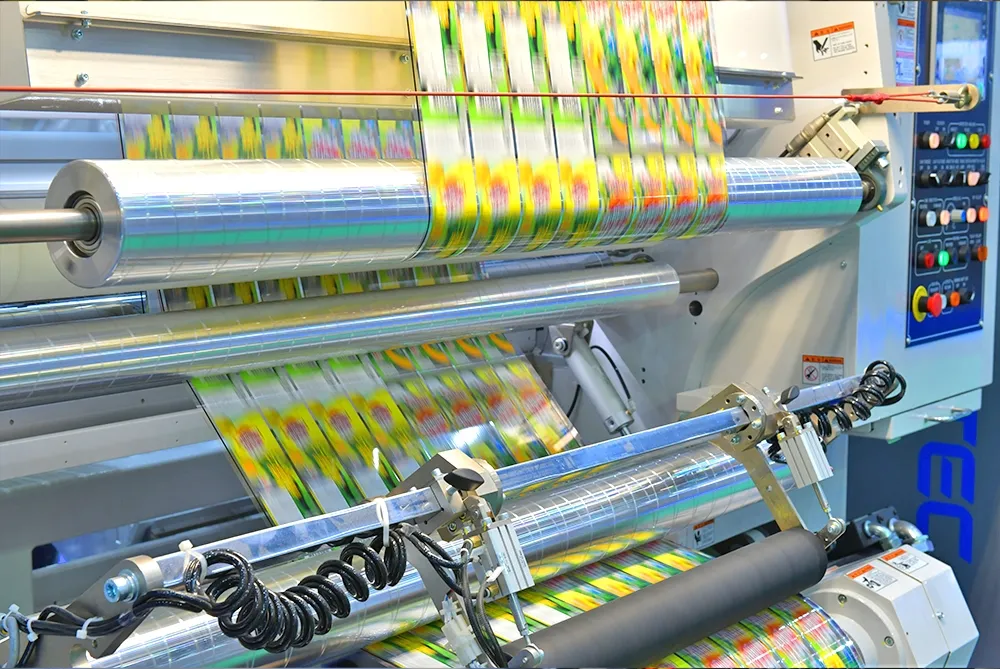
Die Wahl der Druckfarbe und des Verfahrens hat einen wesentlichen Einfluss auf die Ökobilanz von Umweltfreundliche Snack-Verpackungen.
Wir bevorzugen Druckfarben auf Wasserbasis, was derzeit unsere Priorität ist, und lösungsmittelfreie Laminierung, sofern die Kompatibilität der Substrate dies zulässt, da dies die VOC-Emissionen reduziert und die Einhaltung der Vorschriften vereinfacht.
Der Digitaldruck wird für kleine Auflagen und regionale Artikel verwendet, um Makulatur und Überproduktion zu reduzieren, während der Tief- oder Flexodruck die wirtschaftliche Wahl für große Auflagen mit optimierten Farbauftragsstrategien bleibt.
Barrierelösungen ohne Abstriche bei der Verwertbarkeit
Die Barriereleistung kann mit der Recyclingfähigkeit in Konflikt geraten. Unser Werk trägt diesem Umstand Rechnung, indem es nicht metallisierte Hochbarrierelösungen (SiOx/AlOx-Beschichtungen oder EVOH-Laminate) und sorgfältig entwickelte PE/PE-Barrieren für kürzere Haltbarkeiten anbietet. Jede Alternative wird auf ihre Auswirkungen auf die Recyclingfähigkeit von Umweltfreundliche Snack-Verpackungen, mit Berichten über die Wiederverwertbarkeit von Dritten, die bei der Auswahl der Lieferanten vorgelegt werden.
Qualitätssysteme und nachhaltige Produktionspraktiken
Umweltfreundlichkeit erfordert eine konsequente Produktionsdisziplin. Wir setzen Energieüberwachung, Lösungsmittelrückgewinnung und schlanken Materialeinsatz ein, um den CO2-Fußabdruck umweltfreundlicher Snackverpackungen zu verringern.
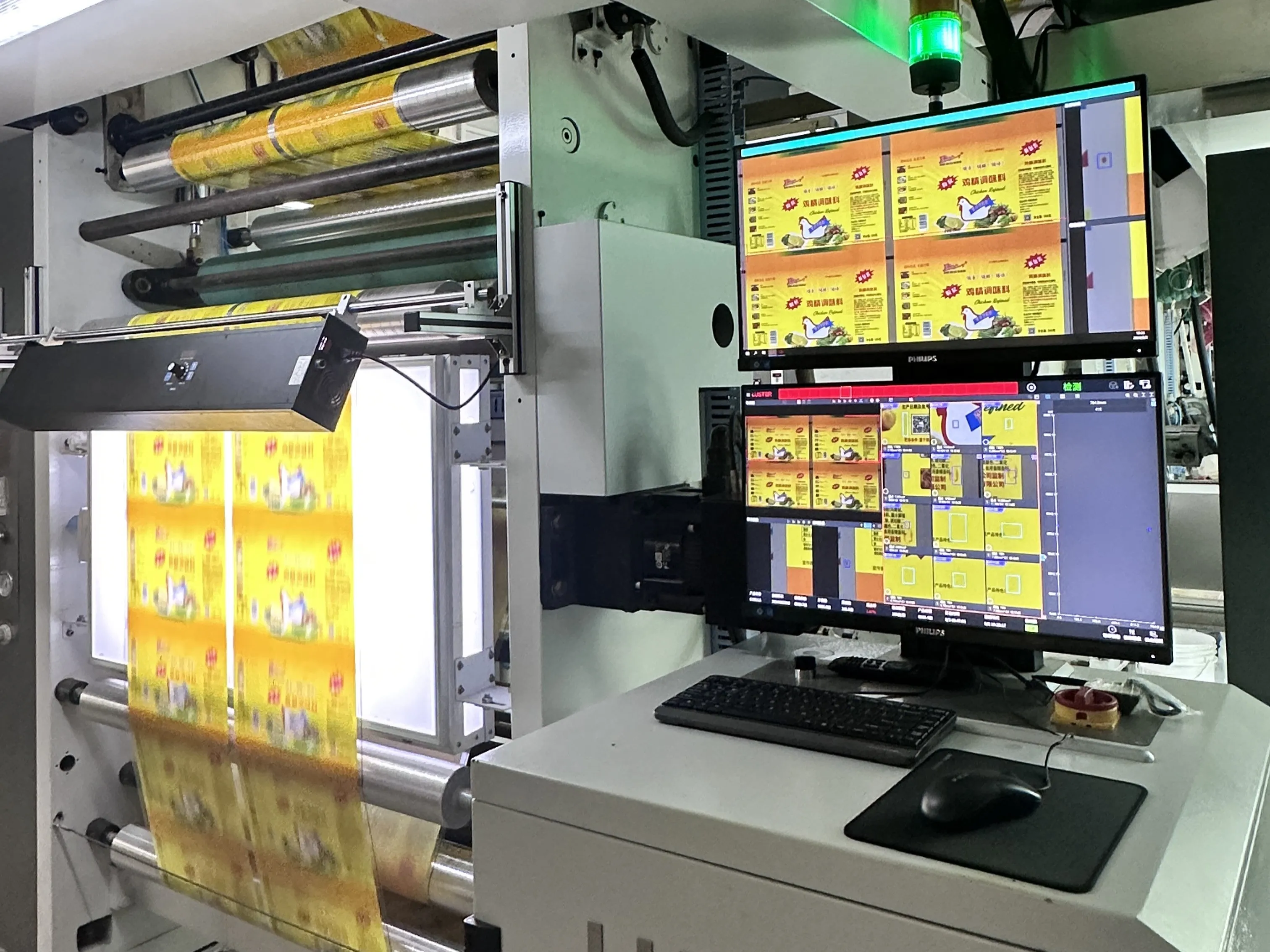
Unsere Qualitätskontrolle stellt sicher, dass die nach unten abgestuften Folien die Durchstoß- und Versiegelungsstandards erfüllen, so dass ein geringerer Materialeinsatz nicht zu mehr Produktausfällen führt.
Compliance, Zertifizierung und transparente Angaben
Marken müssen ihre Behauptungen zur Nachhaltigkeit belegen. Für Umweltfreundliche Snack-Verpackungen, Wir liefern schichtweise Konformitätserklärungen, PCR-Zertifikate und unabhängige Berichte über Recyclingfähigkeit oder Kompostierbarkeit (TÜV/BPI). Auf Anfrage stellen wir auch Cradle-to-Gate-LCA-Zusammenfassungen zur Verfügung, damit Marken genaue Verpackungs-Fußabdrücke in die ESG-Berichterstattung aufnehmen können.
Skalierung von der Pilotphase zur Produktion ohne Rückschritt
Wachsende Snackmarken brauchen skalierbare Kapazitäten.
Wir unterstützen den schrittweisen Ausbau: digitale Pilotprojekte, kleine Tiefdruckversuche, dann die Produktion in großen Stückzahlen mit festgelegten Spezifikationen für Umweltfreundliche Snack-Verpackungen.
Dieser stufenweise Ansatz schützt die Qualität und stellt sicher, dass Nachhaltigkeitsgewinne (z. B. PCR-Gehalt oder Downgauging) auch im großen Maßstab erhalten bleiben.
Wie Sie die richtige umweltfreundliche Verpackungsfabrik auswählen
Stellen Sie potenziellen Fabriken drei gezielte Fragen:
Können Sie demonstrieren Umweltfreundliche Snack-Verpackungen die meine Anforderungen an die Haltbarkeit mit validierten OTR/MVTR-Daten erfüllt?
Bieten Sie chargenspezifische Konformitätsdokumente und LCA-Unterstützung an?
Können Sie Pilotfüllungen mit dem von mir geplanten Füller durchführen und die Wirtschaftlichkeit im Maßstab herstellen?
Eine fähige Öko-Fabrik sollte technische Dossiers, Pilotergebnisse und einen klaren Fahrplan zur Skalierung vorlegen.
Schlussfolgerung
Für Snack-Marken, Umweltfreundliche Snack-Verpackungen ist sowohl ein Marktdifferenzierungsmerkmal als auch eine Risikomanagemententscheidung. Der richtige Fabrikpartner integriert Materialwissenschaft, Drucktechnologie und Produktionsdisziplin, um Verpackungen zu liefern, die leistungsfähig und skalierbar sind und den Ansprüchen der Nachhaltigkeit gerecht werden. Wenn Marken die Verpackung als eine Systementscheidung betrachten, reduzieren sie den Abfall, schützen die Produktqualität und erschließen neue Möglichkeiten für den Einzelhandel.
Über Zhongjia Packaging
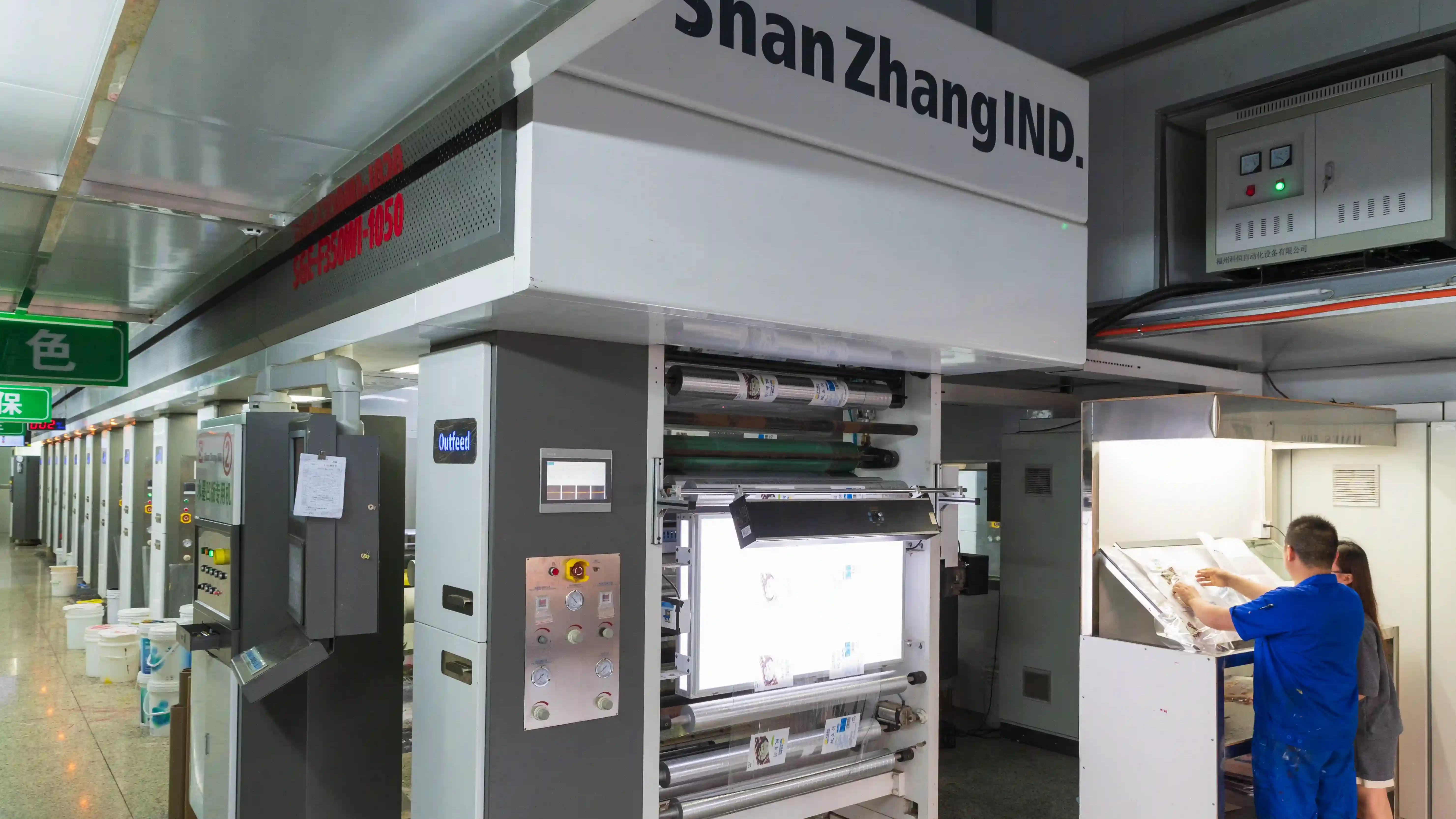
Zhongjia Packaging arbeitet als Experte für flexible Verpackungen, und liefert Individuelle Verpackungslösungen für Snacks die auf soliden Fertigungsgrundlagen aufbauen. Unterstützt durch die hauseigene Produktion setzen wir Markenkonzepte in Verpackungen um, die ein Gleichgewicht zwischen Regalattraktivität, struktureller Zuverlässigkeit und praktischer Leistung herstellen.
Innovation wird in jeder Phase gefördert, insbesondere bei unserem Ansatz für Umweltfreundliche Snack-Verpackungen, wobei Druck mit Tinte auf Wasserbasis wird aktiv eingesetzt, um die Umweltbelastung zu reduzieren. Mit Produktionsprozessen, die an international anerkannten Sicherheits- und Compliance-Anforderungen ausgerichtet sind, ist Zhongjia Printing ein Fabrikpartner, auf den sich Marken für eine verantwortungsvolle, zukunftsorientierte Verpackungsentwicklung verlassen können.
