



Die Wahl des richtigen custom food packaging bags is not just about the packaging appearance, but about matching the correct material structure to the product characteristics. PET, PE, PA, BOPP, CPP, VMPET, and AL each have different functions. Understanding their characteristics helps improve product protection, control costs, and meet diverse food packaging needs.
The Importance of Material in Custom Food Packaging Bags
For food brands and buyers, a common pitfall when choosing packaging is focusing on the bag type while neglecting the material structure.
Even with stand-up pouches or three-side seal bags, different material combinations can lead to completely different packaging performance. For example, some packaging effectively extends product shelf life, while others are better suited for showcasing the product’s appearance, and still others are better suited for frozen transport or high-fat foods. If the material structure is chosen inappropriately, even with excellent printing, problems such as moisture absorption, air leakage, oxidation, or packaging damage may occur.
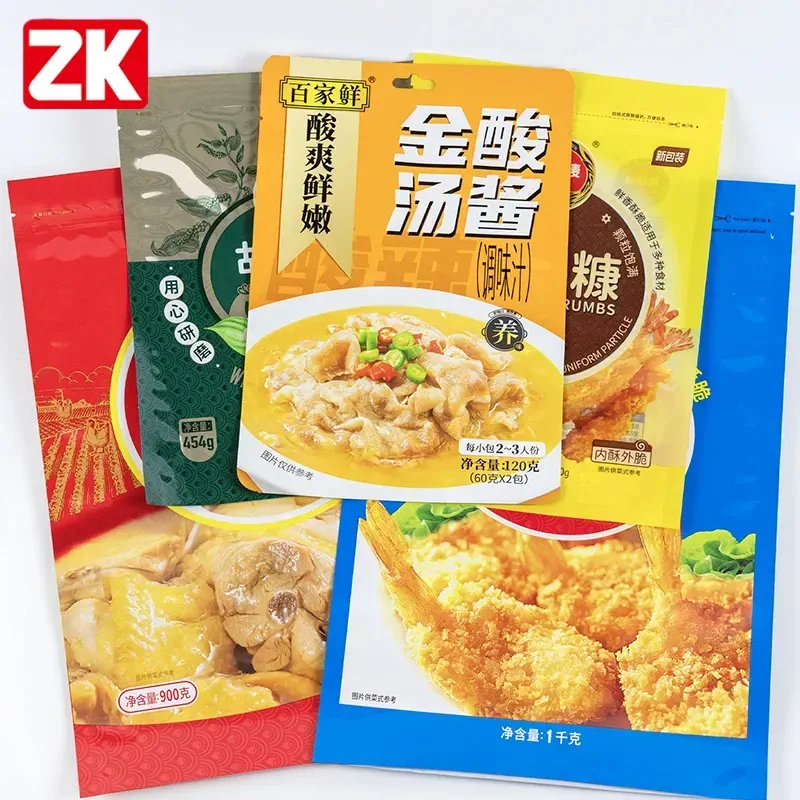
Therefore, when purchasing custom food packaging bags, instead of simply comparing prices, it’s better to first understand the functions of various packaging materials and how they can be combined to meet the packaging needs of different foods.
This article will guide you through understanding the seven most common materials used in flexible food packaging from the perspective of a packaging manufacturer, and introduce their characteristics in practical applications.
Why Do Food Packaging Generally Use Multi-Layer Composite Structures?
Modern food packaging rarely uses a single material because each material has its own advantages and limitations.
For example, one material may have excellent printability but cannot be heat-sealed; another material may have excellent barrier properties but lack mechanical strength. Therefore, custom food packaging bags typically use two, three, or even more layers of composite materials, with each layer performing a different function to collectively improve packaging performance.
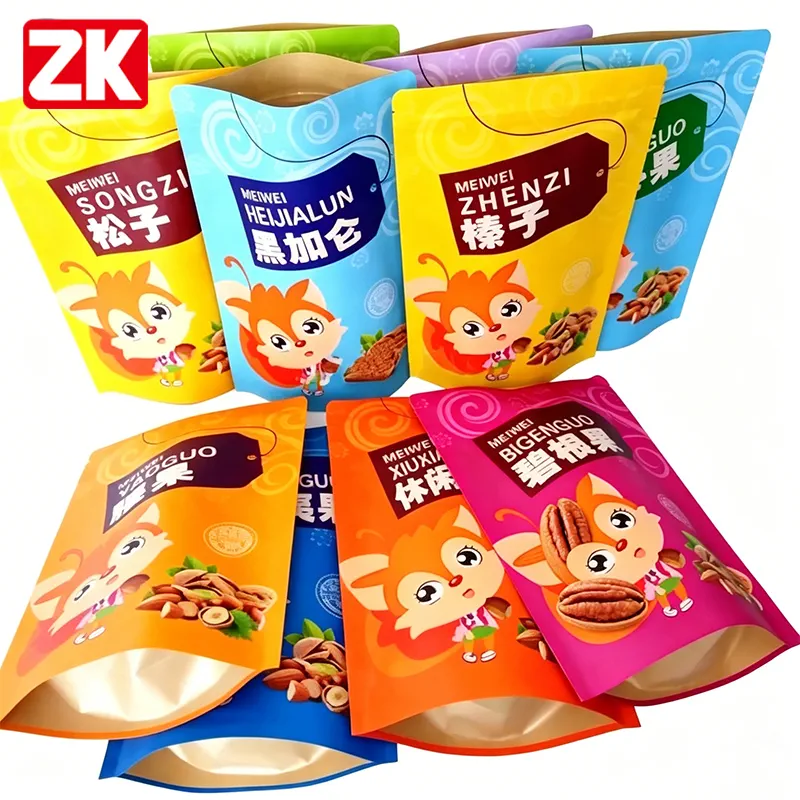
A typical packaging structure might include:
- Outer layer: responsible for printing and abrasion resistance;
- Middle layer: responsible for blocking oxygen, moisture, or light;
- Inner layer: responsible for food contact and heat sealing.
This design balances packaging aesthetics, food safety, and transport stability.
PET: A Common Outer Layer Material for High-Quality Printing
PET (Polyester) is one of the most common outer layer materials in flexible food packaging.
It has the following characteristics:
- Vibrant printing colors and strong pattern expressiveness;
- Good mechanical strength and abrasion resistance;
- Dimensionally stable and not easily deformed;
- Suitable for high-speed printing.
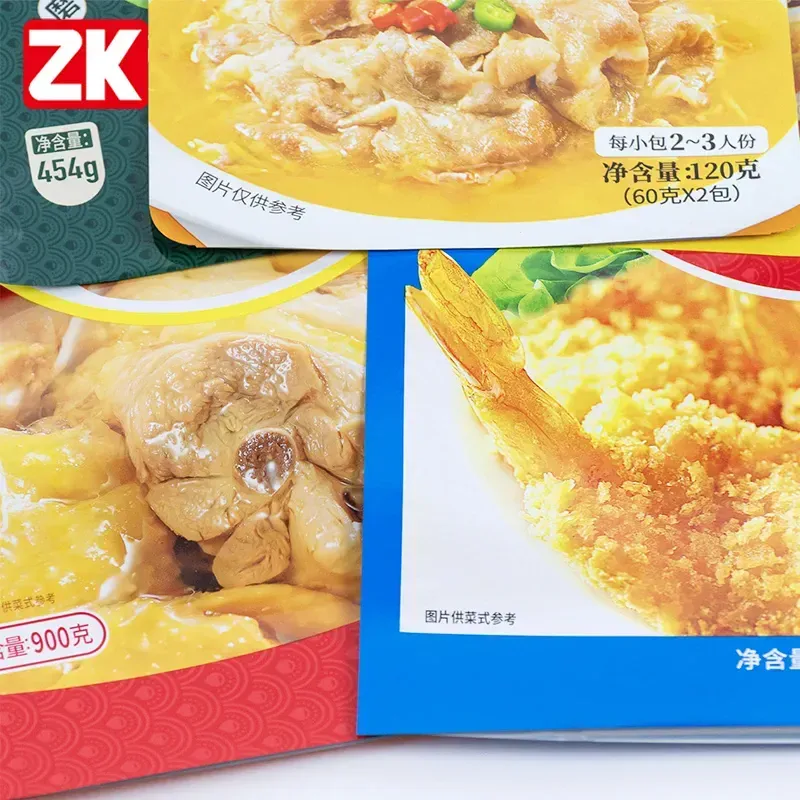
Therefore, PET is frequently used as the outermost layer in Kaffee-Verpackung, snack food packaging, and many custom food packaging bags.
It should be noted that PET itself cannot be directly heat-sealed, so it usually needs to be laminated with other materials.
PE: A Key Material for Packaging Sealing Performance
PE (Polyethylene) primarily performs the heat-sealing function of packaging and is also the most common material in the direct contact layer with food.
Its advantages include:
- Good heat-sealing performance;
- Excellent moisture resistance;
- Good flexibility;
- Meets the requirements of food packaging.
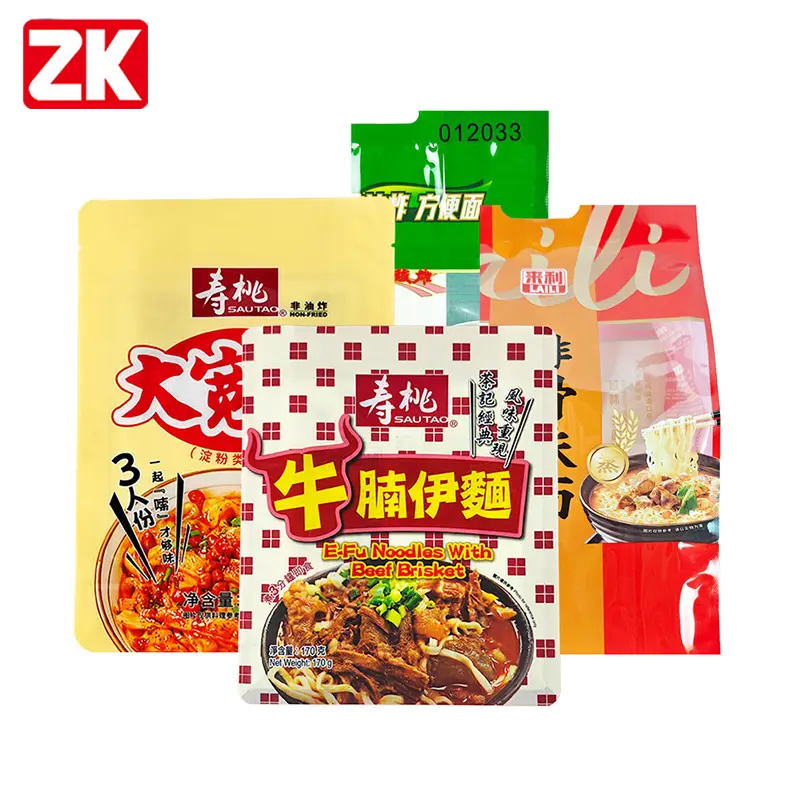
Die meisten custom food packaging bags use PE as the inner layer because a stable seal effectively reduces the risk of leakage during transportation.
PA: Improving Packaging Puncture Resistance
PA (Polyamide, Nylon)’s biggest advantages are puncture resistance and impact resistance.
For bone-in foods, frozen meats, or vacuum-packed products, ordinary materials are easily punctured by sharp edges, while adding PA significantly improves packaging strength.
Therefore, PA is commonly used in Vakuumverpackungsbeutel für Lebensmittel, helping the packaging maintain its integrity during vacuuming and transportation.
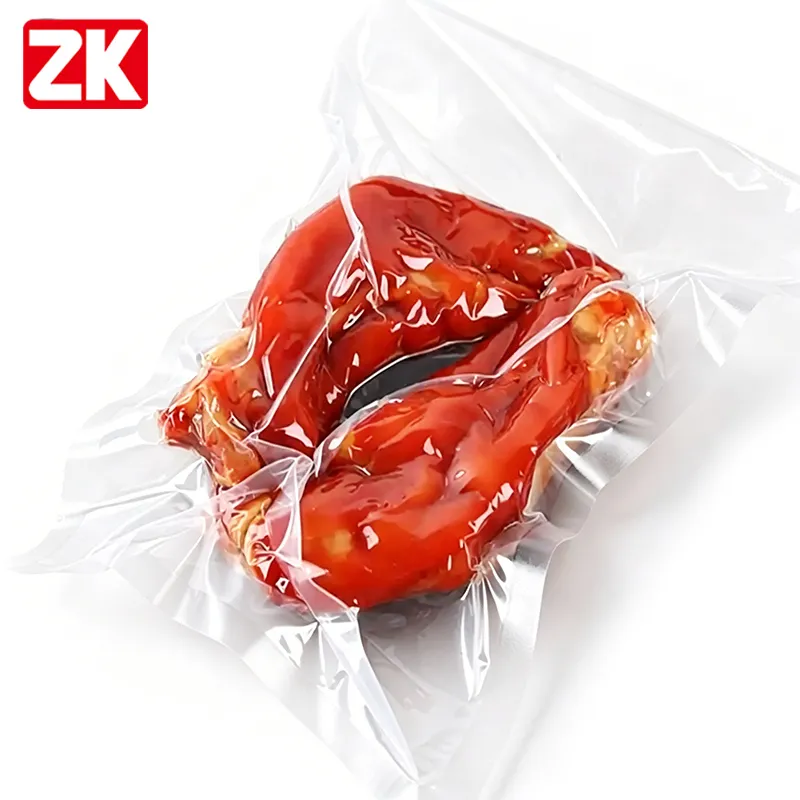
In addition, PA has good oxygen barrier properties, helping to extend the shelf life of food.
BOPP: Balancing Display Effect and Cost
If the packaging needs to highlight the product, BOPP (Biaxially Oriented Polypropylene) is usually a good choice.
It has:
- High transparency;
- High gloss;
- Excellent printability;
- Relatively economical cost.
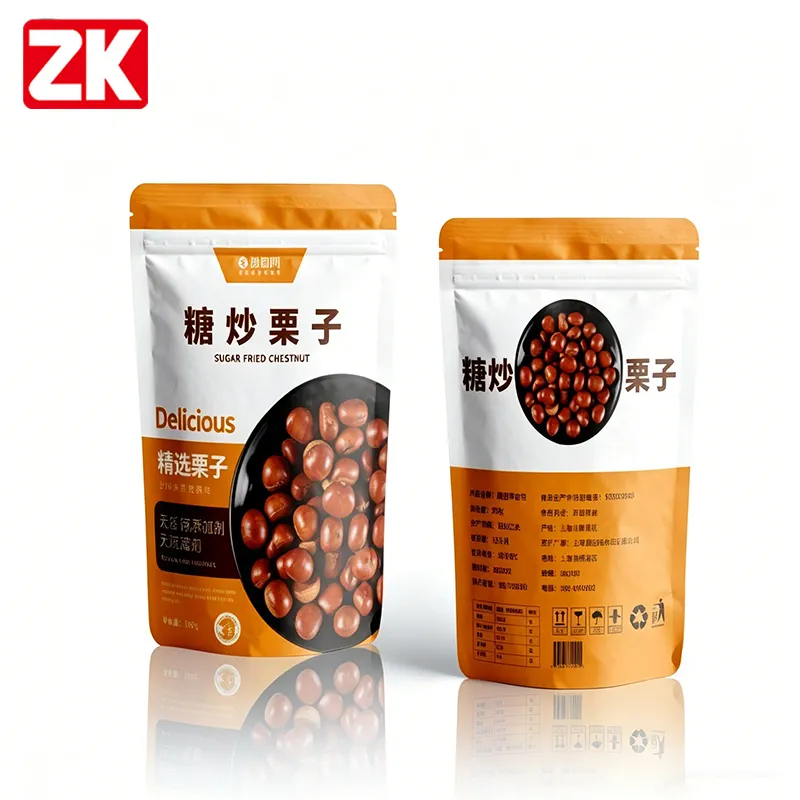
Therefore, BOPP is frequently used as the outer layer material for snack food packaging such as candy, cookies, and nuts, allowing consumers to see the product more clearly.
BOPP is also a common choice for custom food packaging bags that emphasize shelf appeal.
CPP: Balancing Heat Resistance and Heat-Sealing Performance
CPP (Cast Polypropylene) is a type of polypropylene material. Compared to ordinary PE, it has better heat resistance and oil resistance.
CPP is often used as the inner layer of packaging and is suitable for food packaging that requires high heat-sealing stability.
Für custom food packaging bags with high oil content or requiring more stable sealing performance, CPP can provide reliable support.
VMPET: An Economical Solution for Improving Packaging Barrier Performance
VMPET (Vacuum Metallized PET) is a material formed by vacuum metallizing the surface of PET.
Compared to regular PET, it offers superior:
- Oxygen barrier properties;
- Moisture resistance;
- Light blocking effect.
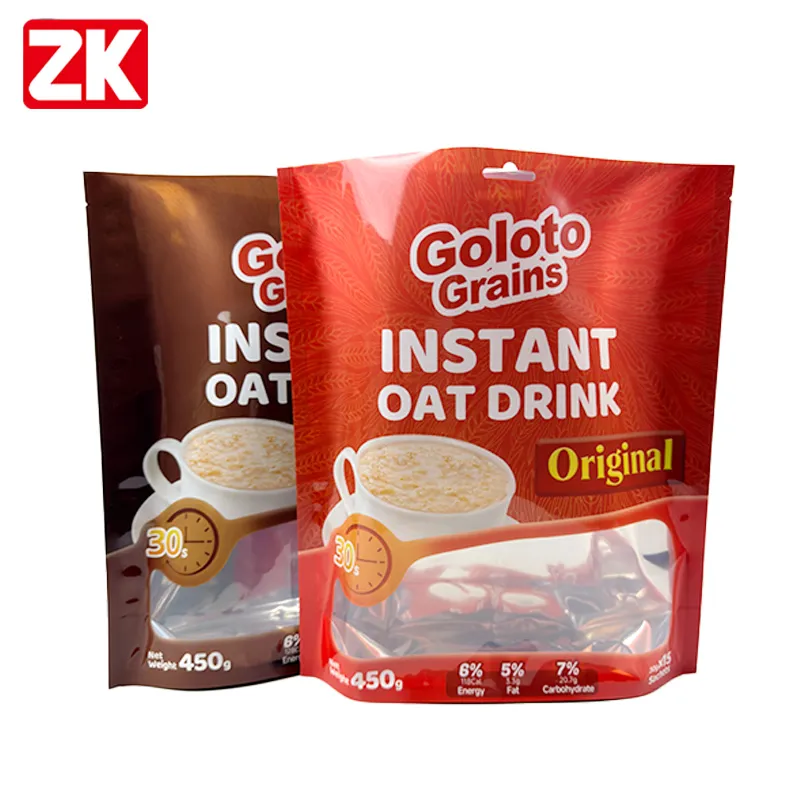
Due to its balance of performance and cost, VMPET is widely used in Kaffee-Verpackung, nut packaging, and some pet food packaging.
For brands looking to extend product shelf life while controlling packaging costs, VMPET is a mature and effective solution.
AL: An Important Material for High-Barrier Packaging
AL (Aluminum Foil) is one of the strongest barrier materials used in food packaging.
It effectively blocks:
- Oxygen;
- Water vapor;
- Light;
- Odors.
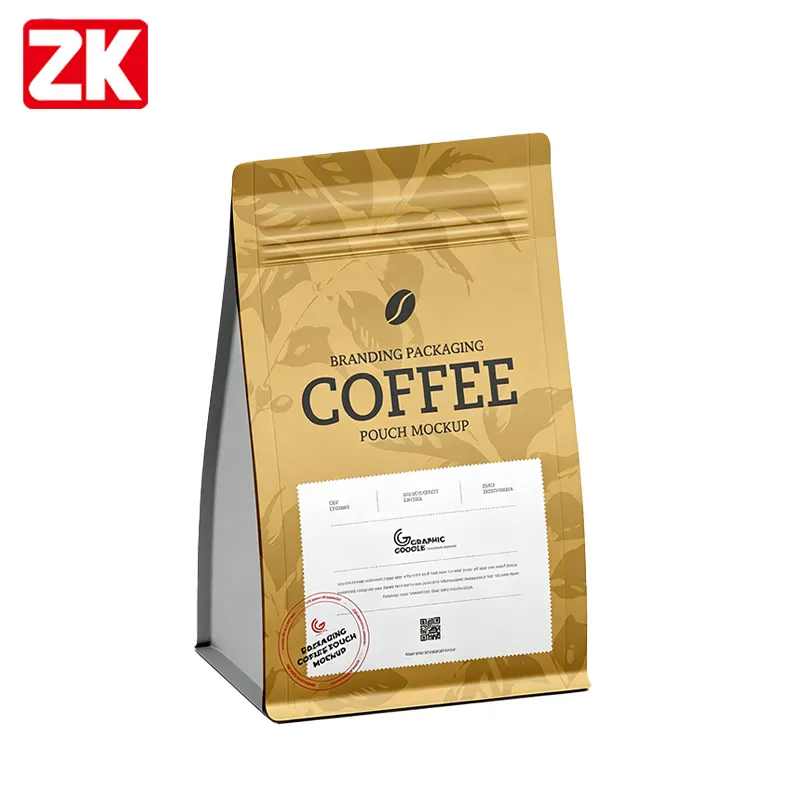
For products with volatile aromas or those requiring specific storage conditions, high-barrier structures provide more stable protection.
Although AL is relatively expensive, it remains irreplaceable for some high-end Kaffee-Verpackung, high-fat food packaging, and specialty food packaging.
Factory Perspective: How to Choose the Right Material Structure for Different Foods?
From a packaging manufacturer’s perspective, no single material structure is suitable for all products.
A truly reasonable solution requires a comprehensive assessment of the following aspects:
Produkttyp
Different foods have different requirements for oxygen barrier, moisture protection, oil resistance, and puncture resistance; therefore, material combinations will also differ.
For example, coffee products typically prioritize aroma retention, while pet food places greater emphasis on barrier properties and packaging strength.
Shelf Life Requirements
If a product requires a longer shelf life, a composite structure with higher barrier properties is usually needed, rather than simply increasing packaging thickness.
Transportation Method
Exported products may undergo long-term sea freight, warehousing, and temperature and humidity fluctuations; therefore, packaging not only needs to protect the product but also needs to possess stable physical properties.
Automated Packaging Equipment
Different filling equipment has different requirements for the coefficient of friction, stiffness, and heat-sealing performance of packaging materials; therefore, the packaging structure should be matched to the production process.
Professional packaging manufacturers typically recommend more suitable custom food packaging bag structures based on the product information provided by clients, rather than adopting a uniform solution.
How to Balance Packaging Performance and Cost?
Many purchasing personnel believe that the more materials and the thicker the packaging, the better.
In reality, this is not the case.
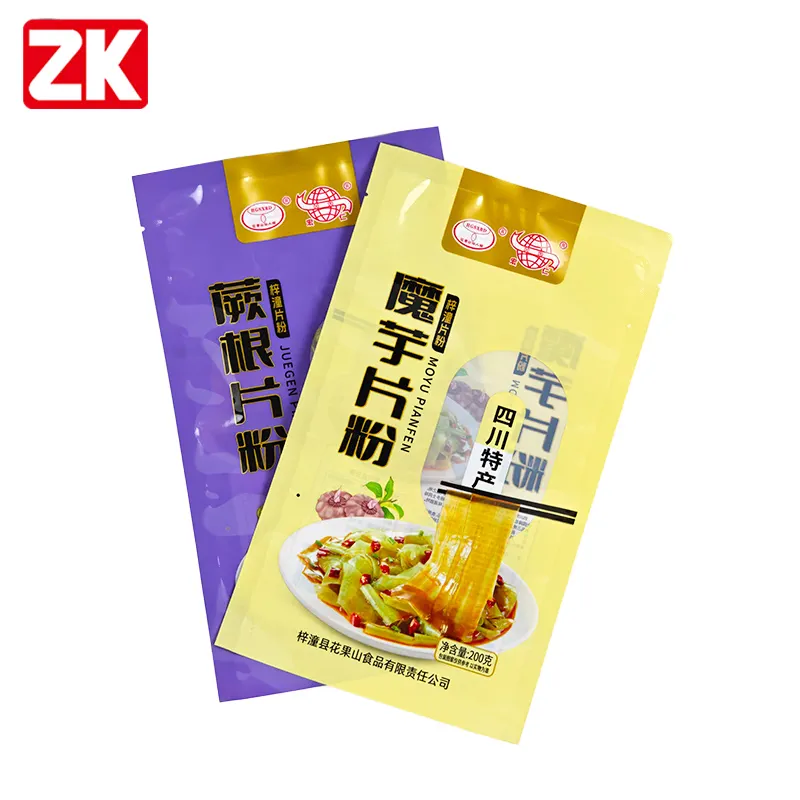
A reasonable packaging design should strike a balance between product protection, processing efficiency, transportation costs, and the procurement budget. By scientifically selecting materials such as PET, PE, PA, BOPP, CPP, VMPET, or AL, over-performance can be avoided, and after-sales risks caused by insufficient packaging can be reduced.
For brands, choosing custom food packaging bags that suit their product characteristics is far more valuable in the long run than simply pursuing the lowest price.
FAQ
Q1: Why is food packaging usually not a single-layer material?
Because a single material cannot simultaneously meet the requirements of printing, barrier properties, heat sealing, and mechanical strength. Multi-layer composite structures allow different materials to leverage their respective advantages.
Q2: How to choose between PET and BOPP?
If print quality and mechanical strength are prioritized, PET is a common choice; if higher transparency and better display are desired, BOPP is more advantageous.
Q3: When is PA needed?
When products require high puncture resistance or vacuum packaging, PA can be considered. For example, Vakuumverpackungsbeutel für Lebensmittel often use a composite structure containing PA.
Q4: What is the difference between VMPET and AL?
Both improve packaging barrier properties. VMPET balances performance and cost, suitable for most food packaging; AL provides a higher level of barrier effect, suitable for products with higher storage requirements.
Q5: How to choose the right custom food packaging bags?
It is recommended to provide the packaging manufacturer with information such as product type, shelf life requirements, packaging specifications, transportation method, and filling process to obtain material structure recommendations that better meet your actual needs.
Schlussfolgerung
PET, PE, PA, BOPP, CPP, VMPET, and AL do not have absolute superiority or inferiority; they each serve different functions such as printing, barrier properties, heat sealing, puncture resistance, and product protection. For food brands, understanding the characteristics of these materials helps in selecting custom food packaging bags that are more suitable for their products, ensuring packaging performance while considering cost and market competitiveness.
Creating Better Packaging Solutions with Zhongjia Packaging
As a manufacturer specializing in water-based ink printed flexible packaging, Zhongjia Verpackung is committed to providing customized food flexible packaging solutions for its clients. The company has multiple high-speed production lines and continuously ensures product quality stability through strict production management and laboratory testing, providing reliable packaging support for food brands.
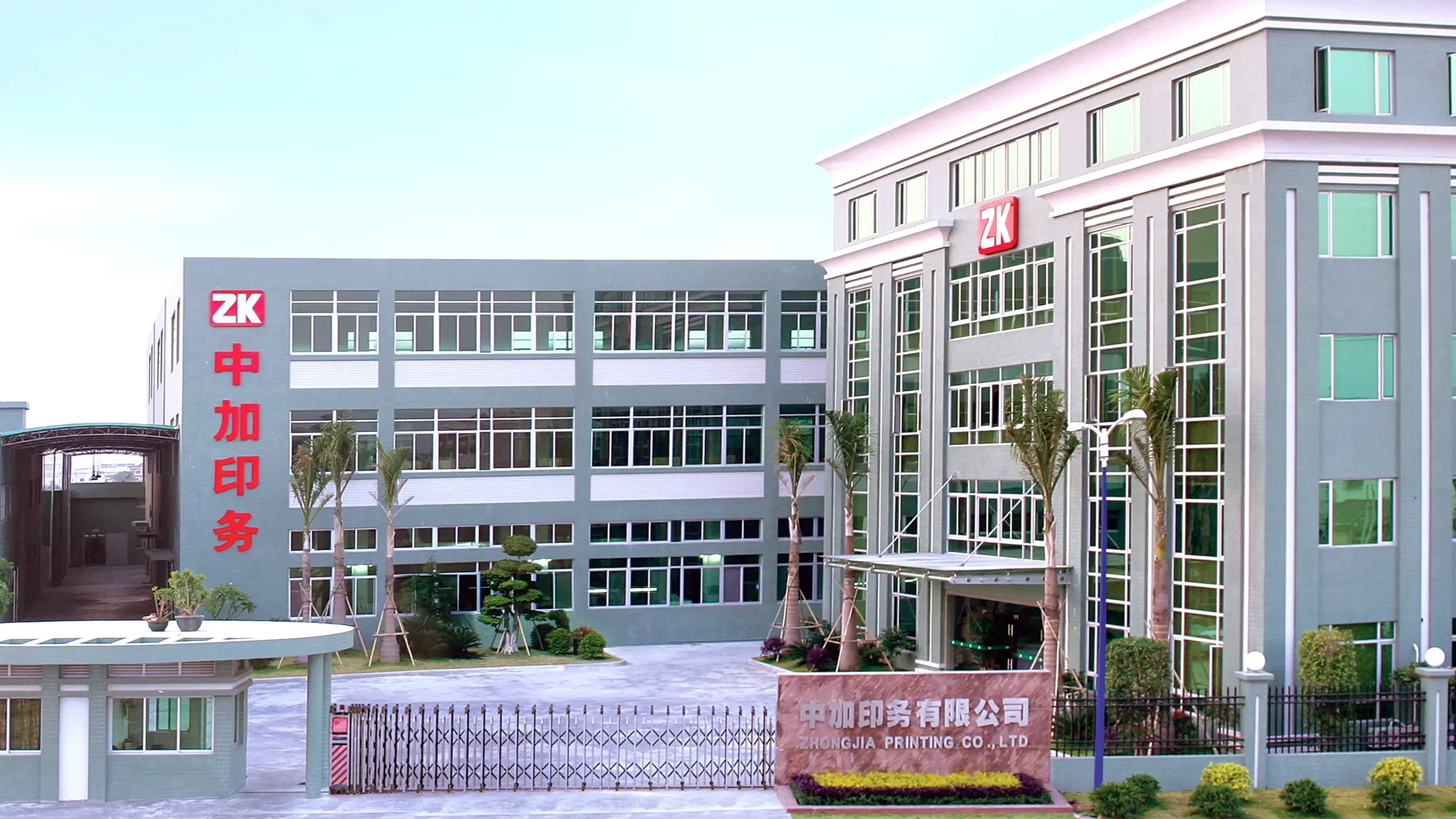
If you are looking for custom food packaging bags, Kaffee-Verpackung, Snack-Verpackungen, pet food packaging, or other flexible food packaging solutions, please contact the Zhongjia Verpackung team. We will combine your product characteristics, packaging applications, and procurement needs to recommend a more suitable material structure to help your packaging achieve a better balance between quality, protective performance, and market competitiveness.
