



In 2025, the global trade landscape is being dramatically reshaped by tariff escalation, geopolitical tensions, and stricter sustainability regulations. At the same time, carbon neutrality goals and digital transformation are accelerating across industries.
For the flexible packaging printing sector — a critical bridge between brands and consumers — this is a defining moment. Rising costs, supply chain restructuring, environmental compliance, and digital disruption are not just challenges; they are forces redefining competitive advantage.
| Major Challenges Facing Flexible Packaging | ||
| Rising Costs | Supply Chain Restructuring | Green Transformation |
| Raw material and energy prices surge due to tariffs | Trade barriers force companies to replace entire supply chains | Multiple regions impose environmental and carbon neutrality requirements |
At شركة زونغجيا للتغليف والتعبئة والتغليف, we see this transformation not as a crisis, but as a strategic inflection point.
1. Cost Surge: Tariffs and Geopolitical Pressures
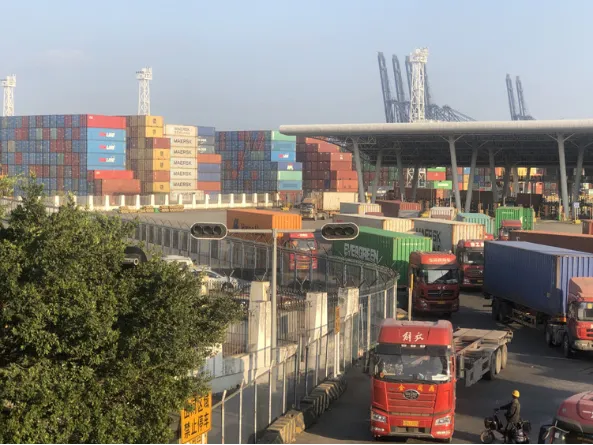
Since early 2025, the United States has intensified tariff policies, raising average effective tariff rates to levels not seen in decades. A 10% baseline tariff on most imports, combined with significantly higher rates on strategic goods, has sent shockwaves through global supply chains.
For the flexible packaging industry, the impact is immediate and direct:
- Ink, film, adhesives, and solvent raw materials rely heavily on cross-border trade.
- Global chemical suppliers face increased duties and logistics disruptions.
- Ocean freight instability and port congestion continue to inflate transportation costs.
These pressures translate into:
- Rising raw material prices
- Increased production costs
- Margin compression across the industry
However, despite higher tariffs, China remains globally competitive in terms of raw material pricing, industrial maturity, and quality stability. Surveys from global quality assurance organizations indicate that many international buyers continue to maintain or expand sourcing relationships with Chinese manufacturers due to reliability and scale advantages.
For buyers, the critical question is no longer simply “where is cheaper?” but rather:
Should we restructure our entire supply chain — or partner with resilient, compliant, and technologically advanced manufacturers?
2. Supply Chain Restructuring: A Strategic Necessity
Tariff barriers and “friend-shoring” strategies have prompted companies to explore nearshoring options such as Vietnam, India, and Mexico.
While these markets present opportunities, they also face structural challenges:
- Incomplete upstream industrial ecosystems
- Limited material consistency
- Lower technical maturity in high-performance packaging
As a result, many brands are discovering that rapid supplier migration can compromise product quality and operational efficiency.
شركة زونغجيا للتغليف والتعبئة والتغليف offers a different solution:
Rather than abandoning established supply networks, we help clients optimize sourcing strategies through:
- Integrated raw material management
- Strong domestic supplier networks
- Long-term partnerships ensuring stable quality and pricing
- Flexible export experience with global compliance expertise
In times of uncertainty, resilience matters more than relocation.
3. Green Transformation: From Responsibility to Legal Obligation

Beyond geopolitics, sustainability is now a legal requirement — not a marketing choice.
Global regulations such as the EU’s Corporate Sustainability Due Diligence Directive (CSDDD) and strict import compliance laws in the U.S. are reshaping procurement standards. Environmental and ethical compliance are becoming mandatory for supply chain participation.
For flexible packaging printers, this creates a major technological shift:
The Decline of Solvent-Based Inks
Traditional solvent-based inks produce high VOC (volatile organic compound) emissions. Increasing environmental restrictions are accelerating their phase-out.
The Rise of Water-Based and Sustainable Solutions
As an environmentally responsible manufacturer, شركة زونغجيا للتغليف والتعبئة والتغليف specializes in water-based ink flexible packaging.
تشمل مزايانا ما يلي:
- ✅ Low-VOC, environmentally friendly water-based ink systems
- ✅ Compliance with global food safety and environmental standards
- ✅ Reduced environmental footprint in production
- ✅ Safer working conditions for employees
- ✅ Improved recyclability compatibility
We have invested heavily in advanced water-based printing technology and precision color management systems to ensure that sustainability does not compromise print quality or brand impact.
For global brands seeking recyclable, compliant, and carbon-conscious packaging solutions, Zhongjia Packaging is a reliable long-term partner.
4. Automation and AI: The Digital Trade Revolution
Parallel to environmental reform is the rapid adoption of AI and digital trade tools.
By 2025, nearly half of global enterprises are using AI in trade-related processes, including:
- Automated customs documentation
- Tariff exposure analysis
- Supply chain risk tracking
- Intelligent production scheduling
At Zhongjia Packaging, digitalization is integrated across operations:
- Smart production line monitoring
- Real-time quality inspection systems
- Data-driven material planning
- Transparent order tracking for international clients
Digital supply chain visibility allows us to:
- Identify potential tariff risks early
- Optimize logistics routes
- Improve production efficiency
- Reduce unnecessary operational costs
In a volatile global market, data transparency becomes a strategic asset.
5. The Road Ahead: Finding Certainty in Uncertainty
The flexible packaging printing industry stands at a crossroads. The short-term pressures are undeniable:
- Rising costs
- Regulatory tightening
- Technological disruption
- Supply chain realignment
Yet within these challenges lie clear opportunities.
1️⃣ Technological Upgrading Is No Longer Optional
Transitioning from solvent-based to water-based and UV ink systems, investing in energy-efficient equipment, and adopting eco-friendly materials are now survival essentials.
Zhongjia Packaging has already completed this transformation.
2️⃣ Regional Strategy Must Be Balanced with Industrial Strength
While geographic diversification may mitigate tariff exposure, supply chain maturity and quality stability remain critical.
China’s integrated manufacturing ecosystem continues to offer unmatched scalability and reliability — especially when paired with compliant, environmentally advanced manufacturers.
3️⃣ Digital Capability Defines Competitive Advantage
AI-driven operations, traceable production data, and intelligent workflow management are shaping the next generation of packaging manufacturers.
Zhongjia Packaging integrates sustainability, automation, and global trade expertise into one cohesive system.
لماذا تختار شركة Zhongjia للتغليف والتعبئة والتغليف؟
As a professional flexible packaging manufacturer, Zhongjia Packaging offers:
- 🌱 Water-based ink printing with low VOC emissions
- 🌍 Export experience with global compliance understanding
- 🏭 Mature industrial ecosystem and stable raw material sourcing
- 📦 Customized packaging solutions for food, daily chemical, and consumer brands
- 🔍 Strict quality control and full-process traceability
- 🤝 Long-term partnership mindset
We do not simply produce packaging.
We engineer compliant, sustainable, and future-ready solutions.


Conclusion: Adaptation Is the Only Stability
In an era defined by tariffs, ESG mandates, and AI-driven trade transformation, hesitation is risk.
The companies that will thrive are those that:
- Upgrade technology
- Embrace sustainability
- Strengthen digital capabilities
- Build resilient partnerships
At Zhongjia Packaging, we are committed to leading the green transformation of flexible packaging through environmentally friendly water-based ink printing and intelligent manufacturing.
If your brand is navigating tariff uncertainty while pursuing sustainable packaging goals, now is the time to partner with a manufacturer built for the future.
