



لم تعد الاستدامة في مجال التعبئة والتغليف مجرد خانة اختيار تسويقية؛ بل أصبحت مطلبًا على مستوى الشركة بأكملها. لا يتعلق اتجاه التغليف المستدام في عام 2026 بالمواد المستخدمة في تغليف المنتجات فحسب؛ بل ستحتاج الشركات بدلاً من ذلك إلى اتباع نهج شامل لاتخاذ قرارات بشأن كيمياء الأغلفة وتكنولوجيا الطباعة وعمليات التحويل وإدارة نهاية العمر الافتراضي لمنتجات التغليف المستدامة.
في هذه المقالة, شركة زونغجيا للتغليف والتعبئة والتغليف, أن خبير الشركة المصنعة للتغليف المرن, يلخص الدوافع التنظيمية، والابتكارات في مجال المواد، وتطورات الطباعة (مع التركيز بشكل خاص على الطباعة المائية)، والآثار المترتبة على التعميم، والإجراءات العملية للمشترين - في إطار المشتريات والبحث والتطوير وصناع القرار في مجال التعبئة والتغليف.
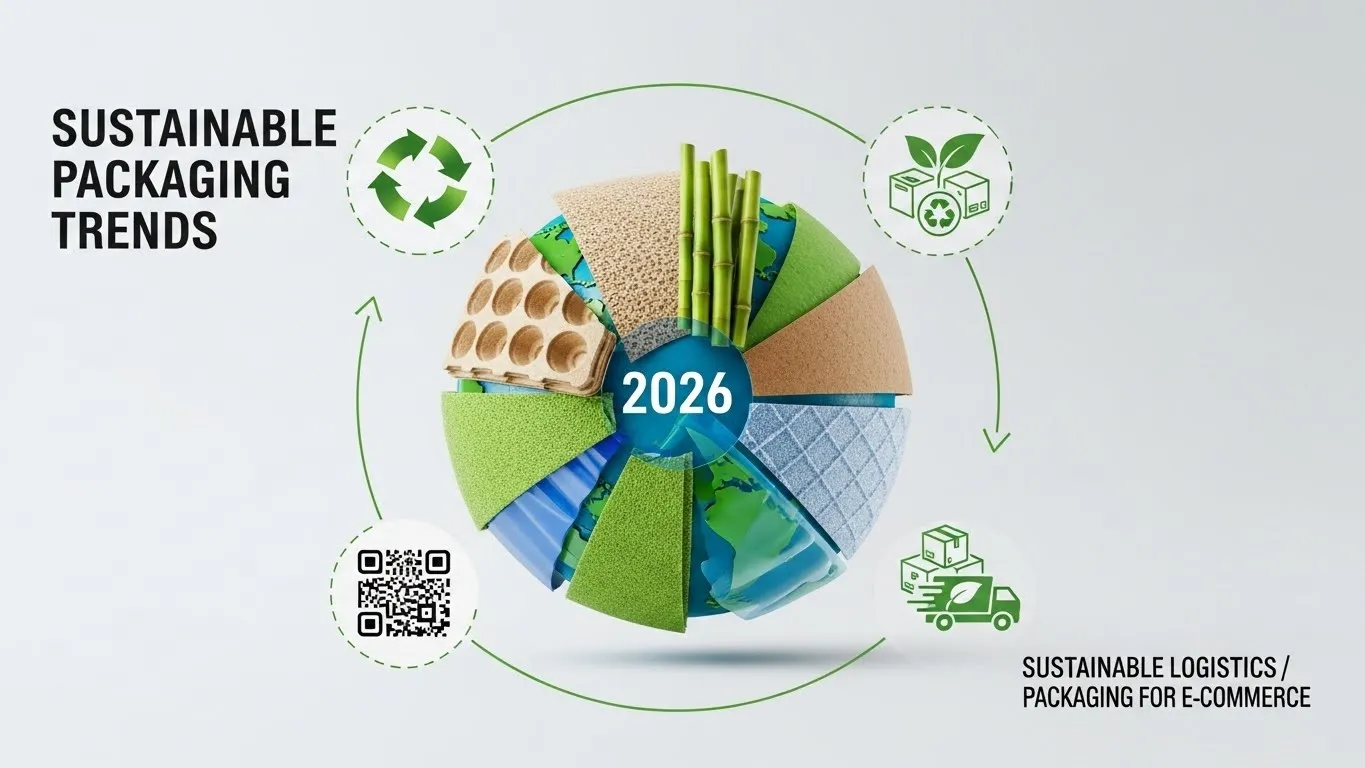
لماذا يختلف عام 2026: التنظيم وتجار التجزئة والمستثمرون
تتقارب ثلاثة ضغوطات:
- التنظيم: تجبر قوانين مسؤولية المنتجين الموسعة (EPR) وقوانين الاتحاد الأوروبي الخاصة بمسؤولية المنتجين الموسعة (EPR) والعلامات التجارية على إظهار إمكانية إعادة التدوير والمحتوى المعاد تدويره ومسارات واضحة لنهاية العمر الافتراضي.
- متطلبات بائع التجزئة: تقوم سلاسل البيع بالتجزئة الكبرى الآن بإدراج مؤشرات الأداء الرئيسية للتغليف في بطاقات أداء الموردين؛ وتمنع قوائم فشل التغليف.
- تدقيق المستثمر/حكومة الإمارات العربية المتحدة: انبعاثات النطاق 3 وبصمات التعبئة والتغليف هي مقاييس للمستثمرين - فالعلامات التجارية التي يمكنها تحديد استدامة التعبئة والتغليف تقلل من مخاطر الأعمال.
تعمل هذه العوامل مجتمعة على تسريع اتجاه التغليف المستدام نحو تحسينات قابلة للقياس والتدقيق - بما يتجاوز النوايا الحسنة.
ابتكار المواد: المواد الأحادية والمواد الأحادية ومركب PCR والحواجز الأكثر ذكاءً
تظل خيارات المواد أساسية لاتجاه التغليف المستدام.
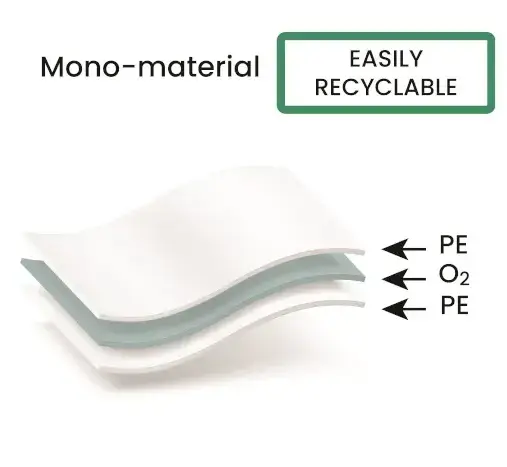
- شرائح أحادية المادة (PE/PE، PP/PP) تحل محل الشرائح المعقدة متعددة الطبقات حيثما أمكن. الفائدة: تحسين التوافق الميكانيكي لإعادة التدوير. وتتمثل المفاضلة في الأداء - غالبًا ما تتطلب المواد الأحادية زيادة المقاييس أو الحلول النشطة (الممتصات) لتتناسب مع احتياجات الحاجز.
- المحتوى المعاد تدويره بعد الاستهلاك (PCR) ينتقل من اختياري إلى مطلوب في العديد من الفئات. ويتطلب دمج تفاعل البوليميراز المتسلسل في الطبقات الملامسة للأغذية استراتيجيات معتمدة للتحكم في الانتقال والرائحة.
- الأفلام الحيوية والقابلة للتحويل إلى سماد تجد استخدامًا متخصصًا حيث تدعمها البنية التحتية؛ لكن اعتمادها مقيد بثغرات الأداء والتحقق.
- حواجز غير معدنية (طلاءات SiOx/AlOx، وبنى EVOH المتقدمة) توفر حاجزًا عاليًا دون تمعدن، مما يحسن من قابلية إعادة التدوير أو التوافق مع إعادة التدوير الكيميائي.
إن اختيار المادة المناسبة هو توازن: أداء الحاجز، وقابلية إعادة التدوير، والتكلفة، واستقرار التوريد.
الطباعة كرافعة للاستدامة: الحد من المركبات العضوية المتطايرة والتصميم الدائري
تعد خيارات الطباعة الآن نقطة تحكم فنية في اتجاهات التعبئة والتغليف المستدامة والامتثال.
الانتقال إلى الأنظمة القائمة على المياه
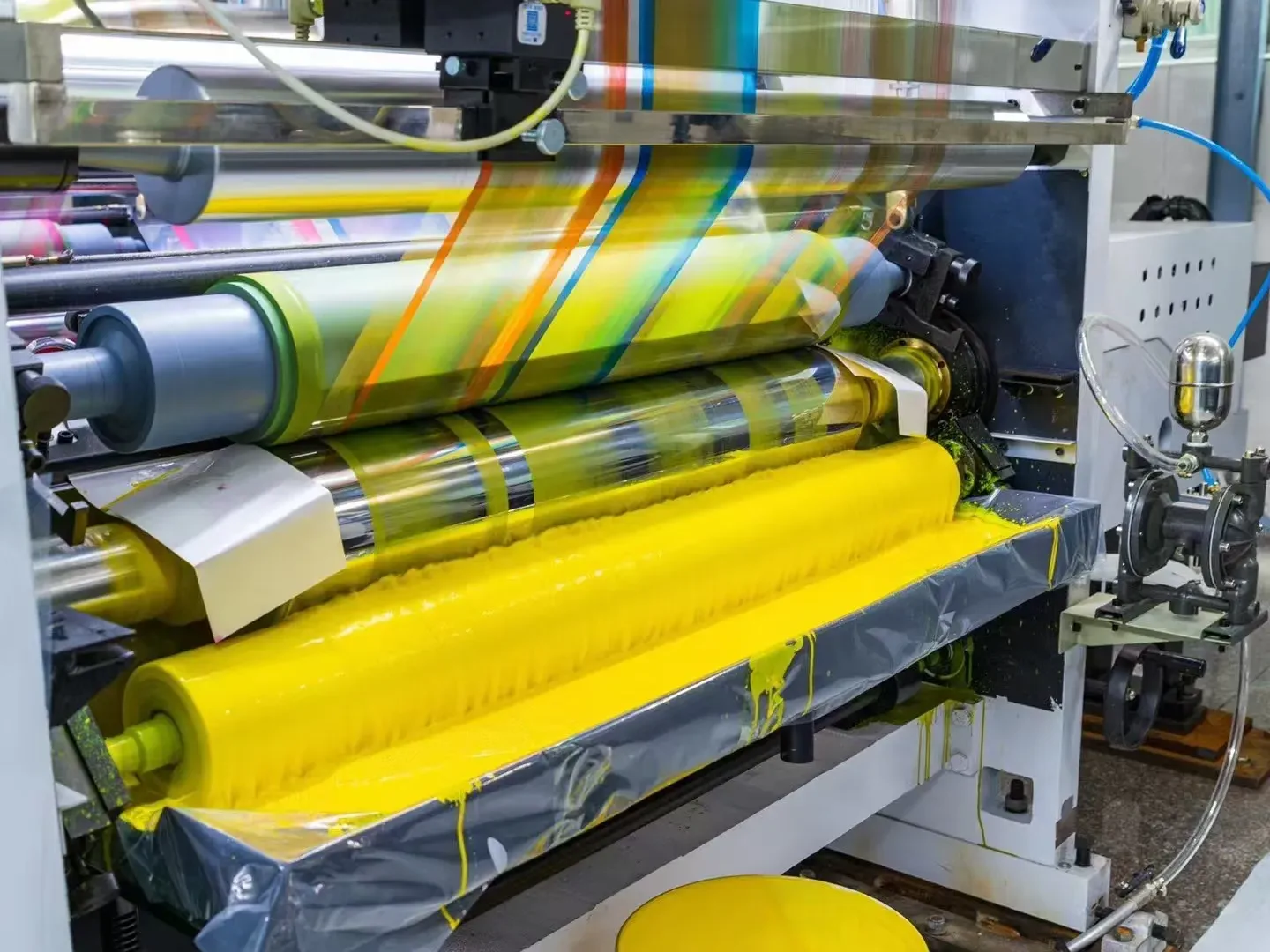
تُعد الطباعة بالحبر المائي المسار الأساسي للعلامات التجارية لخفض انبعاثات المركبات العضوية المتطايرة وتقليل المخاطر التنظيمية. بفضل التقدم في تجفيف عالي الكفاءة و معززات الالتصاق, ، فإن الأحبار ذات الأساس المائي تحقق الآن سرعات تنافسية وترابطًا على الأغشية غير المسامية. بالنسبة للمكملات، فإن تحديد هجرة منخفضة الأنظمة القائمة على الماء ضرورية لضمان نقاء التركيبة.
أحبار UV/EB: الأداء مقابل قابلية إعادة التدوير
في حين أن أحبار الأشعة فوق البنفسجية/البخار فوق البنفسجي (UV/EB) توفر دقة فائقة، إلا أنها “حرارية” ويمكن أن تلوث تيارات راتنج ما بعد الاستهلاك. إذا تم تحديدها، يجب أن تعطي المشتريات الأولوية لـ تركيبات مزيلة للحبر التي يمكن إزالتها أثناء إعادة تدوير الغسيل الكاوية للحفاظ على دائرية المادة.
الطباعة الرقمية للمخزون الهزيل
تعمل الطباعة الرقمية على التخلص من نفايات الألواح وتتيح تشغيلات قصيرة بالحجم المناسب. وهذه وسيلة استدامة مهمة للغاية بالنسبة لخطوط المكملات الغذائية عالية الكمية حيث إنها تمنع تقادم المخزون والخردة من التحديثات المتكررة للملصقات.
تحسين التصميم من أجل إعادة التدوير
يجب أن تحفز عمليات الشراء خيارات التصميم التي تقلل من الحمل الكيميائي:
- تقليل تغطية الحبر والاستفادة من المساحة السالبة.
- التقليل من طبقات الحبر الأبيض الغارقة في الحبر الأبيض لتحسين قابلية الفرز بالأشعة تحت الحمراء القريبة من الأشعة تحت الحمراء (NIR) وتقليل وزن العبوة.
طلب إفصاحات من نوع الحبر وبيانات المركبات العضوية المتطايرة والمصادق عليها شهادات الهجرة المنخفضة (على سبيل المثال، القانون السويسري) في جميع طلبات تقديم العروض. تم التحقق من صحتها ثبات الالتصاق يعد التعتيق اللاحق إلزاميًا لضمان سلامة العلامة التجارية على مدار فترة الصلاحية.
التعميم: الأحبار والطلاءات وعملية إعادة التدوير
التعميم شامل. يمكن إعادة تدوير الفيلم القابل لإعادة التدوير بطريقة أخرى إذا كانت الأحبار أو الطلاءات تلوث مجرى إعادة التدوير.
- مشكلات إزالة الحبر والغسيل: تعيق بعض الأحبار والطلاءات إعادة التدوير الميكانيكية أو إعادة التدوير النهائي (للورق). يجب على المشترين التحقق مما إذا كان نظام الحبر/الطلاء المقصود متوافقاً مع تيارات إعادة التدوير المحلية.
- توافق إعادة التدوير الكيميائي: يمكن لتكنولوجيات إعادة التدوير الكيميائية الناشئة أن تتحمل التدفقات المختلطة، لكن اقتصاديات المواد الأولية والحجم لا تزال تشكل قيودًا. ويمكن للشراكات الاستراتيجية مع شركات إعادة التدوير أن تقلل من مخاطر التحولات الكبيرة في وحدة التخزين.
- نماذج الاسترداد وإعادة التعبئة: تستمر أكياس إعادة التعبئة والحاويات القابلة لإعادة الاستخدام في التوسع في مجال الأغذية والعناية الشخصية. وتتطلب هذه الأشكال طباعة متينة وأحبارًا مقاومة للتآكل تحافظ على وضوح القراءة خلال دورات إعادة الاستخدام.
قم بالشراء مع وضع نهاية العمر الافتراضي في الاعتبار - اطلب من الموردين إجراء اختبار مستقل لقابلية إعادة التدوير يشمل الطباعة النهائية والورنيش.
الروافع التشغيلية: الطاقة والنفايات
تُعد اتجاهات التغليف المستدام من متطلبات التشغيل أيضًا:
إدارة طاقة العمليات والإدارة الحرارية
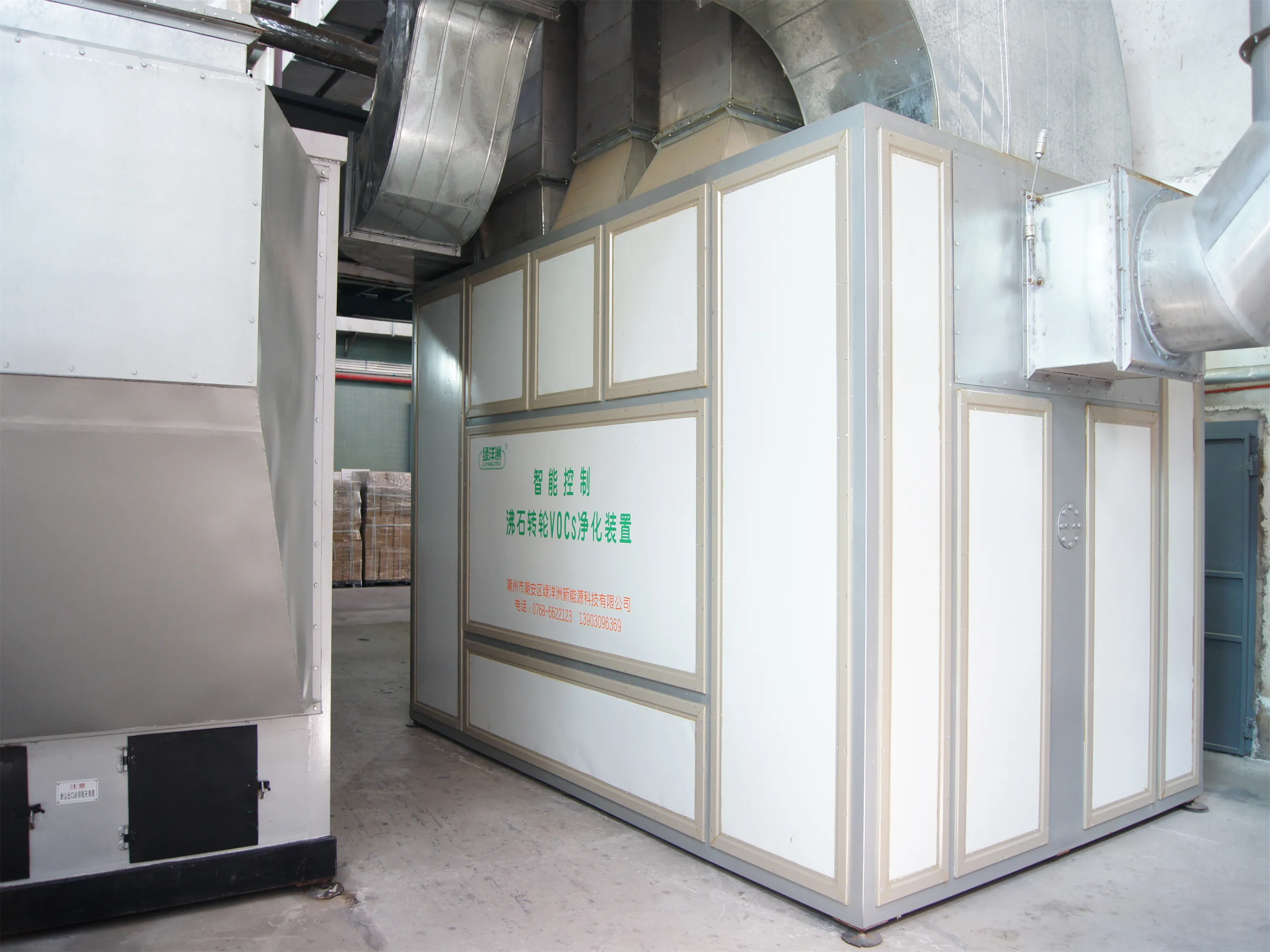
يعد استخدام الطاقة في التجفيف والمعالجة أحد العوامل الرئيسية للتكلفة والكربون. وفي حين أن الأنظمة القائمة على المياه تلغي الحاجة إلى الحد من المركبات العضوية المتطايرة كثيفة الاستهلاك للطاقة، فإنها تتطلب ملامح التجفيف المحسّنة بسبب الطاقة التبخيرية العالية للماء. ينبغي للمشتريات تقييم الموردين على أساس كفاءة الطاقة على مستوى الصحافة واستخدام الطاقة المتجددة.
التخلص من خردة التحويل
تُعد نفايات المواد أثناء الإعداد (التجاوزات وعمليات تدفق المذيبات) مصدرًا مهمًا للانبعاثات. الانتقال إلى الطباعة الرقمية أو الطباعة الموسعة (7 ألوان) يقلل من خردة بدء التشغيل والنفايات الكيميائية، خاصةً بالنسبة للعلامات التجارية ذات التعقيد العالي لوحدات حفظ المخزون.
استخدم مؤشرات الأداء الرئيسية للنظام الكلي (المواد + طاقة المعالجة + الخدمات اللوجستية) بدلاً من استخدام مقاييس فردية.
الشهادات والادعاءات وتجنب الغسل الأخضر
اسأل العلامة التجارية عن ادعاءات اتجاهات التغليف المستدام.
- طلب إقرارات الامتثال الخاصة بالطبقة، ووثائق PCR، وتقييم دورة حياة الطفل، أو EPD حيثما كان ذلك متاحًا، وشهادات مستقلة لإعادة التدوير أو شهادات قابلية التسميد (TÜV، BPI، OK Compost).
- كن محددًا في الادعاءات: “قابلة لإعادة التدوير في تيار فيلم البولي إيثيلين البولي إيثيلين” ذات مغزى؛ أما “صديقة للبيئة” فليست كذلك.
- قم بمواءمة مطالبات الطباعة مع مستندات الامتثال للحبر - يجب أن تكون عبارة “ذات الأساس المائي” مدعومة ببيانات المركبات العضوية المتطايرة واختبار الترحيل المنخفض إذا تم استخدامها على العبوات الملامسة للأغذية.
تحمي المطالبات الشفافة والقابلة للتدقيق حقوق ملكية العلامة التجارية وعلاقات بائعي التجزئة.
قائمة تدقيق المشتري: بوابات طلب العروض التقنية والاستدامة لعام 2026
لمواكبة اتجاه التعبئة والتغليف المستدام، يُرجى فحص المورد:
- الشفافية على مستوى الطبقة: قدم المواصفات الكاملة للمواد (البوليمرات طبقة تلو الأخرى والمواد اللاصقة والطلاءات). هل تلبي هذه التركيبة المحددة RecyClass (الاتحاد الأوروبي) أو APR (الولايات المتحدة) أدلة التصميم للسوق المستهدفة؟
- سلامة PCR ما هي النسبة المئوية للمحتوى المعاد تدويره بعد الاستهلاك؟ بالنسبة للطبقات الملامسة للأغذية، قدم شهادة +ISCCC+ أو خطاب عدم الاعتراض (LNO) من إدارة الغذاء والدواء/هيئة الغذاء والدواء الأمريكية.
- أداء الحبر المائي: توفير بيانات تشغيل مكابس تم التحقق من صحتها على هذه الركيزة المحددة. ما هي ثاني أكسيد الكربون لكل 1,000 وحدة المرتبطة بعملية التجفيف مقارنة بخط الأساس القائم على المذيبات؟
- توافق نهاية العمر الافتراضي: هل تتداخل الأحبار أو الحواجز الوظيفية (على سبيل المثال، AlOx/SiOx) مع فرز الأشعة تحت الحمراء تحت الحمراء أو إعادة التدوير الميكانيكي؟ تقديم تقارير مختبرية مستقلة (على سبيل المثال، اختبارات الغسل).
- شفافية الكربون: توفير تقييم دورة الحياة من المهد إلى البوابة (تقييم دورة الحياة) أو إعلان المنتج البيئي (EPD) المتوافق مع معايير ISO 14040/44.
- الموثوقية التشغيلية: تحديد موك والمهل الزمنية والمضمونة معدلات العائد. ما هي نسبة الخردة المتوقعة أثناء عمليات تبديل الحشوات عالية السرعة؟
- تتبع سلسلة التوريد: هل يمكنك تقديم التتبع على مستوى الدُفعات إلى منتج الراتنج لكل من المحتوى البكر والمحتوى المعاد تدويره؟
الخاتمة
يركز اتجاه التغليف المستدام في عام 2026 على القرارات الشاملة: يجب أن تتوافق المواد والأحبار وطرق الطباعة وأنظمة نهاية العمر الافتراضي. لقد أصبحت الطباعة القائمة على الماء سائدة، ومع ذلك لا تظهر فوائدها إلا عند اقترانها بخيارات المواد الاستراتيجية ومسارات إعادة التدوير المثبتة. بالنسبة للمشترين بين الشركات (B2B)، يعد التدقيق في البيانات الخاصة بالطبقات ومقاييس الترحيل/المركبات العضوية المتطايرة واختبارات إعادة التدوير من طرف ثالث أمرًا بالغ الأهمية. إن التعامل مع التعبئة والتغليف كقرار نظامي (وليس منفصلاً) يقلل من المخاطر التنظيمية، ويعزز مرونة سلسلة التوريد، ويوفر قيمة استدامة قابلة للقياس.
نبذة عن شركة تشونغ جيا للطباعة
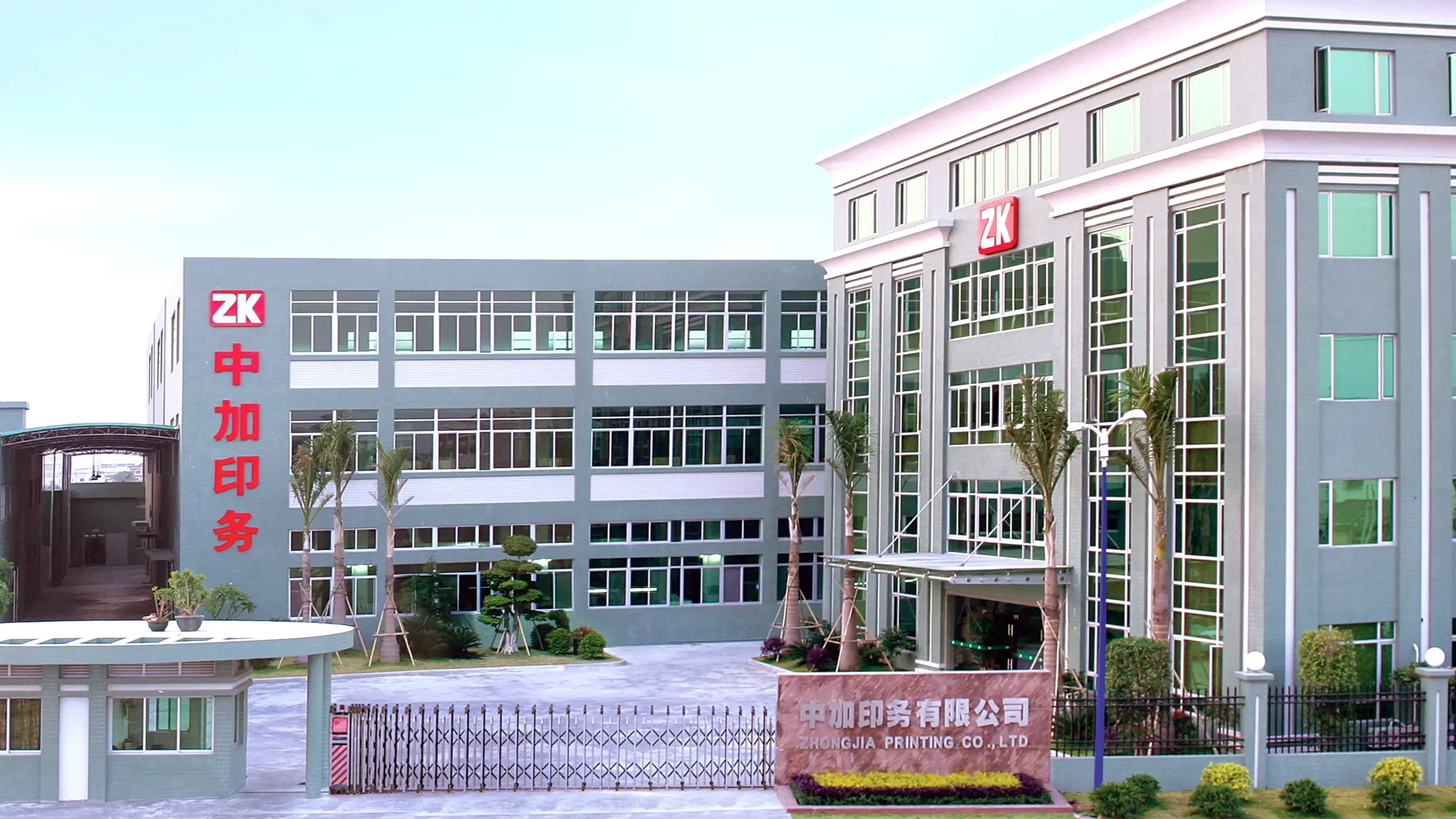
منذ تأسيس شركة Zhongjia Printing، أدركنا مدى أهمية اللحاق باتجاه التغليف المستدام. فبدون تكنولوجيا التغليف المستدام التي تمتلكها الشركة بنفسها، ستكون الشركة على منحدر زلق للغاية في المنافسة الحديثة.
كل ما لدينا أكياس التعبئة والتغليف المرنة بالجملة وأكياس التغليف المرنة المخصصة يمكن أن تستفيد من هذه التقنية لتقليل الانبعاثات والامتثال للوائح المحلية.
العمل مع تشونغ جيا للطباعة للحصول على:
✅قوة تكنولوجية متقدمة
✅خبرة ثرية في الصناعة
✅قدرة إنتاجية فعالة
✅مراقبة الجودة الصارمة
✅خدمة مرنة ومخصصة حسب الطلب
✅شبكة الخدمات العالمية
