



Testing custom packaging samples before bulk production is essential for verifying dimensions, print quality, sealing performance, material suitability, and packaging functionality. Buyers should compare samples against approved specifications, conduct application-based tests, and document acceptance criteria before authorizing mass production.
Với tư cách là một nhà sản xuất bao bì dẻo sử dụng mực in gốc nước serving 40+ well-known companies in over 20 countries, Zhongjia Bao bì helps buyers make informed packaging decisions through professional production management and laboratory testing.
This guide explains how to test custom packaging samples, determine whether they meet quality requirements, and establish a reliable approval process before mass production.
Why Should You Test Custom Packaging Samples Before Bulk Production?
Testing custom packaging samples allows buyers to verify that the packaging meets product requirements and agreed manufacturing specifications before a large order begins. It reduces the risk of printing errors, sealing defects, material incompatibility, and inconsistent finished products.
For flexible packaging, even a small specification mismatch can affect production efficiency and product protection.
Consider these common purchasing risks:
- Incorrect dimensions: Bags may not fit filling equipment or hold the intended product volume.
- Printing defects: Colors, logos, text, or barcodes may differ from the approved artwork.
- Weak seals: Poor heat sealing can cause leakage, contamination, or product loss.
- Unsuitable materials: Inadequate moisture or oxygen barriers can shorten product shelf life.
- Functional problems: Zippers, spouts, and tear notches may not work as expected.
A sample approval process gives both the buyer and manufacturer a shared quality reference. It also creates clear expectations for subsequent production inspections.
What Types of Packaging Samples Should You Request?
Buyers should understand the differences between structural samples, printed samples, and production-representative samples before arranging tests. Each sample type verifies different aspects of packaging performance.
| Sample type | What it verifies | Main limitation |
|---|---|---|
| Structural sample | Dimensions, bag shape, capacity, and opening design | May not represent final printing or materials |
| Printed sample | Artwork, colors, text, and layout | May not reproduce every production condition |
| Production-representative sample | Material structure, printing, sealing, and functionality | Requires agreement on how closely it represents the final production process |
For example, a stand-up pouch sample may confirm its dimensions and bottom-gusset structure, while a printed sample helps evaluate brand presentation.
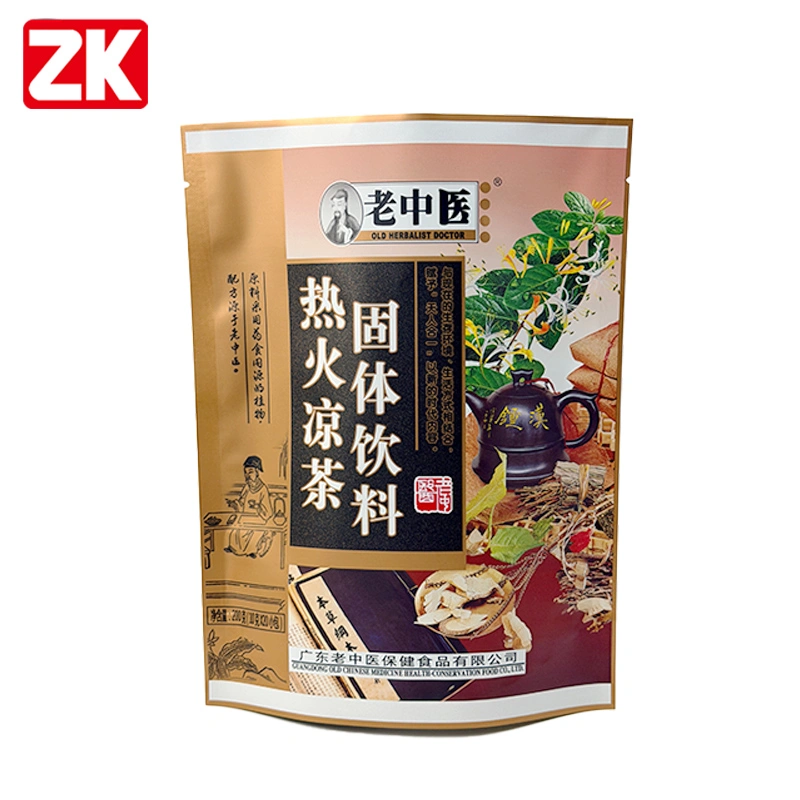
However, neither guarantees that the final pouch will withstand actual filling and sealing conditions.
When evaluating packaging samples before bulk production, request samples that represent the intended material structure, printing process, and manufacturing method as closely as possible. Confirm any differences between the sample-making process and the planned mass-production process.
How to Test Custom Packaging Samples Before Approving Them?
A reliable testing process should cover six essential areas: dimensions, printing, sealing, functional components, material performance, and actual product compatibility. Buyers should evaluate each area against written specifications rather than relying on appearance alone.
1. Check Packaging Dimensions and Structure
Measure the sample against the approved technical drawing to confirm that its dimensions, shape, and construction meet the order requirements.
Check the following:
- Measure bag width and height.
- Check gusset depth for stand-up and flat-bottom pouches.
- Inspect side seals, bottom seals, and edge alignment.
- Confirm zipper, spout, and tear-notch positions.
- Compare the measurements with the approved specifications.
Pay particular attention to the differences between nominal dimensions and actual measurements. The buyer and manufacturer should agree on acceptable tolerances before testing begins.
For example, a flat-bottom pouch must have a stable bottom structure to stand upright when filled. A stand-up pouch must maintain its intended shape without excessive deformation.


Acceptance criteria: All critical dimensions, structural details, and component positions must meet the agreed specifications. Samples with incorrect dimensions or visibly defective seals should not receive approval.
2. Inspect Printing Quality and Color Consistency
Printed packaging sample approval requires checking whether the printed design matches the approved artwork in color, layout, text, and visual quality.
For brands, packaging is part of product identity. Printing defects can affect shelf presentation and create problems with product information.
Use this inspection checklist:
- Color accuracy: Compare printed colors with the approved color reference or agreed proof under consistent lighting.
- Registration: Check whether different printing colors align correctly.
- Text readability: Inspect product names, ingredient information, instructions, and other essential details.
- Artwork positioning: Verify logos, graphics, and text placement.
- Surface quality: Look for scratches, smudges, ink transfer, and uneven printing.
- Barcode readability: Scan the printed barcode using an appropriate reader.
Zhongjia Bao bì chuyên về in bằng mực gốc nước for flexible packaging. Water-based inks use water as a major carrier and can help reduce reliance on conventional solvent-based ink systems.
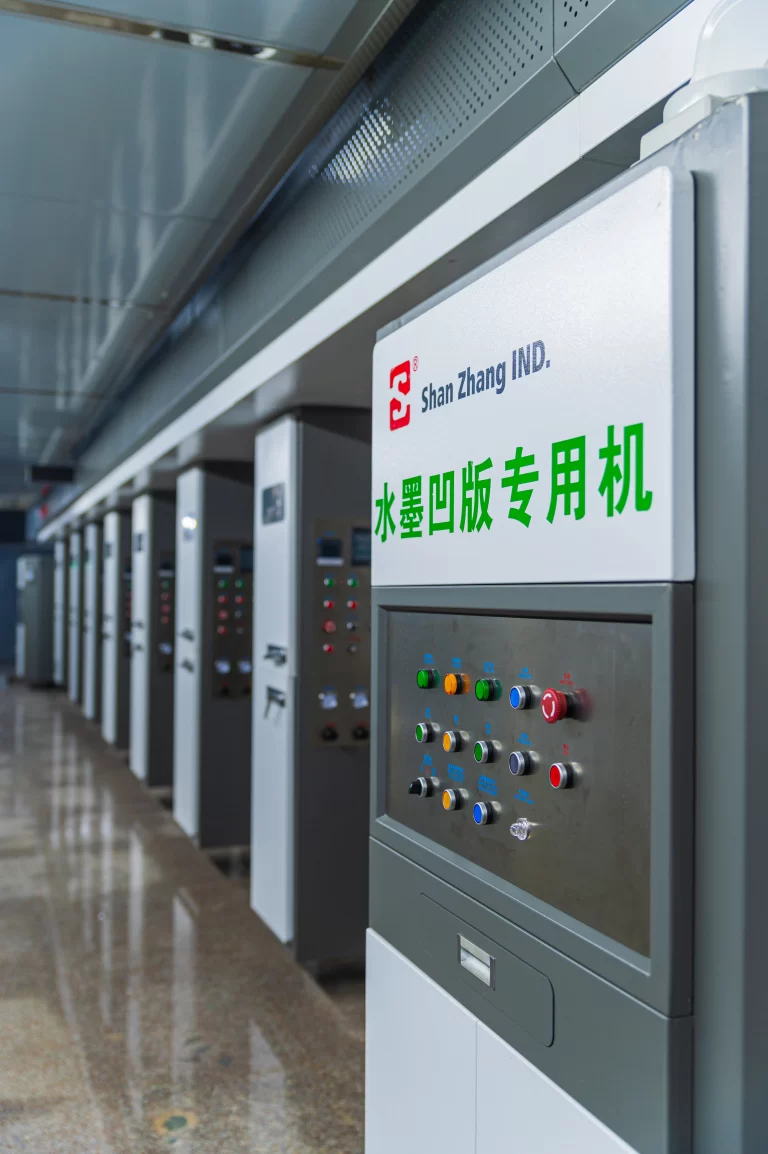
According to the U.S. Environmental Protection Agency (EPA), waterborne inks are among the coating and printing technologies used in low- or no-VOC/HAP formulations. However, actual environmental performance depends on the complete ink formulation and applicable requirements.
For this reason, buyers should also evaluate the printed surface for ink adhesion, drying quality, and resistance to rubbing.
Acceptance criteria: Printed samples must match the approved artwork, meet agreed color tolerances, and show no unacceptable printing defects. Essential text and barcodes must remain clear and usable.
3. Conduct Packaging Seal Strength Testing
Packaging seal strength testing measures how well flexible packaging seals resist separation. It is essential for túi đứng, flat-bottom bags, three-side seal bags, and other heat-sealed packaging.


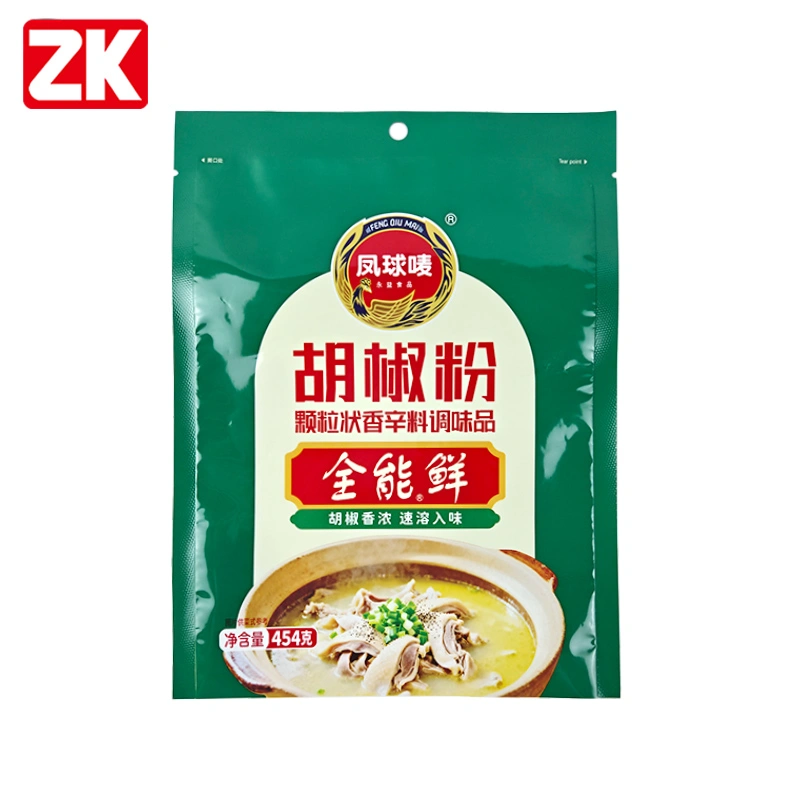
A weak seal can cause leakage during filling, transportation, and storage, even when the packaging material itself is suitable.
Buyers should evaluate:
- Visual seal inspection: Check for wrinkles, channels, contamination, incomplete sealing, and uneven seal areas.
- Manual opening test: Open the pouch carefully to identify obvious weak points or inconsistent sealing.
- Seal strength measurement: Use a suitable tensile testing method to measure the force required to separate the sealed area.
- Leakage inspection: Use an appropriate package integrity test to identify leaks or seal defects.
Cái ASTM F88/F88M standard, published by ASTM International, describes a method for measuring the strength of seals in flexible barrier materials. It also identifies the failure mode.
For gross leak detection, ASTM F2096 describes an internal pressurization bubble test. Its published scope reports detection sensitivity down to 250 μm with an 81% probability under the specified test conditions. This is a method-specific result, not a universal guarantee for every pouch or defect.
Acceptance criteria: Seals must be continuous, free from visible channels, and capable of meeting the agreed minimum seal strength and package integrity requirements. The target should account for both transportation protection and consumer opening needs.
4. Test Zippers, Spouts, and Other Functional Features
Functional components must operate correctly under realistic conditions. A packaging sample is not acceptable simply because its zipper or spout looks properly installed.

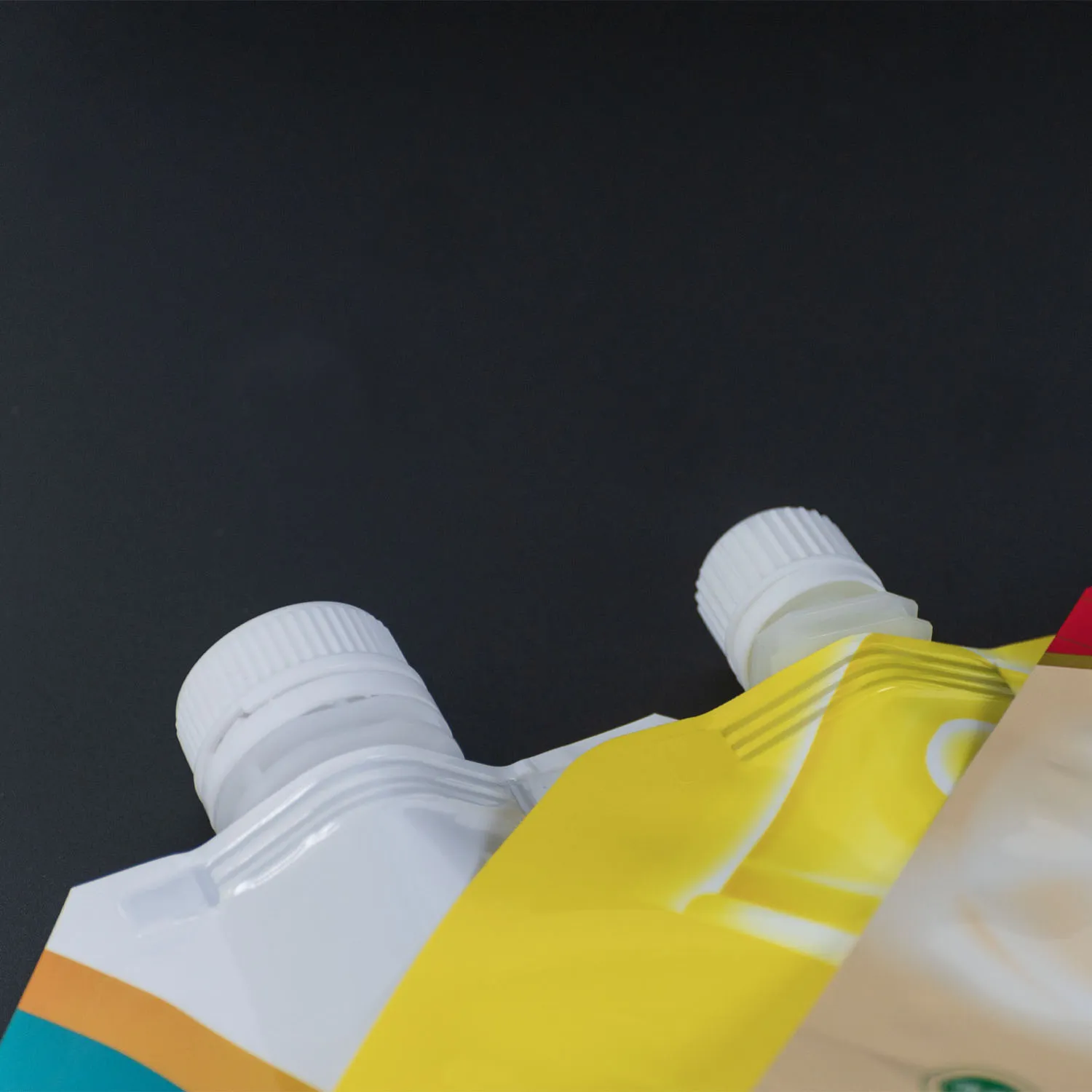

Different packaging structures require different checks.
| Packaging feature | Recommended test | What to check |
|---|---|---|
| Khóa kéo | Repeated opening and closing | Smooth operation and reliable closure |
| Vòi | Filling, dispensing, and leakage test | Secure attachment and leak resistance |
| Tear notch | Manual opening test | Easy and controlled opening |
| Stand-up bottom | Filled-pouch stability test | Upright position and structural support |
| Valve | Functional airflow test, where applicable | Correct operation and sealing |
For example, a liquid packaging pouch should be filled with a suitable test liquid to check dispensing performance and leakage around the spout.
A resealable food pouch should be opened and closed repeatedly to verify that the zipper remains functional.
Acceptance criteria: Every functional component must perform as specified without detachment, obstruction, unexpected leakage, or unacceptable operating difficulty.
5. Evaluate Material and Barrier Performance
Material testing determines whether the packaging structure provides adequate protection for the intended product. Buyers should select tests according to product sensitivity, storage conditions, and required shelf life.
Common performance indicators include:
| Performance indicator | What it measures | Relevant application |
|---|---|---|
| OTR | Oxygen transmission rate | Food and products sensitive to oxidation |
| WVTR | Water vapor transmission rate | Moisture-sensitive food and powders |
| Khả năng chống thủng | Resistance to penetration | Packaging exposed to handling stress |
| Lamination bond strength | Adhesion between material layers | Laminated flexible packaging |
| Abrasion resistance | Resistance to surface rubbing | Printed packaging during transportation |
Two useful reference methods are:
- ASTM D3985: Measures oxygen gas transmission through plastic films and related materials.
- ASTM F1249: Measures water vapor transmission through plastic films and sheeting.
ASTM F1249-25 specifically identifies water vapor transmission rate as a property that can relate to product shelf life and packaged product stability.
These tests are especially relevant to food packaging, where moisture and oxygen exposure can affect product quality.
Acceptance criteria: OTR, WVTR, and other material performance values must meet the agreed technical targets under specified test conditions. A visual inspection cannot replace laboratory barrier testing.
6. Test Packaging with the Actual Product
Testing a pouch with the actual product or a representative filling material provides a more realistic assessment than examining an empty sample.
This step is particularly important because packaging performance depends on the interaction between the package, filling process, and product characteristics.
Follow these steps:
- Fill the sample with the intended product or a suitable substitute.
- Check whether the pouch can accommodate the required filling volume.
- Inspect the packaging during filling and sealing.
- Observe whether the filled package maintains its shape.
- Check for leakage, deformation, or material damage.
- Evaluate handling, stacking, and transportation conditions relevant to the product.
For liquid products, inspect spouts and seals carefully. For powders, check the opening, filling area, and sealing zone for contamination. For snacks and dry food, evaluate whether the packaging structure provides the required barrier protection.

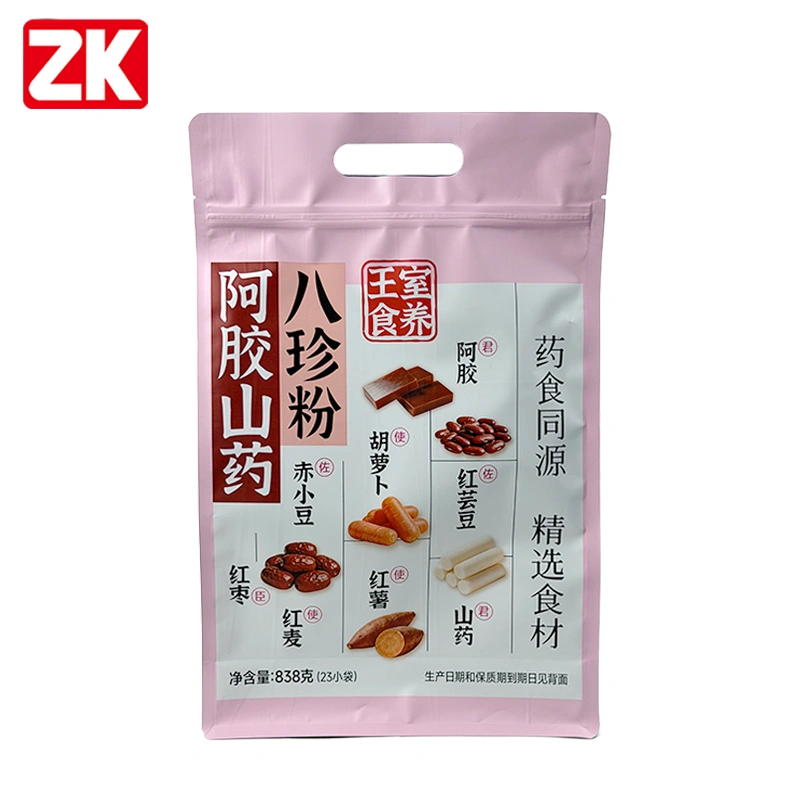
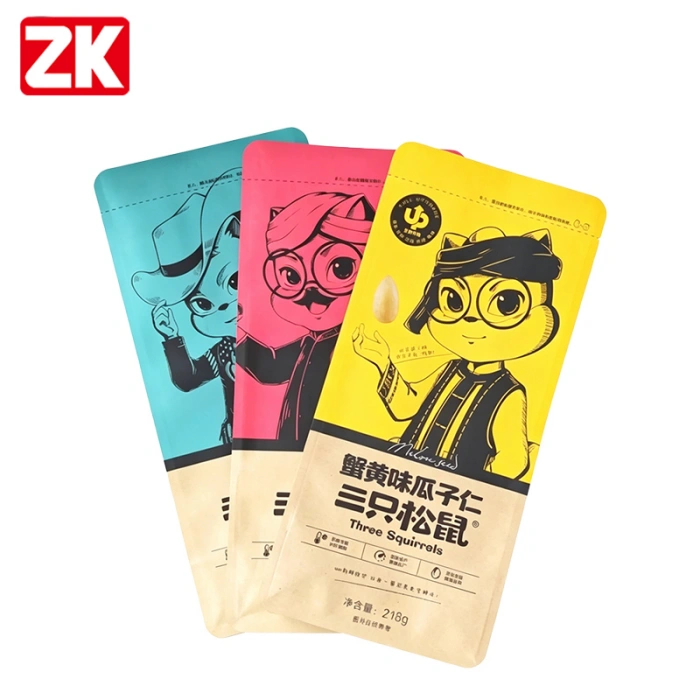
Acceptance criteria: The packaging must work with the intended filling process, maintain its structure, and protect the product according to the agreed application requirements.
How Do You Determine Whether Packaging Samples Pass Quality Inspection?
Packaging samples pass inspection only when they meet all agreed critical specifications and functional requirements. Buyers should use documented acceptance criteria to make approval decisions instead of relying on personal opinions or visual impressions.
A practical quality evaluation should divide requirements into three categories:
| Inspection category | Key requirements | Decision |
|---|---|---|
| Critical requirements | Seal integrity, material suitability, essential product information, and functional safety | Any critical failure requires rejection |
| Major requirements | Incorrect dimensions, printing defects, zipper failure, and visible structural problems | Correct before approval |
| Minor requirements | Small cosmetic variations within agreed tolerances | Accept only if they do not affect usability or agreed appearance standards |
Buyers should also establish measurable requirements before testing. For example, specify acceptable dimensions, color references, minimum seal strength, and required OTR or WVTR values where applicable.
One important principle is that passing one test does not automatically mean the entire package is acceptable. A pouch may have excellent printing but poor sealing performance. Each critical requirement must pass independently.
How Should You Approve Packaging Samples Before Bulk Production?
Packaging sample approval should follow a documented process that connects the approved design, material specifications, test results, and final production requirements. Both parties must confirm the same reference version before bulk manufacturing begins.
Follow these five steps:
Step 1: Create a Sample Inspection Record
Record the sample identification number, product type, material structure, dimensions, printing requirements, and test results.
Step 2: Compare Results Against Specifications
Review all inspection results and identify any deviations from the approved technical requirements.
Step 3: Request Corrections if Necessary
If a sample fails, provide specific feedback, such as incorrect pouch dimensions, poor color registration, weak seals, or an unsuitable zipper.
Step 4: Approve the Final Reference Sample
Once all critical requirements pass, approve the final sample in writing. Keep a physical reference sample or clearly identified digital records for future comparison.
Step 5: Lock the Production Specifications
Confirm that the approved sample, artwork version, material structure, printing requirements, and quality standards will be used for bulk production.
What Should a Packaging Sample Approval Checklist Include?
The following checklist provides a practical reference for buyers and manufacturers.
| Inspection item | Acceptance requirement | Status |
|---|---|---|
| Dimensions | Match approved measurements and tolerances | Pass / Fail |
| Bag structure | Correct shape, gusset, and construction | Pass / Fail |
| Printing | Approved colors, artwork, and text | Pass / Fail |
| Ink adhesion | Meets agreed rub and adhesion requirements | Pass / Fail |
| Seal strength | Meets agreed minimum requirements | Pass / Fail |
| Leakage resistance | No unacceptable leakage | Pass / Fail |
| Functional components | Zippers, spouts, and tear notches work correctly | Pass / Fail |
| Material performance | Meets specified barrier requirements | Pass / Fail |
| Actual product compatibility | Suitable for filling, storage, and handling | Pass / Fail |
| Final approval | Written approval and reference sample retained | Pass / Fail |
Practical recommendation
Use a three-part approval record: Approved Artwork + Approved Material Structure + Approved Performance Results.
This is an important but frequently overlooked aspect of sample management. Buyers often approve a printed appearance without formally locking the material structure or functional requirements. That creates room for misunderstandings when production specifications are transferred between departments.
A complete approval record connects what the buyer sees, what the manufacturer produces, and what the final packaging must achieve.
What Common Mistakes Should Buyers Avoid When Testing Packaging Samples?
Buyers should avoid approving samples based only on appearance, skipping functional tests, or failing to document final specifications. These mistakes can lead to quality disputes, production delays, and additional costs.
Here are five common mistakes:
- Approving samples from photographs only. Photographs cannot verify seal strength, material thickness, leakage resistance, or actual product compatibility.
- Ignoring actual filling conditions. An empty pouch may look perfect but fail when filled or sealed on production equipment.
- Overlooking printing and artwork details. Incorrect text, colors, or barcode positioning can create problems after distribution.
- Failing to define acceptance standards. Without agreed tolerances and performance targets, buyers and manufacturers may interpret quality differently.
- Changing specifications after approval. Material, artwork, or structural changes should trigger a new review and approval when they affect product performance.
The best approach is to treat sample approval as a formal quality-control milestone rather than a simple purchasing formality.
Câu hỏi thường gặp
1. How many packaging samples should you test before bulk production?
The number depends on packaging complexity, order volume, product risk, and the agreed sampling plan. Test enough representative samples to evaluate critical dimensions, printing consistency, sealing performance, and functional reliability. Destructive tests should use separate samples.
2. What is the most important test for flexible packaging samples?
There is no single test that applies to every package. Seal strength and leakage resistance are essential for heat-sealed pouches, while OTR and WVTR are important for products requiring oxygen and moisture protection. Actual product compatibility is also critical.
3. How do you test the seal strength of a packaging pouch?
Use a suitable tensile testing method, such as ASTM F88/F88M, to measure the force required to separate a sealed specimen. Establish the testing procedure, specimen preparation, and minimum acceptance value before inspection.
4. Can you approve packaging samples based on appearance alone?
No. Visual inspection can identify printing, structural, and cosmetic defects, but it cannot confirm sealing strength, barrier performance, or leakage resistance. Functional and laboratory testing are necessary when required by the packaging application.
5. What happens if packaging samples fail testing?
The manufacturer should identify the defect, determine its cause, and make the necessary corrections. A revised sample must be tested again against the original requirements. Bulk production should not proceed until critical issues are resolved and the final sample receives written approval.
6. Why is water-based ink printing important for custom packaging?
Water-based inks use water as a major carrier and can reduce reliance on conventional solvent-based printing systems. They support packaging manufacturers seeking lower-VOC printing approaches. However, buyers should still verify ink adhesion, drying performance, print quality, and applicable food-contact requirements for the intended application.
Kết luận
Testing custom packaging samples before bulk production is essential for ensuring product quality, preventing manufacturing defects, and avoiding unnecessary costs. By checking dimensions, printing quality, seal strength, material performance, and functional features, buyers can identify potential problems early and make informed approval decisions. A documented sample approval process also ensures that the final production specifications meet expectations for both the buyer and manufacturer.
Choosing an experienced manufacturing partner is equally important. Zhongjia Bao bì chuyên về bao bì dẻo in bằng mực gốc nước, offering customized túi đứng, flat-bottom pouches, túi có vòi rót, and side gusset bags for food, daily-use products, and toys. With four high-speed production lines, professional production management, and laboratory testing, we are committed to delivering reliable packaging solutions.
Ready to move from sample testing to bulk production? Contact Zhongjia Bao bì today to discuss your packaging requirements and request a customized solution for your business.
