



In 2026, snack packaging decisions center on sustainability, printing chemistry, digital engagement, logistics efficiency, and speed to market. Prioritize mono-material engineering, water-based inks, minimal design, single-serve formats, flexible film logistics, digital interaction (QR/AR), and short-run customization.
Zhongjia Printing, an expert flexible packaging manufacturer, is going to share the snack packaging trends in 2026.
Hyper-Sustainable Materials Become Table Stakes
Sustainability is a regulatory and procurement requirement now. The leading snack packaging trend is moving from vague “eco” claims to documented end-of-life outcomes.
Key moves:
- Choose mono-polymer structures (PE or PP) where local recycling exists.
- For compostable options, restrict to certified compost streams and state disposal instructions clearly.
- Use lifecycle assessments (LCA) to compare foil laminates vs mono solutions.
What to validate:
- Ask suppliers for DoC and LCA summaries.
- Require batch-level film composition and a statement of recyclability tied to regions you sell into.
Water-Based Inks & Low-Migration Printing Chemistry
Ink choice impacts worker safety, VOC emissions, recyclability, and food safety — making ink a central snack packaging trend for 2026.
Why it matters:
- Solvent inks increase VOCs and can contaminate recycling streams.
- Water-based and verified low-migration inks reduce environmental and regulatory risk.
Action steps:
- Specify DoC for inks and request migration/odor testing on finished laminate.
- Prefer reverse printing to put ink outside the food-contact layer when possible.
Supplier checklist:
- On-press water-based ink experience.
- Pressroom VOC controls and solvent management records.
Minimalist Design That Improves Shelf Readability
Consumers scan, not read. Minimalism is an aesthetic that also reduces print complexity — a commercial snack packaging trend with operational benefits.
Design principles:
- Strong hierarchy: product name, key benefit, net weight, call-to-action.
- Limit color palette to 2–3 core colors plus accents.
- Use negative space to improve scanability in both retail and thumbnails for e-commerce.
Benefits:
- Lower ink coverage reduces drying time and potential migration issues.
- Fewer print colors lower the plate and setup costs.
Interactive & Smart Packaging — Traceability + Engagement
Digital features are no longer a novelty. They’re tools for traceability, transparency, and measurable marketing.
Implementations to consider:
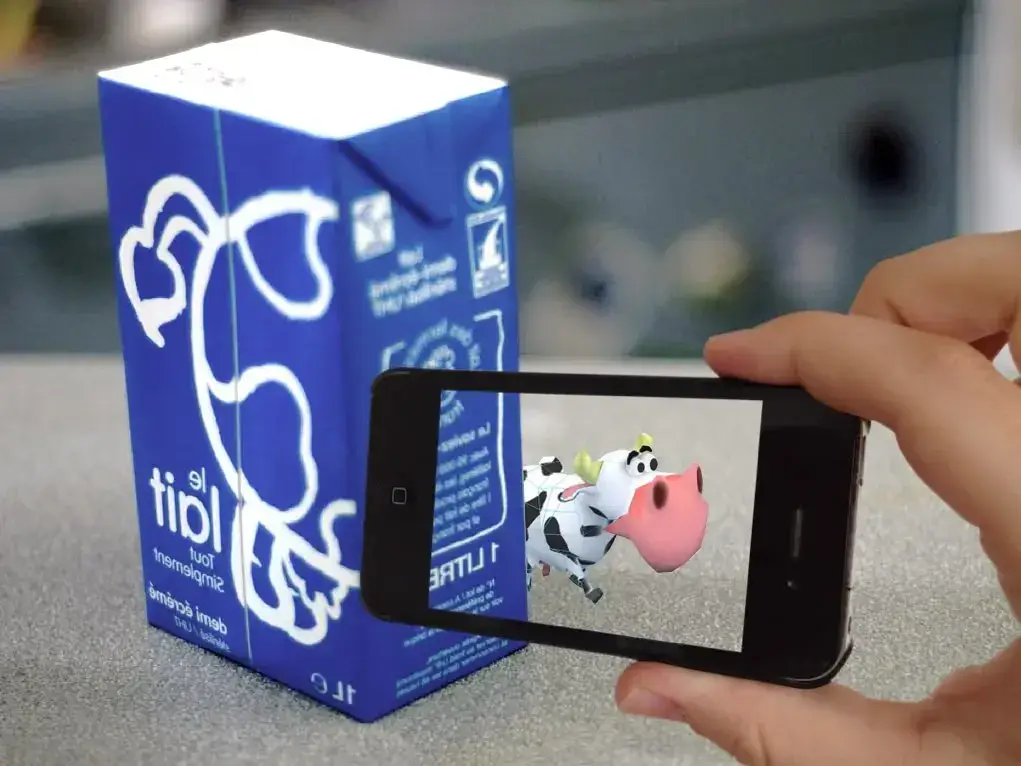
- QR codes linking to batch test results, nutritional info, and provenance.
- NFC or AR for premium campaigns.
- Digital product passports for EPR reporting.
Validation:
- Ensure QR targets are stable (short URLs, CDN hosting).
- Test scanning reliability across printed finishes and under lamps used in retail.
This is a decisive snack packaging trend for brands that want measurable engagement and regulatory defensibility.
Single-Serve & Portion-Controlled Formats Grow Stronger
Portion packs address convenience and health trends. They’re also a production and distribution challenge — a major snack packaging trend for SKUs that sell on impulse.
Design trade-offs:
- Small format = less branding real estate. Prioritize legibility.
- High surface-to-volume ratio demands strict barrier specs for hygroscopic powders and oxygen-sensitive snacks.
Manufacturing musts:
- Validate fill accuracy, seal integrity, and tear behavior on pilot lines.
- Optimize carton packing to reduce per-unit freight and damage.
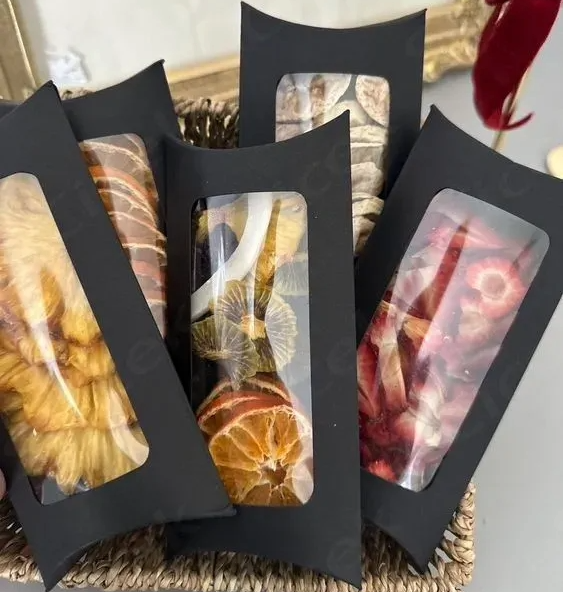
Flexible Packaging Wins on Logistics & Cost Efficiency
Flexible films reduce transport weight and improve pallet density. This logistical advantage is a persistent snack packaging trend.
Operational benefits:
- Flat shipment of empty packs lowers inbound volume.
- Stand-up resealable pouches combine shelf presence with reduced downstream waste.
Testing to require:
- Compression/stack tests for cartons of pouches.
- Seal and zipper fatigue tests after simulated pallet compression.
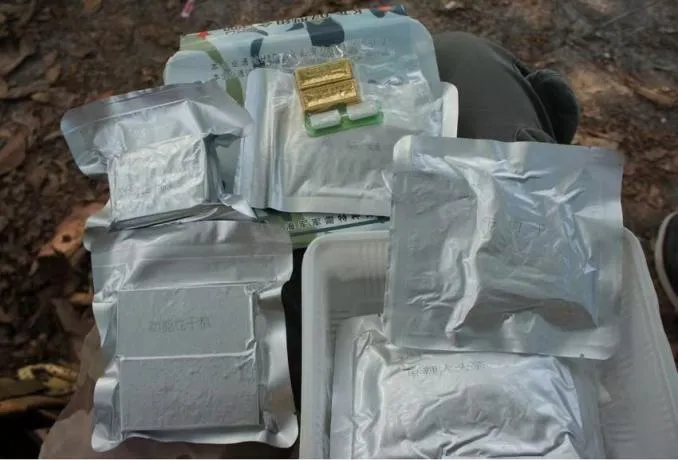
Limited Editions & Rapid SKU Customization via Digital Print
Speed and relevance matter. Brands use short runs and limited editions to test flavors and localize offers — a commercial snack packaging trend that requires different supplier capabilities.
Capabilities to demand:
- Digital print options for short runs (no plates).
- Tight color management and ΔE tolerances for brand consistency.
- Clear MOQ tiers and rapid turnarounds.
Control points:
- Pre-press proofs tied to production film.
- Post-run abrasion and scuff tests for shelf durability.
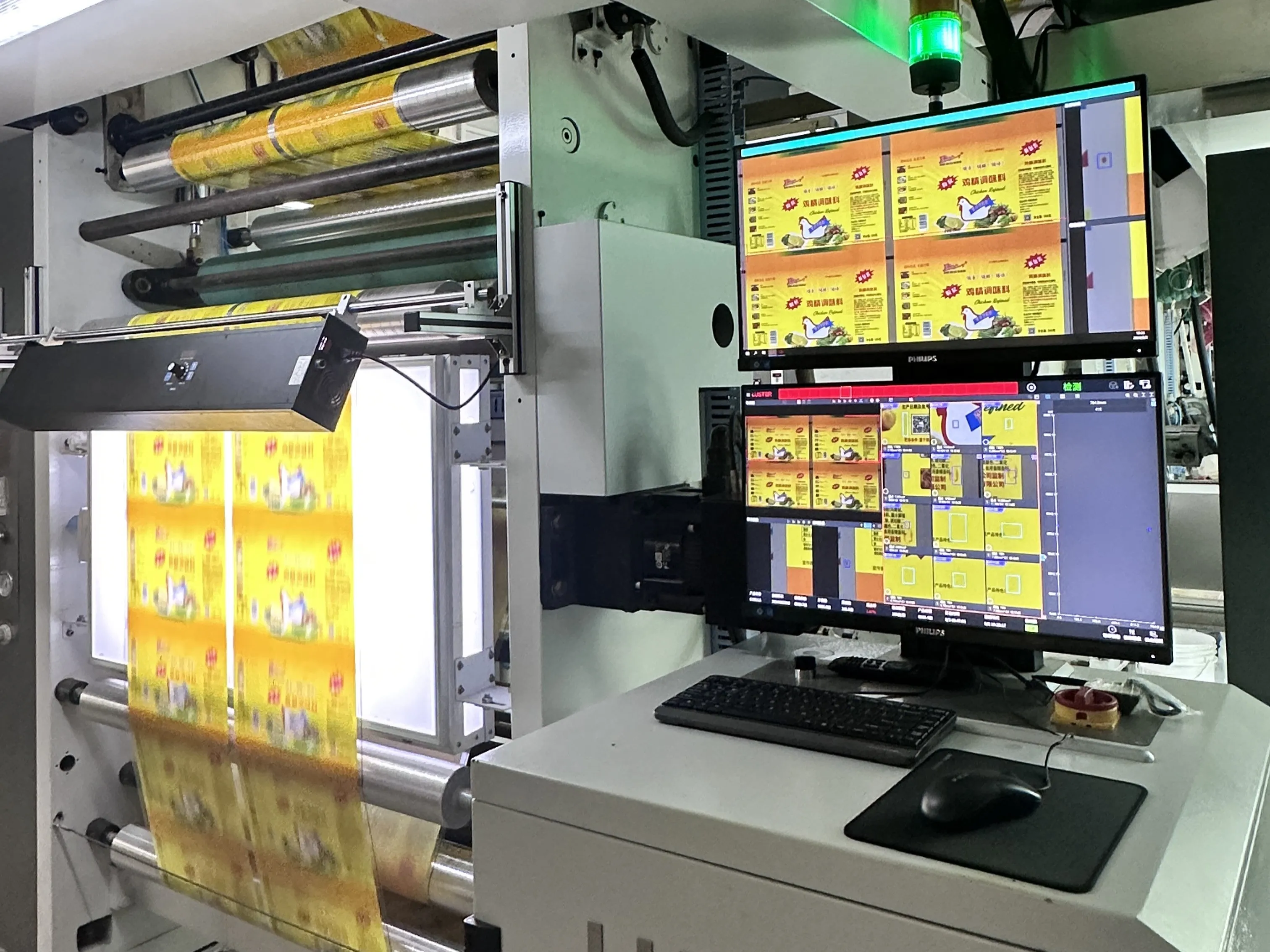
Cross-Cutting Operational Checklist
- Material spec: film layer table + MVTR/OTR targets.
- Ink spec: DoC, migration reports, water-based preference.
- Design spec: minimal hierarchy + QR/NFC placement.
- Pilot validation: seal strength, burst test, drop test, compression.
- Sustainability proof: LCA summary, recyclability statement, and local acceptance.
- Supplier audit items: ISO, HACCP/BRC if food contact, press VOC controls.
- TCO model: include EPR fees, freight, returns, and pilot costs.
Quick FAQ (Featured Snippet Style)
Q: Is water-based ink suitable for high-barrier pouches?
A: Yes — if the ink and lamination process are validated. Require migration and odor tests on the finished laminate.
Q: Can mono-material pouches match foil barriers?
A: Sometimes. Encapsulated EVOH or coated PE can approach foil performance for moderate shelf lives; validate with MVTR/OTR tests.
Q: How small can single-serve packs be without compromising the barrier?
A: Dimension depends on product; always set MVTR/OTR targets and run pilot shelf-life tests for small formats.
Conclusion
The 2026 snack packaging trend landscape rewards integrated decisions: material science, ink chemistry, design clarity, and operational validation must move together. Prioritize measurable targets, contractual pilot acceptance, and supplier capabilities (digital print, water-based inks, mono-material trials). When these elements are aligned, packaging moves from cost center to brand asset.
About Zhongjia Printing
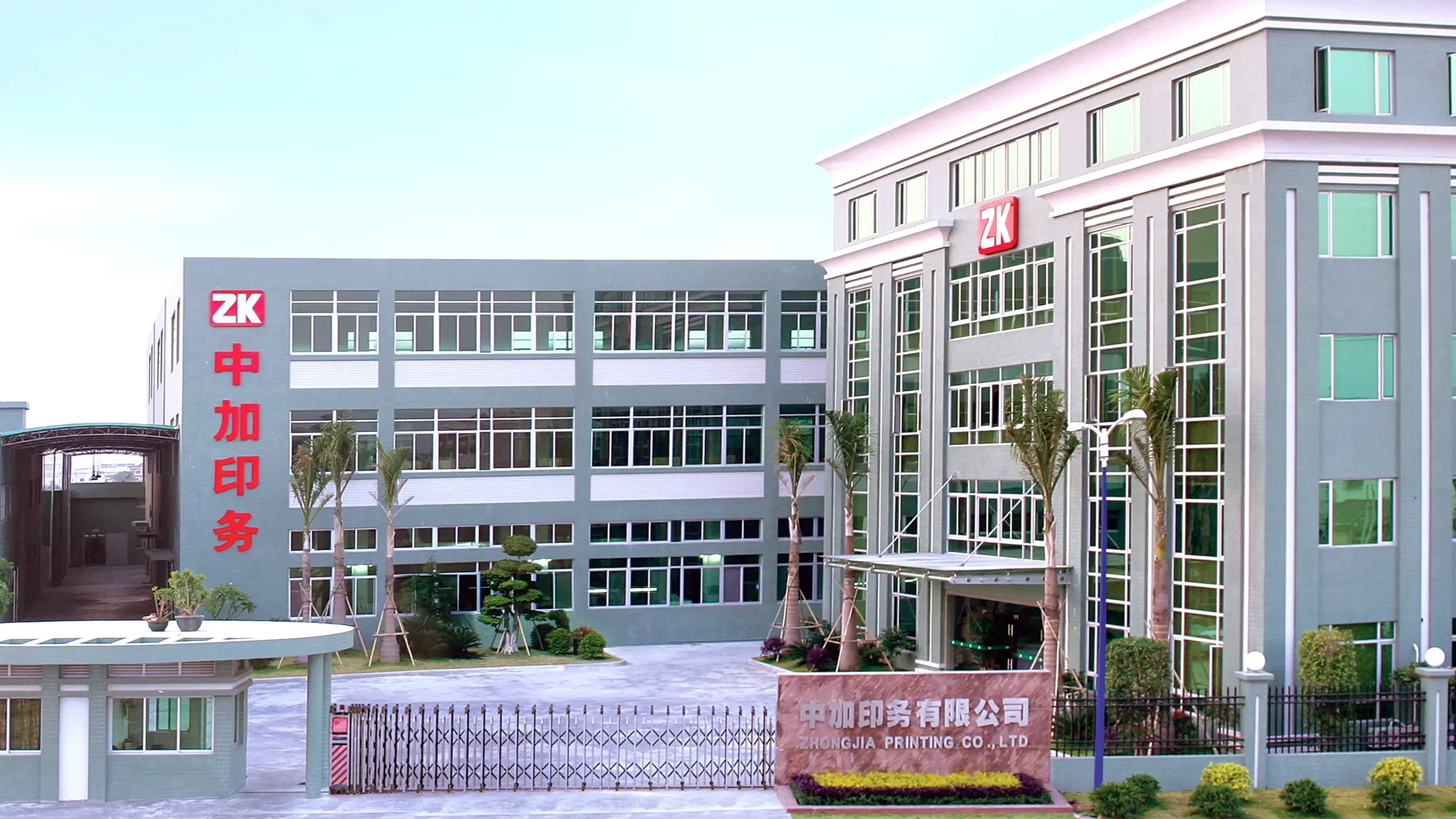
Zhongjia Printing is an expert flexible packaging manufacturer serving global snack and food brands. With strong expertise in water-based ink printing and low-migration packaging systems, Zhongjia supports brands pursuing safer and more sustainable packaging solutions.
For B2B clients, our factory offers OEM/ODM snack packaging services covering mono-material structures, custom printing effects, pouch formats, and packaging optimization, delivering scalable snack packaging designed for both compliance and market impact.
