



Choosing the best packaging materials is one of the most important decisions for food brands because the right material directly affects shelf life, food safety, transportation, and consumer experience. Different foods require different barrier properties, film structures, and bag styles.
Zhongjia Kemasan specializes in water-based ink-printed flexible packaging with customized solutions for snacks, coffee, powders, and confectionery, helping global brands balance product protection, sustainability, and cost efficiency.
This guide explains how to select the best packaging materials for four major food categories and what B2B buyers should evaluate before placing bulk orders.
Why Packaging Material Selection Matters
The primary function of kemasan fleksibel is protecting products throughout transportation, storage, and retail display.
Good packaging materials should provide:
- Excellent oxygen barrier
- Perlindungan terhadap kelembapan
- Aroma retention
- Strong sealing performance
- Puncture resistance
- High-quality printing
- Compatibility with automated filling lines
- Cost-effective production
Instead of choosing the cheapest film, buyers should match packaging performance to product characteristics. Proper barrier selection significantly improves shelf life and reduces waste.
Understanding Common Flexible Packaging Materials
Before discussing different food categories, it is important to understand the most widely used flexible packaging materials.
| Bahan | Main Advantages | Typical Applications |
|---|---|---|
| PET | Excellent printability, strength, heat resistance | Outer printing layer |
| BOPP | High clarity, moisture resistance, stiffness | Kemasan makanan ringan |
| PE | Excellent heat sealing, flexibility | Inner sealing layer |
| CPP | Good heat resistance and sealing | High-speed packaging |
| NY (PA) | High puncture resistance | Heavy-duty products |
| MPET | High oxygen and light barrier | Coffee, snacks |
| Aluminum Foil (AL) | Maximum barrier against oxygen, moisture, and light | Premium coffee, powder |
Most commercial food packaging uses laminated structures rather than a single film because multiple layers provide better overall performance.
Best Packaging Materials for Snacks
Snack foods such as potato chips, nuts, crackers, popcorn, and baked products are sensitive to both oxygen and moisture.
Key packaging challenges
- Loss of crispness
- Oil oxidation
- Product breakage
- Aroma loss
Recommended material structures
- BOPP/VMCPP
- PET/VMPET/PE
- PET/PE
These laminated structures offer:
- Good moisture barrier
- Moderate to high oxygen barrier
- Attractive printing
- Excellent sealing performance
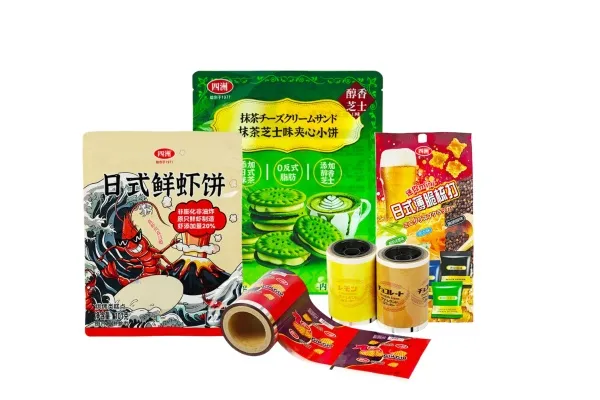
Nitrogen flushing is also commonly used for fragile snacks to reduce oxidation while protecting products during transportation.
Best Packaging Materials for Coffee
Coffee presents one of the most demanding packaging applications.
Fresh roasted coffee continuously releases carbon dioxide after roasting while remaining highly sensitive to oxygen.
Recommended material structures
- PET/AL/PE
- PET/VMPET/PE
Recommended packaging features
- One-way degassing valve
- Resealable zipper
- Kantong berdasar datar
- High oxygen barrier
- Excellent aroma retention
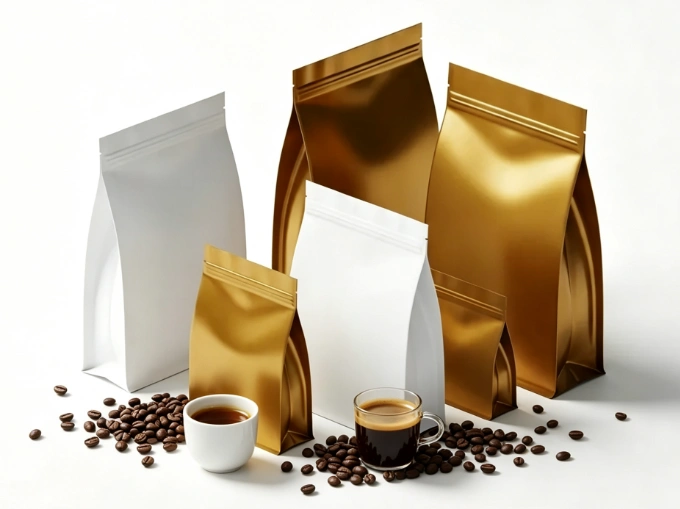
These features help preserve flavor while allowing gas to escape without letting oxygen enter the package.
Best Packaging Materials for Powder Products
Protein powder, milk powder, seasoning, baking ingredients, and nutritional supplements require different protection compared with snacks.
Main risks
- Moisture absorption
- Powder leakage
- Seal contamination
- Product caking
Recommended material structures
- PET/AL/PE
- PET/VMPET/PE
- PET/PE
Important design considerations include:
- Wide heat-sealing area
- Strong bottom seals
- Resealable zipper
- Smooth filling performance
- Optional spout or easy-pour design
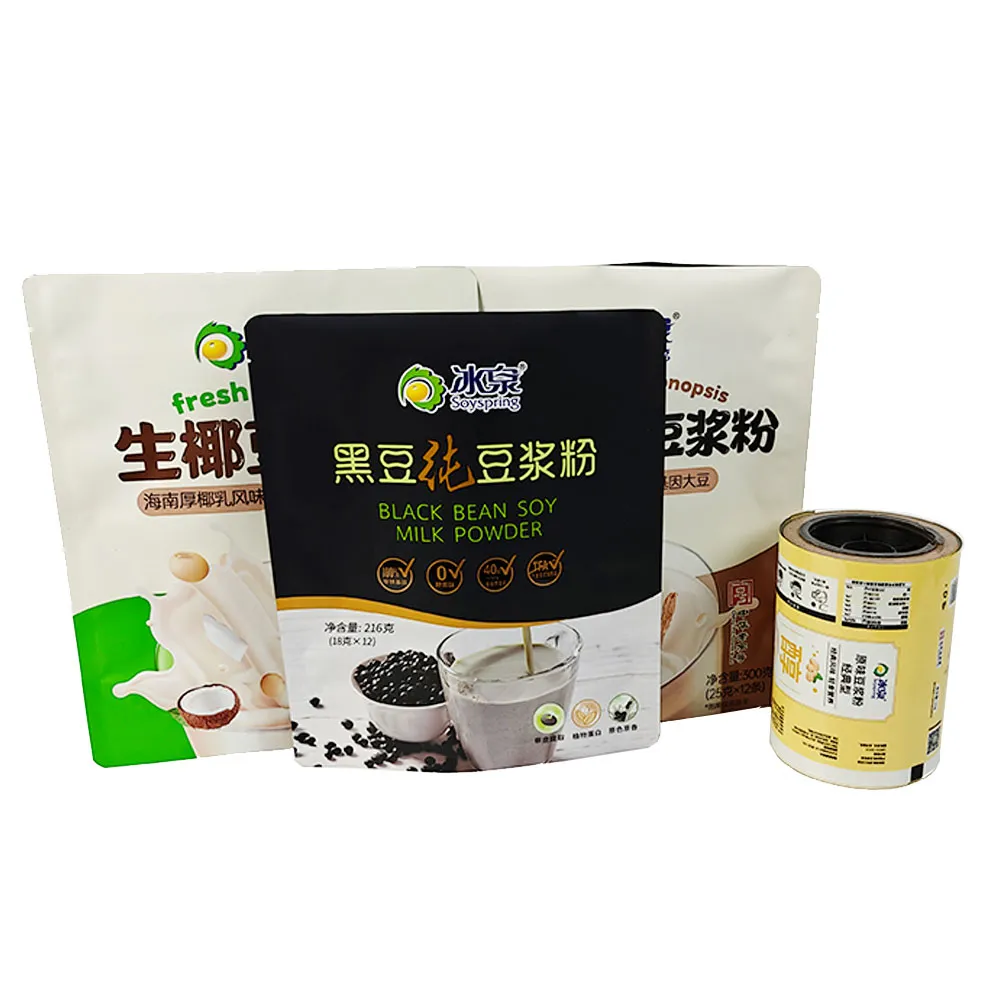
For high-value powders, high-barrier laminates significantly improve storage stability.
Best Packaging Materials for Candy
Candy packaging requirements depend on product type.
Examples include:
- Hard candy
- Gummies
- Chocolate
- Toffee
- Chewing candy
Main protection requirements
- Moisture resistance
- Grease resistance
- Attractive appearance
- Easy opening
- Food safety
Common material options include:
- BOPP
- PET/PE
- PET/CPP
- Aluminum foil laminates (for chocolate)
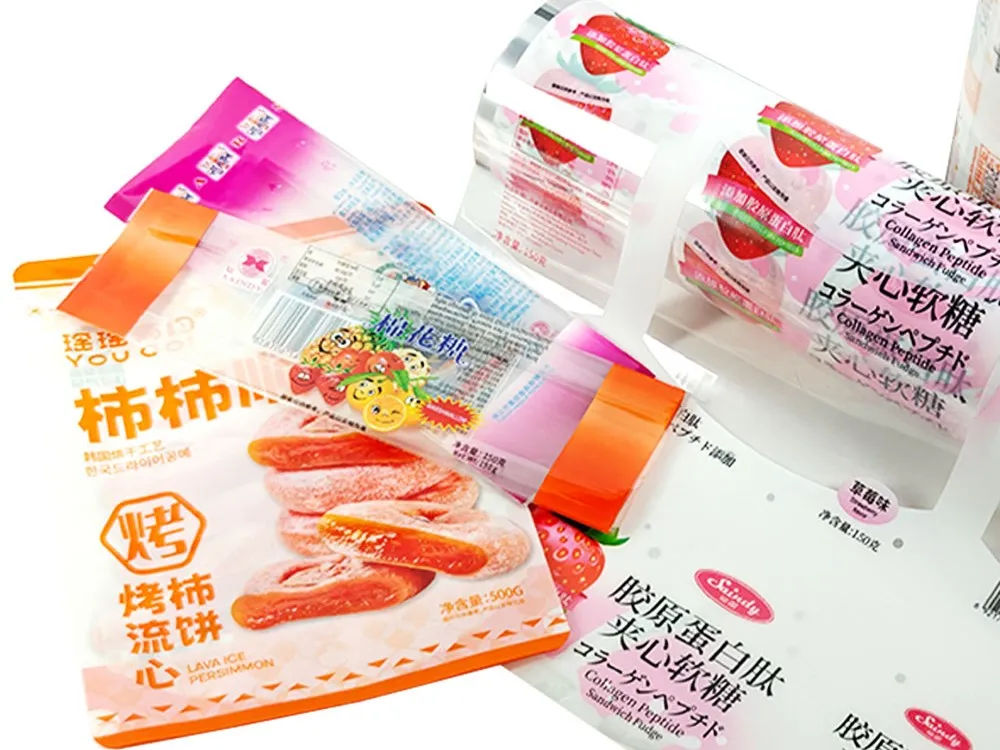
Premium confectionery often combines excellent barrier performance with decorative finishes such as matte, glossy, metallic, or soft-touch coatings.
How to Match Packaging Material to Your Product
| Product | Recommended Material | Key Features |
|---|---|---|
| Camilan | PET/VMPET/PE | Moisture barrier, oxygen protection |
| Coffee | PET/AL/PE | High barrier, aroma protection, valve |
| Powder | PET/AL/PE | Moisture barrier, strong sealing |
| Candy | PET/CPP or BOPP | Moisture resistance, attractive display |
Remember that packaging selection should always be based on product characteristics, desired shelf life, transportation conditions, and filling equipment—not simply on material cost.
Factors Buyers Should Evaluate Beyond Material
Selecting the best packaging materials also requires evaluating manufacturing capabilities.
Pemasok profesional should provide:
1. Material engineering support
Recommend film structures based on actual product characteristics.
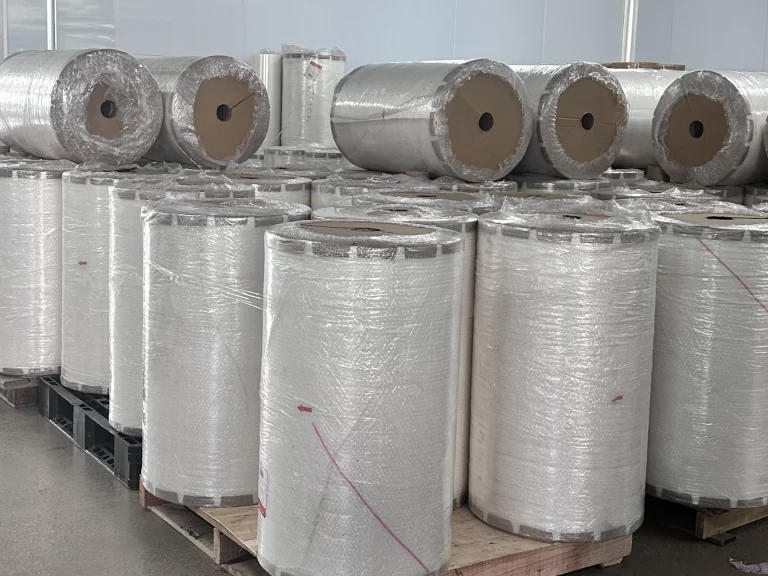
2. Barrier testing
Offer OTR and MVTR data when required.
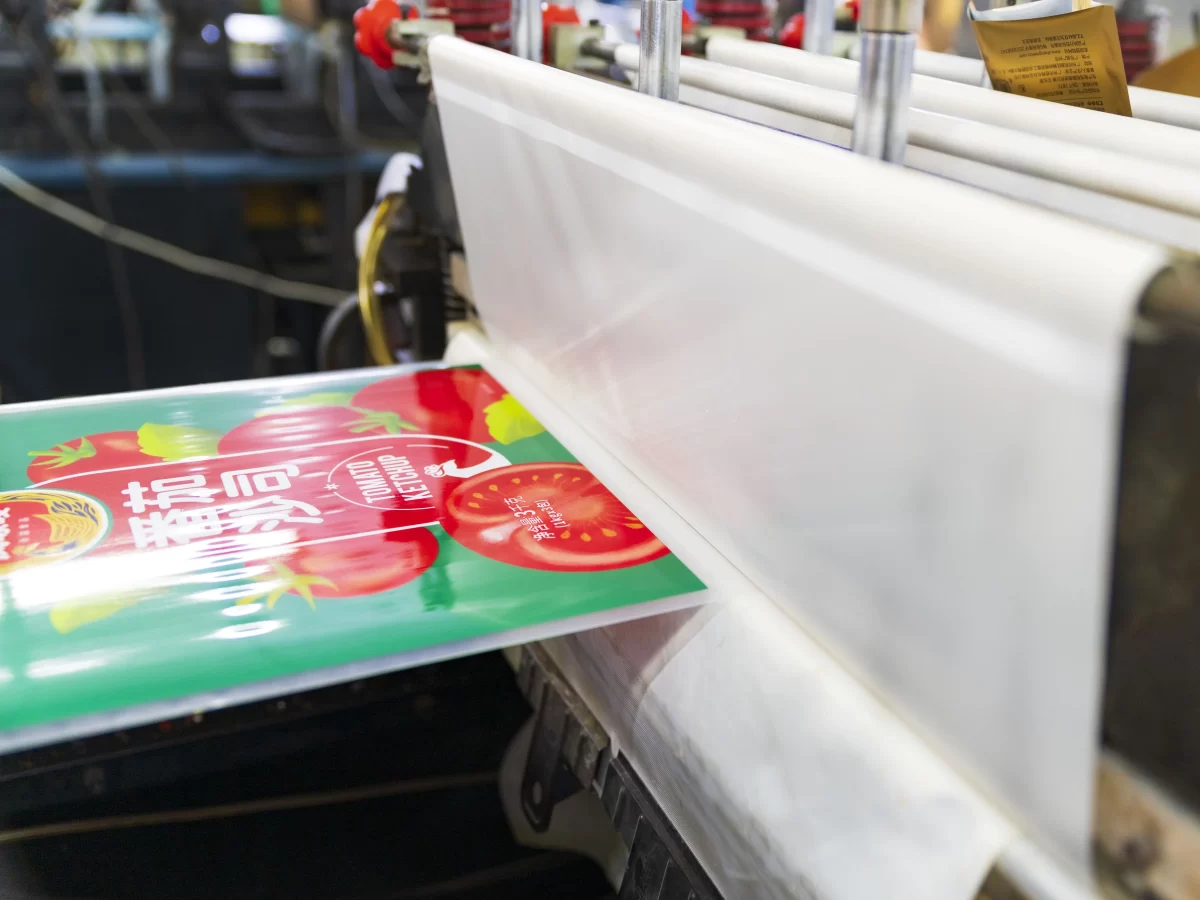
3. Printing quality
High-resolution gravure or water-based ink printing with consistent colors.
4. Seal integrity testing
Verify sealing strength through laboratory testing.
5. OEM customization
Support custom sizes, finishes, valves, zippers, windows, and private-label branding.
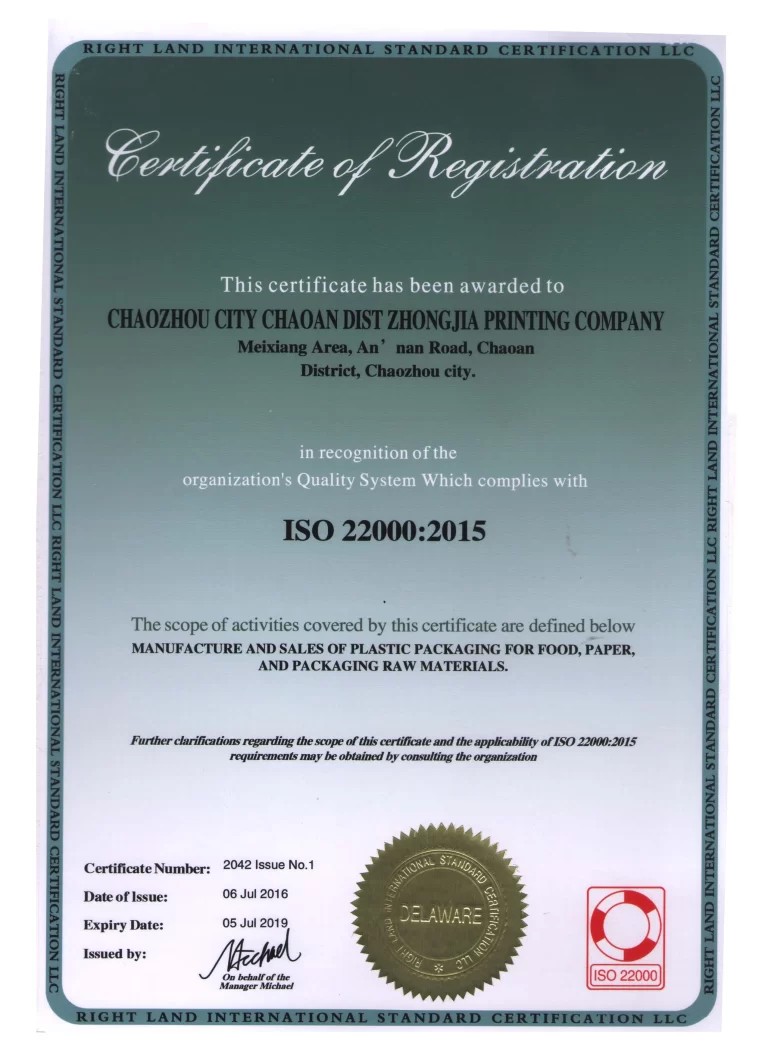
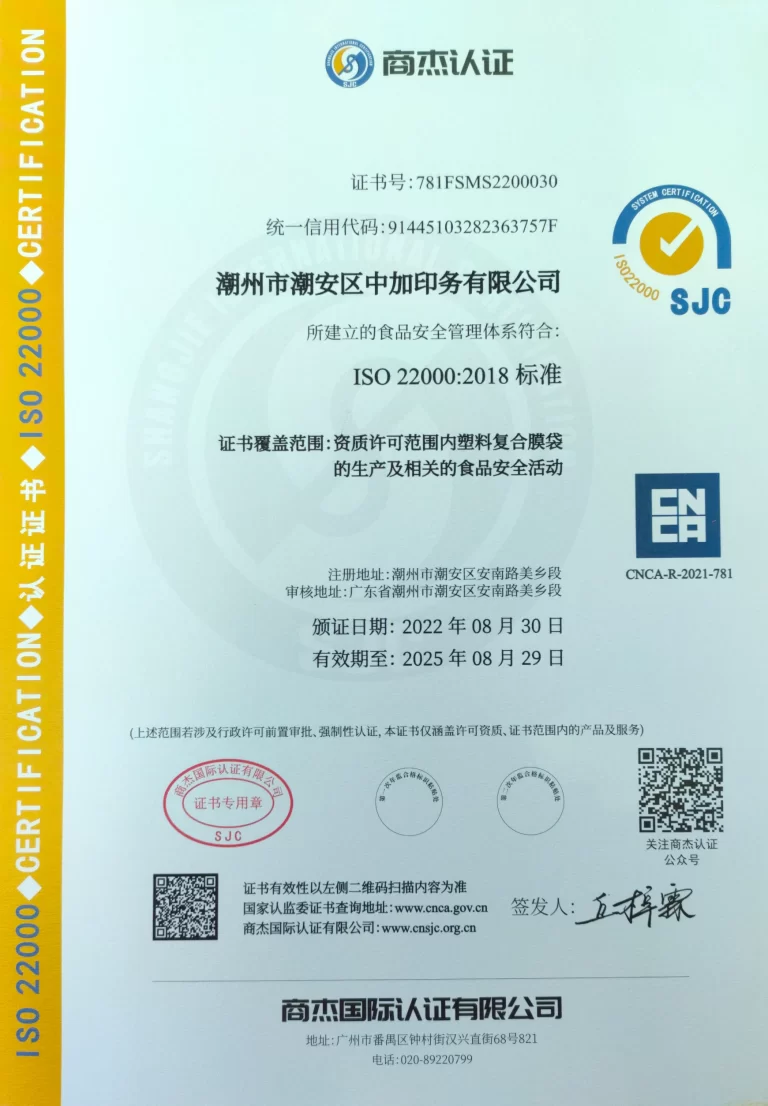
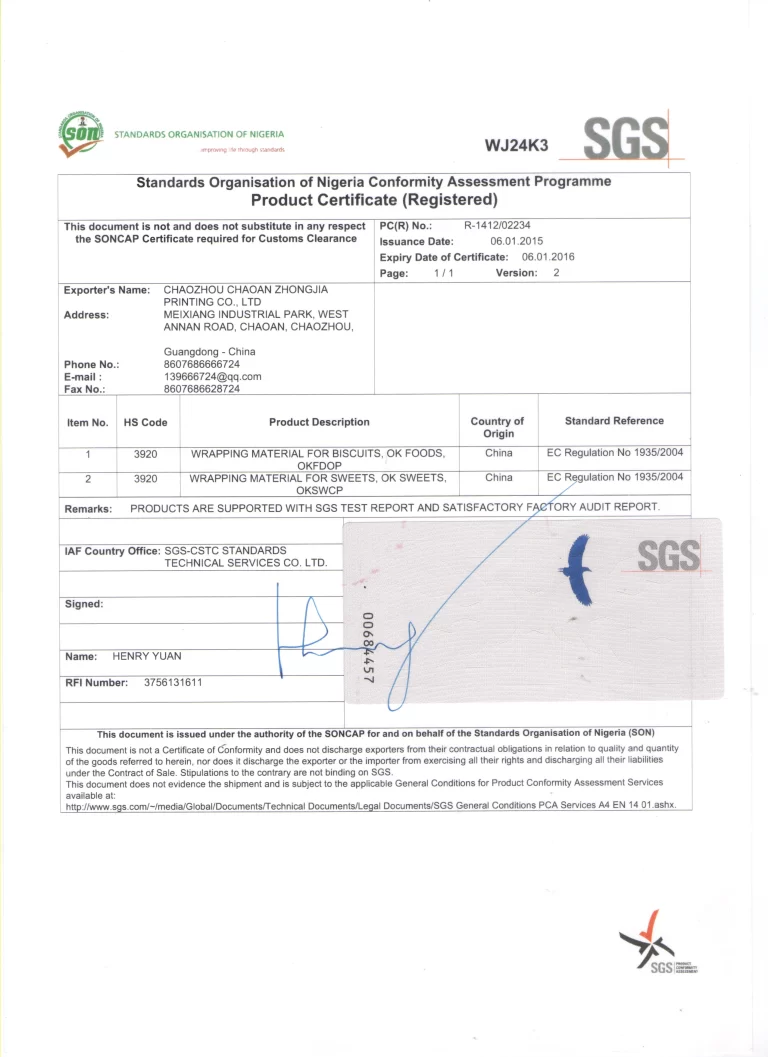
6. Quality certifications
Manufacture under internationally recognized quality management systems with documented inspection procedures.
Pros and Cons of High-Barrier Flexible Packaging
Kelebihan
Longer Shelf Life
Excellent oxygen and moisture protection extends product freshness.
Better Brand Presentation
Premium printing and finishes improve shelf appeal.
Lower Transportation Cost
Flexible packaging weighs less than rigid containers.
High Customization
Supports OEM branding, custom shapes, valves, zippers, and windows.
Kekurangan
Higher Material Cost
Multi-layer laminates cost more than simple films.
Recycling Challenges
Some composite structures are more difficult to recycle than mono-material solutions.
Technical Selection Required
Choosing the wrong structure may lead to unnecessary costs or inadequate protection.
Industry Standards and Authoritative References
When selecting kemasan fleksibel, buyers should also consider internationally recognized standards and regulatory guidance.
Useful references include:
- U.S. FDA guidance for food-contact packaging materials.
- EU Framework Regulation (EC) No. 1935/2004 for materials intended to contact food.
- ISO 9001 Quality Management Systems for manufacturing consistency.
- Packaging performance testing, including Oxygen Transmission Rate (OTR), Moisture Vapor Transmission Rate (MVTR), and seal-strength validation, to ensure packaging meets shelf-life requirements.
FAQ
Q1: What are the best packaging materials for snacks?
High-barrier laminated films such as PET/VMPET/PE are widely used because they protect against moisture and oxygen while maintaining product crispness.
Q2: Is aluminum foil necessary for coffee packaging?
For premium roasted coffee with long shelf-life requirements, aluminum foil laminates combined with one-way degassing valves provide excellent aroma and oxygen protection.
Q3: Which packaging works best for powder products?
High-barrier laminated pouches with strong heat seals and resealable zippers help prevent moisture absorption and leakage.
Q4: How do I choose between metallized film and aluminum foil?
Metallized films offer a good balance between cost and barrier performance, while aluminum foil provides maximum protection for highly sensitive products.
Q5: Can one material structure work for every food product?
No. Different foods have different oxygen, moisture, aroma, grease, and puncture resistance requirements. Packaging should always be customized according to the product profile.
Kesimpulan
Selecting the best packaging materials is a strategic decision that directly impacts product quality, shelf life, transportation performance, and brand competitiveness. Rather than choosing packaging based solely on price, food brands should evaluate barrier performance, product characteristics, filling methods, sustainability goals, and supplier expertise. Working with an experienced packaging manufacturer helps reduce procurement risks, optimize costs, and ensure consistent product quality from production to retail shelf.
Partner with Zhongjia Packaging
Zhongjia Kemasan is a professional flexible packaging manufacturer specializing in environmentally friendly pencetakan dengan tinta berbasis air. We serve more than 40 well-known enterprises worldwide, exporting products to over 20 countries. Equipped with four high-speed production lines, advanced manufacturing equipment, and comprehensive laboratory testing systems, we deliver stable quality and reliable production performance.
Our product range includes stand-up pouches, flat bottom bags, spout pouches, zipper bags, rollstock films, and many other customized flexible packaging solutions for snacks, coffee, powder, candy, daily necessities, and consumer products.
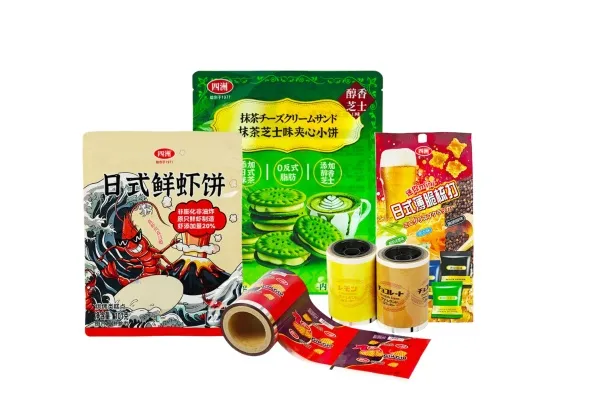
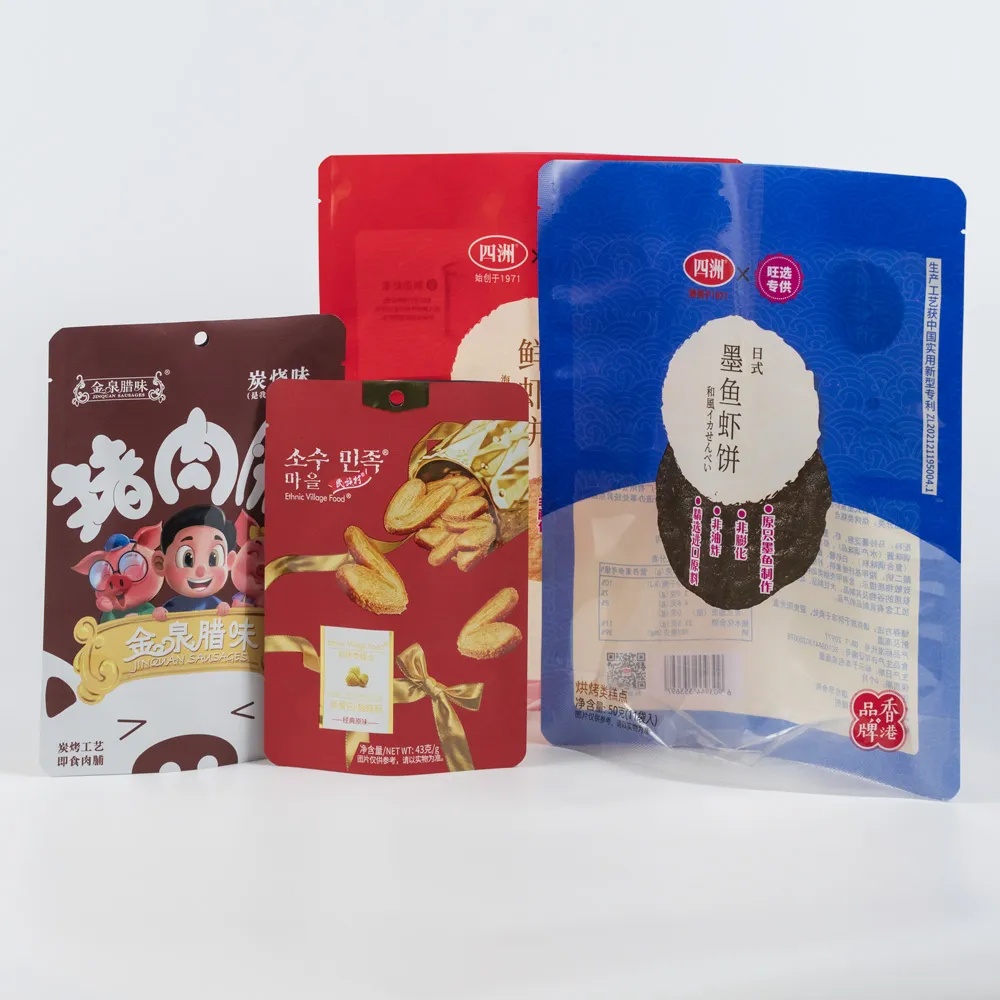
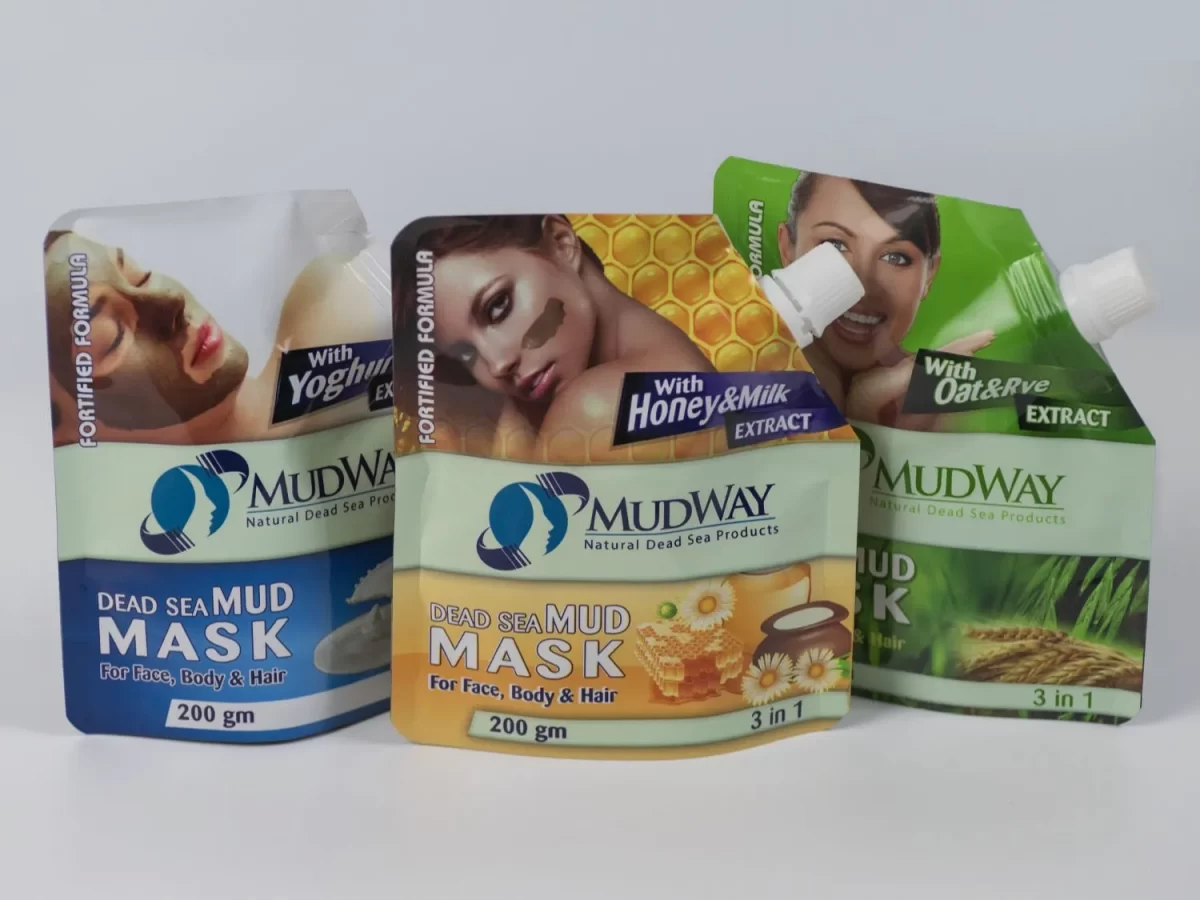
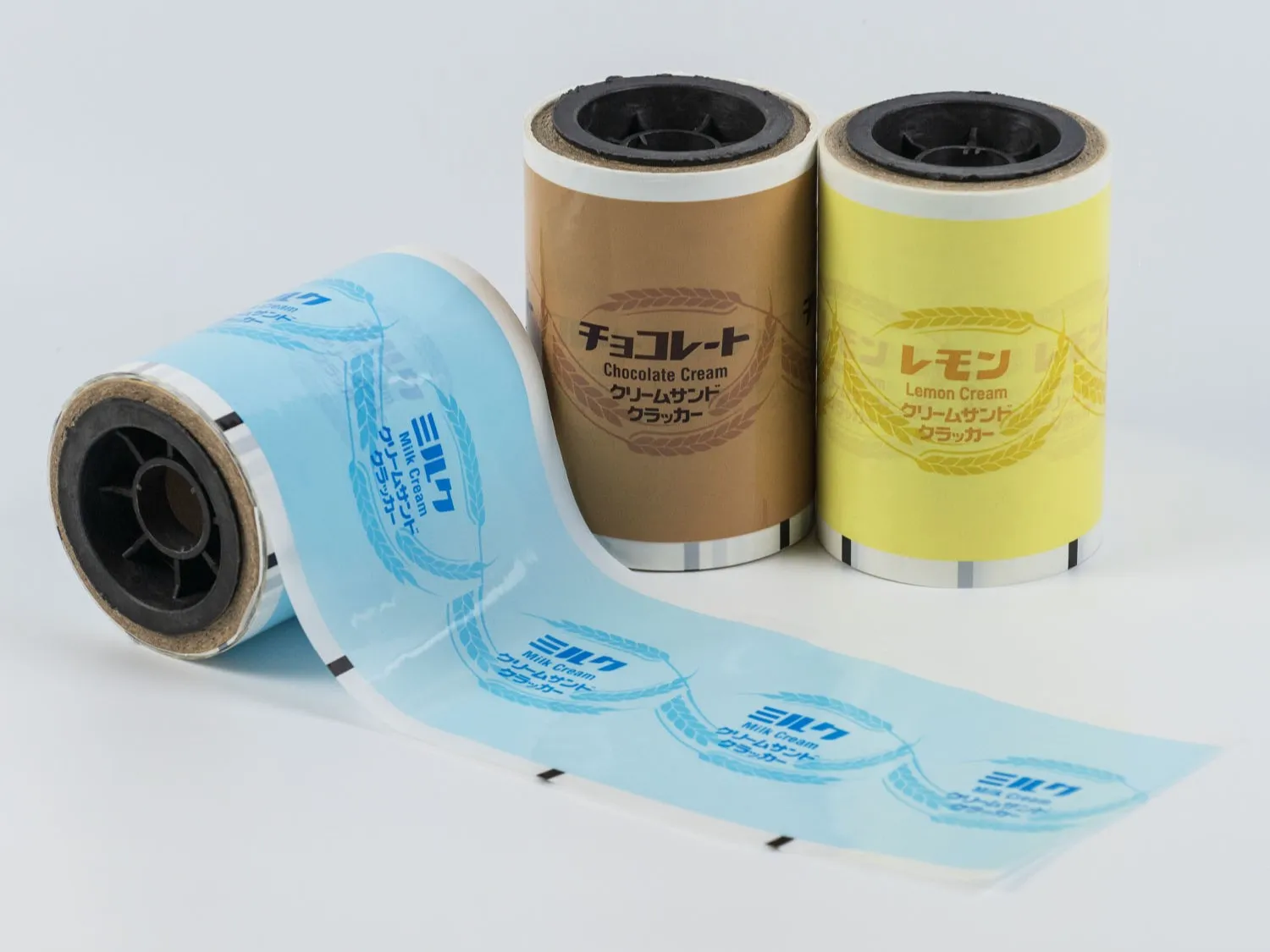
Whether you need OEM packaging development, customized barrier structures, or high-quality printing solutions, Zhongjia Kemasan is ready to become your long-term manufacturing partner. Contact us today to discuss your next packaging project and discover tailored solutions that help your brand succeed.
