



With the global wave of sustainable development, the EU’s newly introduced PPWR packaging regulation is profoundly reshaping international rules for emballages alimentaires. For brands and suppliers exporting to the European market, future emballages alimentaires will no longer be limited to product protection and aesthetics, but must also meet comprehensive standards in recyclability, material efficiency, and environmental protection throughout its entire lifecycle. Zhongjia Packaging, leveraging advanced water-based ink printing technology and customized solutions d'emballage flexible, is committed to assisting global clients in optimizing packaging structures, improving recycling compatibility, efficiently responding to EU regulatory changes, and building a green supply chain with international competitiveness.
What Is the PPWR Packaging Regulation?
Le PPWR packaging regulation refers to the European Union’s Packaging and Packaging Waste Regulation, which aims to create unified packaging sustainability standards across EU member states.
.webp)
Unlike previous packaging directives, the new regulation establishes clearer and more consistent requirements for:
- Packaging recyclability
- Waste reduction
- Recycled content
- Packaging minimization
- Reuse systems
- Sustainable material choices
The goal is to reduce the environmental impact of packaging throughout its entire lifecycle.
According to the European Commission, the regulation is part of the EU Green Deal strategy and supports the transition toward a circular economy by improving packaging sustainability and reducing unnecessary waste.
Why Food Packaging Suppliers Need to Pay Attention
Food packaging suppliers play a critical role in helping brands achieve compliance.
Le PPWR packaging regulation affects not only packaging manufacturers but also:
- Food producers
- Brand owners
- Retailers
- Importers
- Distributors
Packaging decisions made during product development can influence:
- Compliance costs
- Market access
- Consumer perception
- Recycling performance
For example, a packaging structure that performs well in product protection but is difficult to recycle may face challenges in future EU markets.
Therefore, suppliers need to develop packaging solutions that balance:
- Sécurité alimentaire
- Shelf-life protection
- Manufacturing efficiency
- Sustainability requirements
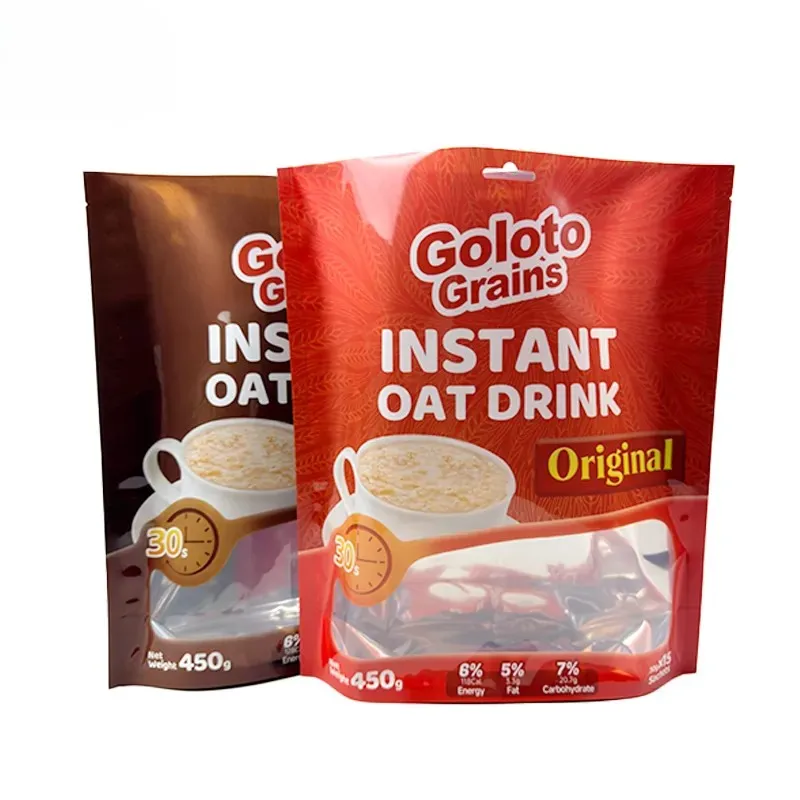
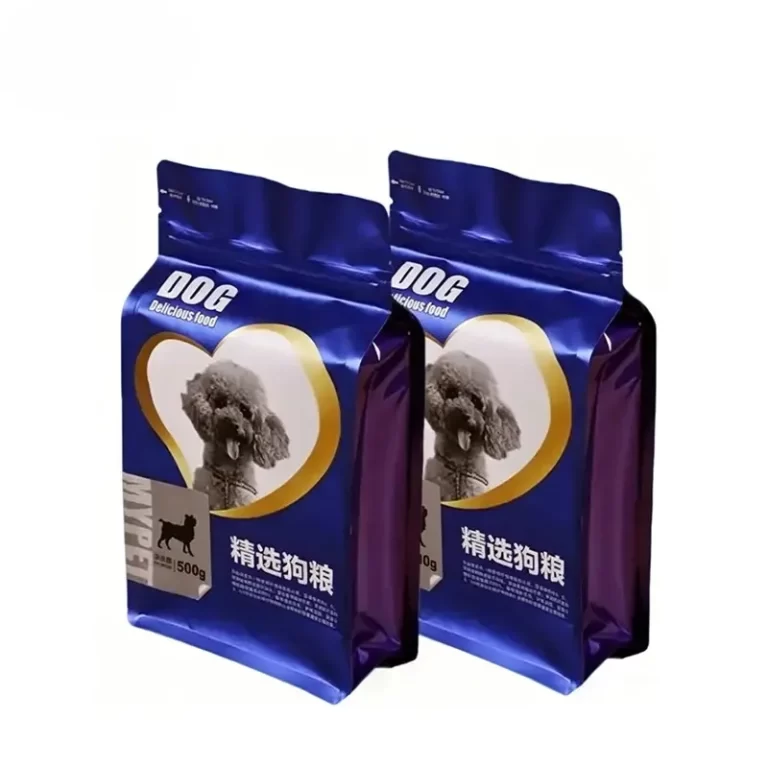
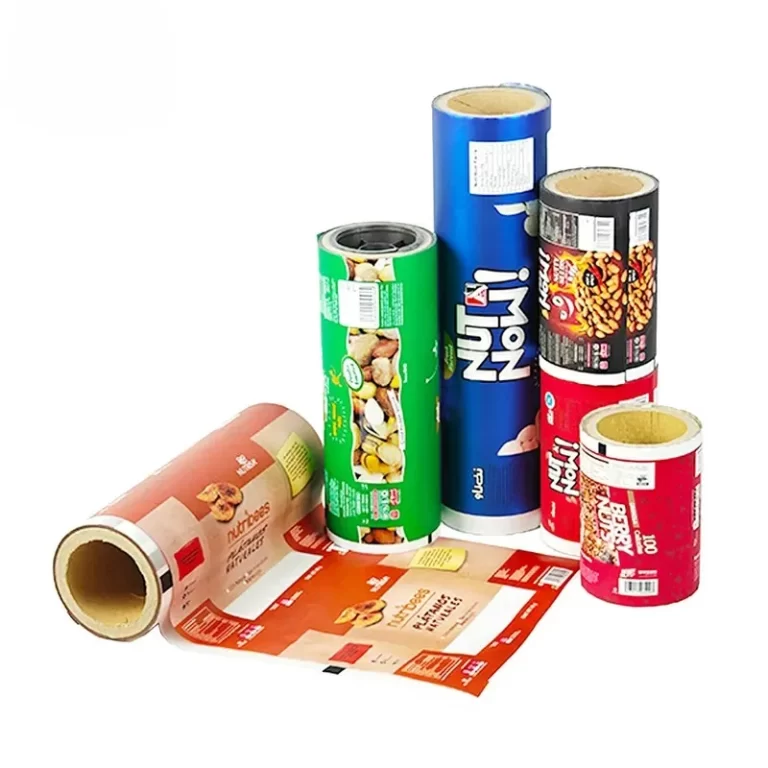
Key Requirements of PPWR Packaging Regulation for Food Packaging
1. Improved Packaging Recyclability
One of the most important goals of the PPWR packaging regulation is increasing recyclable packaging adoption.
Food packaging suppliers should evaluate:
- Material compatibility
- Layer structures
- Recycling processes
- Packaging components
Traditional multi-layer flexible packaging may require optimization to improve recycling compatibility.
Manufacturers need to consider material selection at the design stage instead of making changes after production.
2. Reduction of Excess Packaging
The regulation encourages companies to reduce unnecessary packaging volume and material usage.
Suppliers should focus on:
- Lightweight packaging designs
- Efficient material usage
- Optimized bag structures
- Reduced packaging waste
For brands, reducing packaging material can also improve transportation efficiency and lower logistics costs.
3. Sustainable Printing and Decoration Solutions
Printing technology is another important consideration.
Food packaging suppliers should explore environmentally responsible printing methods that maintain product appearance while supporting sustainability goals.
For example, Impression à l'encre à base d'eau offers advantages including:
- Reduced volatile organic compound emissions
- Improved environmental performance
- Suitable application for various flexible packaging products
.webp)
Zhongjia Packaging se spécialise dans technologie d'impression à base d'encre à base d'eau to provide packaging solutions aligned with changing market expectations.
4. Better Packaging Material Management
The PPWR packaging regulation encourages companies to consider the complete packaging lifecycle.
Suppliers should evaluate:
- Raw material sourcing
- Efficacité de la production
- Recycling potential
- Waste management
A professional packaging partner can help brands select appropriate material structures according to product requirements and market regulations.
How Food Packaging Suppliers Can Prepare for PPWR Compliance
Step 1: Review Current Packaging Structures
The first step is conducting a packaging assessment.
Companies should review:
- Current materials
- Layer combinations
- Méthodes d'impression
- Recycling possibilities
Identifying potential compliance risks early allows suppliers to develop improvement plans.
Step 2: Invest in Sustainable Packaging Development
Future packaging competitiveness will depend on innovation.
Suppliers should explore:
- Recyclable flexible packaging
- Reduced-material structures
- Improved barrier films
- Environmentally friendly printing technologies
Sustainable packaging is becoming a key factor in purchasing decisions.
Step 3: Strengthen Supplier Collaboration
Compliance requires cooperation across the supply chain.
Food brands should work closely with packaging manufacturers that understand:
- EU regulations
- Material technology
- Production requirements
- Export standards
A reliable supplier can provide technical recommendations and customized solutions.
Step 4: Improve Quality Control Systems
Sustainable packaging must also maintain product performance.
Food packaging suppliers should continue monitoring:
- Résistance du joint
- Barrier performance
- Printing quality
- Material stability
Compliance should never compromise food safety.
Pros and Cons of PPWR Packaging Regulation
Avantages
Encourages Sustainable Innovation
The regulation pushes companies to develop better packaging solutions with improved environmental performance.
Creates Clear Market Standards
Unified EU requirements help businesses understand compliance expectations.
Improves Consumer Confidence
Sustainable packaging can strengthen brand reputation among environmentally conscious customers.
Reduces Long-Term Environmental Impact
Better recycling systems and reduced waste contribute to a more sustainable packaging industry.
Inconvénients
Higher Development Costs
Companies may need to invest in new materials, technologies, and testing processes.
Requires Supply Chain Adjustment
Packaging suppliers and brands need closer cooperation to meet new requirements.
More Complex Compliance Management
Businesses must monitor changing regulations and documentation requirements.
Although compliance may require additional investment, companies that prepare early can gain stronger competitiveness in the European market.
FAQ About PPWR Packaging Regulation
Q1: What is the PPWR packaging regulation?
The PPWR packaging regulation is an EU regulation designed to reduce packaging waste, improve recyclability, and promote sustainable packaging systems.
Q2: How does PPWR affect food packaging suppliers?
It requires suppliers to consider packaging recyclability, material efficiency, sustainable design, and environmental impact when developing packaging solutions.
Q3: Does PPWR ban flexible packaging?
No. Flexible packaging can continue to be used, but suppliers need to improve material selection, recyclability, and sustainability performance.
Q4: How can food brands prepare for PPWR compliance?
Brands should review current packaging structures, cooperate with experienced suppliers, and develop solutions that meet future sustainability requirements.
Q5: Why should companies work with professional packaging manufacturers?
Experienced manufacturers can provide technical guidance, customized solutions, and quality control support to help brands adapt to regulatory changes.
Conclusion
The development of the PPWR packaging regulation represents a significant shift in the global packaging industry. Sustainability is becoming a core requirement alongside functionality, cost, and design.
Pour food packaging suppliers, the future opportunity lies in creating packaging solutions that combine:
- Strong product protection
- Efficient manufacturing
- Sustainable materials
- Recycling compatibility
Companies that prepare early will be better positioned to serve European customers and build stronger market advantages.
Partner with Zhongjia Packaging for EU-Compliant Flexible Packaging Solutions
If you’re planning to export food packaging to Europe and aren’t sure whether your current packaging structures meet future PPWR requirements, our engineering team can review your packaging design and recommend more sustainable material solutions.
Zhongjia Packaging is un fabricant professionnel d'emballages souples specializing in customized packaging solutions and technologie d'impression à base d'encre à base d'eau. We serve more than 40 well-known enterprises and export our products to over 20 countries worldwide.
We manufacture a wide range of flexible packaging products, including stand-up pouches, flat bottom bags, spout pouches, zipper bags, and customized food packaging solutions. With strong manufacturing capabilities and professional technical support, Zhongjia Packaging helps global brands develop packaging that meets product requirements and adapts to evolving sustainability trends.
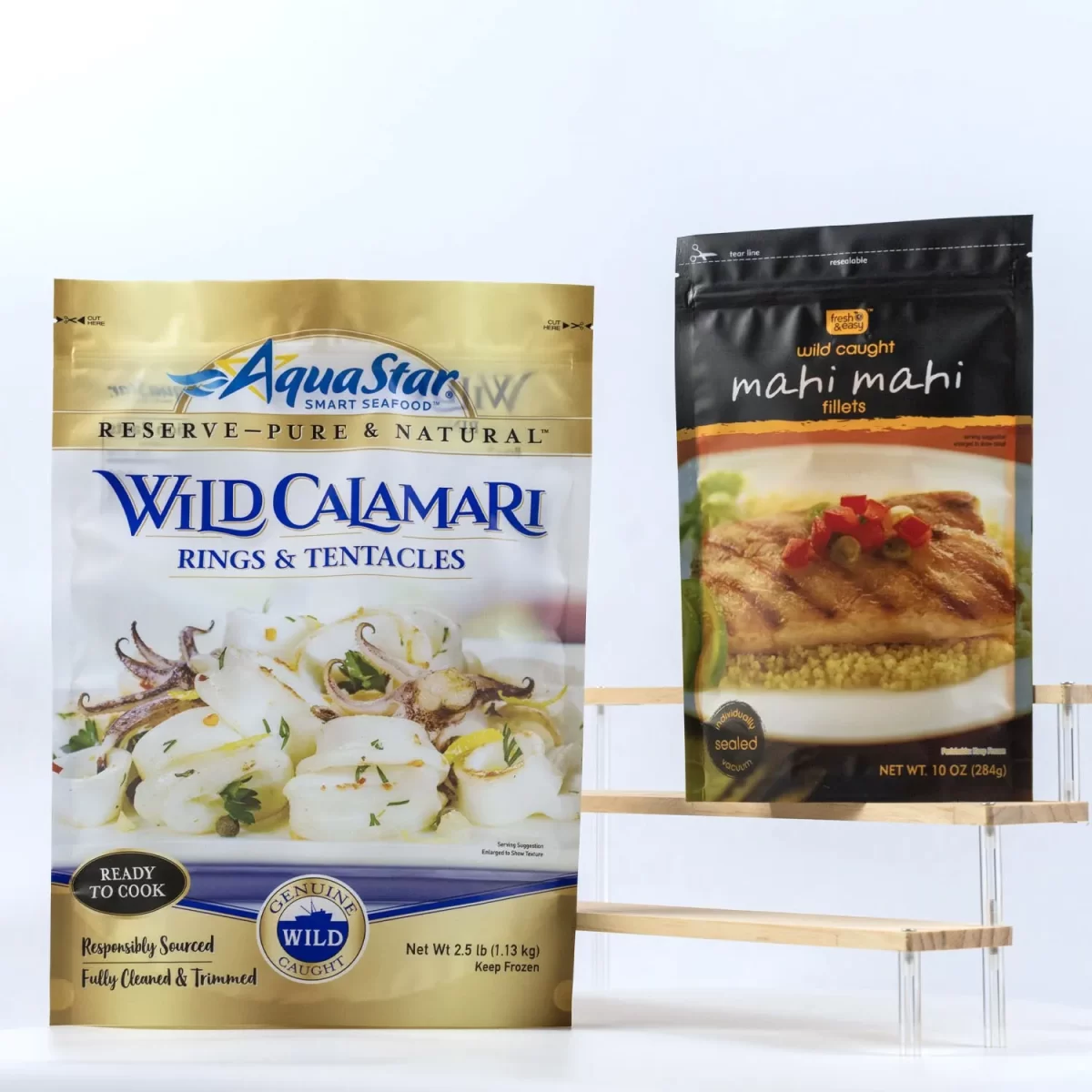
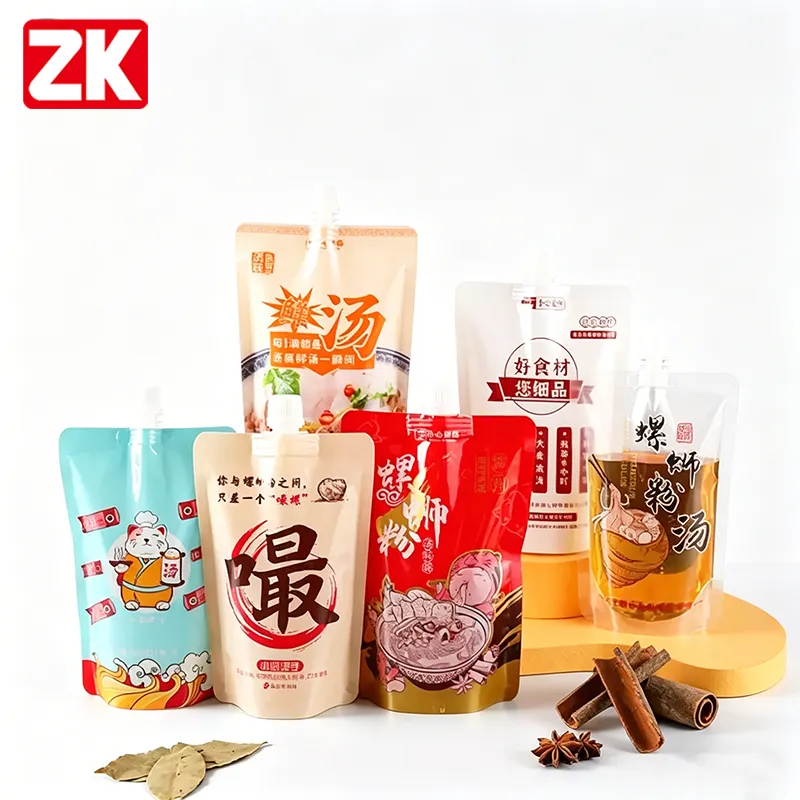
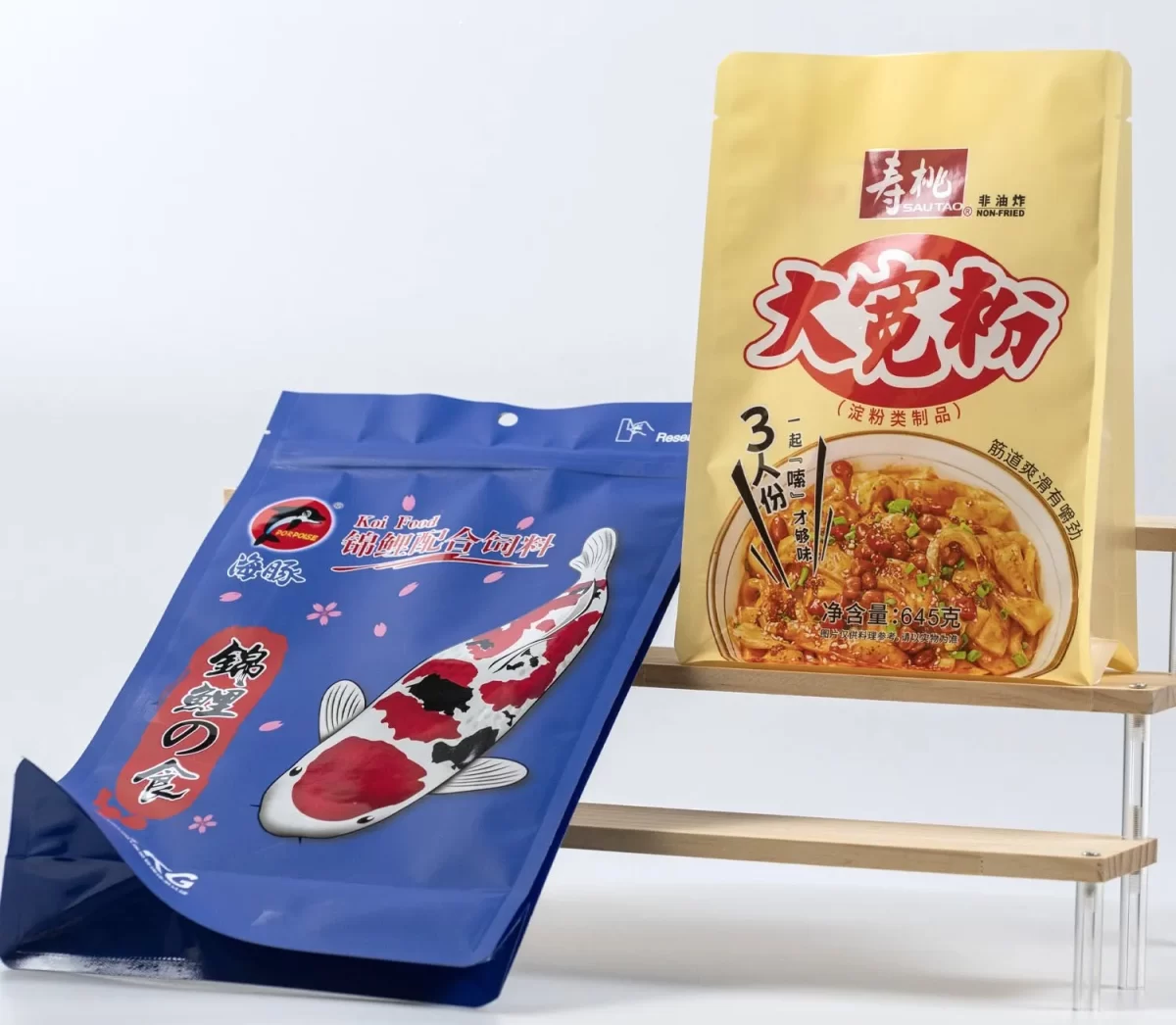
As the PPWR packaging regulation continues to reshape the European packaging market, choosing the right manufacturing partner is essential. Zhongjia Packaging welcomes food brands, importers, and distributors worldwide to contact us and explore customized packaging solutions for future growth.
