



Les marques sous pression pour respecter leurs engagements en matière de développement durable envisagent de plus en plus souvent de s'engager dans une démarche de développement durable. emballage souple mono-matériau comme une voie pragmatique vers la recyclabilité. Mais l'adoption d'un emballage souple mono-matériau pour les produits du monde réel - en particulier les liquides et les snacks à haute barrière - est une décision systémique : la science des matériaux, la capacité de transformation, les lignes de remplissage et l'infrastructure de fin de vie doivent toutes s'aligner.
Dans ce guide, Zhongjia Packaging, un fabricant expert d'emballages flexibles, Il aide les équipes chargées des achats et de l'emballage à déterminer si les solutions monolithiques offrent à la fois des performances et des avantages. emballage durable objectifs.
Mono-matériau signifie-t-il une seule couche du sac d'emballage ?
“Mono-matériau” signifie que l'emballage fini est dominé par une famille de polymères (généralement à base de PE ou de PP), et non qu'il s'agit littéralement d'une seule couche homogène.
Les constructions pratiques utilisent des coextrusions, des couches barrières encapsulées dans la même famille de polymères, ou des revêtements de surface à haute barrière qui rendent le sachet compatible avec les flux de recyclage locaux. L'objectif est simple : rendre le sachet acceptable pour les systèmes de tri et de retraitement existants afin que les produits de la marque puissent être recyclés. emballage durable sont crédibles.
Quand l'emballage flexible mono-matériau est une bonne approche
Les solutions mono fonctionnent mieux lorsque les exigences fonctionnelles sont modérées et que le flux de recyclage accepte le polymère :
- Durée de conservation à température ambiante courte à modérée (jours → mois).
- Teneur en huile faible à modérée et produits non gazeux.
- Climats de distribution contrôlés (chaîne du froid ou temps de transit limité).
- Marchés dotés d'une infrastructure de recyclage du PE ou du PP.
Si vous visez une longue durée de conservation à température ambiante pour des sauces grasses ou des applications d'autoclave, les complexes multicouches traditionnels (film, VMPET) restent plus performants que les complexes monocouches en termes de barrière - il faut donc tester avant de s'engager.
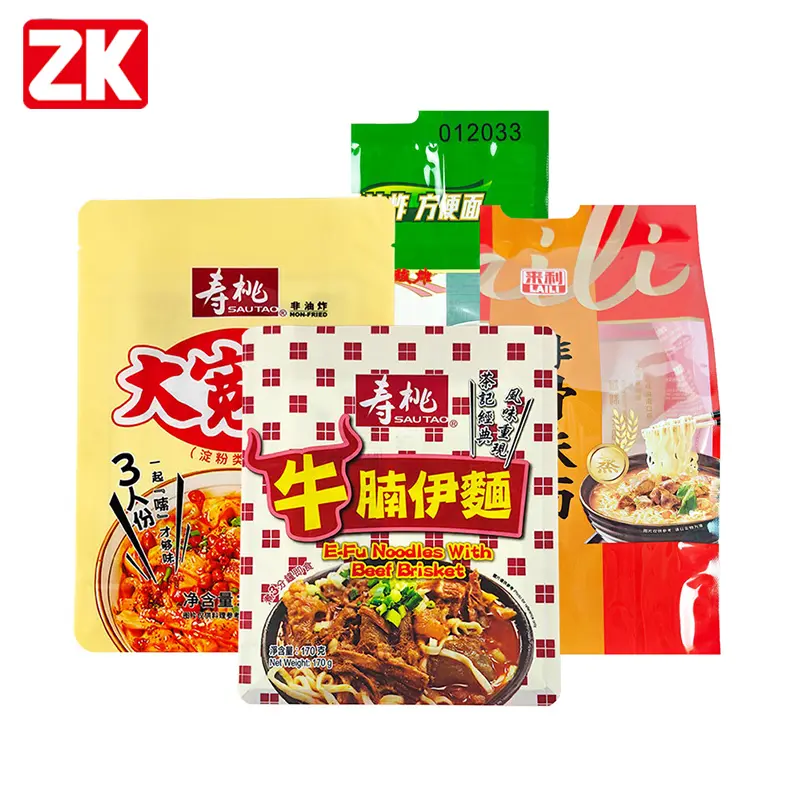
Compromis d'ingénierie : Réalités des barrières et des joints d'étanchéité
Les acheteurs doivent aller au-delà des termes de marketing et insister sur les chiffres. Demandez aux fournisseurs des données MVTR et OTR par lot dans des conditions RH/T réalistes. Les architectures monocouches courantes (PE/EVOH/PE ou PE avec revêtement barrière) peuvent approcher la barrière des films multicouches - mais l'EVOH est sensible à l'humidité et les revêtements peuvent nécessiter des précautions supplémentaires lors de la manipulation.
Le scellage est tout aussi crucial. Les films mono modifient la fenêtre thermique pour des scellages à chaud fiables. Validez la force du scellage (N/15mm), les tests d'éclatement et le scellage à grande vitesse sur vos produits de remplissage réels. Un scellage faible est le chemin le plus rapide pour passer d'une victoire en matière de développement durable à un rappel de la marque.
Coût total de possession (TCO) - Le développement durable doit être rentable sur le plan opérationnel
Le monomatériau peut réduire les pénalités de fin de vie, mais il n'est pas automatiquement moins cher à produire. Les coûts doivent être modélisés :
- Primes pour films et revêtements (MDO-PE, revêtements à effet barrière).
- Frais de validation des lignes et des essais pilotes en petits lots.
- Perte de rendement potentielle pendant la rampe (problèmes de scellage, enregistrement de l'impression).
- MOQ et gestion des stocks pour garantir les lots de films adéquats.
- Les frais de REP ou le risque de déréférencement des détaillants sont évités, ce qui constitue un réel avantage.
Comparez les fournisseurs sur la base du coût total de possession (TCO) et non du seul prix unitaire.
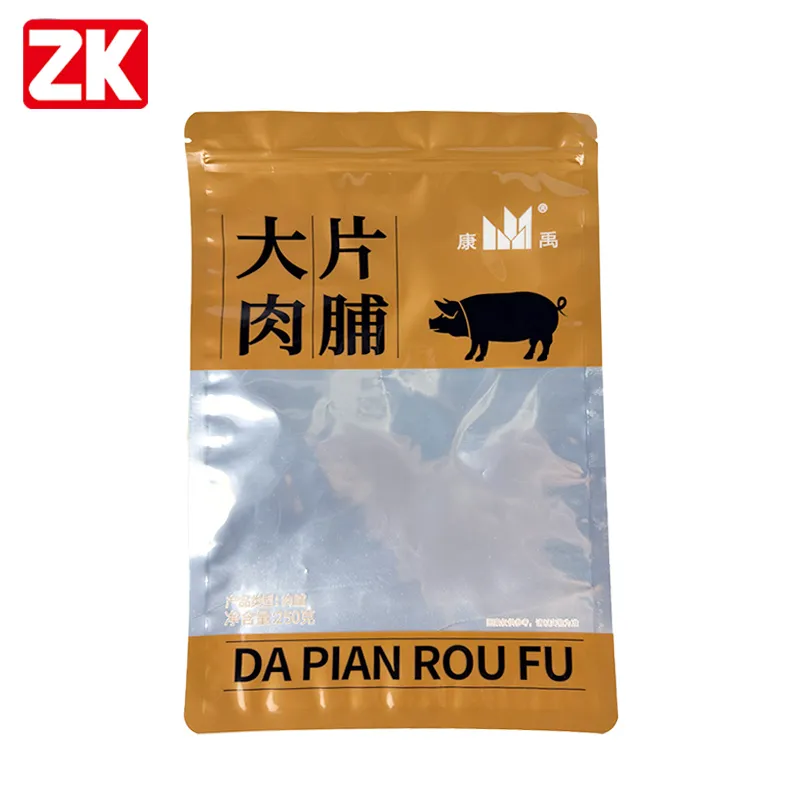
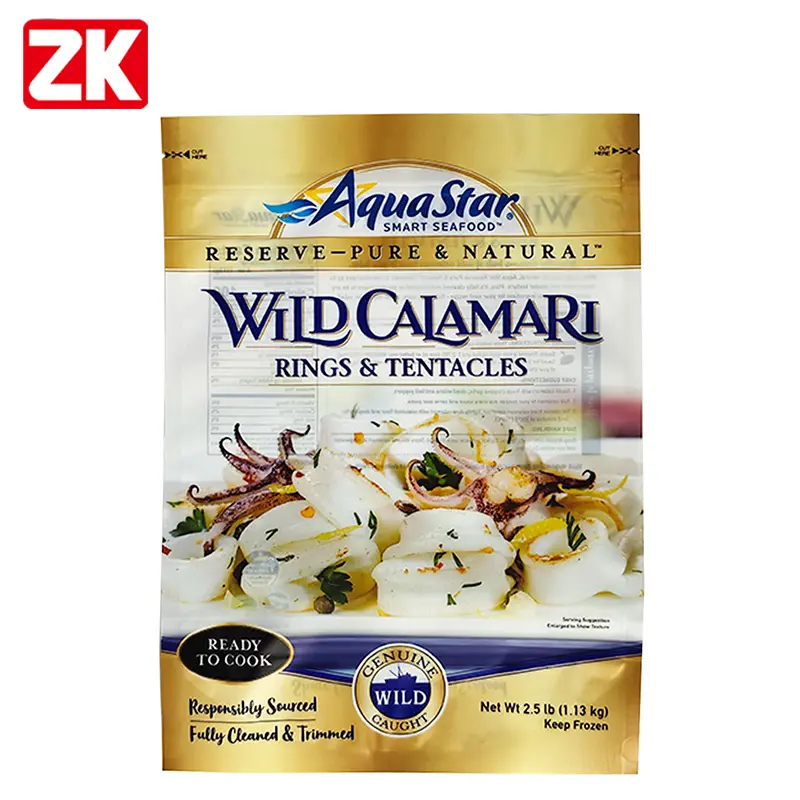
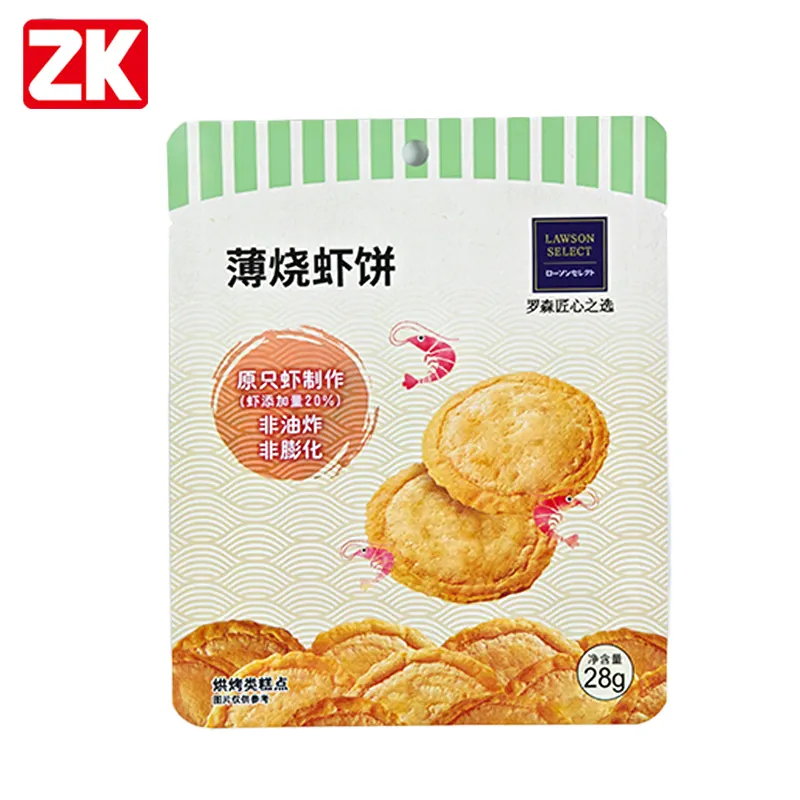
L'impression d'encre à base d'eau - un levier de durabilité complémentaire
L'impression avec des encres à base d'eau réduit les COV des solvants et simplifie souvent l'entretien de la salle de presse. Lorsqu'elles sont associées à des encres à base d'eau, les encres à base d'eau emballage souple mono-matériau, Les systèmes à base d'eau peuvent renforcer votre démarche de développement durable :
- Réduction des émissions de composés organiques volatils au niveau du convertisseur.
- Réduire les résidus de solvants qui peuvent causer des problèmes d'odeur ou de migration.
- Faciliter le nettoyage des presses et réduire les flux de déchets dangereux.
Mise en garde importante : pour les sachets à contact alimentaire ou à impression inversée, n'utilisez que des encres à base d'eau certifiées à faible migration pour le substrat et le processus de laminage prévus. Exigez des déclarations de conformité et des tests organoleptiques liés au lot exact de laminé.
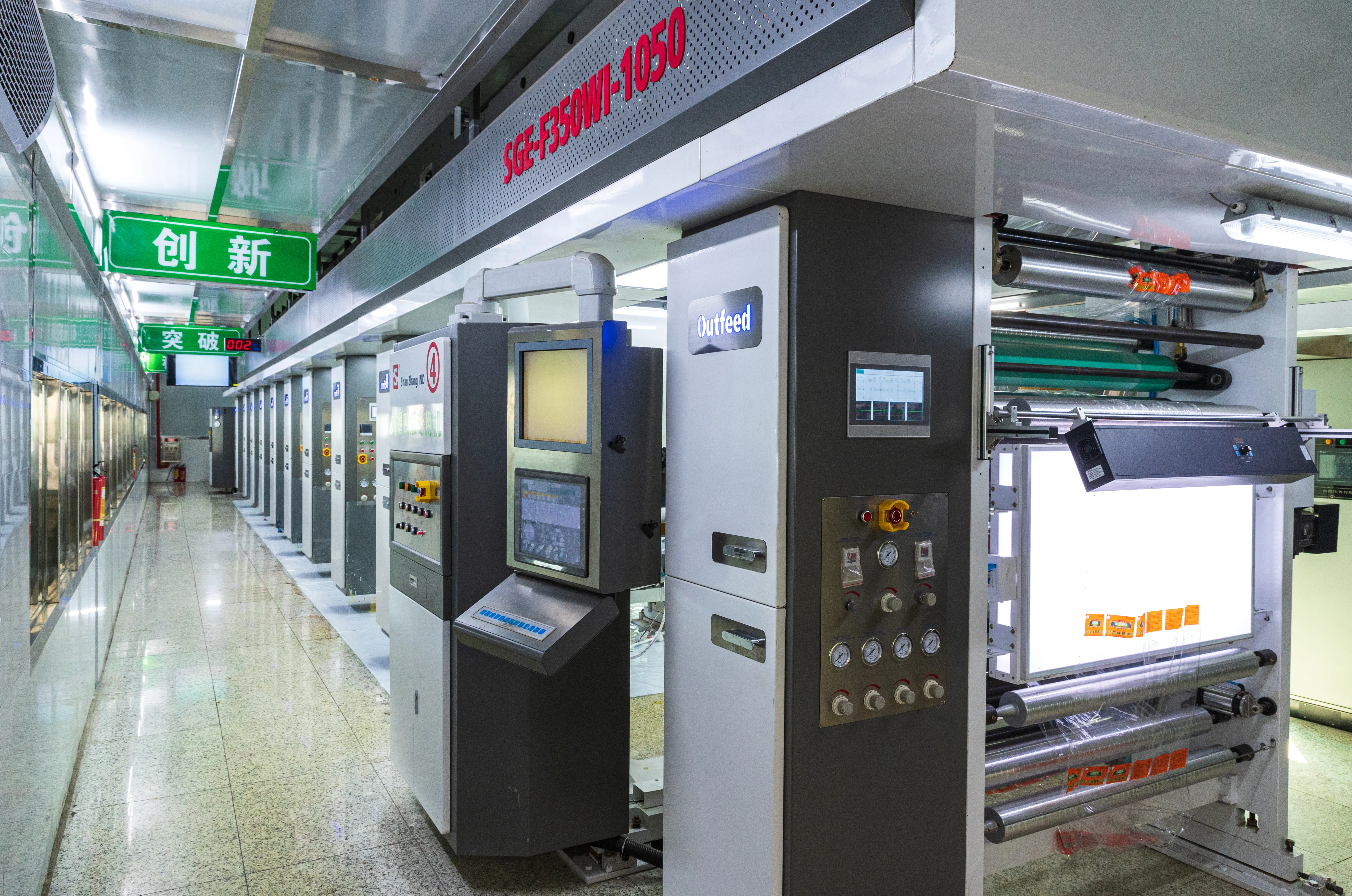
Liste de contrôle pratique pour les fournisseurs
Exiger ces résultats de la part de tout fournisseur mono-matériau :
- Pochette finie MVTR/OTR les rapports d'essai avec les conditions d'essai et l'accréditation du laboratoire.
- Données sur la résistance du joint, l'éclatement et les essais de chute provenant d'essais pilotes sur votre remplisseuse ou sur une ligne OEM validée.
- Pack de conformité complet : DoC pour les films, les encres (y compris les systèmes à base d'eau), les adhésifs et les tests de migration le cas échéant.
- Preuve que la poche + l'accessoire (bec/capuchon) entrent dans un flux de recyclage reconnu sur le marché cible.
- Politique de conservation des échantillons, contrôle des modifications et accords de niveau de service pour les substitutions de matériaux.
- Ventilation du coût total de possession (TCO), y compris la mise au rebut prévue pour %, les coûts du projet pilote et les cycles de validation supplémentaires.
Feuille de route pour la mise en œuvre - Comment les acheteurs réduisent les risques d'adoption
- Commencez par une démonstration de faisabilité sur une unité de vente : des objectifs clairs et précis en matière de MVTR/OTR et d'étanchéité, menez un petit projet pilote et testez les conditions logistiques et de mise en rayon sur le marché.
- Paralléliser les tests : panneaux organoleptiques, vieillissement accéléré à un taux d'humidité approprié et simulation de la distribution complète (empilage, chute, vibration).
- Envisagez un déploiement progressif : mono pour les produits réfrigérés ou à courte durée de vie dans un premier temps, puis extension au fur et à mesure que les flux de recyclage et les capacités des fournisseurs s'avèrent cohérents.
- Utilisez des encres à base d'eau pour l'impression de la bande extérieure ou des constructions à impression inversée où la migration est contrôlée, et obtenez une certification pour les zones à risque de contact avec les aliments.
Règle empirique de décision
Choisir emballage souple mono-matériau lorsque les besoins de barrière et d'étanchéité de votre produit peuvent être satisfaits par des constructions à base de PE/PP, lorsque les flux de recyclage locaux acceptent le polymère et lorsque la validation pilote montre des rendements stables à l'échelle. Si l'une de ces conditions n'est pas remplie, préférez les approches hybrides (contenu recyclé, allègement, programmes de reprise) jusqu'à ce que la technologie ou l'infrastructure rattrape son retard.
Conclusion
Déplacement vers emballage souple mono-matériau n'est pas un acte d'écoblanchiment - c'est un programme technique. Pour réussir, il faut des objectifs mesurables, des performances de scellage validées, des preuves crédibles de recyclage et une attention particulière à la chimie des presses (y compris l'utilisation responsable de l'impression d'encre à base d'eau). Lorsque les marques traitent l'adoption du mono comme une ingénierie plus une exécution de la chaîne d'approvisionnement, emballage durable devient à la fois vérifiable et commercialement viable.
A propos de Zhongjia Packaging
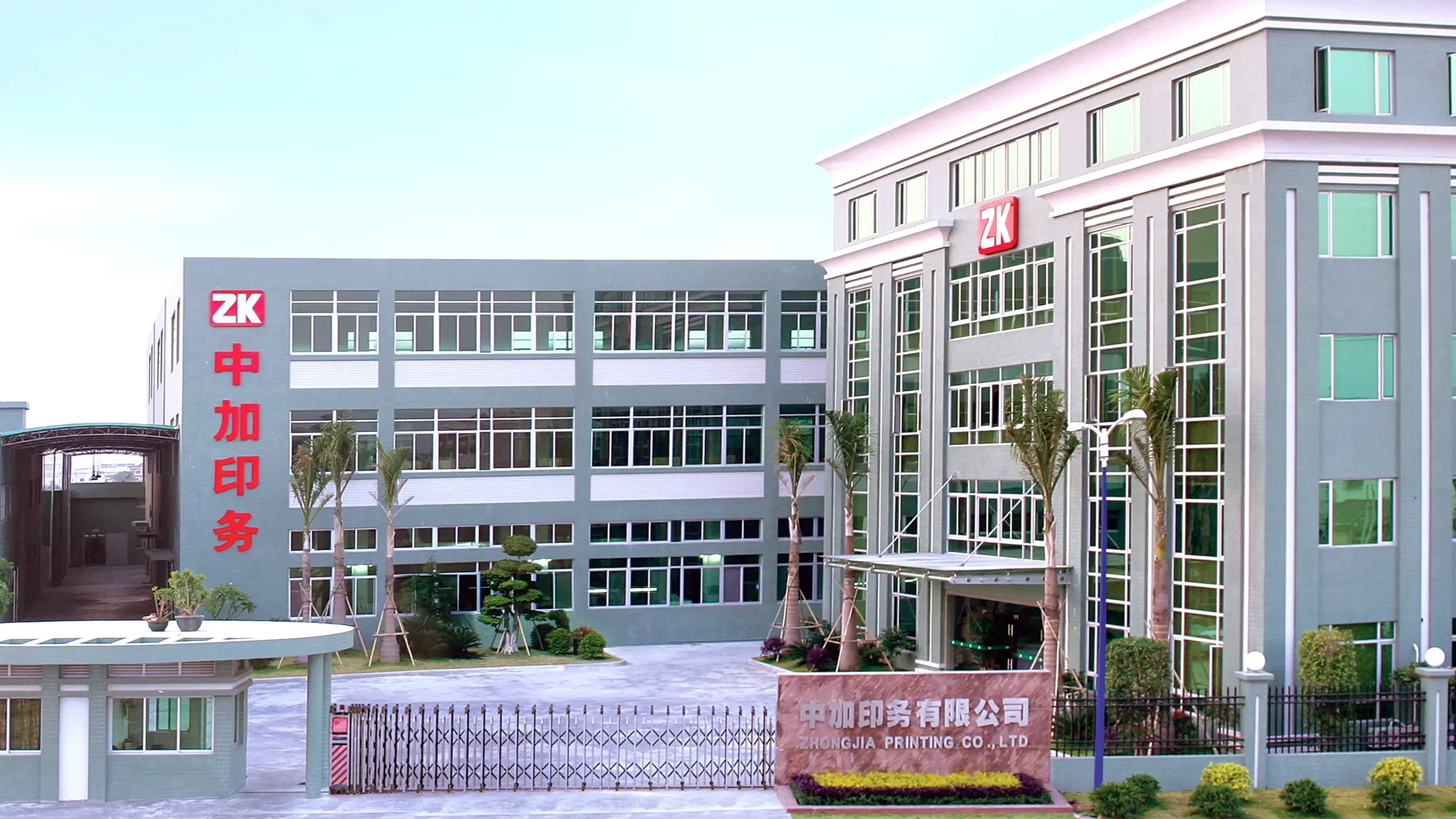
Zhongjia Packaging est un fabricant professionnel d'emballages flexibles au service des propriétaires de marques et des acheteurs d'emballages grâce à une production stable et reproductible. Au-delà de la production sacs d'emballage flexibles personnalisés, Nous sommes spécialisés dans la technologie d'impression à base d'encre à base d'eau, ce qui permet aux clients de réduire l'impact des COV tout en maintenant la clarté de l'impression et les normes de conformité aux normes alimentaires.
Zhongjia Packaging soutiens solutions d'emballage flexible sur mesure avec des structures, des tailles et des illustrations personnalisées, y compris des solutions mono-matériau et laminées de haute performance pour des emballages prêts à être vendus au détail. Grâce à l'impression contrôlée et à la stricte cohérence des lots, notre usine est positionnée pour des programmes d'approvisionnement à long terme où la stabilité des couleurs, la fiabilité des délais et l'évolutivité de la production comptent autant que les revendications en matière de développement durable.
