



Pourquoi les sacs que nous utilisons au quotidien ont-ils des fonctions anti-chute, de résistance à la perforation et de conservation aussi fortes ?
Grâce au processus de laminage d'un sac d'emballage souple, vous constaterez que presque tous les sacs sont composés de plusieurs couches de structure, et que chaque couche de structure a sa propre signification. Par exemple, le BOPP a de bonnes propriétés de barrière, le VMPET a de bonnes propriétés de protection contre la lumière, le PE a une bonne résistance à la perforation, etc.
Une question se pose : comment la connexion peut-elle être si étroite qu'elle puisse protéger les choses à l'intérieur ?
Nous nous associons à Zhongjia Printing, une imprimerie de fabricant expert d'emballages flexibles, pour connaître la réponse !
Qu'est-ce que le pelliculage ?
Le pelliculage est l'une des parties les plus importantes de l'impression d'emballages souples, qui peut sérieusement affecter la fonctionnalité et l'esthétique de l'emballage. Tout problème lié au processus de pelliculage entraîne des pertes considérables. Souvent, les problèmes liés au compoundage sont difficiles à détecter avant que le produit ne soit utilisé. Il est donc nécessaire de procéder à des essais avant de quitter l'usine, et ces essais doivent répondre aux exigences de performance du produit avant de quitter l'usine.
Comment cela fonctionne-t-il ?
En termes simples, il s'agit d'utiliser de la colle liquide pour coller deux couches de film l'une à l'autre. Après durcissement et séchage, la colle devient solide. À ce stade, la résistance des deux couches de film est très élevée et il est très difficile de les décoller
4 Procédés de pelliculage courants
Procédé de pelliculage à sec
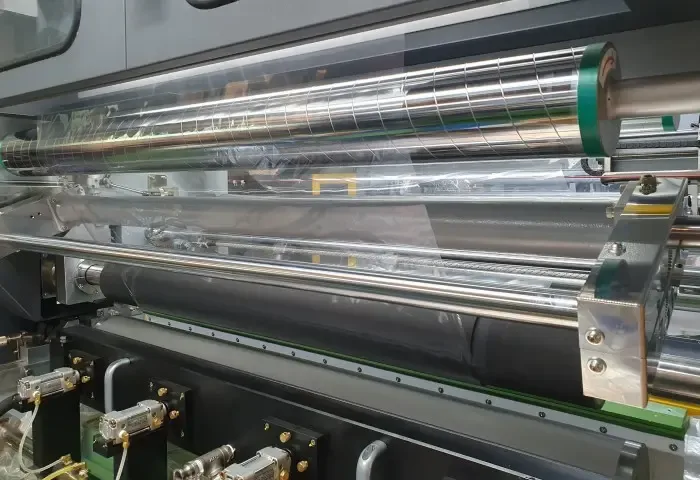
Il utilise un adhésif composé d'un agent principal et d'un agent de durcissement, dilués avec de l'acétate d'éthyle comme solvant. L'agent principal et l'agent de durcissement sont dilués séparément dans l'acétate d'éthyle, puis combinés et agités. Un rouleau anilox à haute maille applique uniformément l'adhésif sur le film, et un four évapore d'abord l'acétate d'éthyle. Après durcissement, l'adhésif se solidifie complètement, complétant ainsi le processus de laminage.
Procédé de pelliculage sans solvant
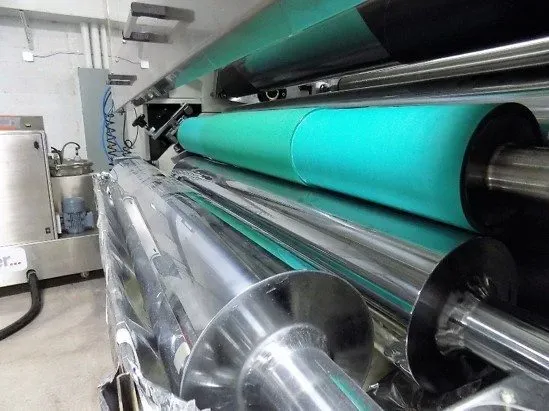
Le pelliculage sans solvant utilise un adhésif (agent principal + agent de durcissement) qui est automatiquement mélangé et distribué par une machine. Un rouleau en caoutchouc étale uniformément l'adhésif sur le film. Contrairement au pelliculage à sec, le pelliculage sans solvant ne nécessite pas d'évaporation dans le four. Après le durcissement, l'adhésif se solidifie complètement, ce qui termine le pelliculage.
Processus de laminage des adhésifs à base d'eau
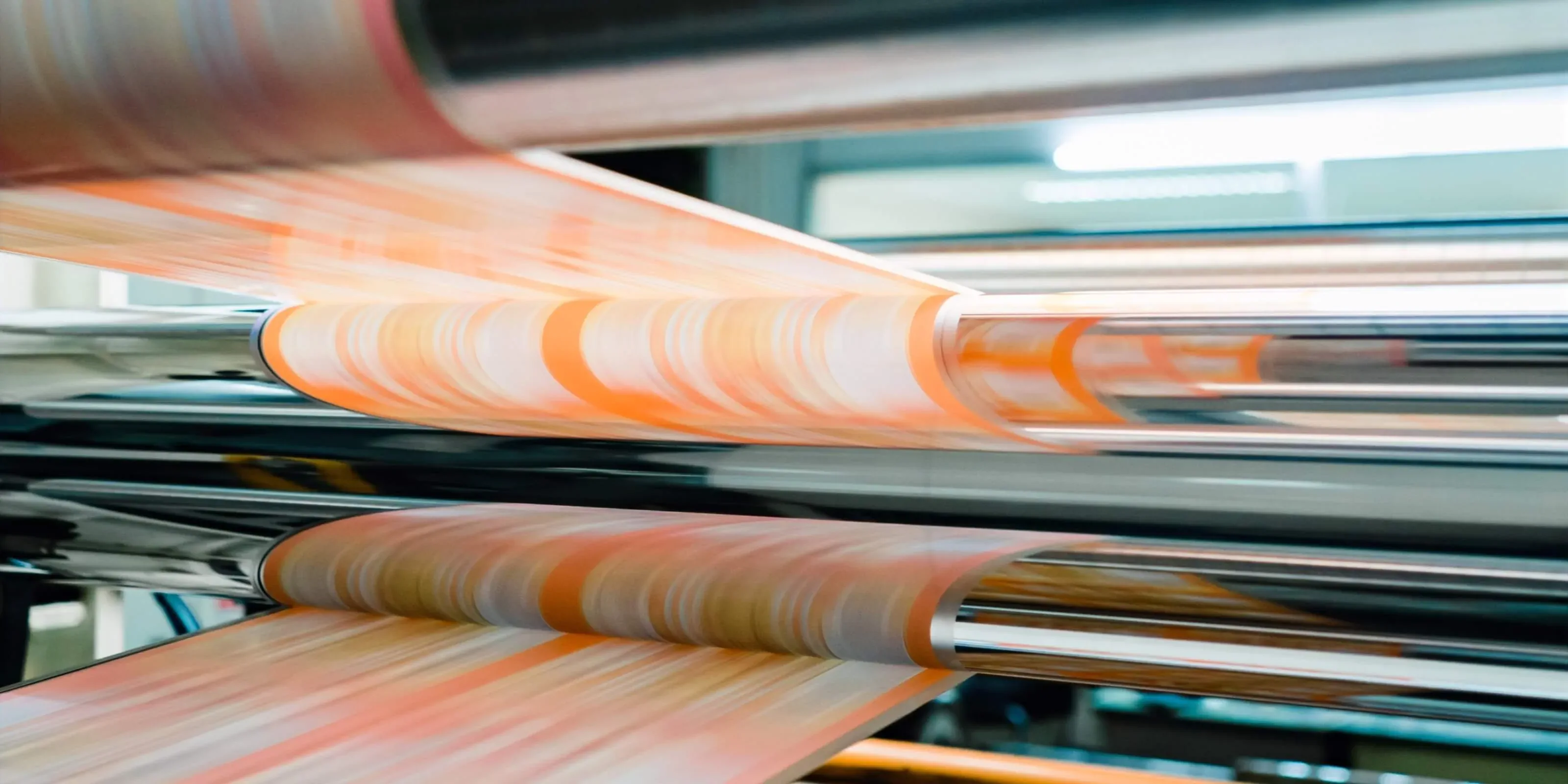
Ce procédé utilise un adhésif (agent principal + agent de durcissement) dilué avec de l'eau distillée comme solvant. Les agents sont dilués séparément avec de l'eau, combinés et mélangés. Un rouleau anilox à haute maille applique l'adhésif et un four évapore d'abord l'humidité. Après durcissement, l'adhésif se solidifie, complétant ainsi le pelliculage.
Extrusion Enrobage Laminage
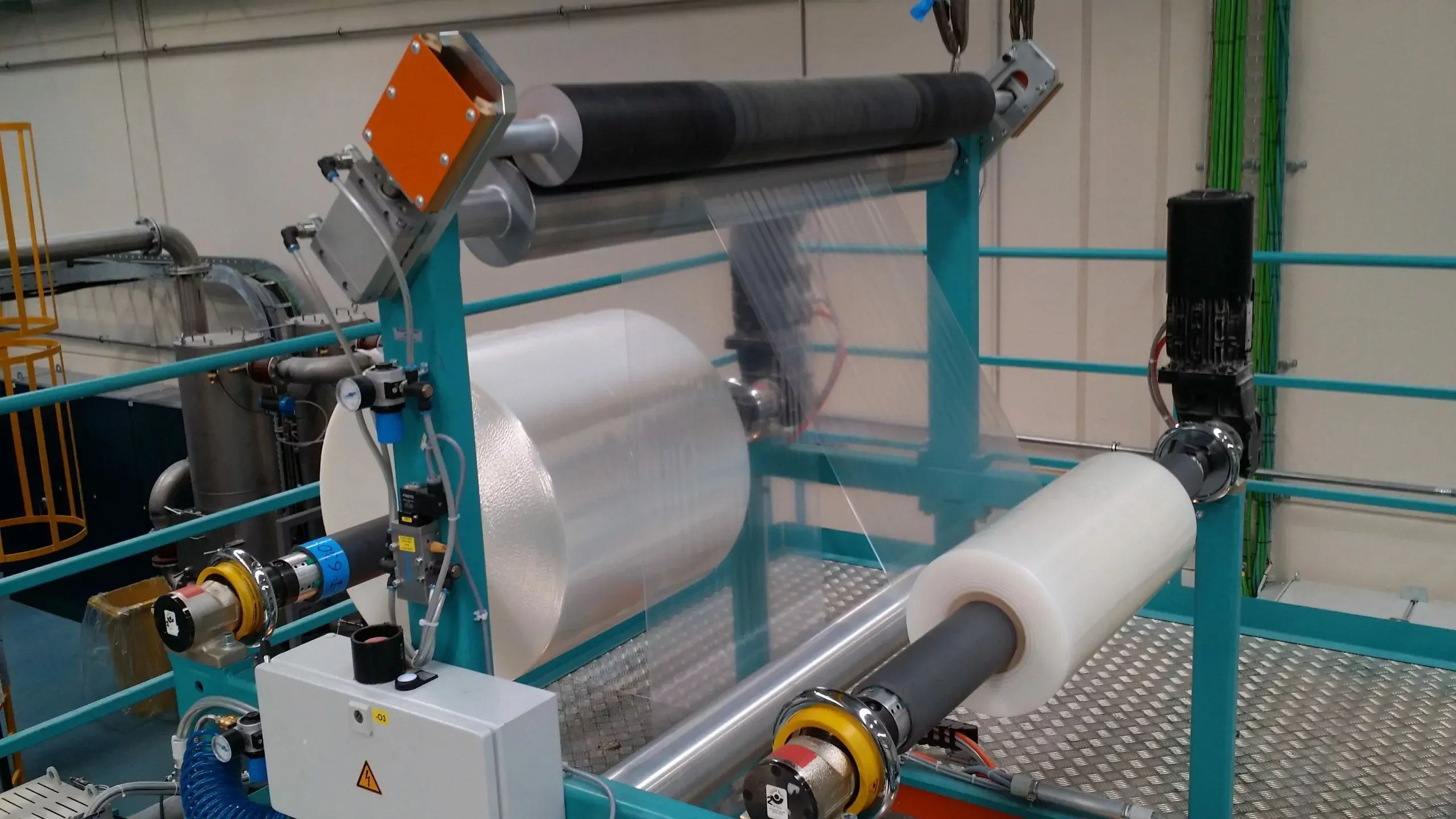
Contrairement aux trois précédents, l'enduction par extrusion utilise des granulés de PE. Ceux-ci sont fondus en PE liquide à l'aide d'une machine, puis enduits uniformément sur le film à l'aide d'un rouleau d'extrusion. Enfin, le refroidissement solidifie le PE, concluant ainsi le processus.
Conclusion
Il s'agit des quatre procédés traditionnels de fabrication des composites, parmi lesquels le composite sec a la plus longue histoire et le procédé le plus mature ; le composite sans solvant a le prix le plus bas, mais certains films ne conviennent pas ; le coût du composite à base de gel d'eau est relativement élevé, mais il n'y a pas de résidu de solvant ; le composite d'enduction est moins utilisé car la vitesse est trop lente, ce qui peut nuire à la fonctionnalité du film.
Le choix du procédé à utiliser dépend des exigences du produit fini, chacun ayant ses propres avantages et inconvénients.
C'est tout pour ce partage. Si vous avez des questions ou souhaitez en discuter, vous pouvez les poser sur WeChat ou nous contacter par courriel. À la prochaine fois !
À propos de Zhongjia Printing
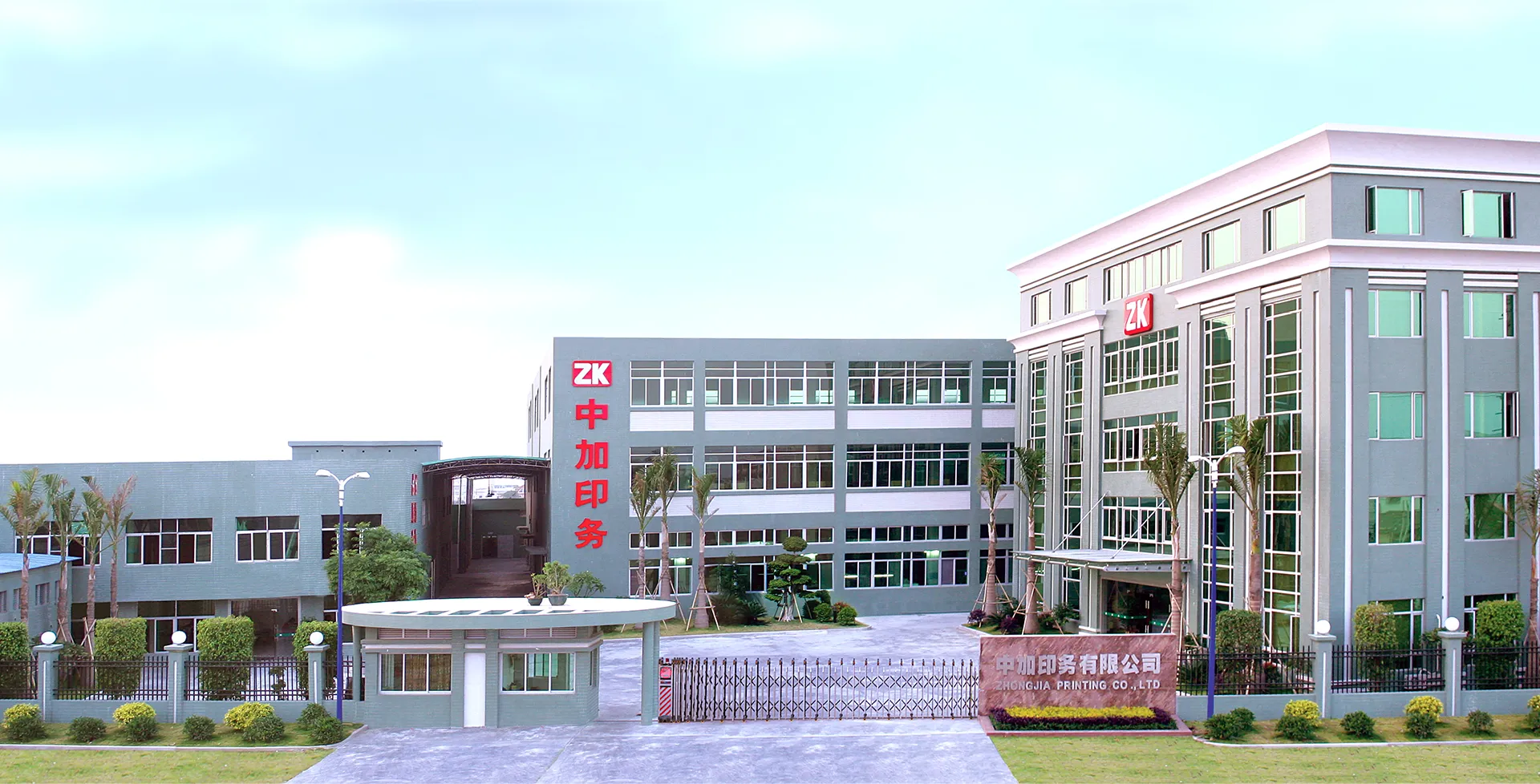
Zhongjia Packaging est un fabricant expert d'emballages flexiblesLa Commission européenne a mis en place un système de gestion de l'information qui permet aux marques et aux distributeurs de disposer d'un système de gestion de l'information fiable. emballages flexibles personnalisés en gros d'approvisionnement. Nos installations fonctionnent selon des systèmes SOP alignés au niveau international, soutenus par des années d'expérience en matière de production et des commentaires positifs constants de la part de clients internationaux.
L'un de nos principaux atouts est notre technologie d'impression à base d'encre à base d'eauqui permet d'obtenir des visuels nets, sans odeur et respectueux de l'environnement, tout en conservant une forte adhérence sur les substrats souples. Pour les projets qui nécessitent une différenciation, notre solution d'emballage flexible sur mesure vous permet d'adapter les matériaux, les propriétés des barrières, les formats et les illustrations à vos spécifications exactes.
